
The sensation of a flatfish striking your bait and the sensation of pulling line off your reel while the waves crashes near your knees is a significant experience. Flounder surf fishing require a certain amount of patience while waiting for a flounder to bite at the shore. However, once the flounder does strike your bait, there is the chaos created by a fish that puts up a significant fight.
Flounder are masters of camouflage as they lie on the sandy bottom just beyond the waves where they awaits their easy meal. Because flounder lie in these areas and await their meal, targeting these flounder from the beach can turn an ordinary day into a memorable day for those who fish for flounder from the beach. Fishing for flounder from the beach does not rely on a measure of luck alone.
Flounder has excellent eyesight and have a low profile so it is difficult to fool a flounder once it senses something is incorrect. This is a part of flounder fishing from the beach that many people miss when they first try it out. Many new surf fishing for flounder enthusiasts fish with the bare minimum of gear and cast their bait in any direction they pleases.
These individuals wonder why they catch no fish. However, using the proper approach to fishing for flounder from the beach will bring about significant and consistencies catches. There are a few tips that people have collected over the years of fishing for flounder from the beach to help individuals avoid some of the frustrations that is common when just getting started in the sport of flounder fishing.
These tips will be presented to you in order, from the most important to the most specific tips for catching flounder. Gear is the foundation of all fishing for flounder from the beach. Use a medium power spinning rod between seven and nine feet in length.
Top Tips for Catching Flounder from the Beach
1. Essential Fishing Gear
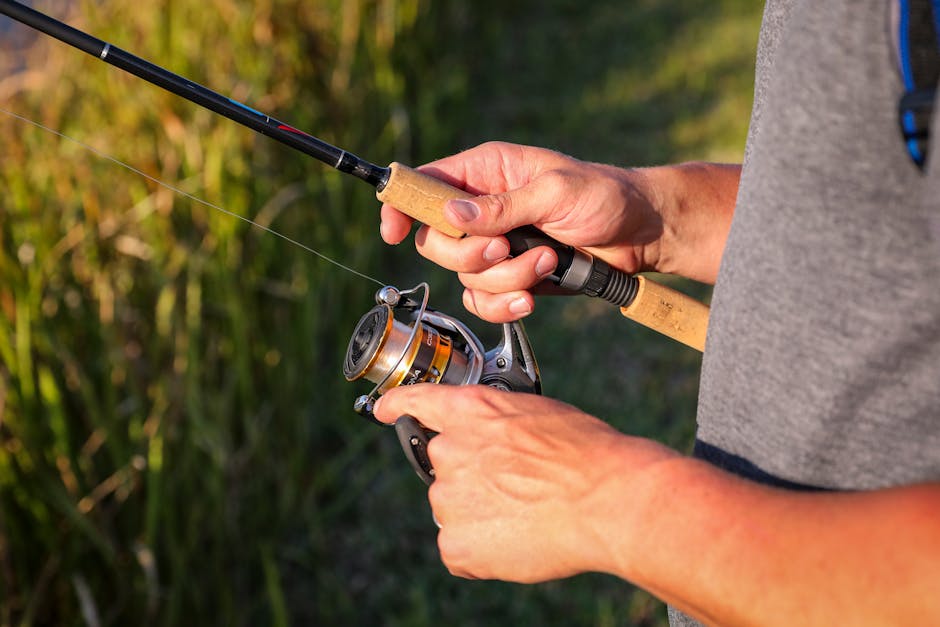
This kind of rod allows individuals to effectively launch their bait past the breaker’s crests of the ocean’s surf. Moreover, the rod’s increased sensitivity will allow the angler to detect the presence of a flounder tap on the bait. Use a reel that holds at least two hundred yard of fifteen pound test line.
2. Fishing Line Selection
Use monofilament line as this is the most common fishing line used for flounder fishing from the beach. However, braided line with a fluorocarbon leader allows for better detection of the bites of flounder and offers less stretch to the fish when reeling them in. However, the downside to braided line is that every mistake you make when casting will be seen so practice your casting technique in your yard prior to heading to the beach.
3. Effective Bait Options
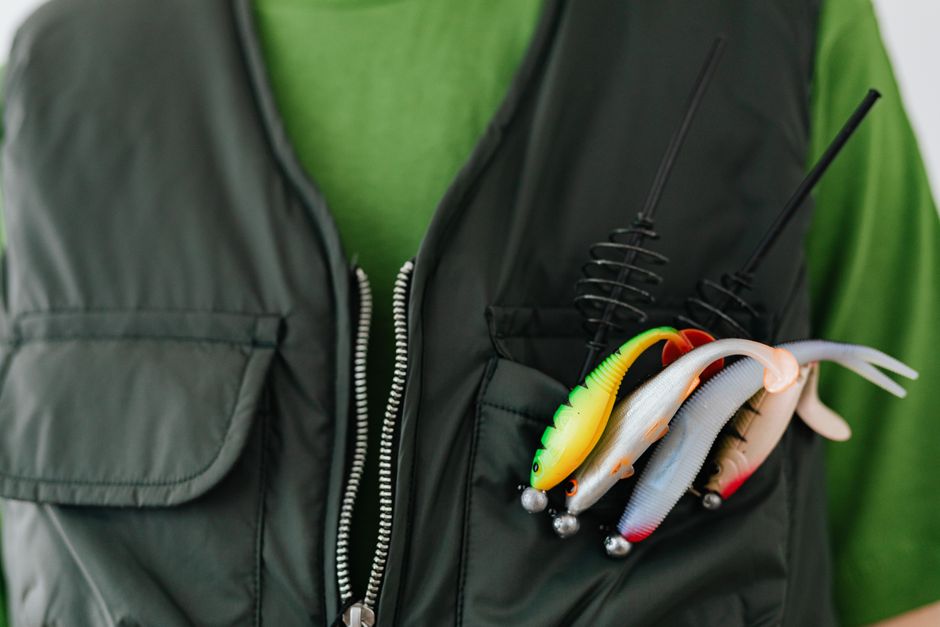
The type of bait you use is perhaps the most important aspect of flounder fishing from the beach. Squid is the most common bait used. The reason why is because squid will stay on the hook even in the face of the constant actions of the waves.
Using live bait will produce the best strikes. However, using live bait requires changing the bait more frequently as well as presenting challenges in keeping the bait alive in a bucket on the hot beach. Use bait that is cut to the size that will cover the hook but not allow the bait to dangle too far out from the hook.
If the bait is too large, flounder will attract other fish species that are of a smaller size to the bait but will not engage with it enough to create a catch.
4. Rigging and Sinkers
Use a fish finder rig so that the bait will stay on the bottom yet allow the bait to move natural with the ocean’s current. A one to three ounce pyramid sinker will work best for flounder fishing from the beach.
Use a leader of twenty to thirty pound fluorocarbon line of eighteen inches in length. Use a 2/0 or 3/0 circle hook. The circle hook will increase the chances of hooking the flounder because the flounder will mouth the bait but not swallow it.
The circle hook will set itself when you reel in on the flounder to catch it so that this hook works for the sport of flounder fishing.
5. Optimal Fishing Times
Flounder will move into shallower waters on the incoming tide due to the presence of baitfish that are moved toward the beach due to the incoming tide. The best time to fish for flounder on the beach is the first two hours of the flood tide and the last two hours of the ebb tide.
Early in the morning and late in the evening low light levels will allow your line to remain hidden from the flounder and will encourage the flounder to eat. If you must fish during the day, wait for periods where the water is slightly murky from the actions of the waves. Flounder are less fearful of entering shallower waters where the visibility is less than when the water is clear.
6. Identifying Troughs and Structure
Observe the troughs in the beach that run parallel to the beach but past the first break in the surf. Flounder and baitfish live in these troughs and the flounder will not have to fight against the power of the waves. Changes in water color as well as the way the waves break on the beach can help reveal these troughs.
Note the landmarks behind you so you can find your spot again on future trips to the beach. Flounder fishing spots can be easily missed if you stray from your noted spot by even twenty yards. In calm seas, lob your bait gently so that the hook does not get buried in the sand.
7. Casting Techniques
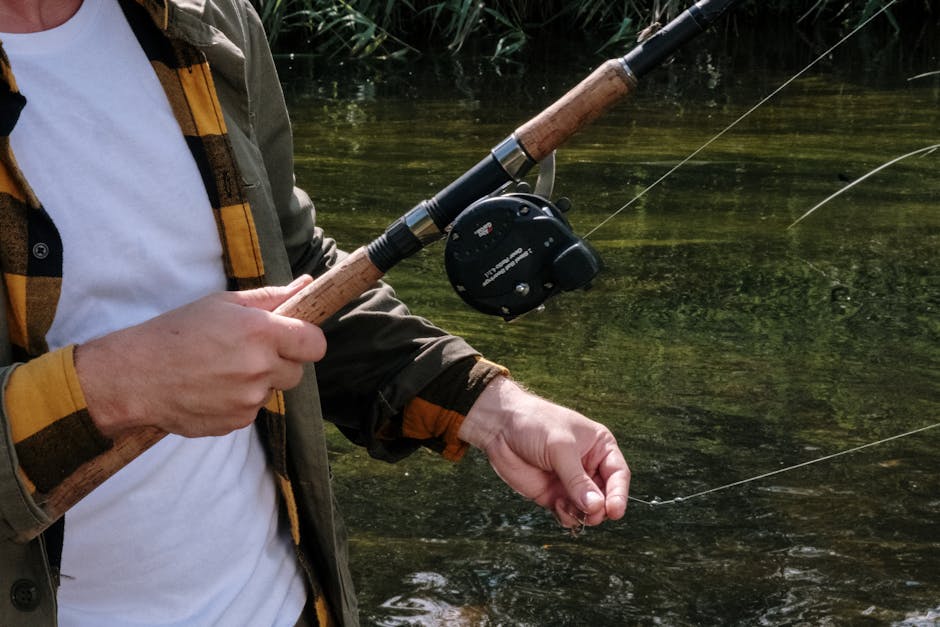
However, if the seas are rough, cast your bait beyond the spot where you wish to fish so the current will bring the bait to your fishing spot. Additionally, avoid casting into the face of the incoming waves. The force of the breaking wave can displace your bait and the hook may snag on a clump of seaweed.
A high arcing cast will allow your bait to stay in place in the water for a longer period of time. Do not rush the process of setting the hook. Flounder will pick up your bait, swim a short distance, and then stop to eat the bait.
If you rush and begin to reel in your bait, you will pull the hook out of the soft mouths of the flounder. Lower your rod and reel in slowly until you feel the flounder, then sweep your rod in a sideways motion. This allows the circle hook to slide into the corner of the flounder’s mouth where the hook will set best.
When you feel the thump of the flounder biting and then nothing further, allow the process to continue. This process has been perfected for a reason and will work for you when performed properly. When you do catch a flounder, make sure to handle the catch properly so that you are not putting the fish at risk and you are not risking bodily harm to yourself.
8. Proper Fish Handling
Flounder have sharp teeth so use pliers to remove the hook from the fish while the flounder remains half in the water. When you lift the flounder to take a few photos, make sure to support the belly of the flounder so that the internal organs of the fish are not harmed. If you intend to keep the fish for dinner, dispatch it quickly with a sharp knife through its brain just behind its eyes.
A legal flounder in most areas is at least fourteen inches from the tip of its snout to the tip of its tail. Make sure you have a measuring tape to measure your catch and be aware of the regulations of your local fishing areas. Weather and the condition of the water determine when you should head to the beach to fish for flounder.
Strong onshore winds will stir up the ocean floor too much and scatter the baitfish that attract the flounder. Offshore winds create glassy waters and offer the best visibility for the flounder as well as the best wading conditions for you. Flounder will be most active between fifty-five and seventy degrees.
If the water is too cold or too warm, the flounder will not engage with the bait. If the water is below fifty-five degrees or above seventy-five degrees the flounder may move to deeper areas or move offshore to deeper waters. Each of the seasons offers different advantages to the flounder fisherman.
In the spring, the flounder move into the shallows to find warmer waters from their deeper winter homes. In spring, the flounder are most hungry and eat almost anything offered to them. In the summer many other anglers are on the beach and the smaller fish eat the bait that the flounder want so focus on the hours between sunrise and sunset.
In the fall the flounder grow to their fullest size before they head offshore to the warmer waters. Therefore, the fall will yield the biggest catch of the year for flounder enthusiasts. Finally ensure that you respect this natural resource and the other anglers who share the beach with you.
Make sure to pack out all of what you brought in to the beach. This includes the bait bags and the fishing line. Give other anglers plenty of space in their fishing spot.
If someone is catching a flounder do not encroach on their fishing spot. These courtesies will ensure that the beach remains open for all beachgoers and that everyone respects the resource together. Take these ideas to heart, get your feet in the water and pay attention to what the fish is telling you today.
The ocean will not offer you the same catch twice but by paying attention to the flounder you will have fresh flounder fillets to add to your table.