
But flatwater presents an illusion of peace. You can look out over fifty feet of clear water in any direction and observe sandy bottom. From overhead, you can watch as your boat approaches and you cast, spotting your own shadow first.
That clarity makes it a special type of hunting ground; there’s no place for prey to hide, and little warning when danger strikes. And the kings of this arena are bonefish. With their stalked eyes and thin, silver bodies, the fish spots trouble well before they choose to bolt away.
You have to get good at catching them, not just casting accurately. It takes stealth, patience, and above all, an appreciation for what is around you. The first time out a lot of guys show up at dock with big bucks worth of equipment and grand expectations.
They leave empty-handed because they misunderstood how these fish behave. They misunderstood the nature of the beasts. They thought bonefish were more like trout.
Or bass. Approach them noisily; cast with gusto and lots of volume and you drive the game away. Here, you read the water as if it were a map.
You understand its subtle language. The following 10 tips represent years worth of trial-and-error, good days and bad days, misses and catches; a distillation of what we’ve learned about catching more fish in the flats game. They’re not just mechanical tactics, rather, they is mindsets that make the difference between an angler who consistently catches fish and the hapless tourist who leaves disappointed.
If you can internalize all of them, they’ll change your days from frustrating ones to ones where you feel in flow. You begin to spot the fish before they spot you. That’s how you win at this silent game of water chess.
Essential Tips for Catching More Bonefish
1. Reading the water correctly
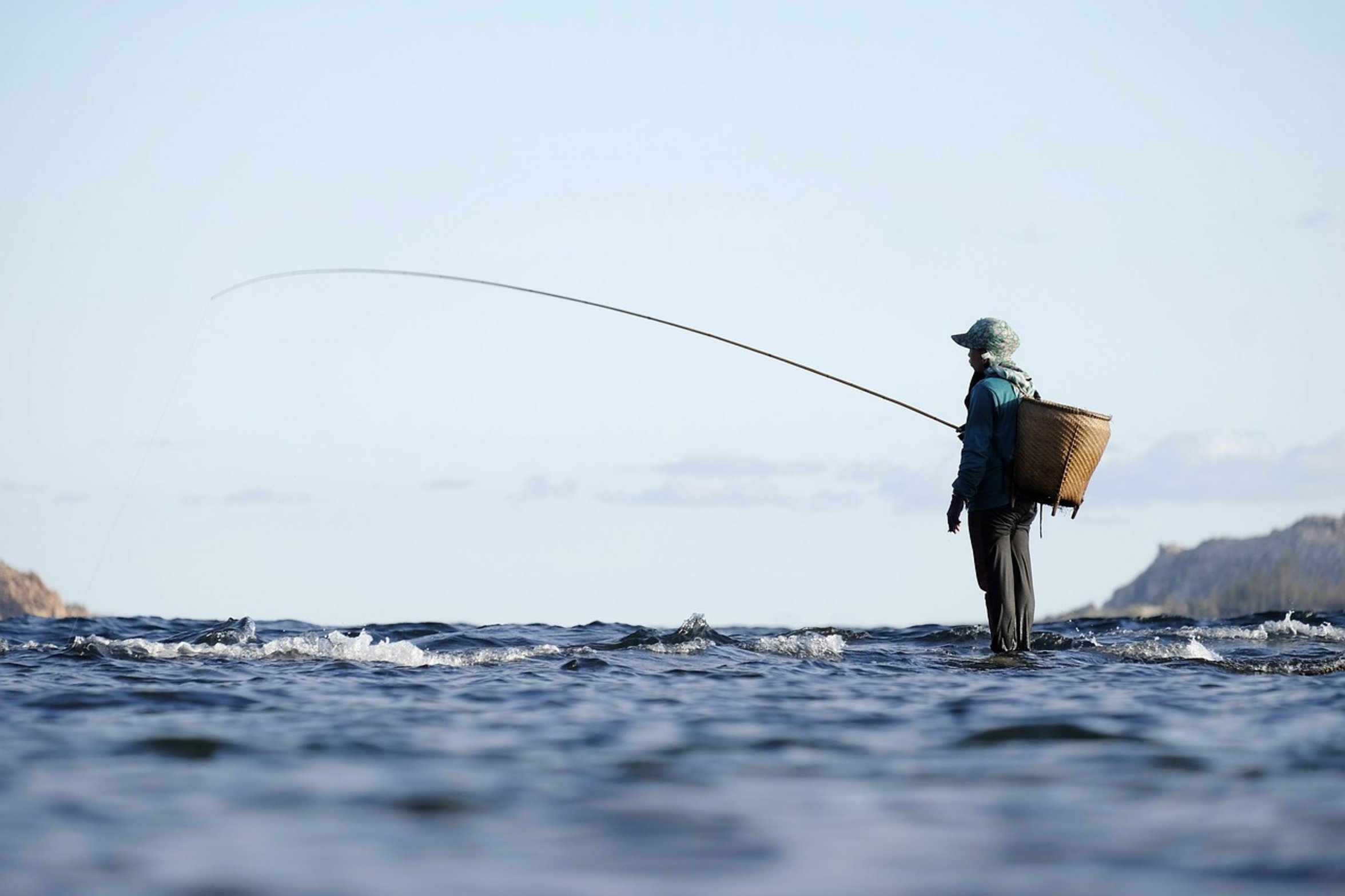
There is one absolute foundation to bonefishing: reading the water correctly. The wise angler never seeks the fish but rather the conditions that make the fish. When there’s no wind, the water will be glass smooth.
Every ripple caused by a boat hull or your own wader legs will show your presence to wary bonefish. On the other hand, wind blows across the water, creating ripples to hide your approach, and stirs up baitfish and shrimp for feeding opportunities. Ideally you’ll have a five- to fifteen-knot wind blowing in such a way that you can work into it.
That way you’re able to use the wind as cover and keep yourself out of line of sight of any fish traveling with the current. It is very important to keep your shadow away from the water. Silver scales reflect light, and immediately show your presence to the school.
You don’t have to turn around and show a bonefish your mug for it to realize that something is amiss. What it’s seeing is a dark form hovering over its head, which naturaly triggers an instinctive response: scatter and flash white. Positioning yourself so that the sun is at your back or having a boat with good shade cloth can mean the difference between a hookup and an empty spool.
It seems counterintuitive to hide when you want to see. Counterintuitive, yes, but stealth always wins over visibility in this game.
2. Choosing the right rod and line
The length of your rod determines how you manage line and how a fly falls when it hits the surface.
These days, most people use a nine foot, six inch graphite rod or even a 10-foot one. Why the long rod? Longer rods load more on the back cast which gives you the ability to throw farther without working as hard.
They’re easier to mend too. What’s that? That means you can modify your line position in the water by moving it around without throwing off your casting motion.
With shorter rods, you have to swing it harder through the air, creating wind resistance that kills both distance and accuracy. Just as important as the rod is the line. Because bonefish are likely holding in shallow water, under three feet, a weight-forward floating line is key.
Sinking lines might seem effective for reaching deeper water, but they makes it hard to feel bites or mend the line. Ideally, you need your fly to float freely along the bottom with most of your line above it so it doesn’t add much drag. The heavy tip can help turn over large flies imitating shrimp or crabs, bonefish favorites in some conditions.
3. Wearing proper footwear and sunglasses
Good shoes protect your feet and give you good footing. There’s nothing like stepping on some sharp coral or getting cut up by a few sea urchin or razor clam shells. Wearing flimsy sandals or going barefoot will get you out of the game early and hurt pretty badly.
For the most part, solid fly fishing boots with felt bottoms has great traction on the softer stuff (mud and sand). If you expect to be walking on hard packed surfaces or rocks, go with rubber bottom ones. Make sure to feel what the surface feels like before putting all your weight on it.
You don’t want a misstep to throw off your balance and scare fish away just as they start eating. Don’t leave home without polarized sunglasses. They are a necessity for spotting fish in clear water.
If you wear non-polarized lenses, sun glare reflecting off the surface hides what is underneath. Polarized lenses filter out this reflected light making it possible to look through the water column as if it were a window. Before you notice the scales, you’ll see the darker shadows of bonefish against the lighter colored sand below.
This early notice allows you plenty of time to make careful casts and plan your approach without rushing around.
4. Casting with stealth
In light casting, the bonefish is line shy because it relates the sight or sound of a large splash to a threat. Shock waves travel across the surface when there’s a large splash, registering instantly in their mind as “danger.” Practice your casts until you can land your fly with little disturbance of surface tension.
This usually involves less power from the arms and more speed from the rod tip, which allows the line to slowly unroll itself onto the water. Landing a subtle offering on the 40-foot mark takes time, but this is the key for getting those cautious fish to strike. You can watch them eat.
5. Matching the hatch
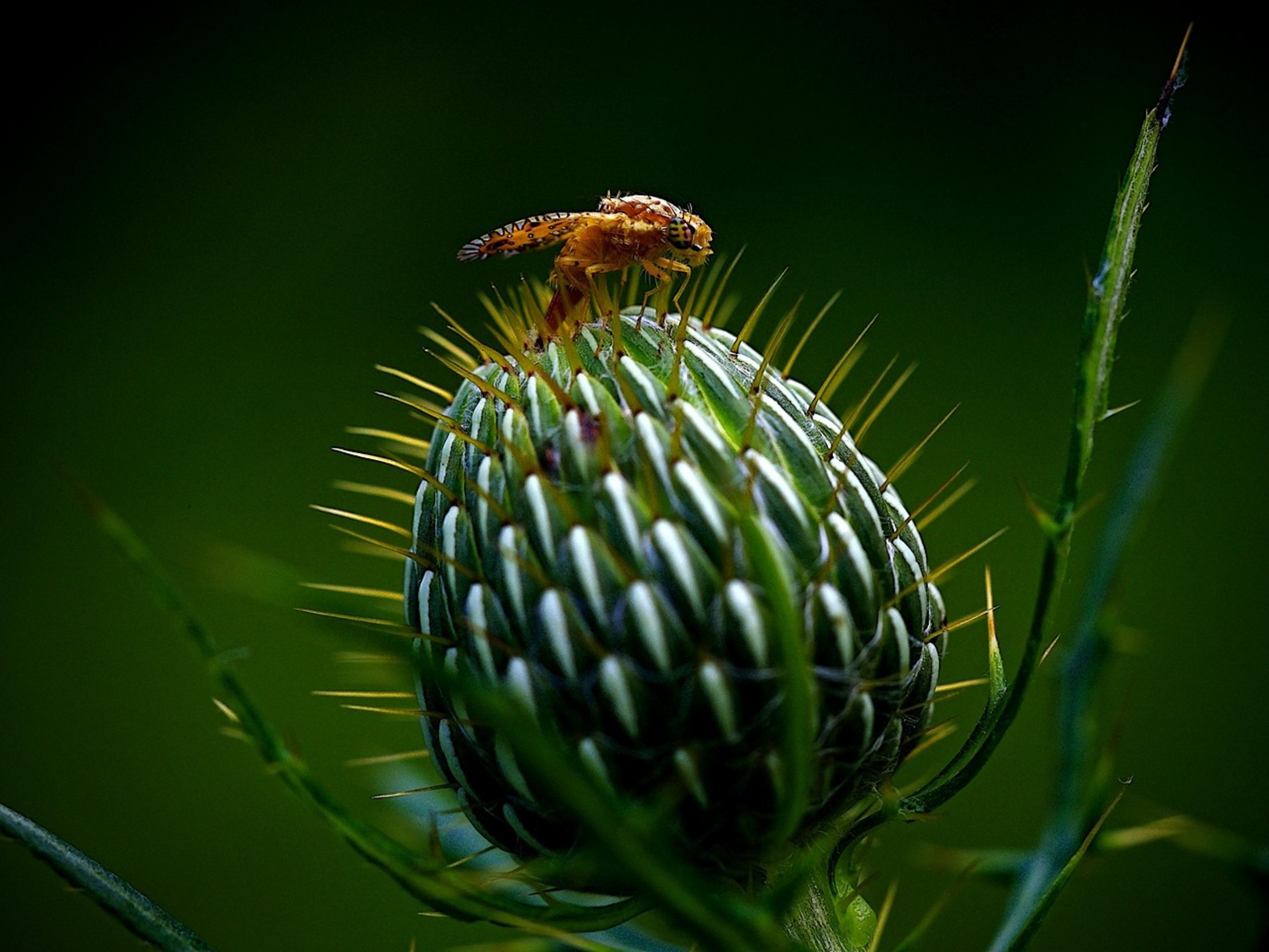
Matching the hatch means watching the fish and matching the type of food that the bonefish are feeding on. Because they are opportunistic feeders, they will change what they eat depending off tide levels and availability. Sometimes they want large crabs, sometimes they want small shrimp and at times they want baitfish such as pilchards.
A group of birds diving in an area can show where the baitfish are gathering, which draws larger bonefish. Darker colored flies can also work well in stained water. Subtle movement and lifelike copies is needed in clear water.
Choosing a fly that fits the conditions improves your odds. It also shows respect for the environment you’re fishing.
6. Approaching from behind
The golden rule of flats fishing is to approach schools from behind and slow down.
When bonefish look up, they can see well peripherally but very little ahead. If you come straight at them, it puts you squarely in their line of sight, which flashes a defensive response. Circle wide around the perimeter, taking into account wind direction so that you cast with your shadow coming off the fish.
Go slowly and deliberately, stopping often to allow the water to settle. The single biggest error novice anglers commit is rushing. Taking time lets the fish relax and continue to feed.
It also gives you a clear chance at connecting.
7. Fighting the fish properly
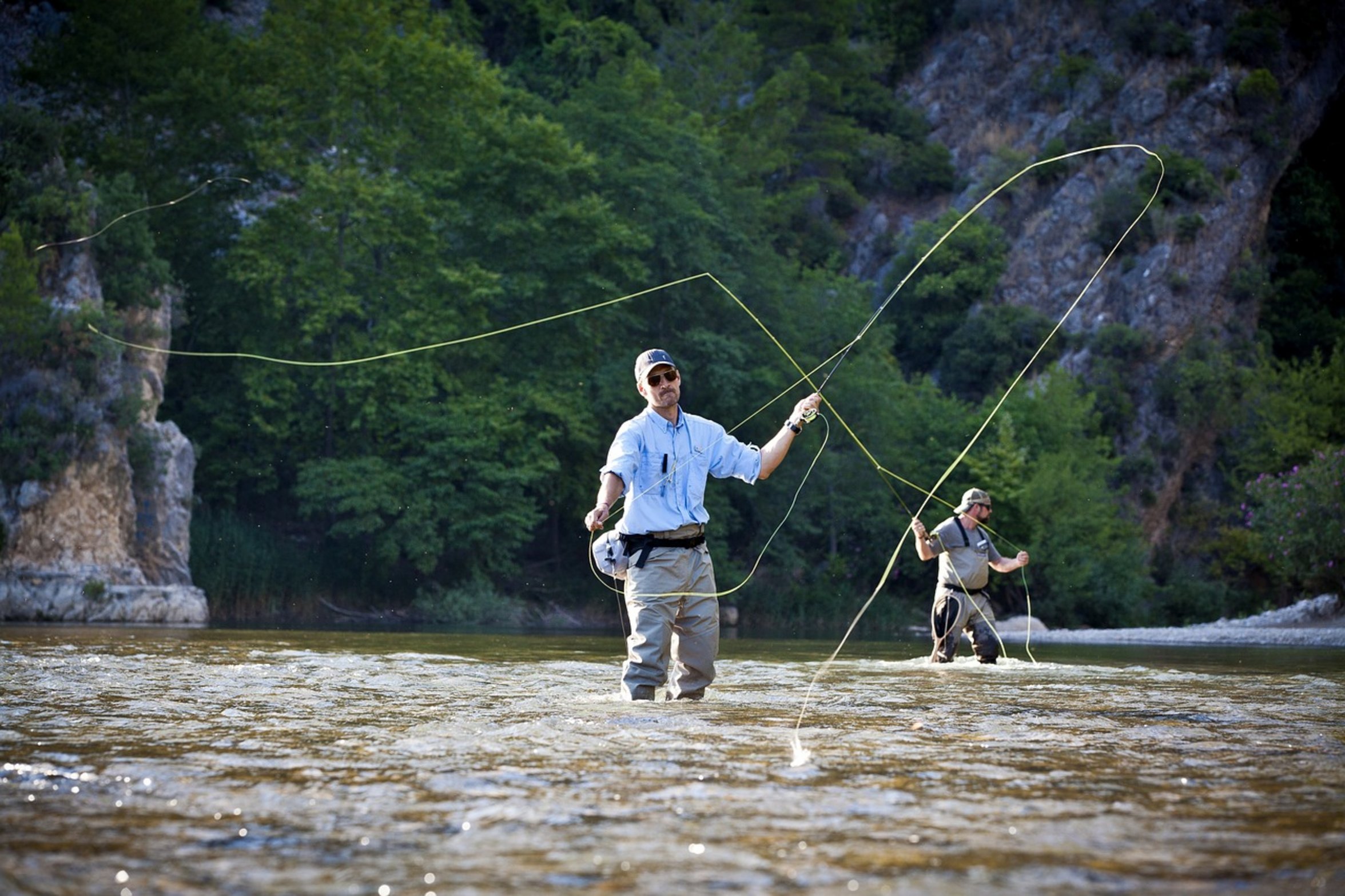
Keeping your composure and applying consistent pressure will help keep you in the fight. Bonefish are strong swimmers and will run hundreds of yards before giving out.
The key is to set the hook solid and keep tight. They don’t run long distances due to endurance but more because of short burst runs. Hard jerking and yanking will snap light tippet and may pull the fly out of their hard mouth.
Just let them wear themselves down. Once the fish is worn out, continue reeling steadily and keep your rod tip high enough to avoid slapping line against the water. Each bonefish caught will tell you something new about the flats, which makes you appreciate the sport more with every trip.