
Water defines Georgia. From headwaters of Appalachians to the Piedmont’s slower pools and miles of river systems draining to Atlantic, fresh water teems with life. Life varies from day-to-day, making every day on the water unique for angler.
One moment you’re stalking catfish in a muddy creek, while hours later you’re battling bass in a clear lake. Knowing what lurks below surface makes for a good angler in Georgia. I know it’s tempting to categorize all fish as one big generic pile on any given body of water, be it river or pond.
But you will soon realize that every species act differently. They eat a different bait. They react to the seasons more differenty.
What triggers largemouth bass to bite may leave a spotted bass just a mile away ignoring your technique entirely. Once you learn what locals do, fishing becomes less about guess work and more about strategy. You’re no longer guessing, you’re targeting.
Georgia’s waters host several iconic freshwater species. These has unique traits that make them worthy catches. Some is known for their fighting ability.
Others are known for their flavor, and others for there ecological contributions. Here is a breakdown of the major freshwater fish you’ll find here. We begin with top game fish people seek out, followed by hardy survivors that stock our waters.
Top Freshwater Fish Species Found in Georgia Waters
1. Largemouth Bass
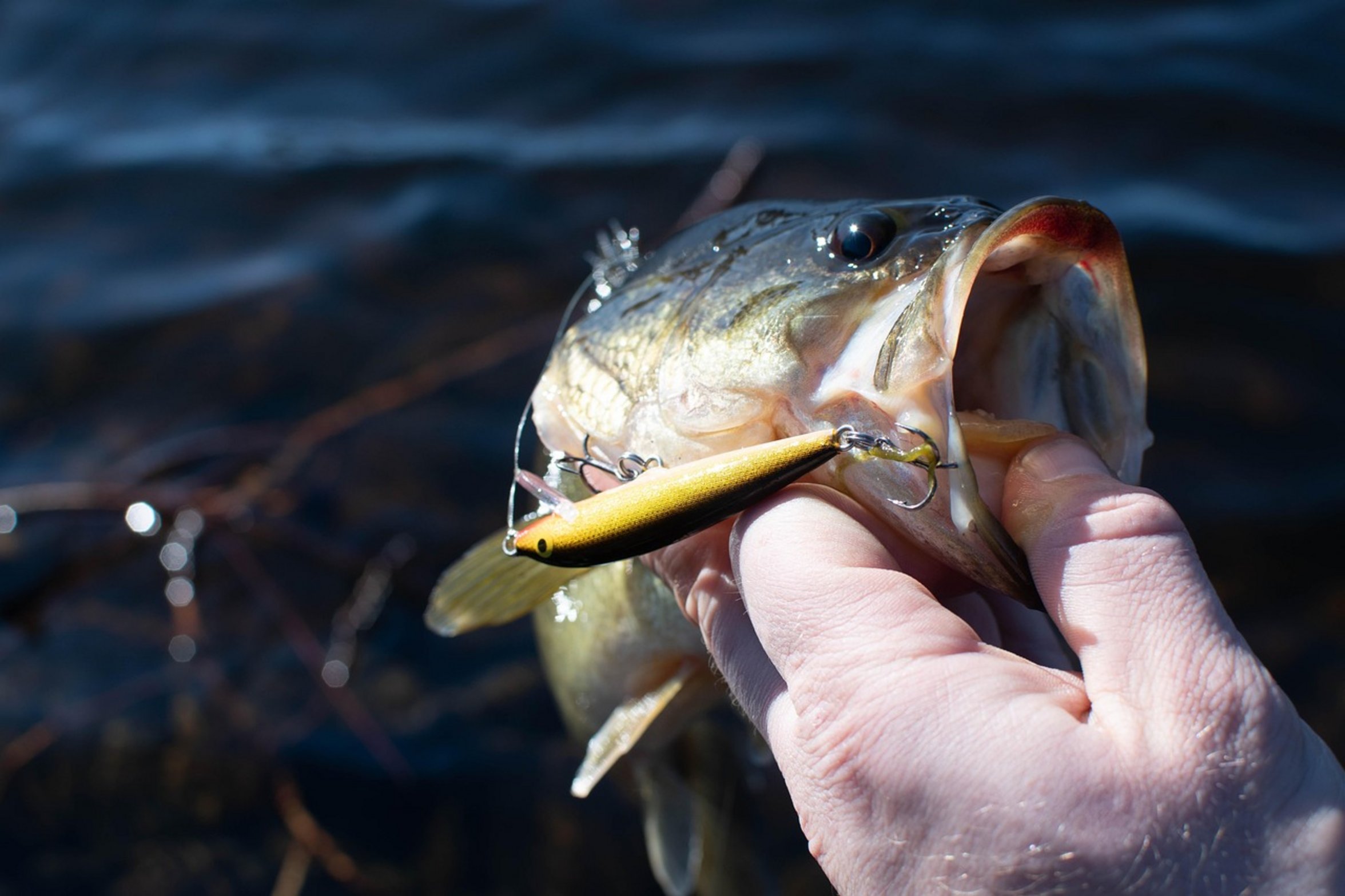
Georgia fishing has a lot of good reasons to make largemouth bass king. The Chattahoochee River, and particularly Lake Lanier, have warm waters full of vegetation that the largemouth love. Because these fish is ambush predators, they stays hidden behind lily pads or submerged timber until something they consider prey move by.
Look for them to be most active around low-light periods, such as mornings and evenings when they’re moving away from cover. Largemouth are aggressive, which means they’ll hit lures you can see splash on the water’s surface. While the actual fight won’t last long (compared to others), seeing your lure get swiped by a large bass in one of Georgia’s favorite fishing hole will make it well worth the catch.
2. Smallmouth Bass
Contrary to their largemouth relatives, smallmouth like it rocky, cool and clean. Look for them on lower end of dams like Blue Ridge Dam or on the Hiwassee River in streams. When you hook one, they tend to fight by running and jumping.
Anglers say fishing smallmouth is like fishing for saltwater fish… it’s just a different adrenaline rush. Because of their habitat (cleaner water), presentation becomes even more important. Bright lures or big rods is a quick way to scare them away.
You’ll need to carefully handle your line and have a little patience to get the prize.
3. Striped Bass
In Georgia, striped bass have changed the game, partcularly after their introduction into reservoirs like Lake Hartwell and Lake Clarks Hill. Because they are a migrant species, they will migrate along the system following baitfish seasonally.
In fresh water, they are known for being hard pulling fighters with great fighting strength and persistence. They is often fished around deep structures where they tend to gather, such as bridges. A mature striped bass is strong enough to really test anglers’ courage and equipment alike.
Get your drag wrong and lines will snap.
4. Spotted Bass
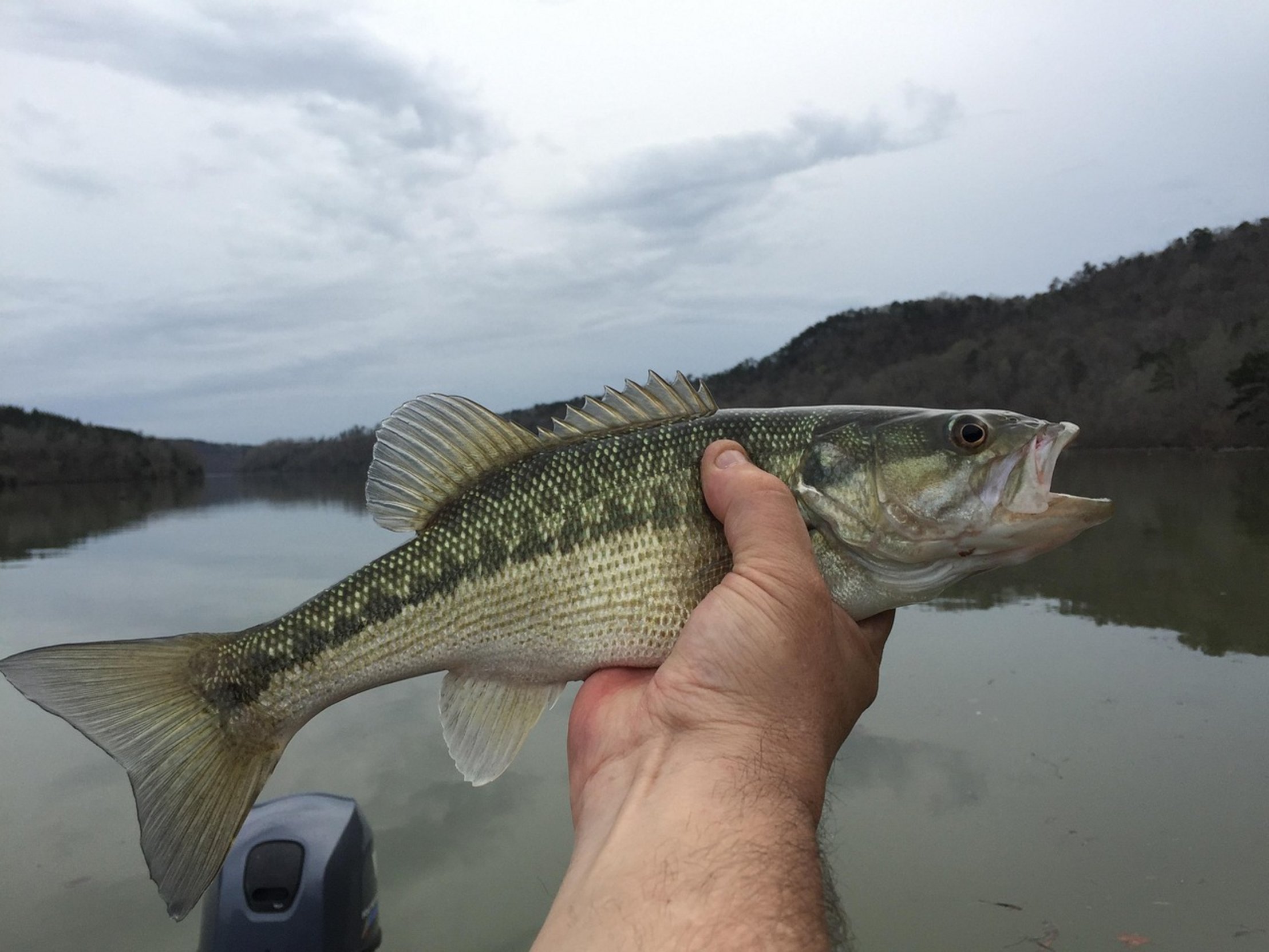
These are Spotted Bass. Spotted bass resemble largemouth bass which can make them an afterthought; however their uniqueness should of been recognized.
Spotted bass is most commonly found on the smaller ponds and even more so in Georgia’s blackwater streams. They also has a higher tolerance for oxygen than other species of bass. Because of this, they are able to live in water that stresses other game fish.
As aggressive biters, spotted bass will eats a broad range of bait types. When you’re fishing small creeks where largemouths may struggle to thrive, you’re probably targeting mostly spotted bass.
5. Channel Catfish
Georgia’s lakes and rivers is dominated by channel catfish on the bottom.
These guys are nocturnal feeders. They have a great sense of smell and find their way around in murk. They’re most often caught on chicken livers or cut bait along sandy bottoms, fallen trees, and under docks.
Their taste makes them a local favorite cuisine item because they don’t have any scales. Although they won’t jump like a bass, you’ll still have to horse ‘em up, as their pulling pressure is a constant force that pulls hard enough to drag even heavy boats forward. To get them in safely, it’s important to respect their strength.
6. Blue Catfish
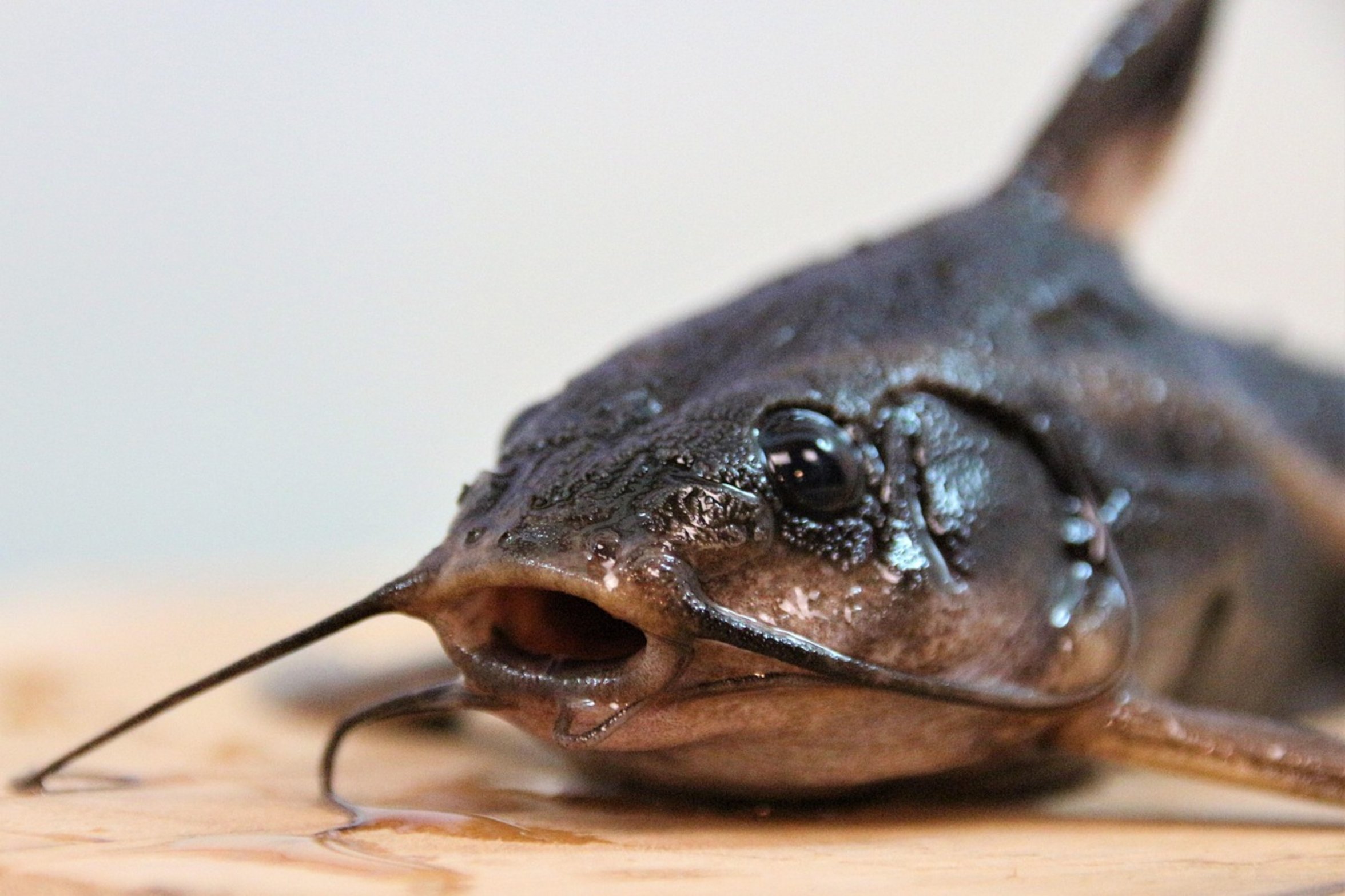
Channel catfish dominate the bottom structure of Georgia’s rivers and lakes. However, there are a few larger reservoirs and river where you’ll find their bigger cousin, the giant of the Georgia freshwater systems: the blue catfish. Big jigs fished around river channels and big jigs with live shad trolled through the river is great ways to target these bad boys.
As far as habitat goes, they stays out deep during the day and shallow at night. You know you’ve caught one when you do because it will go straight into your back yard. And by that I mean it’ll take some serious tackle and give you a workout for days.
It’s a badge of honor for any angler who catches one. You know exactly what will happen if you catch a channel catfish and then one of those big ol’ blues.
7. White Bass
White bass are schooling fish found in clear, weedy lakes across the state.
These schooling fish inhabit many of our state’s clear, weed-laden lakes. They is famous for their furious feeding strikes on spinnerbaits and small crankbaits. While they don’t usually weigh a lot each, the action can be fast and furious.
You can catch dozens in a very short time which makes them popular panfish species as well as great fun for kids. Their erratic jumping and rapid darting provide visual excitement that contrasts with slow grind of catfishing. They can best be targeted at dawn and dusk as they move to shallow cover.
8. Crappie
Another good schooling species is crappie. You will find them lurking beneath submerged bushes and docks throughout your favorite lake such as Lake Russell. Because they has delicate teeth, it’s important to use light line to avoid breakage.
Use minnows or vertical jigs to find them. Crappie have tender meat that is perfect for home cooking and fishing tournaments. It takes some trial and error using a fish finder to find the exact depth at which they are suspended.
If you can find one school, the rest typically bite fast and furious.
9. Sunfish
Almost all bodies of water in Georgia have many sunfish like redears and bluegill. They’re great starting fish, teaching anglers how to cast and learn how to set the hook.
Bread or a small worm around shallow weed beds is effective. Even though they’re small, they’ll go to war with you if you get one on light line. Healthy population of sunfish mean a healthy ecosystem since they’re critical forage for the bigger predators.
When the big ones is holding deep, don’t overlook them. You can get some instant gratification from them.
Every fishery will have its own set of rewards and challenges.
You’ll find the reward comes from knowing why fish behave as they do and how to catch every species. Knowing where they live, along with what makes them tick is the ticket to catching fish in Georgia. Whether you’re after the tug of a blue catfish or the jump of a smallmouth, there’s something out here for everyone.
Pick one species, figure it out and let the lessons learned carry over into the next adventure. The river doesn’t reveal its tricks very willingly, but rewards those willing to listen handsomely.