
The underwater landscape is complex, with limestone shelves, deep basins, and weed-choked bays. Because of this, fishery habitat differ throughout the region, as do the fish themselves. There’s almost never a repeat performance in terms of what to expect on any given day, either.
One minute you’re casting for bass; an hour later, you might be catching pike from a river just downstream without ever having to change your clothes. Knowing what lives in the water will not only help you choose the proper equipment but also respect the environment. People who start out think they can just chuck anything at the water and catch whatever’s in it, and end up with empty bucket.
Every single fish has developed various ways over time to defend itself and eat. Their bodies are designed to fight current differently, and one species like a Smallmouth Bass fights different than another like a Lake Trout. Understanding what’s in the water before you throw will not only improve your odds of catching more fish, but save time.
Top Freshwater Fish Species in Michigan Lakes
1. Smallmouth Bass
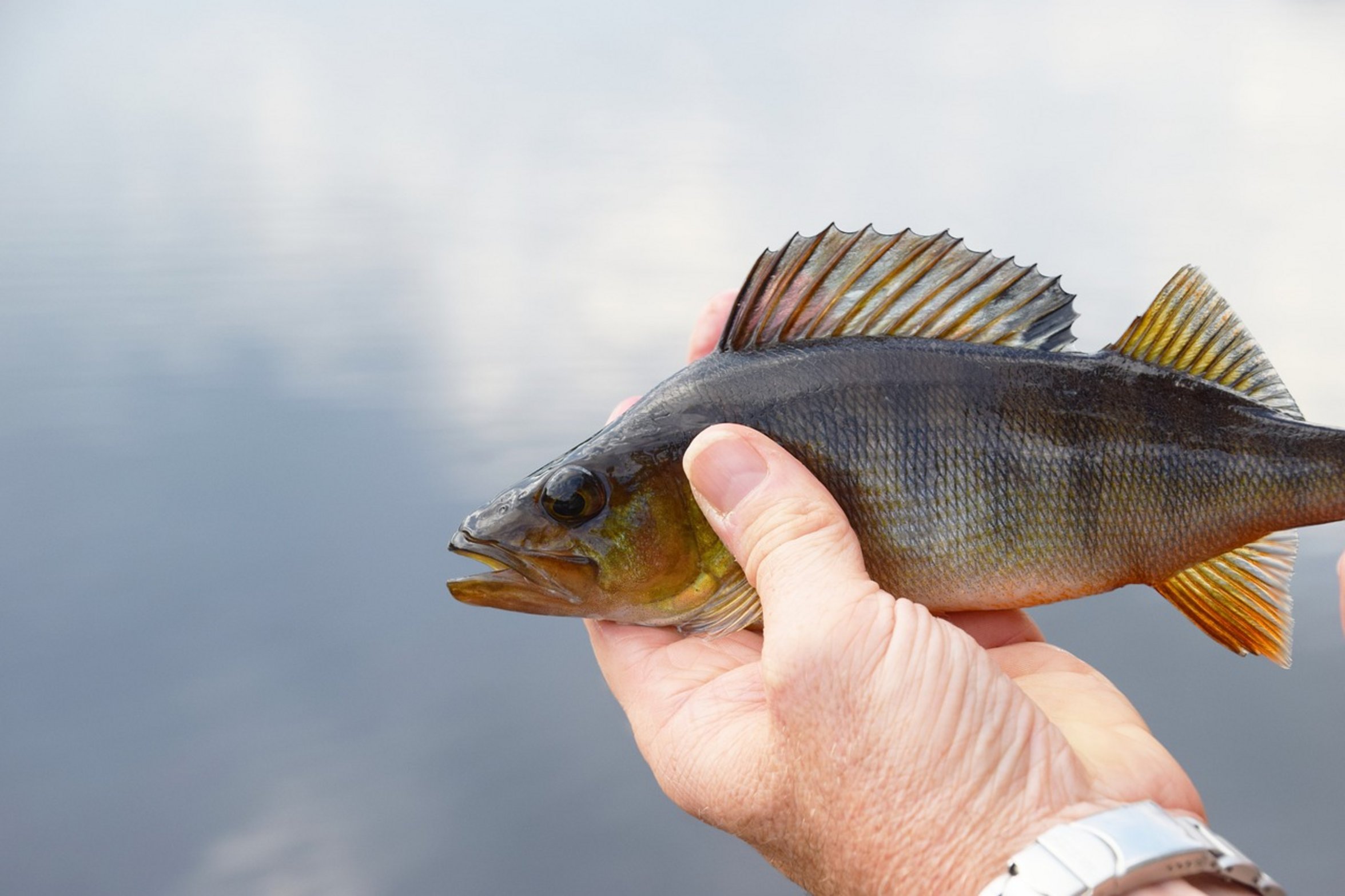
Fishing becomes less about luck and more of a calculated effort. Huron and Erie have rocky shorelines dominated by smallmouths that love clear water and hard structure. Although these smallies may be tough to see, they’ll give a big fight when they get around any type of cover.
Look for them to suspend next to submerged docks or gravel bars and ambush small baitfish and crayfish. They’ll pull as heavy as their weight so don’t be afraid to hook ’em and hang on. The key here is to make accurate casts to the structure without hanging your lure on the rock.
2. Largemouth Bass
Michigan’s abundance of slow-flowing rivers and weedy lakes make it prime habitat for Largemouth bass, a popular target of weekend anglers. Although they don’t run as hard, Largies are fun to catch because they aggressively attack topwaters in early mornings. Since Largemouths lurk in the vegetation, they will ambush anything that looks like an easy meal, especially when it is injured and struggling.
To increase your success, use a crankbait or plastic worm that imitates a wounded baitfish and cover water fast.
3. Walleye
Walleye are highly sought-after because of how difficult they are to catch but also because they’re delicious! They like to hunt in low-light conditions and, so, will tend to be most active during dusk/dawn hours or on an overcast day.
Walleye tend to reside off deep structure, such as points and drop-offs. Because they are skittish, you’ll need finesse tactics to fool them. They’ve got sensitive eyes!
Big jigs and heavy tackle tend to spook walleyes. Small jigs and soft plastics rigged with a minnow tend to outperform flashier lures if the water is clear.
4. Northern Pike
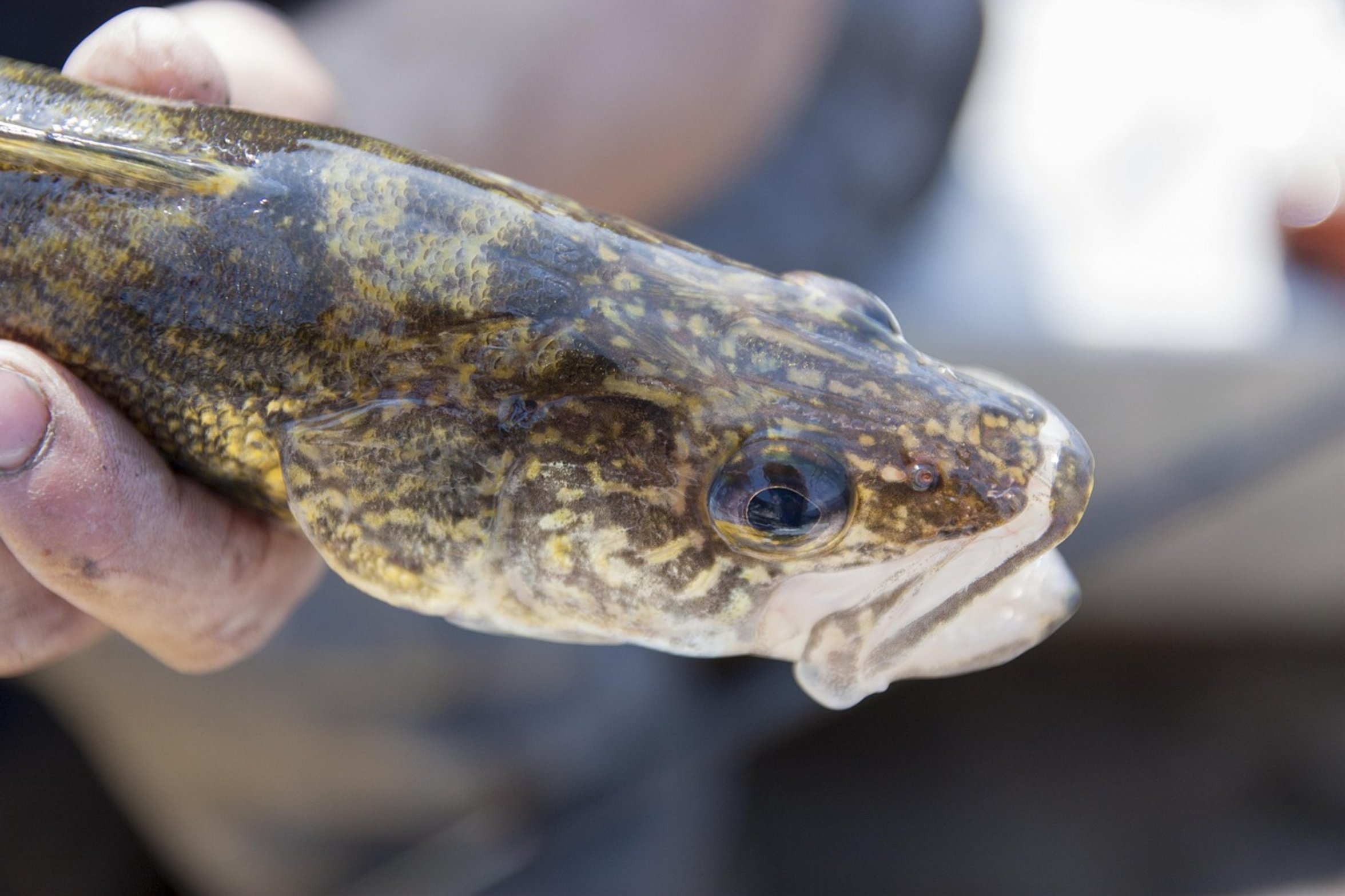
Lakes and rivers throughout northern Michigan offer smallmouth bass along rocky shorelines, as well as plenty of northern pike, which are also apex predators and reach impressive size rather rapidly, but beware: those teeth are razor sharp and these fish are not safe to handle.
These toothy creatures cruise shallow bays and weed lines seeking out a sucker or perch for an easy meal. With big bucktail jigs or spoons, northerns is exciting to land, but mind your mouth and gill area! If you’re not going to keep it for the table, a fast release is usualy preferred.
5. Lake Trout
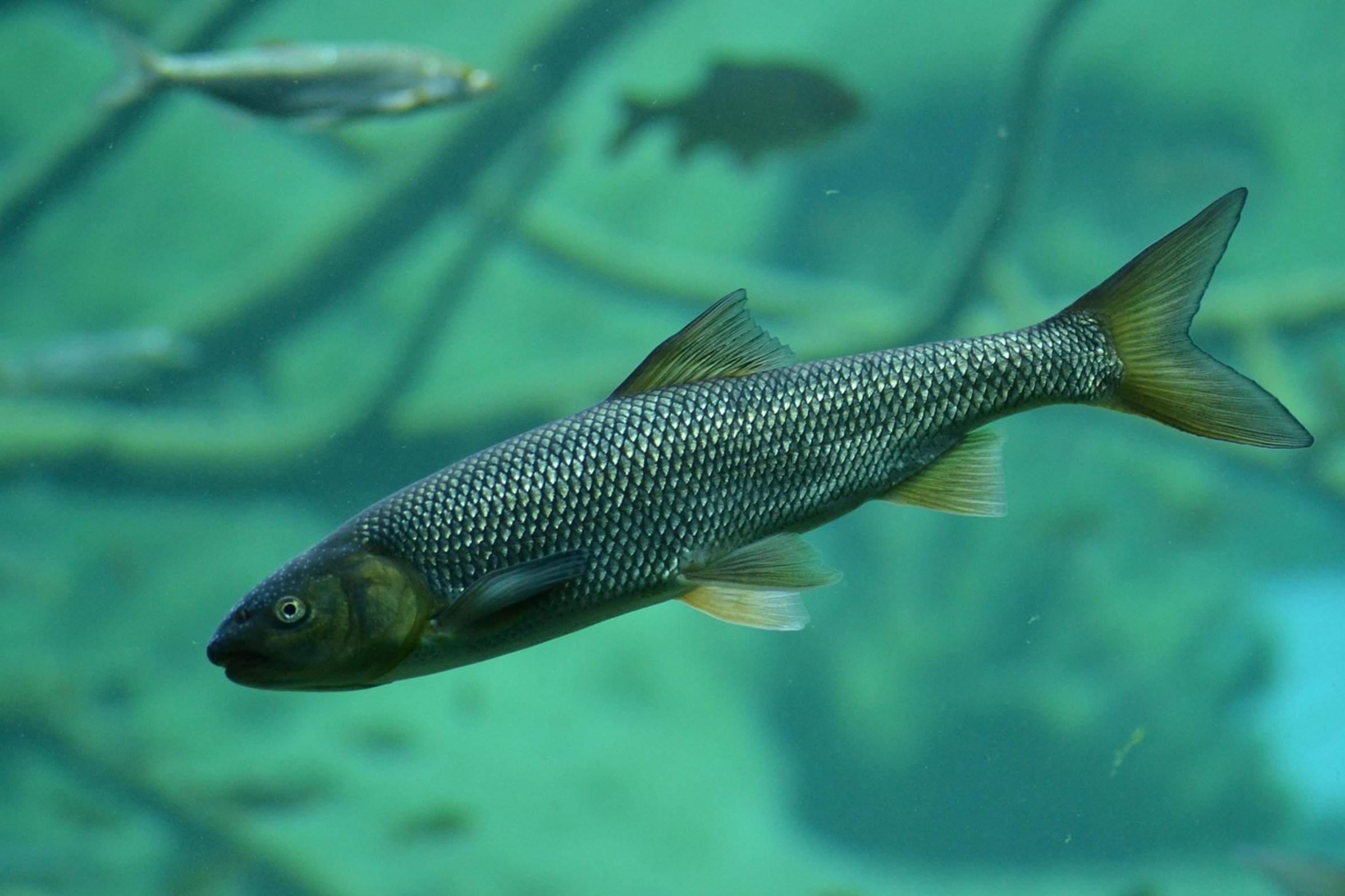
In the Great Lakes, lake trout inhabit the coldest depths. They also move up and down with the seasons. So you’ll want to fish deep for them, using slow moving baits that imitates their prey close to bottom with weighty sinkers.
These cold water fighters are strong swimmers so expect a battle on the other end. Target them in spring break-up and fall turnover periods where they roam shallow to spawn.
6. Muskies
Known as one of the most difficult freshwater gamefish to catch, muskies tuck into the thick weeds on the edge of lakes.
Since they are ambush predators that wait patiently for an opportunity, sight fishing is common; when you see the fish, it’s just a matter of putting the lure directly in front of its nose. Patience is rewarded with a huge trophy, though you’ll have to endure rejection after rejection until you get a bite.
7. Yellow Perch
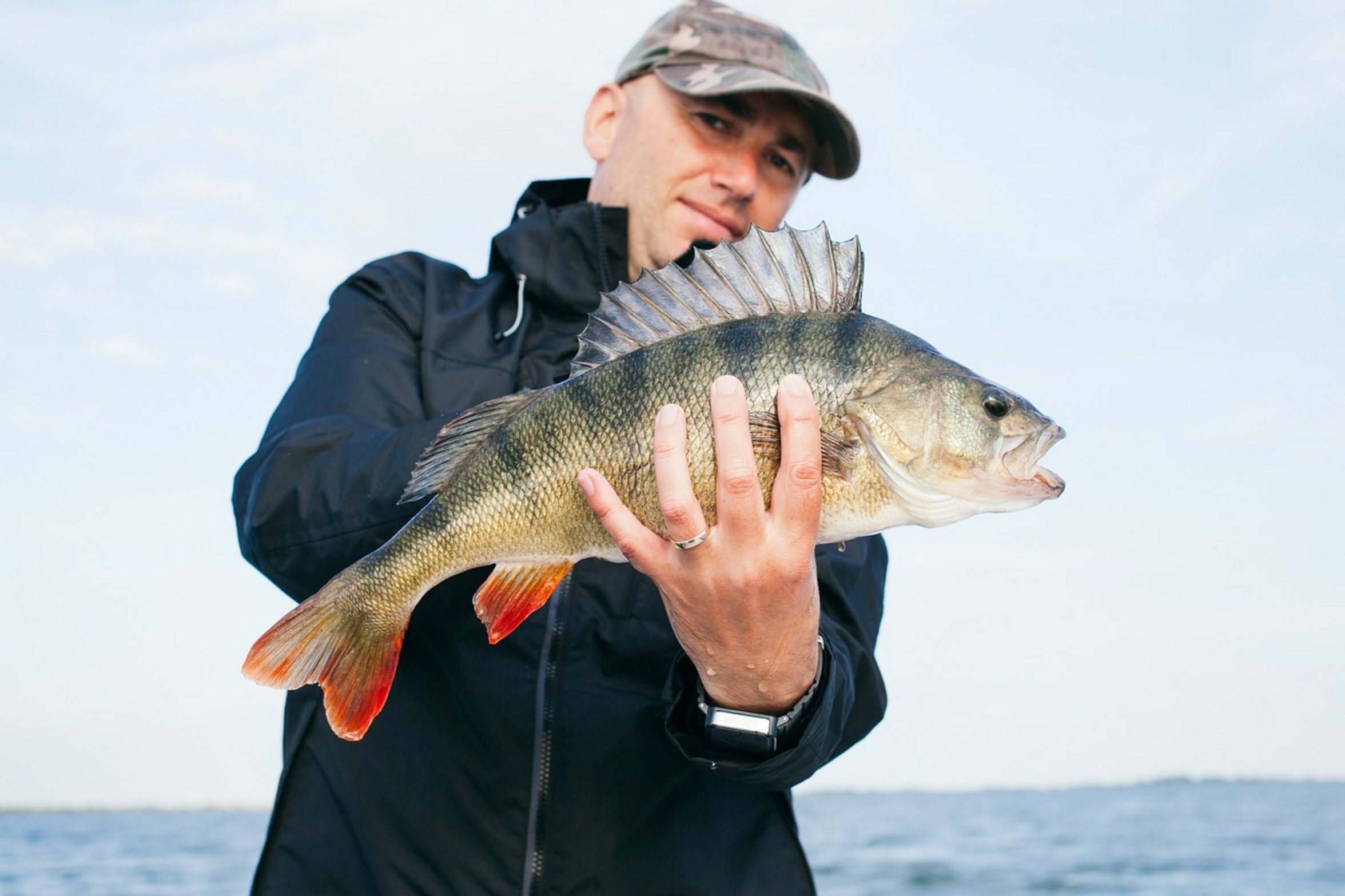
Casual and kid anglers love yellow perch for their predictable action and tight schooling behavior around structure and weed edges.
Once you find the bait, perch won’t be hard to find. Little jigs or corn rigs work well since these fish will bite aggressively on tiny offerings. It is a nice food fish that fries up good in batter.
Even on days when other bigger fish won’t touch it, catching a stringer of perch is a victory.
8. Brown Trout
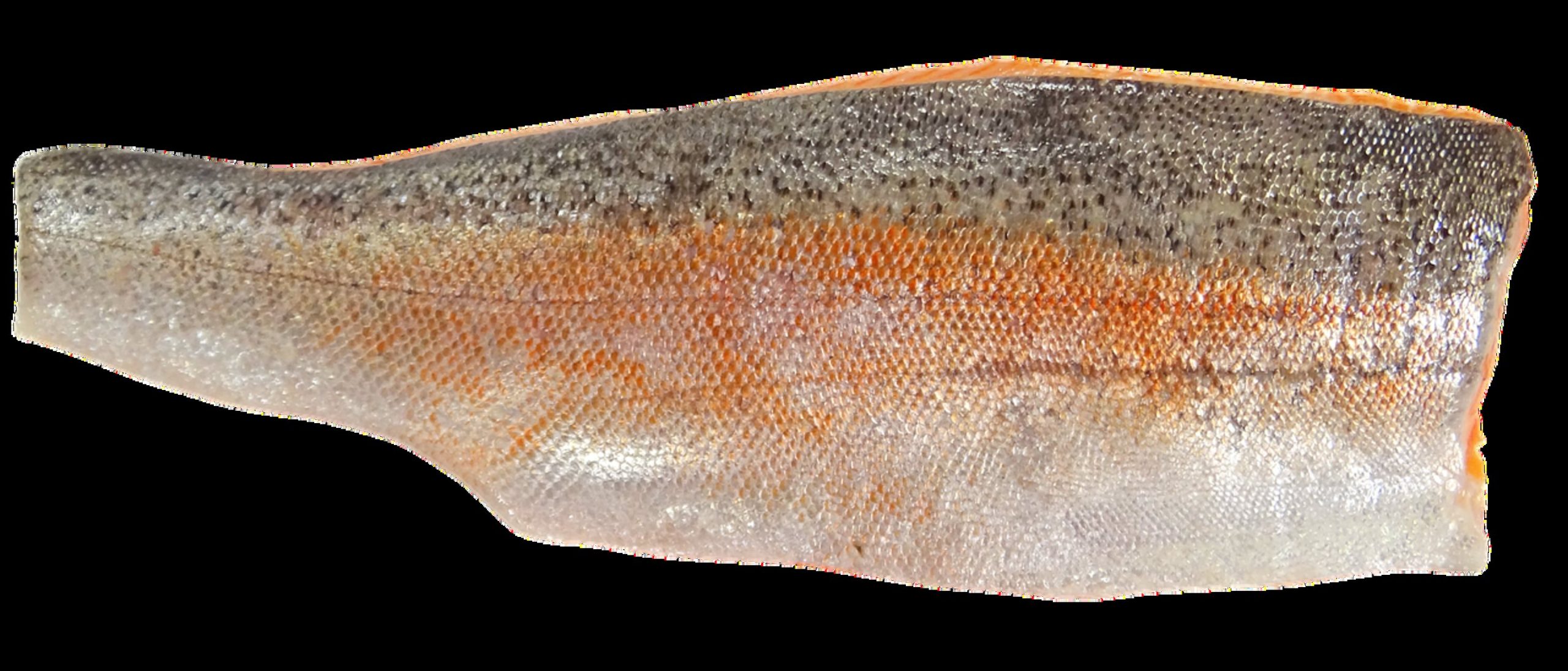
In cold-water lakes and streams, brown trout add variety to the ecosystem by competing with brook trout for habitat. Unlike brookies, they like low light and will stay under cover, like submerged logs or undercut banks; while feeding.
Because brown trout camouflage well on the rocky bottoms of streams, they’re usually fished with tiny spinners or flies that imitates the insects floating down the current. The key is making the offering appear natural without just letting it sit on bottom.
9. White Bass
Although you might not land a white bass, their schooling behavior is fun to watch as they literally leap out of water.
Whether they are suspended over current breaks or roaming open water, white bass aggressively hunt small baitfish and plankton. Your odds of getting bit improve when trolling multiple baits rigged on spreader bars. Once you get them buttoned up, they tend to strike several times in quick succession.
10. Carp and Catfish
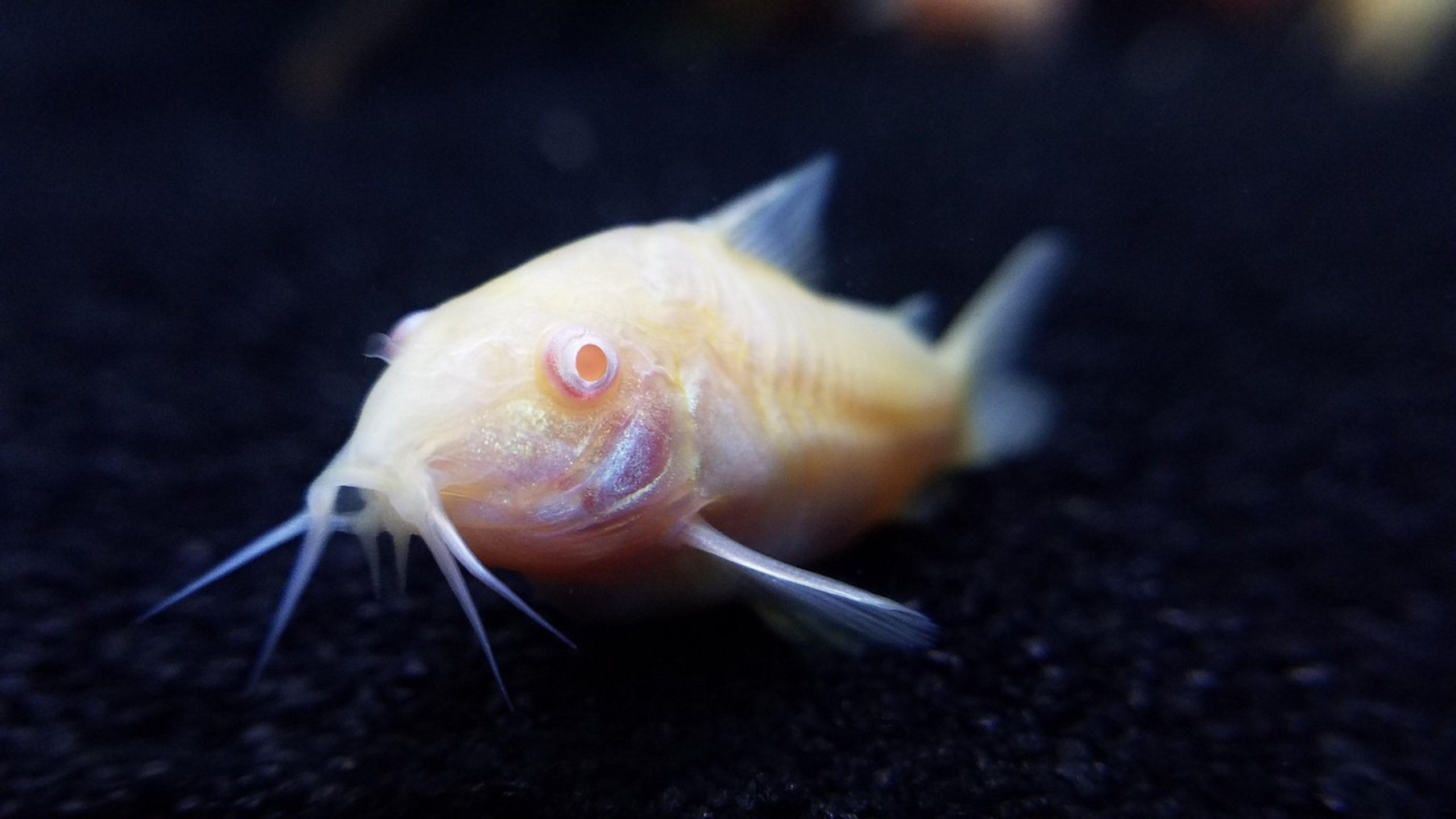
Carp get overlooked by many anglers unless you have ever had the experience of accidentally catching one when fishing for bullhead and catfish. These bottom feeders deserves attention and are known as stubborn fish to purposely catch because instead of attacking your offering, they suck it in slowly. Natural baits such as dough balls and heavy tackle help turn these accidental catches into a deliberate pursuit.
Their stamina and power make the battle legendary.
Often ignored, sucker fish are actualy quite important to the food chain: both as scavenger species and also as fodder. Suckers scavenge around rocky bottoms, feeding off insects and algae.
They aren’t normally sought out as sport fish, but they make good bait for musky or walleye. Knowing about them will put you on spots that may hold bigger fish.
Michigan lakes and rivers have catfish which inhabit the muddy bottom and are primarily scent oriented feeders, they can’t see very well but pick up scents of their prey at distances and follow scent trails left by cut bait and other prepared stink baits.
They will usually test it out first and then provide a steady pull as opposed to a quick grab. So be patient with the bite.
Whether it’s crazy bass chasing or sneaky trout fishing that floats your boat, there is something for everyone in the Great Lakes State.
You need to know what each species wants so you can match your technique to their mood instead of trying to force one approach on everything. Let the fish dictate where they want to play and how you are going to get them to bite. Respect the environment, read the water and enjoy the challenge of solving the puzzle each species provides.