
UK freshwater angling calls for some local know-how and patience. From the clear chalk streams to the deep waters of lowland rivers, these fisheries has experienced centuries of angling pressure. To catch fish successfully, you need to understand what type of fish live there and how best to make them bite by matching your tactics to its behaviour.
Aggressive pike or wary trout each demand a different approach and you must adapt your strategy accordingly. If you know what you’re looking at, it affects your approach. For example, a big catfish won’t fit on a dry fly rod, and you’d never land him.
And while bait designed for catching carp may catch them, the same tactics doesn’t interest tench. This article is a basic introduction to some of Britain’s most popular fresh water species. It details where they like to live, their behavior, and there special quirks (both rewards and challenges).
Best Freshwater Fish Species Found In The UK
1. Brown Trout
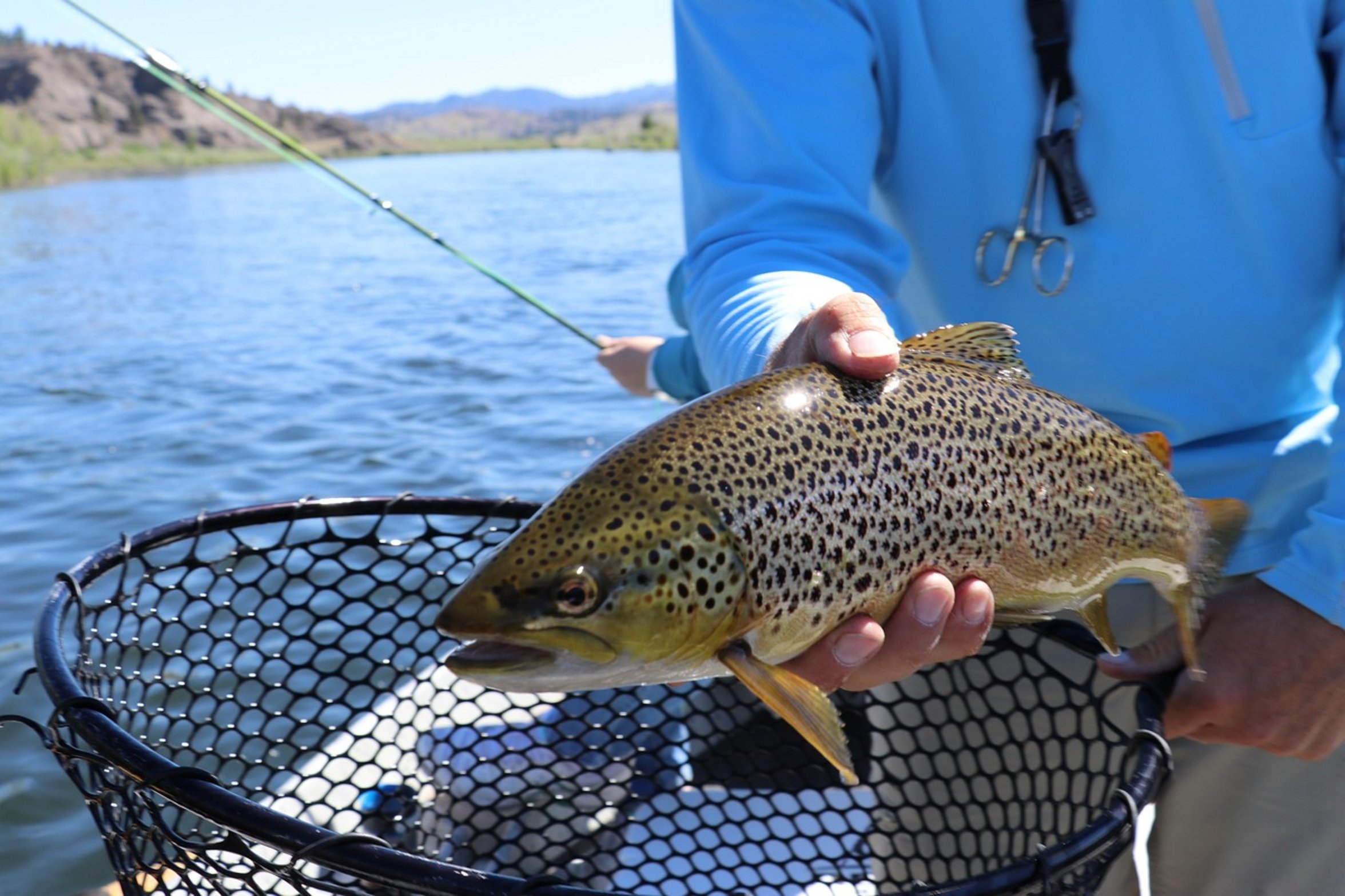
British freshwater fishing are made up of some truly wonderful iconic species of fish. One such species is the brown trout, which is strong, speckled, and beautiful. This species is native to Britain’s river and clear streams where it can be found from surface-feeding fry in summer through to crafty adult fish who lurks in deep pools later in life.
In the spring and fall, brown trout will actively feeds when water temperatures cools. Brown trout is often targeted by anglers imitating insect prey using flies or presenting natural baits such as worms. They are lively fighters with plenty of tricks that makes even longer periods of a waiting worthwhile.
2. Rainbow Trout
These are similarities to and differences from brown trout. Originally introduced from North America, rainbow trout is very common these days on stocked rivers and in still waters. Compared to browns, rainbows tend to be less shy; they will also feed aggressively in the middle of water column.
In general they like a little warmer water, this extends their feeding period well into late summer months. Because they hunt by sight, rainbows are often targeted by anglers using artificial flies and spinning lures. They’re a popular fish for both expert and beginner alike due to its willingness to take a variety of presentations.
When browns may be inactive, you can count on a good amount of action with rainbows.
3. Common Carp
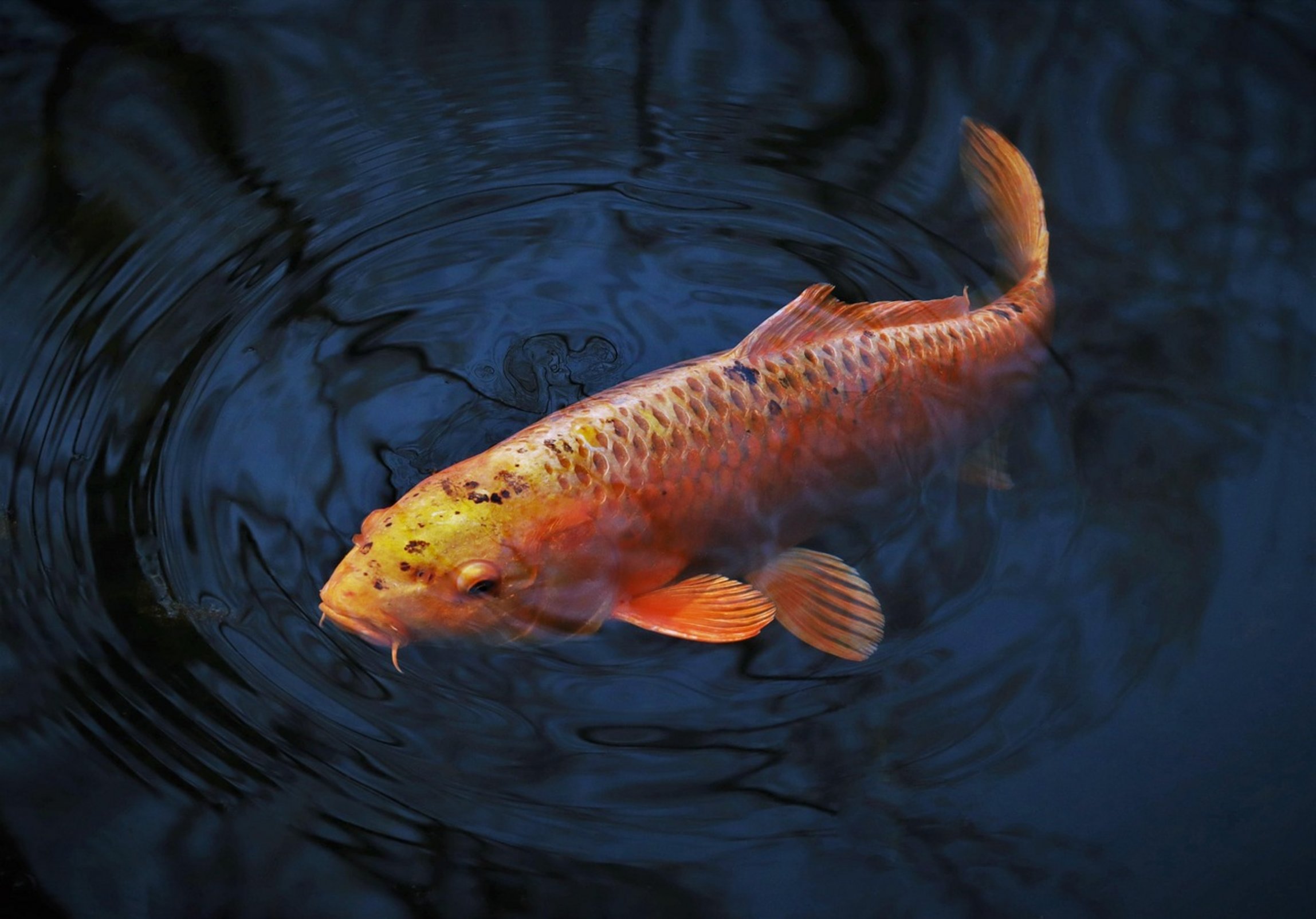
Common Carp, These large fish is found in lakes, ponds, and slow-moving rivers throughout Britain. A common carp roots around in the silty bottom and is covered in mirror scales.
When hooked it’s a tenacious fighter and will exhaust you as it swim strongly. To have any luck you need to prep the water where you plan to swim well in advance with loads of groundbait mix and then present baits such as pellets or boilies carefully. They are often lying dormant for days before striking at a bait and patience is key.
Equipment for carp fishing is also very high tech. Tents and camping gear reflect how seriously anglers take catching carp. They are a beautiful creature.
4. Tench
Tench have long narrow scales that glisten in the sun. They live in the quieter waters found in canals and slow moving rivers. They often stay close to weed beds and reeds, shunning the light because they prefers not to be seen.
Bottom feeding molluscs and other larvae make up their diet. To fish for them, you need small hooks baits with casters or worms fished on light tackle. It’s snaggy.
Always be prepared for that and keep your line tight right down near the bottom at all times. When you land one of these beauties it’s satisfying and there is a skill in catching a tench that make it more special. Go easy on the power and let the subtleness pay off.
5. European Perch
This is the European perch. European perch are opportunistic predators and very adaptable. European perches typically schools together.
This makes for great fishing because they move quickly and bite aggressively. European perch hang around objects like sunken trees to ambush other fish. During the course of a day they eat bugs and other small fish and is always active.
Live bait, spinners and even soft plastics all trigger there aggression. They are plentiful, provide lots of action and consistently give you a chance to catch one. Anglers who learns to fish for perch develop skills that translate into better reading of the water and understanding of structure used by fish.
6. Roach
Slow rivers and lakes has a staple species, the roach. A slender and silvery fish that feeds close to the bottom on small invertebrates. Roach are wary, so need a quiet approach and sensitive means of detecting your tackle.
Their mouths is small so they respond best to tiny hooks baited with casters or maggots. When you find the shoal right, fishing for roach can be fast paced. Often though, you have to search various depths before you see the group.
The skill is in staying in touch with them without spooking them, and the number of fish make this a satisfying method. This is a test of observation and skill.
7. Zander
The zander is originally from eastern Europe but is now well-established in numerous UK waters.
A long-bodied, predatory fish, it looks very similar to a large perch except its dorsal fin is spiky. Zander mainly hunt using their sense of smell, tracking down there prey across the riverbed or lake floor. Dead baits, both cut and whole fish, are commonly used when fishing for zander and these is fished on the bottom.
Zander can be caught at any time of the day or night but tends to be more active during the twilight periods. They have great stamina and put up a hard fight so you need to use stout line and rod to safely land them. These are a new challenge for anglers and has altered the dynamics of certain fisheries.
8. Rudd
The Rudd is a deep bodied reddish-orange finned fish that is frequently confused with a goldfish. It is a timid fish found in the weed edges around ponds and lakes. Rudd also feed near the surface among weeds, eating plant material and insects.
Rudd are easily spooked and best fished with precise casts near cover and some stealth. Their small mouths makes tiny baits such as maggots and small floats most effective. Because of their elusive behavior catching a big rudd is quite an accomplishment.
It’s a nice change from other bottom feeders encouraging you to try some different tactics using both edge fishing techniques and trying out some new surface presentation. It reminds us that being big doesn’t necessarily mean it will be easy or rewarding.