
From Florida to Texas, the Gulf Coast run the length of the country. Sand meets sea in a long line of beachfronts. Grass flats hold specks while reds lurk amid jetties.
No wonder it’s attractive, but in practice, it can be fickle with shifting wind conditions and baking sun. When you get bit, fish can dissapear. Guessing isn’t effective most days.
It require knowledge of habitat to beat the game fish. A lot of guys show up packing big bucks worth of electronics. Huge tackle boxes is slung over their shoulders.
They cast like crazy, expecting the fish to bite. But they don’t. The mistake are not in their gear but in their approach.
They aren’t mad at themselves, but they should of. The issue isn’t the equipment; it’s the tactics. To catch more fish on the Gulf Coast, you have to understand how to read water, select your baits carefully and arrive when the tides align.
Those method will put more fish in boat. These tips cover everything from selecting the right rig to timing your departure, helping you turn a frustrating day into a memorable one. These are a few tricks that can make an otherwise disappointing day rewarding.
Understanding how to read the tide is critical. As the tide come in with oxygen and food, fish feed aggressively. During the dead part of the tide, they will be sitting still on the bottom or up in weeds and basically not doing much.
So try to make your casts as the tide is coming in and concentrate on the last couple of feet. Or if it’s outgoing, then target first couple of hours of the flow to create current over beach cuts and channels. That pulls both predators and baitfish into the current.
Find a local tide chart and study it at home prior to heading out. Knowing high and low times precisely lets you put yourself in the right spot for when the water move, which is when it really counts. On the Gulf Coast, the norm is live bait, live shrimp.
Gulf Coast Surf Fishing Tips to Catch More Fish
1. Use live shrimp as bait
That’s because it’s what our targeted species (redfish, trout and sheepshead) feed on naturaly. Get your live shrimp from a reputable store, purchase them bunched together and place them in an aerated cooler until ready to throw. When hooking up, go through the head right behind the eyes.
This lets the shrimp swim freely in current instead of painfully wriggling. A shrimp that swims past is one no predator can resist. Stay tight enough to notice slight bites when fishing around structure such as jetties, but leave enough slack so bait can flow with current.
2. Master the Carolina rig setup
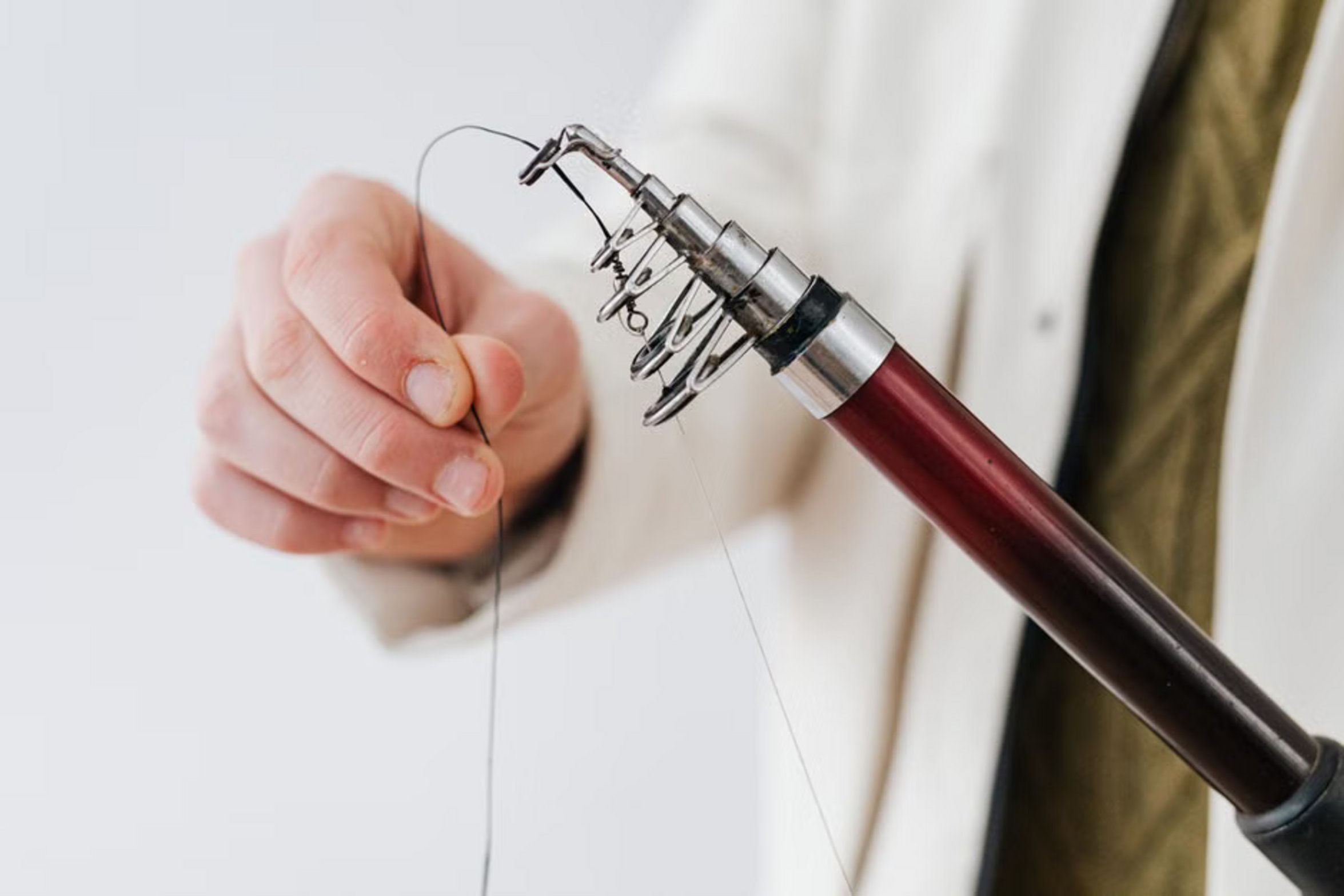
For open beach bottom fishing, the versatile Carolina-rigged set-up feature a weight that slides on the mainline with a swivel and leader attached above it. No need to change weights because this setup covers multiple water depths fast. When fish gets shallow, the weight sits on the sand with the bait hovering over it.
Drop them deeper? Simply slide your weight down or add lead. The way the hook looks doesn’t change; only your depth change.
For improved abrasion resistance on rock piles and oyster beds, use a fluorocarbon leader. Best of all, it’s simple: Tie one right and it fishes almost everywhere in just about any condition. When fishing the surf break it’s important to place your casts precisely and be patient.
The breaking wave churns up sand, which forms a cloud that protects fish from predators above. In this protective area, schools of baitfish congregates. Larger predators such as whiting and pompano follow these baitfish.
To make your cast, aim for the spot right inside the break. This is where the wave starts to push back onto itself and causes foam to roll back on itself. Let the wash pull your bait slowly back in towards shore while keeping it moving.
Your goal is to put your bait in striking range while avoiding tangling in surf. Find a productive school and you’ll likely hook several fish in short order. A light fishing set up is much more fun, and tends to produce more action as well.
3. Switch to light tackle gear
With heavy equipment, you will be unable to feel the bite of a wary fish. Lighter rod and 6 to 8 pound test line let you feel even little taps on the bottom. And it transforms the battle into an event instead of a grind.
If you get a good trout or redfish to bite on light tackle, you have an opportunity to enjoy the game by playing the fish correctly. Do not just wind it in. That’s especially true when target species tend to not be super aggressive biters.
4. Know the legal size limits
The light is low. Because predators feed primarily by sight, they’re more comfortable attacking in low-light conditions. So your greatest chances will come during first and last few hours of daylight.
Early mornings before sunrise tend to be prime periods for finding active fish feeding close to the bank. Sunset also offers another time when fish will hang higher in the water and move shallow again. If you want to fish deep later into the evening, make sure to carry appropriate lighting.
As important as catching numbers is staying safe while fishing in low-light scenarios. Staying up-to-date with state laws helps avoid expensive errors back home. Bag limits, size limits and more differ greatly from state-to-state and even from one part of coast to another.
Redfish size limits fluctuates as conservation requires. If you’re not sure about the legal limit, always have a measuring board handy to confirm your catch before releasing it. Not doing so harms the fishery in the long run and taints trip experiences for all.
Take a moment to ensure you know the current laws so that you’re only keeping what you should be taking home. It’s good for you and the resource you rely on. Use your eyes to spot good looking stretches of beach while scouting it from afar.
The darker spots are generally deeper holes with rips or channels running through them. That’s usually where the bigger baitfish will be and the predators following them. Unless the tide is extremely low, don’t cast on top of the white sandy flats.
Focus on mouth of the tidal creek or outside edge of sandbar instead. You can use visual clues to find structure under surface. Take 10 minutes to walk beach prior to setup; it’ll pay off throughout the rest of the day.