
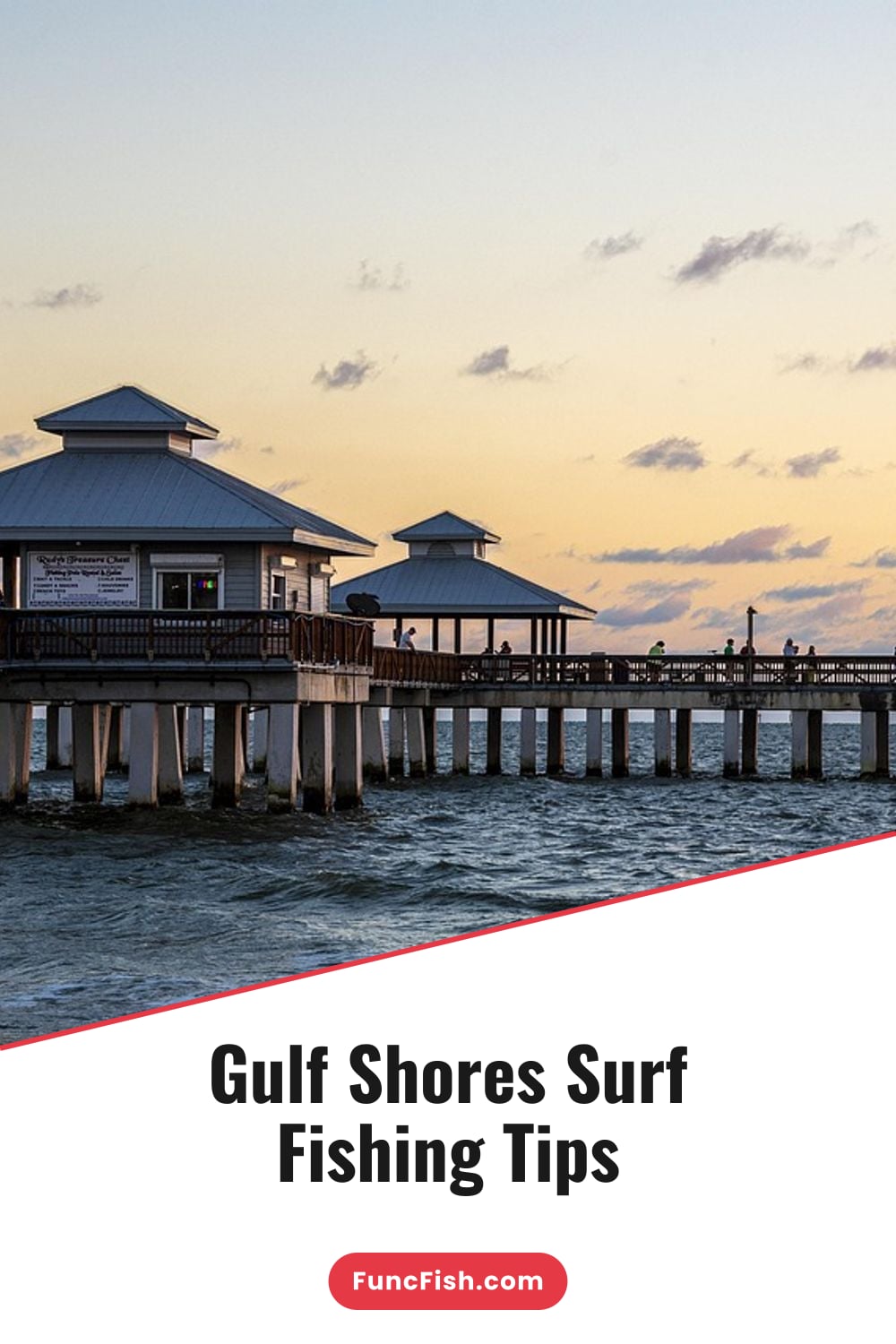
On the Gulf Coast, surf fishing is not very technical, but it does require patience and a rhythm. It’s standing in warm sand as water sweeps your line away. It’s not like cold northern waters that demand technical perfection.
Because of easy access on beaches from Florida to Alabama, a lot of anglers start here and make some expensive mistakes. Honestly, there is no reason you can’t catch pompano, speckled trout, and even red drum without a boat. All it takes is to realize that ocean is dynamic.
The fish is hidden in certain locations that demand attention. What most angler miss is they approach each beach as if they were all alike. They don’t study the tide charts.
They just pick the wrong spot based off convenience rather than structure. And then they cast cast cast but never test for bait. Here is some insight from my personal experience walking those beaches that can translate into practical adjustments for making the most of your next dry spell.
I’ll cover reading the water, standing in the right place, and using proper bait so you can stop guessing.
Essential Tips for Successful Gulf Surf Fishing
1. Select Spots by Bottom Structure

Rather than parking lot proximity, select a place by its bottom structure. A flat beach without any kind of depth change doesn’t provide cover, and therefore won’t produce fish.
For shoreline structure, find those areas with deepening pockets, channels, rips, sandbars. Those becomes baitfish highways, and where predators go. See the darker channel cutting across the lighter waves?
Stand there. That’s the biggest pre-untangle-your-line choice.
2. Use Heavy Fluorocarbon Leaders for Structure
Don’t match leader strength to size of fish only but also the type of habitat.
Soft leaders gets shredded on hard structure and oyster beds where red drum tuck into cover. If fishing for big trout or drum around structure, use a 30 to 50 pound fluorocarbon leader. On the other hand, pompano will feed a little lighter out over sand flats.
But even then going with tough stuff avoids your getting snagged by those unseen oyster beds. Weak leaders are the number one reason anglers come home empty-handed in the Gulf, so erring on the side of durability saves you from losing your best rig to an invisible oyster bed.
3. Choose Live Shrimp or Cut Mullet Bait
The primary bait choices includes live shrimp and cut mullet.
In dirty water, these baits gives off a good scent trail to draw fish from a distance. Live shrimp are great choice for sheepshead and trout, since they tend to stay alive on the hook. Cut mullet offer a big hunk of meat that resists smaller nuisance fish.
If you don’t have access to fresh bait, frozen works too but fresh or live tends to outperform frozen.
4. Fish the Rising Tide Two Hours Before High Water
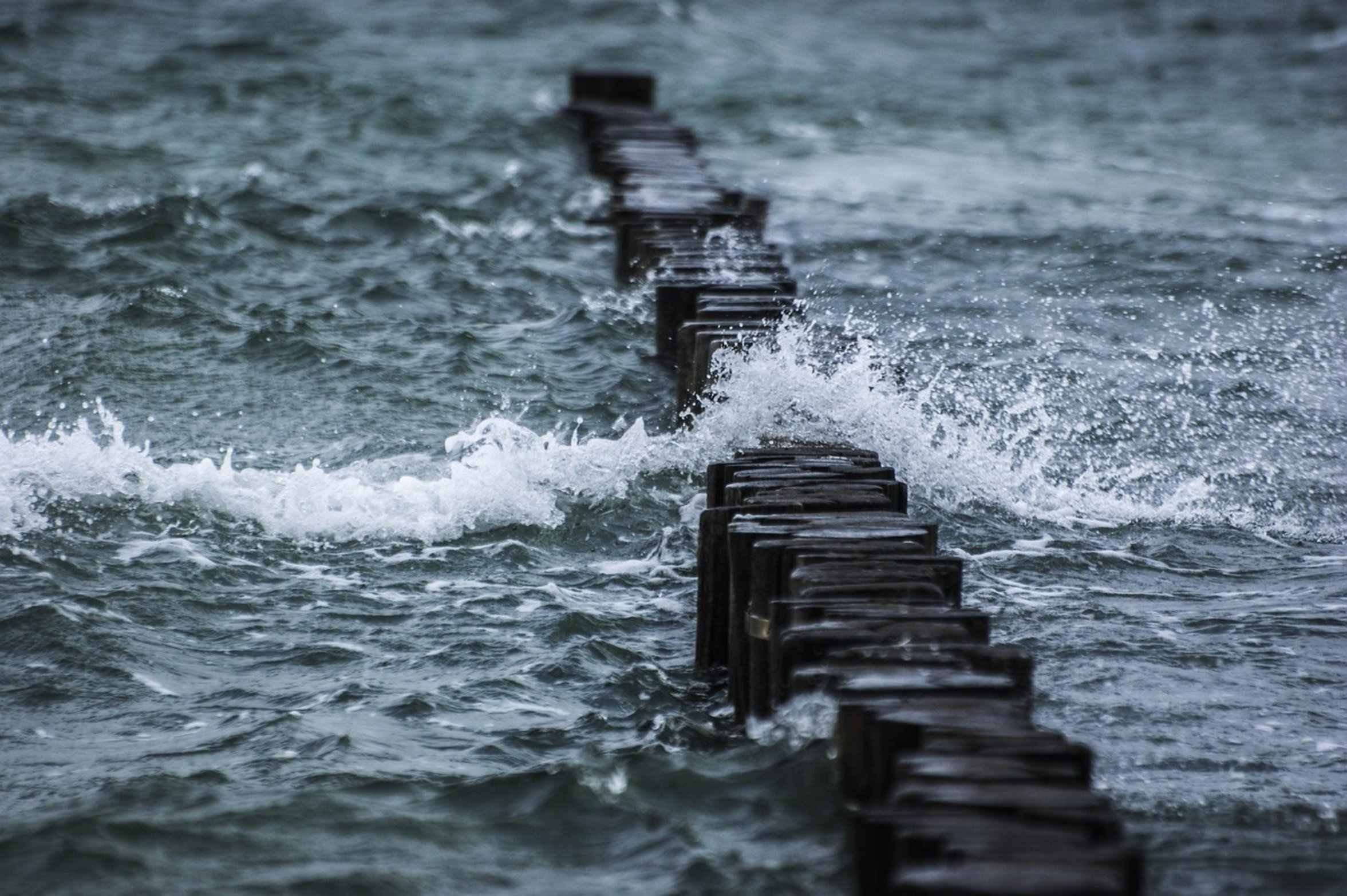
Cast your line on the rising tide, not the falling tide. This shift in timing makes all the difference.
Baitfish are washed up on the shore as water levels rise and that’s when predators slide onto the beach chasing their prey. When water recedes, it takes the dinner buffet with it, there’s no food left in the shallows. Two hours prior to high tide is about as good a time as any to arrive on the beach for the best bite.
It’s something few angler do, let alone understand.
5. Tighten Line on Cast and Add Subtle Twitches
Tighten your line on the cast and let it go slack on the retrieve. Speckled trout are picky and like a slower moving bait; reeling too fast will spook them.
Let the bait rest on the bottom for a second or two to allow a fish time to check it out. After thirty seconds if no one bites, add two or three subtle twitches to imitate an injured shrimp. Retrieving speed doesn’t sell the bait as much as how you move it.
Be as patient while waiting as you are while retrieving.
6. Keep Distance from Other Anglers
Keep your distance with other anglers Instead of fishing near other people, hang back and observe how they is doing. You don’t have to fish right next to someone who is catching fish; just watch where they cast to see if those spots is good.
If you notice multiple angler grouped together and they’re all catching fish, go 50 yards in either direction rather than standing next to them. Chances are there are stretches of fish along these channels. So while you aren’t necessarily cutting them off on the same spot, you can still enjoy the resource.
It is a subtle social strategy that pays dividends.
7. Anchor Your Rod for Stability and Sensitivity
Get your feet planted… Stake yourself out good or use a rod holder.
That’s right, the Gulf surf punches hard and moving your rod back with each outgoing wave destroys your presentation. Sand anchors keep you locked in place. This lets you feel small bites that might otherwise be hidden by line movement.
Stability translates directly into sensitivity. You’re no longer fighting the shore when you’re grounded, you’re simply part of it.
8. Protect Yourself from Sun Exposure
Prep your gear but also protect yourself from the sun.
UV exposure is increased by the bright water and white sand. I see a lot of anglers get burned on their backs and shoulders if they’re not careful. Bring and use plenty of sunscreen.
Bring a brimmed hat and cover up in long sleeve UPF clothing. How long you remain dialed into your line is decided by your physical comfort.
If it’s uncomfortable, you won’t stay long.
Comfort leads to presence.
9. Check Current Creel and Size Limits
Know the Creel limit and Size Limit: Creel limits often change, as do size limits, in order to keep a system balanced and protect spawn population. Before hitting the water, make sure to check out the current rules.
A warden checking your cooler will not accept ignorance as an excuse. Keep a tape measure handy and understand what the slot sizes is on red drum and trout. This keeps the beach productive for your future trips.
It also stops you from accidentally keeping young fish that should of been returned to the water.
Surf fishing is more about reading the water than lobbing a line out there. Pay attention to what’s going on around you.
Understand how it all works. Be where the bait is. Be patient and make adjustments based off the day.
Surf fishing tips are structure, bait, time and patience; they turn the odds back in your favor. Listen to the rhythm of the Gulf, and you’ll get your fill of fish. Choose smart spots, keep it simple and let the tide do the work.