
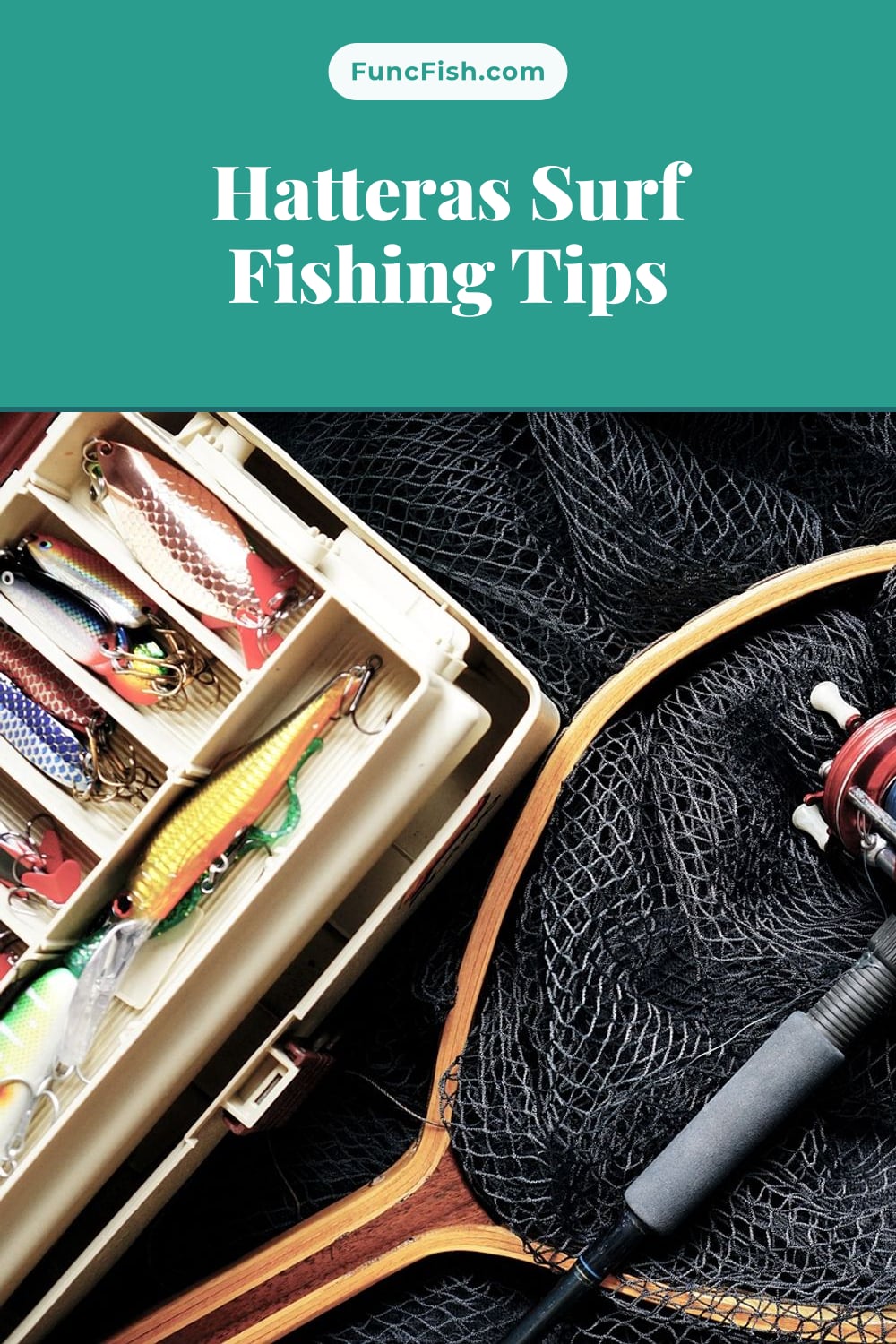
It’s hard work, really hard. Surf fishing along Hatteras Island is a way of dealing with raw power of nature. Here, the warm waters of the Gulf Stream collide with the cold Labrador Current.
The result: churning surf that’s a magnet for schools of baitfish. And those baitfish attracts predators. You’re standing on a barrier island constantly being reshaped by ever-changing currents and powerful storms, think hurricanes.
Waves pound into dunes that also shift quicky. It’s not easy; it’s gorgeous. But most folks show up armed for the calm waters found in protected estuaries or bays.
While their lines is being stripped by wind off their reels and their baits being pulled away from them, they stand there waiting. It is that lack of knowledge of area and proper prep that will make difference between a blank day and catching a limit of flounder or striped bass. The Ocean doesn’t really give a rat’s arse what you want to do.
But it reward those who are competent. Making a few key modifications will convert all of that chaotic energy into landed fish, so here are those tweaks. We’ll talk about how to read the water.
We will cover picking the right tackle for changing conditions, which can change hourly, and more. If you master these components, your line stay out of the rocks while keeping your bait in the strike zone. The number one thing to learn about fishing Hatteras is how to read the bottom structure.
Essential Tips for Surf Fishing on Hatteras Island
1. Reading the Bottom Structure
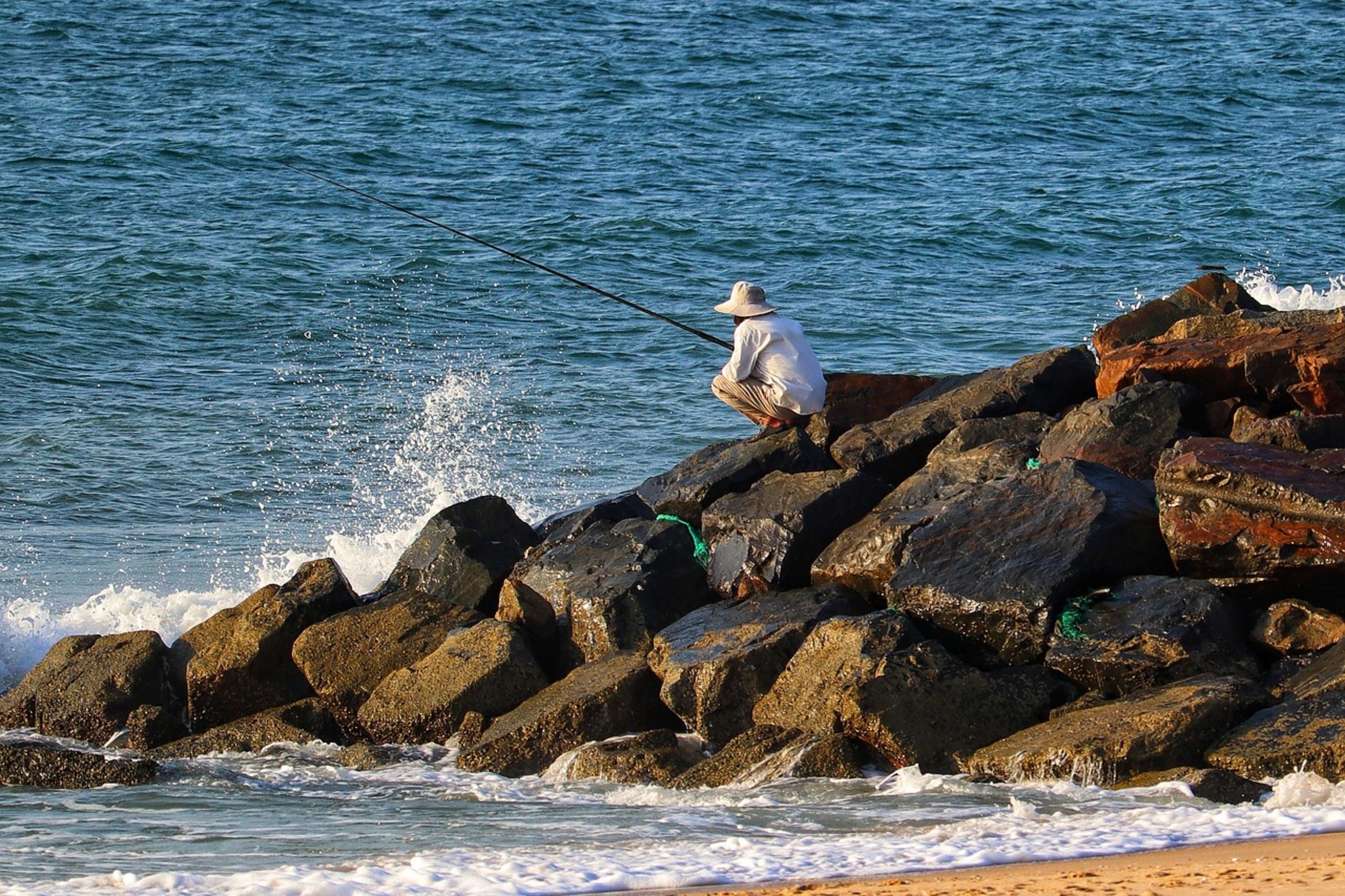
Before you even pick up a rod, you need to be able to read what’s on the bottom. Without knowing what’s down there, you have no idea where the fish will be positioned. Pick up a sinker heavy enough for it to touch bottom in short order and let it drag along the bottom.
Letting it go free means you’re over sand. Dragging or catching means you’ve found oyster beds, rock or other shell bottoms. These are harder bottoms preferred by striped bass as well as flounder.
They concentrate their prey and gives them places to hide out and ambush. When you hit that type of bottom put a mark down on your chart or plant an imaginary anchor in your head.
2. Timing Your Casts with the Tide
One thing you absolutely cannot neglect here is timing your casts with the incoming tide.
As the outgoing tide moves fish toward deeper water, they often head out, lose interest in feeding, and spread out a bit. An incoming tide pushes baitfish up the surf, triggering some pretty aggressive predation. That rising tide also expose new sections of the beach and pushes food back into shallow water where bigger fish aren’t far behind.
Cast when the water is moving in with power. It may only be an hour but that’s when it’ll happen.
3. Using Heavy Weights in Strong Currents
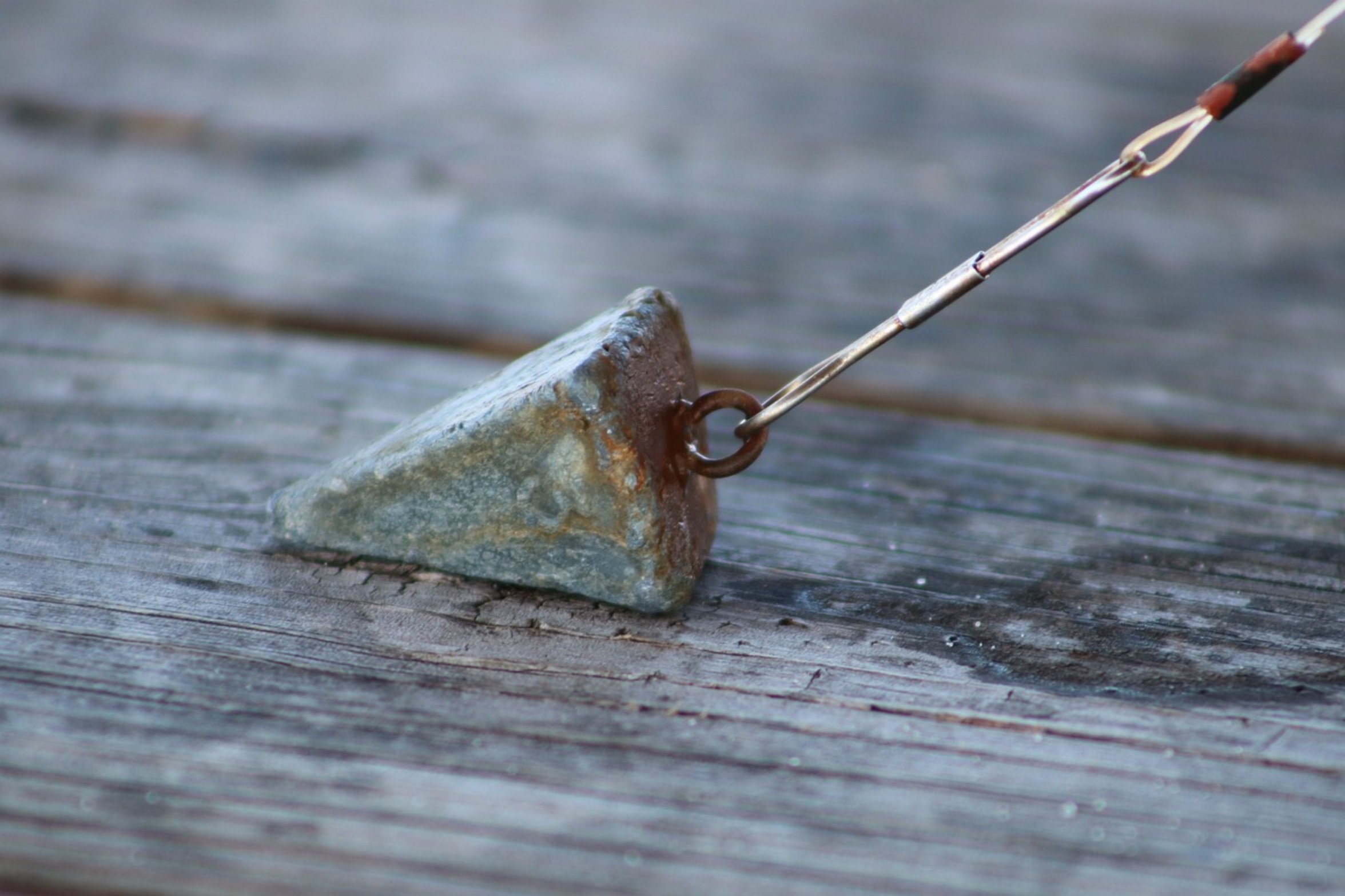
A heavy weight isn’t optional, it’s essential for maintaining bottom contact in the surge as well as keeping your bait alive in the current.
Bank or pyramid sinkers of at least four ounces are mandatory, sometimes heavier depending on size of swell and strength of wind. Your weight needs to be light enough to detect a bite on your rod tip but heavy enough to maintain bottom contact even with the surge. If you’re fishing with lighter weights, your bait is likely sitting too far off the bottom and out of reach of the feeding fish.
4. Choosing the Right Bait for Striped Bass
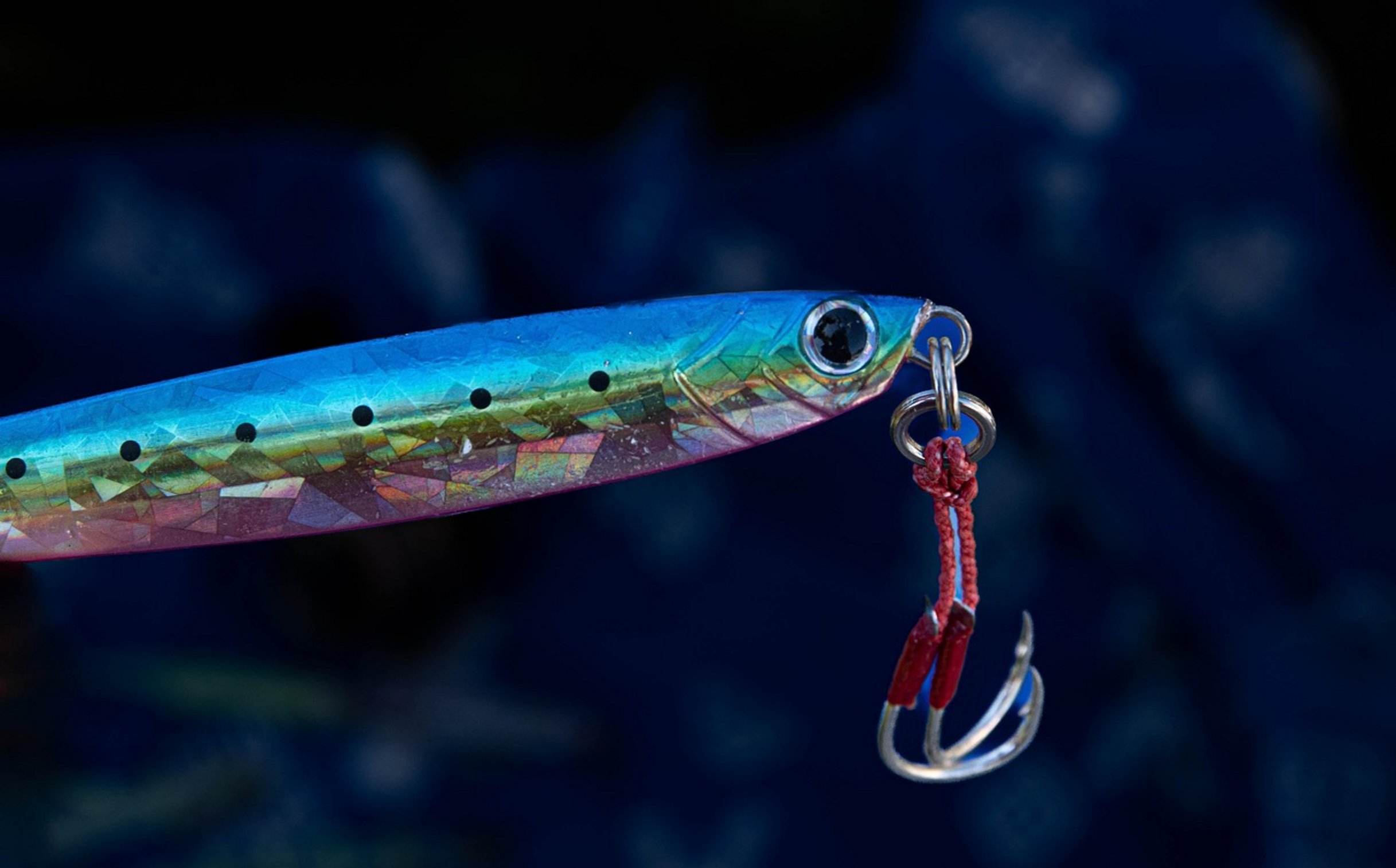
The best bait is cut-up mackerel, which remains the top choice for trophies. When you’re fishing for big striper you want something that is going to hold onto your hook for a while and resist being torn apart as it’s drifted out by the current. You also want it to have a scent trail that will draw fish from further away.
The oily flesh releases scent trails that attract fish from a distance. Make sure to cut it into large pieces versus smaller ones. Big hunks stays on the hook longer and seem to appeal to the larger fish who are more likely to feed on a hefty meal.
For flounder, whole pinfish or live shrimp will be effective, but mackerel is the ticket when it comes to stripers.
5. Angling Your Rod Tip for Sensitivity
The angle of your rod tip is very important, as it dramatically affects sensitivity. Laying your rods on a beach chair flattens them out and dulls vibration, which makes it hard to detect slight bites.
Simply prop your rods with the tip angled upward towards the sky, at least a forty-five degree angle. This will tighten the line between water surface and the reel seat. A tighter line sends shock waves from a fish strike better.
You’ll be able to feel tap tap taps you normally wouldn’t notice and set the hook before the fish spits the bait out.
6. Identifying Deep Channels and Rips
Where you cast can make the difference between a full cooler and an empty one. Big stretches of sand on a beach are not good places to cast; look instead for places like rips or channels or spots where the wave breaks unevenly.
These spots signal a deeper area near the shoreline. They act as a natural highway for baitfish to travel and a place where fish group together to feed because it takes less energy than get food. Before you set up, scan the beach with your eyes.
A darker patch of water will signal a channel that holds deeper water and should be targeted.
7. Protecting Line with Wire Leaders
Wire leaders protect your main line from wear caused by rocks and sharp-toothed predators. If you’re not careful, striped bass will cut through both monofilament and braid line with their teeth.
Simply add a few feet (six to eight inches) of stainless steel leader material between the swivel and your main line. This small addition eliminates those costly break-offs while dragging gear across rough bottoms and during fights with big fish at the surface. It is an inexpensive insurance policy that pays for itself with each landed bass.
8. Practicing Patience and Spot Selection
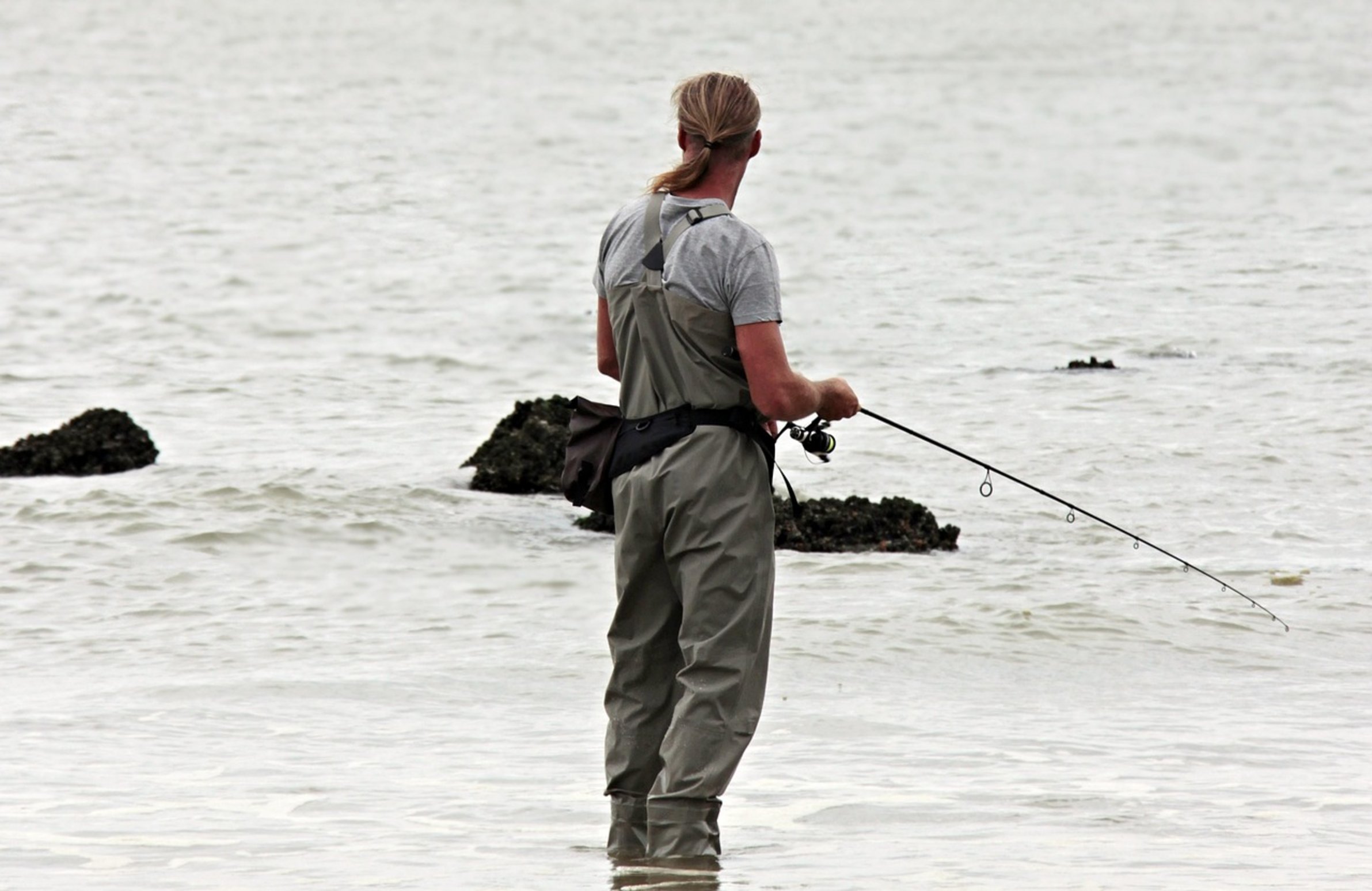
The toughest discipline on the beach might be patience. The wind changes, the waves swell, and light fades; it can turn on a dime. You’ll wait two hours for one bite.
Making frequent bait changes and moving spots will kill your success rate here. It’s so big out there that fish has to find you, which takes time. Ride out the tide window when the bite is good.
Hatteras rewards those who understands it and respect it. Fishing here is more of a negotiation than anything else. It’s a dance between you and the ocean.
Pick the right structure. Use the proper weight. Cast at the correct time in the correct tide.
Do all these things right and the ocean will reveal some of its riches to you.