
Kayak fishing delivers anglers a unique experience that is entirely different than other types of fishing. While fishing from a kayak, the angler is very close to the waters surface. Kayaks can navigate shallow and backwater areas that larger boats cannot enter.
Since kayaks dont have engines, the fish do not hear the engine of a kayak. Furthermore, the angler can feel the movements of the fishing line. However, kayaking requires more effort from the angler as compared to standing on the deck of a fishing boat.
Additionally, if the angler move incorrectly on the kayak, they may fall into the water while still fishing. There is a tension between the serenity of kayak fishing and the risk of the environment. These two opposing aspects are the reason for the growth of kayak fishing as a sport.
Mastering the following principles will allow anglers to catch more fish, to avoid injuries, and to enjoy the sport even during bad weather conditions. Anglers have gained these lessons through years of experience kayaking in a variety of environments. These lessons have saved anglers from losing their fishing gear, avoiding falls into the water, and transforming slow fishing days into successful days.
Essential Tips for Successful Kayak Fishing
1. Choosing the Right Kayak for Your Environment
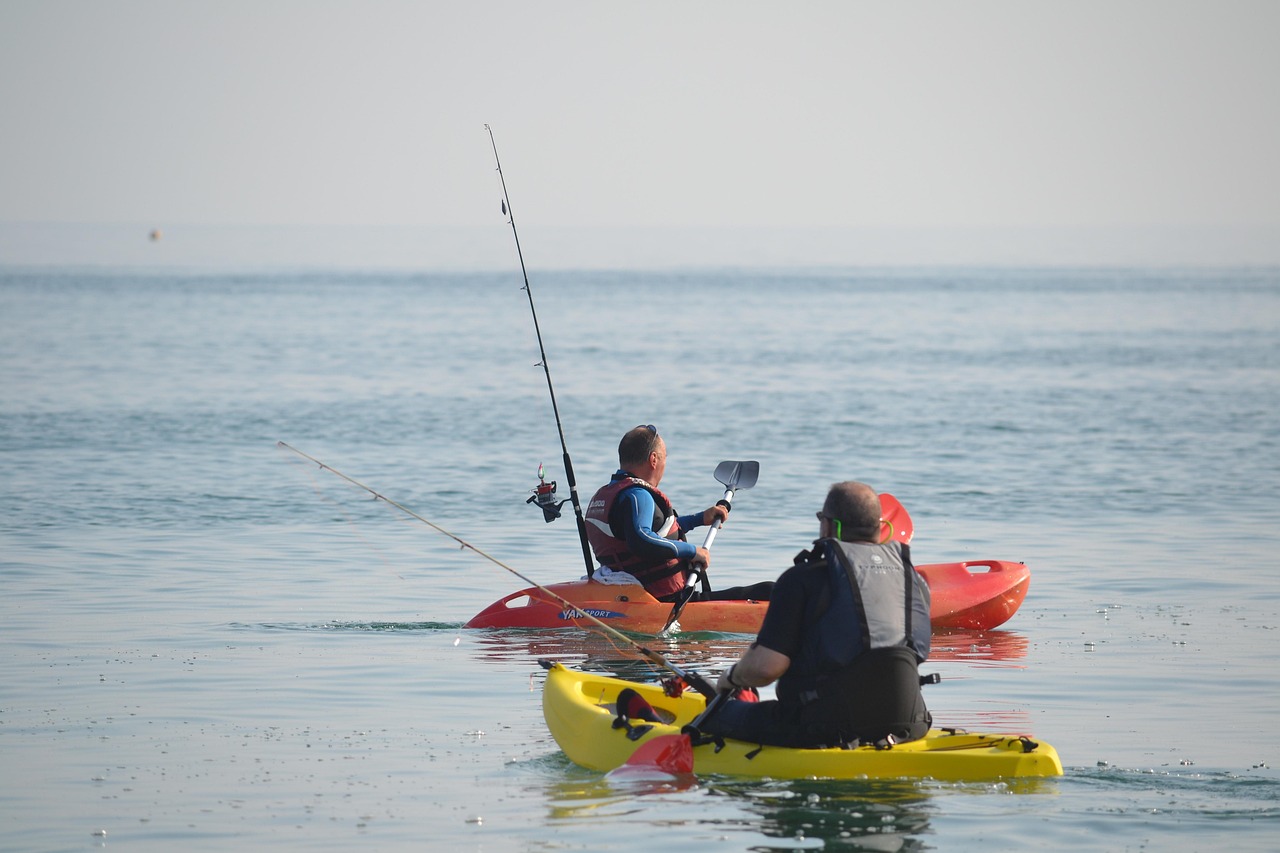
Choose the right kayak for your fishing environment. Sit-on-top kayaks with flat bottoms are appropriate for calm lakes and rivers. However, flat bottoms present a problem in that they will catch the wind, which is an uncontrollable force for the kayaker.
On the other hand, narrow touring kayaks are more challenging to maneuver and require continuous corrective paddling to maintain the kayaks direction. Kayaks with a twelve-foot length and modest V hull entries allow anglers to stand while fishing. Before purchasing a kayak, test paddle kayaks to find the right kayak for your fishing environment.
2. Selecting the Perfect Paddle
The paddle a kayaker chooses is more important than many beginning anglers realize. A paddle that is too long may result in tired shoulders after one hour of kayaking. A paddle that is too short will waste the anglers energy when rowing.
For kayakers, a 230-centimeter paddle length is best when the angler uses a sit-on-top kayak that positions the angler’s hands at eye level. Kayaks with asymmetrical blades are beneficial for two reasons. First, the asymmetrical blades will slice more cleanly through the water.
Second, there will be less splashing with these kayaks, which will allow the angler to avoid startling the fish that live near lily pads. Kayakers should keep a spare paddle on the kayak using bungee cords. Losing one’s only paddle while two miles from the ramp can transform a pleasant fishing experience into an expensive ordeal.
3. Essential Anchoring Systems
Anchors and anchor systems are essential kayaking gear. Anglers use anchors to avoid drifting away from the areas where the fish live. A stake-out pole allows anglers to fish in shallow areas without making any noise that may scare the fish.
In deep water, anglers can use a folding grapnel that is anchored from the stern of the kayak on a short tether. The grapnel keeps the bow of the kayak pointed into the wind so that anglers are drier and can comfortably cast their lines. Anglers will use a quick-release system on their kayaks’ anchors in case a large fish swims under the kayak.
Being attached to the bottom of the water will ruin the fishing experience if a large fish pulls on the fishing line.
4. Correct Body Positioning for Stability
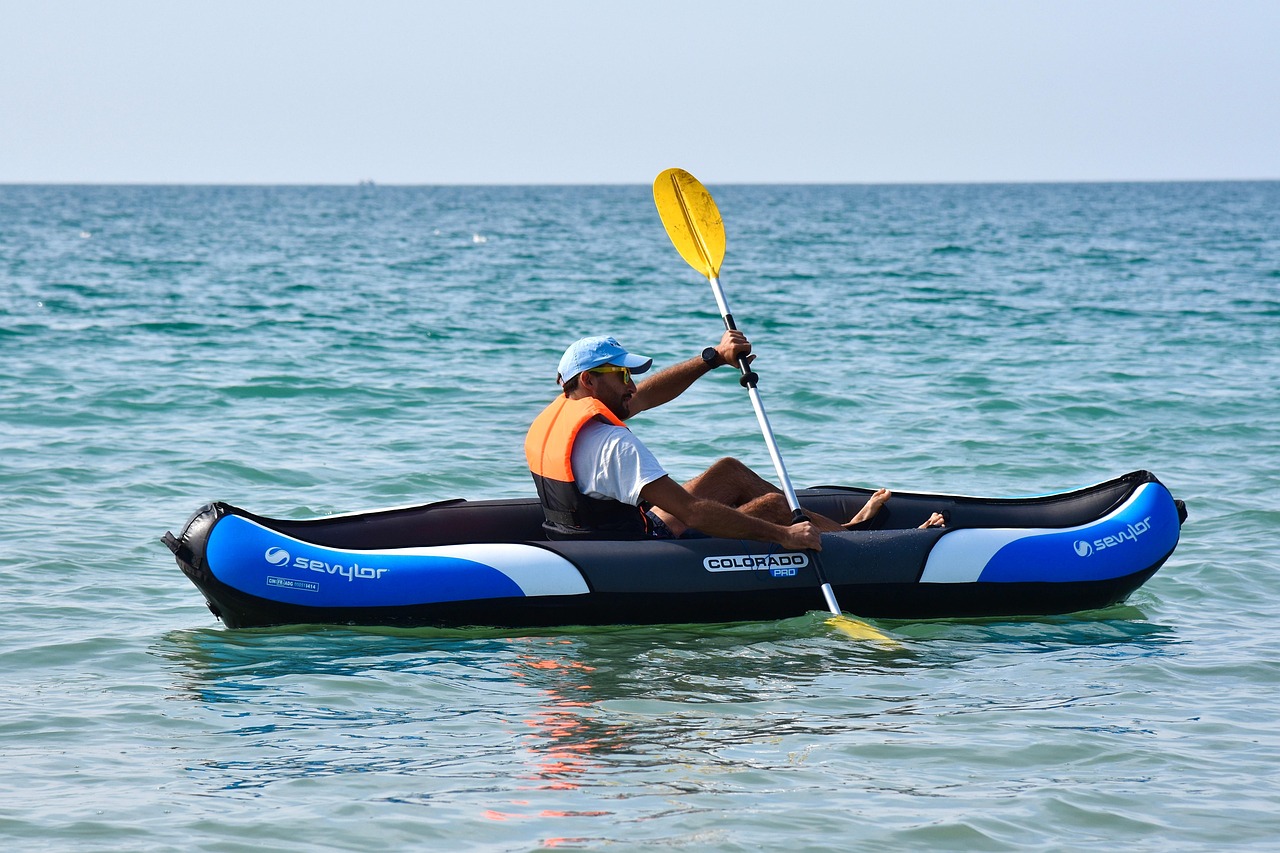
Positioning the body correctly on the kayak will transform it into a more effective fishing platform. Anglers should position themselves with their knees slightly bent and their feet placed against the foot pegs on the kayak.
Many anglers find themselves leaning away from the fishing rod when fighting a fish. This creates instability in the kayak. Instead, anglers should lean slightly towards the fish they are catching.
The hull of the kayak wants to roll under the angler when fighting a fish. The angler’s job is to keep the kayak upright. Practicing this position on the shore will allow anglers to remember how to position themselves when they are on the water fishing.
5. Using Compact Fish Finders
Compact fish finders use side-imaging that allow anglers to see underwater structures and bait balls that are beyond the anglers visual range. Anglers mount these devices on a ram arm to avoid the device from getting in the way when they are standing up to cast their lines. Using these devices requires angler’s skills to learn how to read the screen as the kayak is moving through the water.
For instance, if there is a stationary ball of bait on the screen, the fish have likely moved from that location. If there is a ball of bait on the screen that begins to scatter and rise up on the screen, the angler should stop paddling the kayak. The angler should drop their anchor and begin to use their fishing rod to catch the fish.
Using the screen allows anglers to see the area they are fishing without being overwhelmed by the information on the screen. However, the screen is only beneficial to anglers with experience reading the information on the screen.
6. Optimizing Tackle and Light Gear
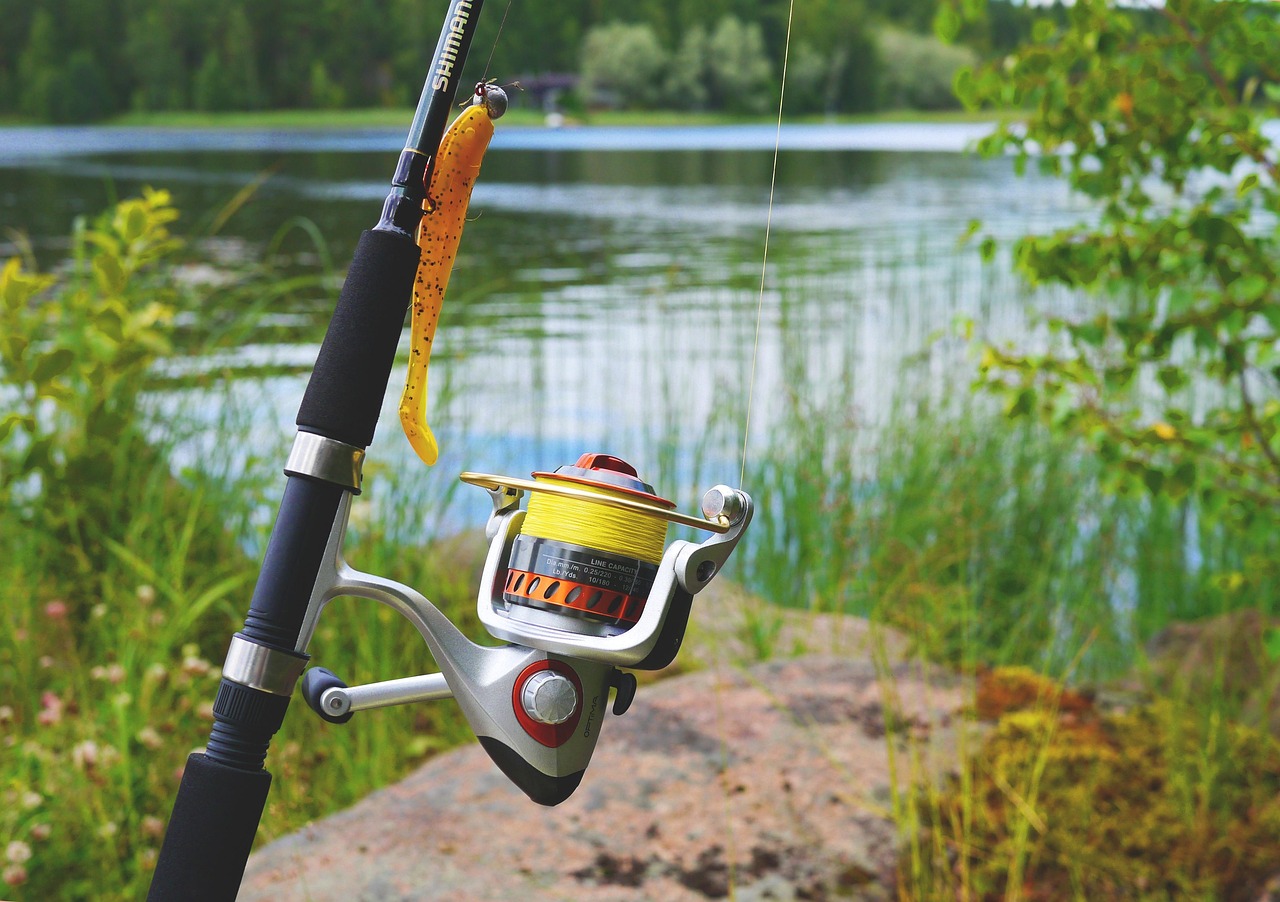
Using light tackle is more beneficial than heavy gear. A seven-foot medium-light spinning rod with eight-pound braid fishing line and a twelve-pound fluorocarbon leader line allows anglers to catch five-pound bass and feel if a tiny fish is eating a tiny jig bait. The shorter rod prevents the anglers rod from hitting the water when casting. Kayaks provide a narrow platform for anglers, so avoid hitting the water with the fishing rod.
Using braid allows anglers to feel the vibration of a fish that is bouncing off the bottom of the water. Braid lines are thin in diameter so they will not get caught in underwater vegetation the way monofilament lines will. Kayak fishing can be a solitary sport.
7. Required Safety Gear
Anglers fishing alone must have safety gear on board. An automatic personal flotation device will allow the angler to focus on fishing instead of being aware of the wakes in the water created by other boats. Anglers must have a waterproof VHF radio and phone in a dry bag on their personal flotation device in case the kayak flips into the water.
Anglers will find it difficult to right their kayak if the bilge pump is in the kayak. A bilge pump of the size of a small thermos will remove many gallons of water from the kayak before the water becomes dangerous for the angler. Anglers should place the bilge pump under the bungee cords so they can reach it when the kayak is upside down.
Although these safety accessories will be used infrequently while kayaking, they will be necessary for the anglers safety.
8. Understanding Water Patterns and Fish Habitats
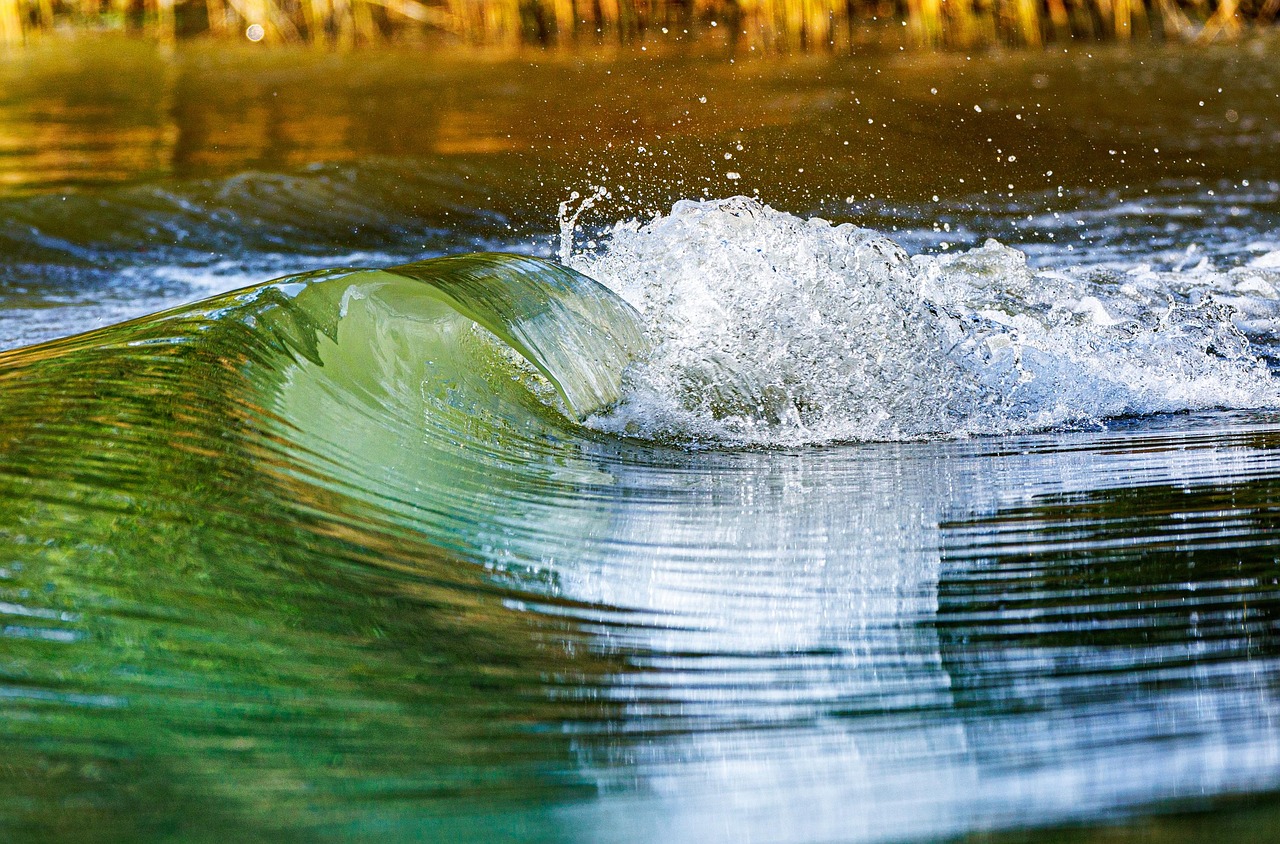
Understanding the water will save an angler from casting their line into empty areas. Pay close attention to the changes in the water.
These areas will contain the fish. For instance, fish love to stay in the sand-into-rock transition zones. Similarly, fish like to stay in the areas where the water current meets still water areas.
Furthermore, fish like to stay in the shadow zones created by trees in the water during sunrise and sunset. Anglers should spend the first thirty minutes on a new body of water without using their fishing rod. Anglers should look for downed trees, patches of duckweed, and changes in the color of the water.
Anglers should fish in these areas once they return to the kayak. By fishing in these areas, anglers will catch more fish and expend less energy. Kayak fishing has limitations.
Kayaks cannot replace bass boats that travel many miles in one day. However, if anglers think that a kayak can replace a bass boat, they will end up exhausted after one day of kayaking. Kayaks are best for fishing in small areas that other boat types miss.
Kayaks can cover more water at dawn and dusk. Fish are very active during this time of day. If the fish stop biting while on the kayak, angler should paddle to a different location instead of fighting against the wind in open water.
Kayak fishing rewards anglers who are patient and understand the water better. When mastered, the kayak will no longer feel like a compromise between different types of fishing activities. Instead, it will provide an angler with an advantage in their fishing sport.
Furthermore, while anglers go fishing on a kayak at first light of the day, there will only be the sound of their paddle against the water and the calls of water birds. All of the gear and techniques that anglers use will assist them in maintaining these peaceful moments on the water for longer durations of time.