
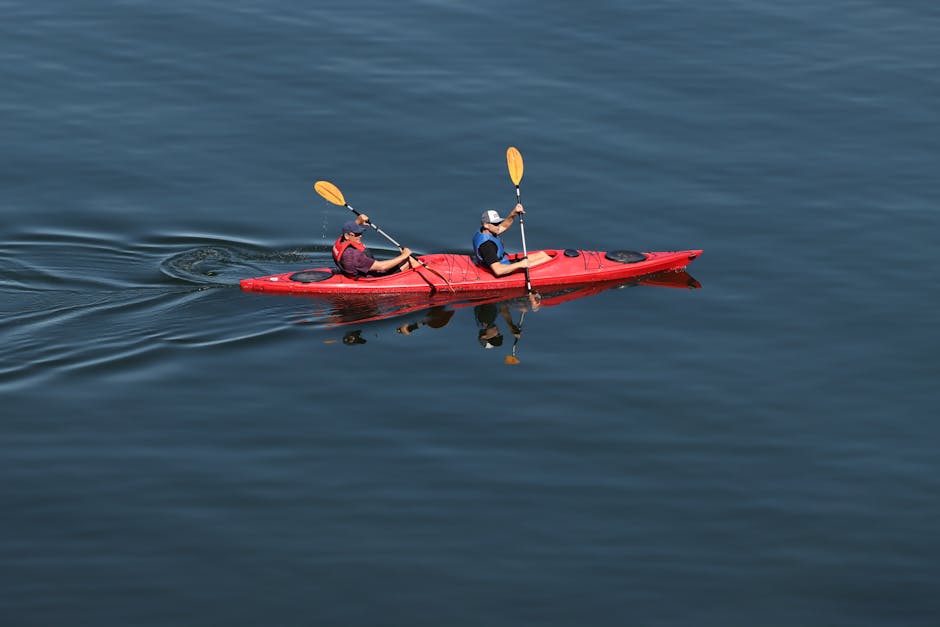
Kayak fly fishing require specific equipment and techniques due to the unique way in which the kayak present challenges for the individual angler. The kayak that is use for fishing should offer both stability and movement. Touring kayaks are good for larger lakes, but their inability to turn quick makes them challenging to use when targeting fish that is hiding near structures in the water.
Instead, sit-on-top or short recreational kayaks offers the stability to shift the angler’s weight to cast the line without fear of the kayak flipping over. Kayaks that are 12 foot in length are often the preferred length for anglers targeting fly fish because they offer the best of both worlds: they are maneuverable and have enough space in the kayak for a cooler and a net. While a 12-foot kayak may be slower than a touring kayak, the ability to control the kayak while fishing for fly fish is more important than speed.
Essential Tips For Kayak Fly Fishing Success
1. Effective Casting Techniques
The casting techniques for kayaks will be different from those practiced on the ground due to the obstacles created both by the kayak and the environment in which the angler will fish. Overhead casts can be dangerous within the kayak as the cast line has the potential to hit at both the angler’s low hanging branches or the kayak itself. Instead, you can use roll casts and sidearm deliveries.
The angler should practice the single-handed roll cast so that it can be performed automatically while on the kayak; this cast will be used frequently when retrieving the line without hitting either the kayak or underwater vegetation. When performing a single-handed roll cast, the angler should keep their elbow close to their body when casting and use the wrist rather than the shoulder to cast the line. This will keep the fly away from the anglers head and the line clear from the water.
2. Anchoring Methods for Kayaks
Due to the limited ability of kayaks to move from place to place while on the water, you should carefully consider anchoring techniques. Traditional anchors may be difficult to use within the kayak as the anchor may cause the kayak to swing in the water. Instead, you can use stakeout poles in areas that are shallow enough to allow the stakeout pole to hold the kayak in place without causing it to swing like a pendulum.
For deeper waters or moving rivers, drift socks can be used or you can gently paddle the kayak to the desired angle. The purpose of anchoring is to allow the fly to be presented in a natural way so that the fish do not become accustomed to the movement of the kayak; fish will often notice if the kayak is moving unnaturally. Due to the low position of the angler when fishing from a kayak, different flies can be targeted than when fishing from the ground.
Slim and sparse flies are used because they will push less water and land more soft on the waters surface. Flies like Clouser minnows, foam spiders, and unweighted nymphs are used when fishing from a kayak. Brightly colored flies should be avoided because the fish that are only a few feet from the angler may recognize the bright colors and become spooked of the presence of the angler.
3. Managing Fly Line and Gear
Instead, the angler should keep an eye on the leader of the fly; any sideways movement in the leader indicates that a fish is interested in the fly being cast. In order to fish from a kayak, you must manage your fly line. Your line should not become a hazard for yourself while fishing.
Your line should not wrap around your feet, your kayak cleats, or your kayak paddle. You should utilize a stripping basket to keep your line from falling overboard. Additionally, you should always watch your feet to ensure that you do not step on your fly line; stepping on the line can cause you to lose the fish that you are trying land.
4. Strategic Positioning and Approach
Your positioning on the kayak is critical to your success when you are fishing from a kayak. You should approach your fish from the downstream direction to avoid scaring the fish. Utilize the natural wind and current moving through the water to aid you while fishing rather than fighting against these elements.
On still water areas during the morning, drift with the breeze and utilize quartering casts to fish ahead of your kayak. When you utilize the natural elements to aid you in fishing, your kayak becomes a moving blind so that the fish will see your fly before they see your kayak.
5. Essential Fishing Tools
When you go fishing from a kayak, you should only bring the tools that you need.
Bring a short handed net with a magnetic release so that you can utilize both of your hands when you are fishing. Utilize forceps that is attached to your lanyard so that they do not fall into the water. Bring a small waterproof bag to hold your phone and keys.
Avoid bringing a large tackle box because it will add unnecessary weight to your kayak. Instead, bring a small box with the fly that you will use while fishing. Understanding the movement of the water while you are on the kayak is important while fishing.
6. Optimal Fishing Times and Locations
Fish tend to feed more often in areas where the water is moving at a moderate speed. On areas like tidal flats, arrive at your fishing spot one hour before the tide comes into the flats. When fishing on rivers, fish during the last two hours of daylight; the insects that fish eat tend to hatch during the last two hours of daylight.
Additionally, twenty minute of fishing in one spot can yield better results than fishing for many miles on the kayak.
7. Safety and Environmental Responsibility
Safety is a requirement of all kayaking anglers. Always check the weather forecast for the day that you will be on the water twice to determine how the wind will affect your kayaking trip.
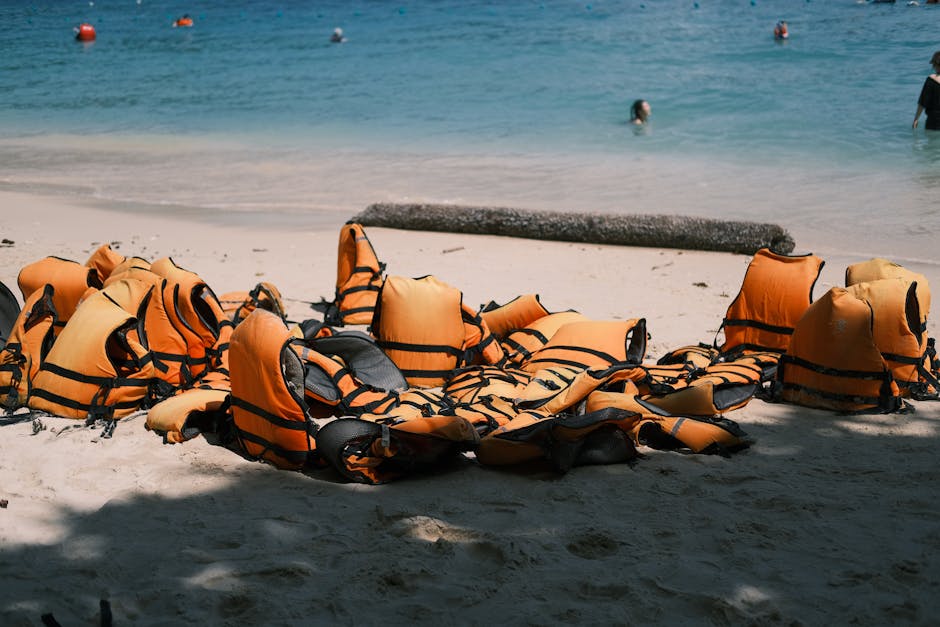
A headwind will make it more difficult for you to paddle back to where you launched your kayak. Always wear a personal flotation device at all times when on the water; this will in case you fall into the water. Bring a whistle and a waterproof headlight to supplement your vision in the water and to aid you in case of an emergency.
Finally, always respect the water and other individuals that use the water that you are fishing on. Always release the fish quickly utilizing hemostats; this is the best way to release the fish instead of utilizing your hand. Do not walk on the vegetation while fishing on the water to minimize the environmental impact that you can make while fishing.
By following these instructions, you will effectively manage your kayak and its gear. When you effectively manage your kayak and its gear, you will experience more successes on your fishing trip.