
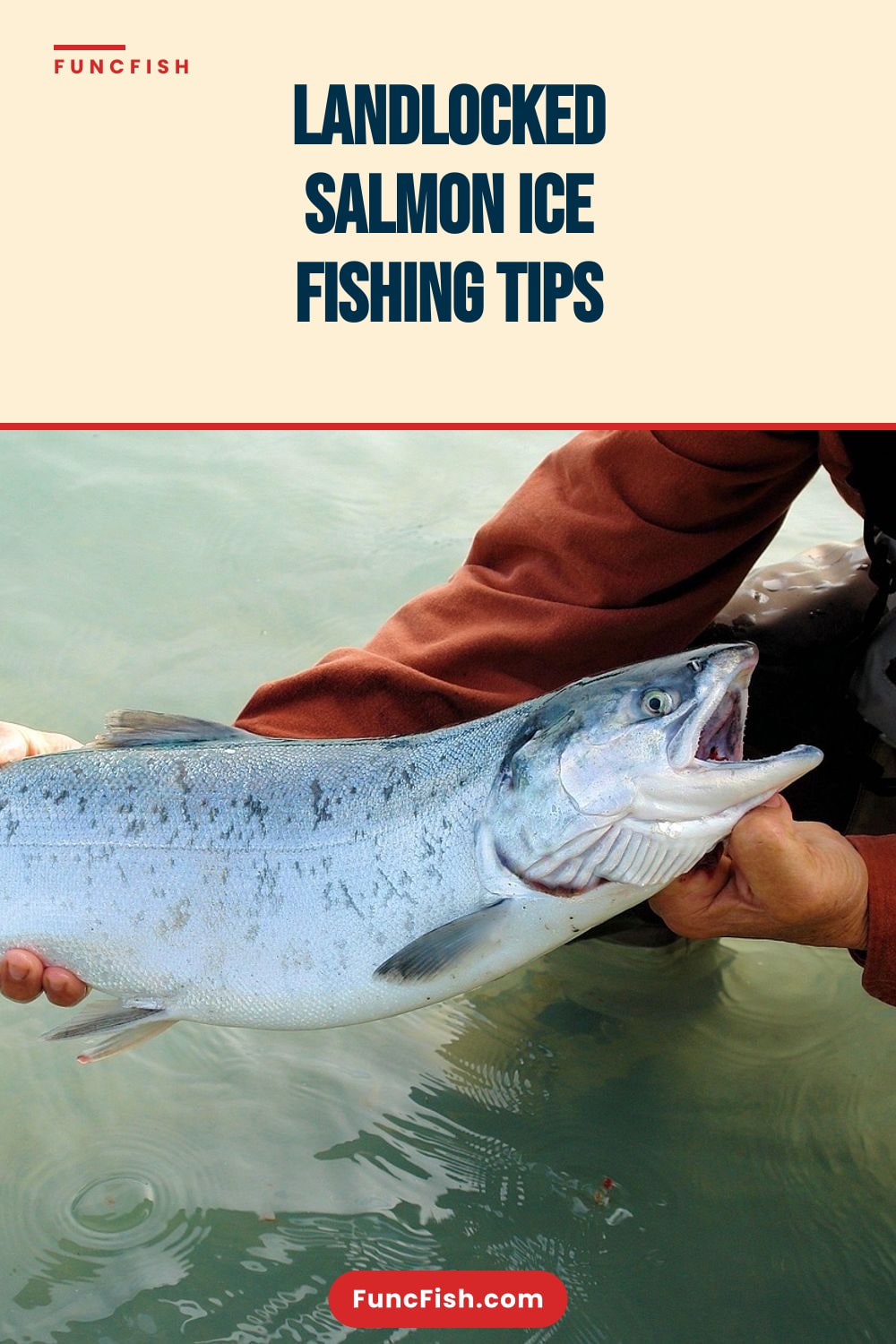
Ice fishing for landlocked salmon is an activity that many people considers to be one that requires a certain level of skill for those who is knowledgeable of the process of landlocked salmon fishing. Landlocked salmon are fish that became landlocked within the freshwater lake following the last ice age. The landlocked salmon species, however, still have the same strength and appearance as there ocean-dwelling relatives.
When a person drops a fishing line into the ice lake, the land becomes quiet to the noises of the frozen ice or the cry of a raven overhead. Furthermore, when the tip of the fishing rod begins to move beneath the ice, the angler is connected to a landlocked salmon fish that is powerful enough to provide a challenge for even the most seasoned of anglers. Despite the fact that the landlocked salmon has never set foot in the ocean, it acts as if it has remembered the tides that roll in and out of the ocean territories of the salmon.
The cold temperatures impact the fishing process for landlocked salmon. Landlocked salmon, also referred to as ouananiche in some regions, live at specific depths in the water. Furthermore, these fish is sensitive to small movements in the water and will require patience from the angler to encounter the fish.
Should the angler make any mistakes with the depth of the dropped fishing line or the type of bait that is used, it is likely that the angler will not be successful in they’re attempts to catch the landlocked salmon fish. However, should the angler utilize the correct depth and the correct types of bait, the angler can experience success in their fishing trips during the winter months. The tips that will be provided on this topic of landlocked salmon fishing were gathered over the years while using tip-ups and augers in the numerous lakes to locate the landlocked salmon fish.
The information will begin with the most basic techniques for fishing for landlocked salmon and will develop to more complex techniques. Furthermore, each of the techniques will be built upon the previous technique as there is no one trick to landing a landlocked salmon fish but instead in the successful use of a system of techniques. One of the first steps to take when fishing for landlocked salmon is to select the correct type of fishing rod and fishing line.
Effective Techniques for Catching Landlocked Salmon
1. Select the Correct Fishing Rod and Line
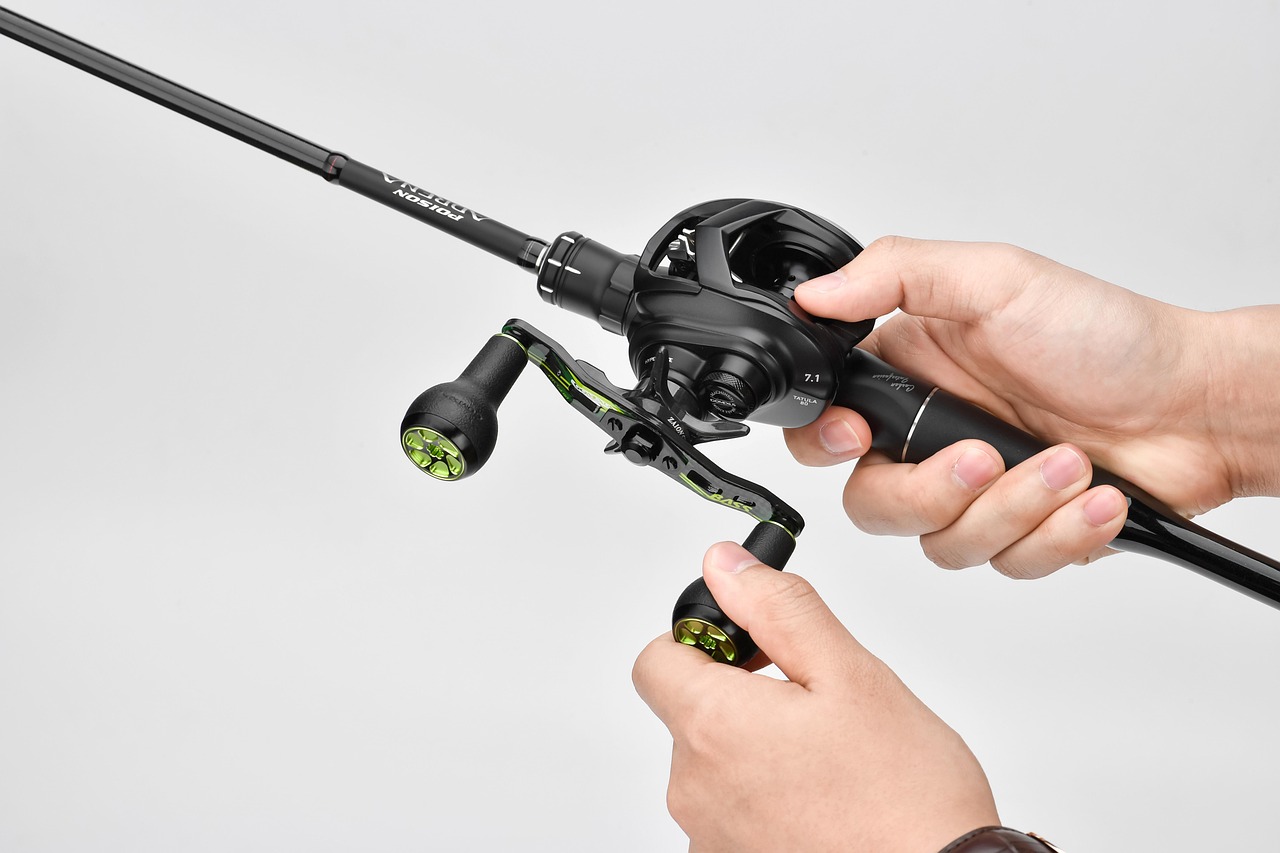
Landlocked salmon live between depths of 20 and 60 feet in the water. The depth at which they live within the water can vary with the specific lake in which the angler is fishing for the fish and the time of year within the winter months. Therefore, an angler should use a medium-light fishing rod between 30 and 36 inches in length.
The medium-light fishing rod allows the angler to feel the bites from the landlocked salmon fish while also providing enough strength in the rod to turn a landlocked salmon fish that weighs between two and three pounds. Furthermore, the fishing line should test four pounds in strength. Using the fluorocarbon line will allow the angler to see the lure to the landlocked salmon fish since the water is clear and contains very little light penetration due to the snow cover.
Using the monofilament line is an alternative method but the monofilament lines will stretch which makes it difficult for the angler to feel the taps on the fishing line from the landlocked salmon fish investigating the bait. Following the purchase and preparation of the fishing gear, the next technique that the anglers can use to catch landlocked salmon is to use electronic devices to locate the fish within the lake. Landlocked salmon travel along the contour lines within the lake and near the edges of the weeds within the area that is to be fished for landlocked salmon.
2. Use Electronic Devices to Locate Fish
Furthermore, devices such as a flashers or an underwater camera will allow the anglers to view at what depth the landlocked salmon live. Landlocked salmon tend to live between two and five feet above the bottom of the lake. This information will allow the anglers to place the bait into the zone in which the landlocked salmon live which will ensure that the angler does not have to guess the depth of where the fish live.
Furthermore, a depth of 42 feet versus 47 feet will make a difference in the angler’s success when fishing for landlocked salmon. Once an angler has located a school of landlocked salmon with the electronic devices, the angler can drill a grid of holes along the contour on which the landlocked salmon are found. The third and next to last technique for successfully fishing for landlocked salmon is to select the appropriate type of jig to be used in the lake for the landlocked salmon.
3. Select the Appropriate Jig
Jigs that are small spoons that are of colors like silver, gold, and chartreuse tend to work best for landlocked salmon fish. Furthermore, the 1/8 ounce spoon with a piece of smelt or wax worm on the tip will provide flash and scent that will attract the landlocked salmon. The angler should work the spoon in short lifts and long pauses in between the short lifts.
The landlocked salmon will strike the jig during the pause in which the bait begins to fall within the lake. Furthermore, using the jig in rapid movements will attract the landlocked salmon early in the winter months when the landlocked salmon are more active but with the depth of the water increasing in strength, the landlocked salmon become lethargic with inactivity so the angler must slow their movements when using the jig. Another last technique is to control the depth to which the bait is cast into the lake.
4. Control the Depth of the Bait
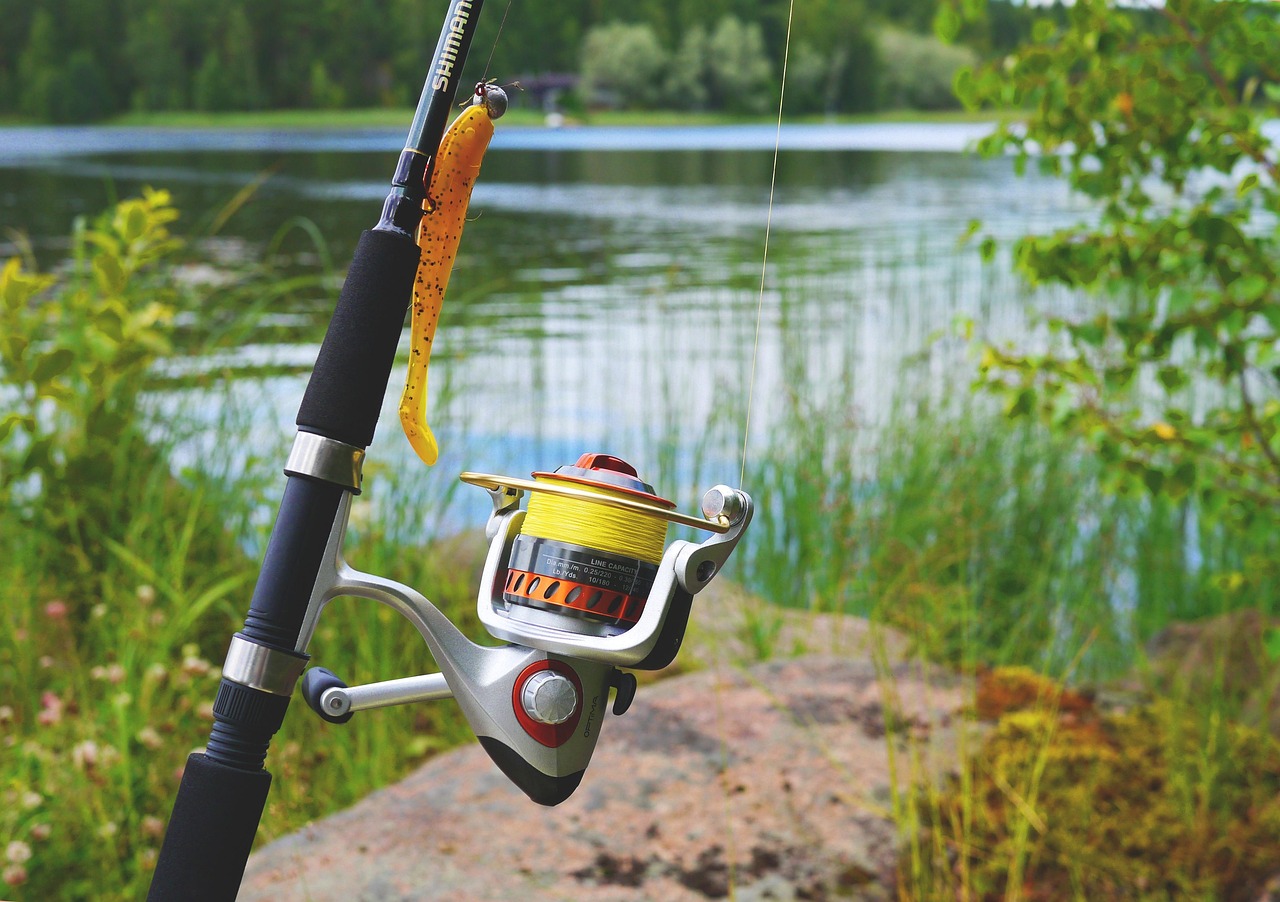
Landlocked salmon can be very specific in the depth in which they live in the water. Therefore, using line counter reels or counting the line that is used when casting will allow the angler to return to the depths where the landlocked salmon have been spotted. Furthermore, if the electronic devices reveal that the landlocked salmon live at a depth of 38 feet, the angler can try dropping the bait to 37 or 39 feet.
Landlocked salmon want the bait to be either above or below themselves in the lake so the angler must experiment with placing the bait in these depths. Furthermore, by utilizing this last technique, what is otherwise an average fishing trip may develop into a successful trip for the angler. Following the use of techniques to control the depth of the line, bait, and jig, the angler should pay attention to the light conditions within the lake.
5. Pay Attention to Light Conditions
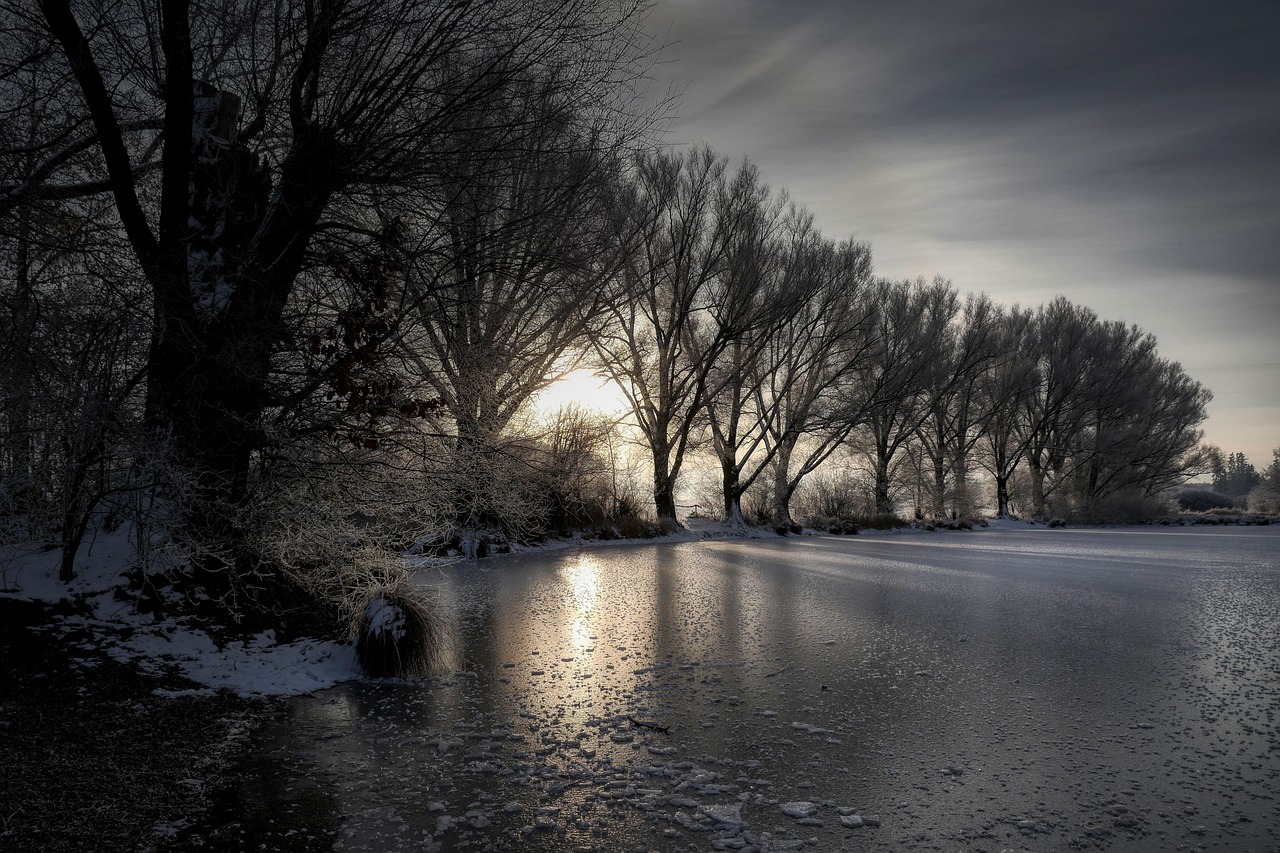
Landlocked salmon tend to bite the most at periods of low light levels. In other words, the landlocked salmon will bite more in the early morning and late afternoon when the light is less intense and brighter than during the middle portion of the day. On cloudy days, the landlocked salmon will continue to exhibit this feeding period over an extended time.
Furthermore, if the landlocked salmon are not biting at around noon, it may be beneficial for the angler to take a break and go inside a warm truck prior to returning to the ice fishing spot. The landlocked salmon become aware of the changes in the light levels within their habitat which causes them to exhibit feeding behaviors. Following the consideration of the light within the lake, the angler should consider the use of live bait.
6. Use Live Bait
In most cases, live bait like shiners or smelt will work the best. Furthermore, care must be taken when using live bait because the live bait must be hooked through the lips of the fish or behind the dorsal fin. However, if the angler chooses to use dead or cut bait, a small stinger hook should be added to the bait because landlocked salmon may strike the bait very quickly.
Furthermore, landlocked salmon will eat the entire bait occasionally but other times will only nip at the tail end of the bait. Therefore, the angler can prepare both a single hook and a tandem fishing rig to be ready for either situation. It is helpful to take the extra minute needed to change fishing rigs when the angler takes a rest in a warm truck to warm up for the landlocked salmon becoming picky about the type of bait that they eat.
7. Understand Lake Bottom Composition
An understanding of the composition of the lake bottom can increase an angler’s chances of success when fishing for landlocked salmon. Landlocked salmon tend to live near areas of gravel, rocks, and the mud areas that transition into rock areas in the lake. These areas contain the crayfish and aquatic insects that are part of the diet of the landlocked salmon fish.
Using a camera or a flashers can allow the angler to discover these areas within the lake. For instance, if an angler spots a rocky hump at 35 feet of depth that has baitfish swimming above the lake bottom, the angler has found an area in which landlocked salmon will travel. This spot can be mapped out for the angler and these areas will continue to contain fish.
8. Wear Proper Clothing and Shelter
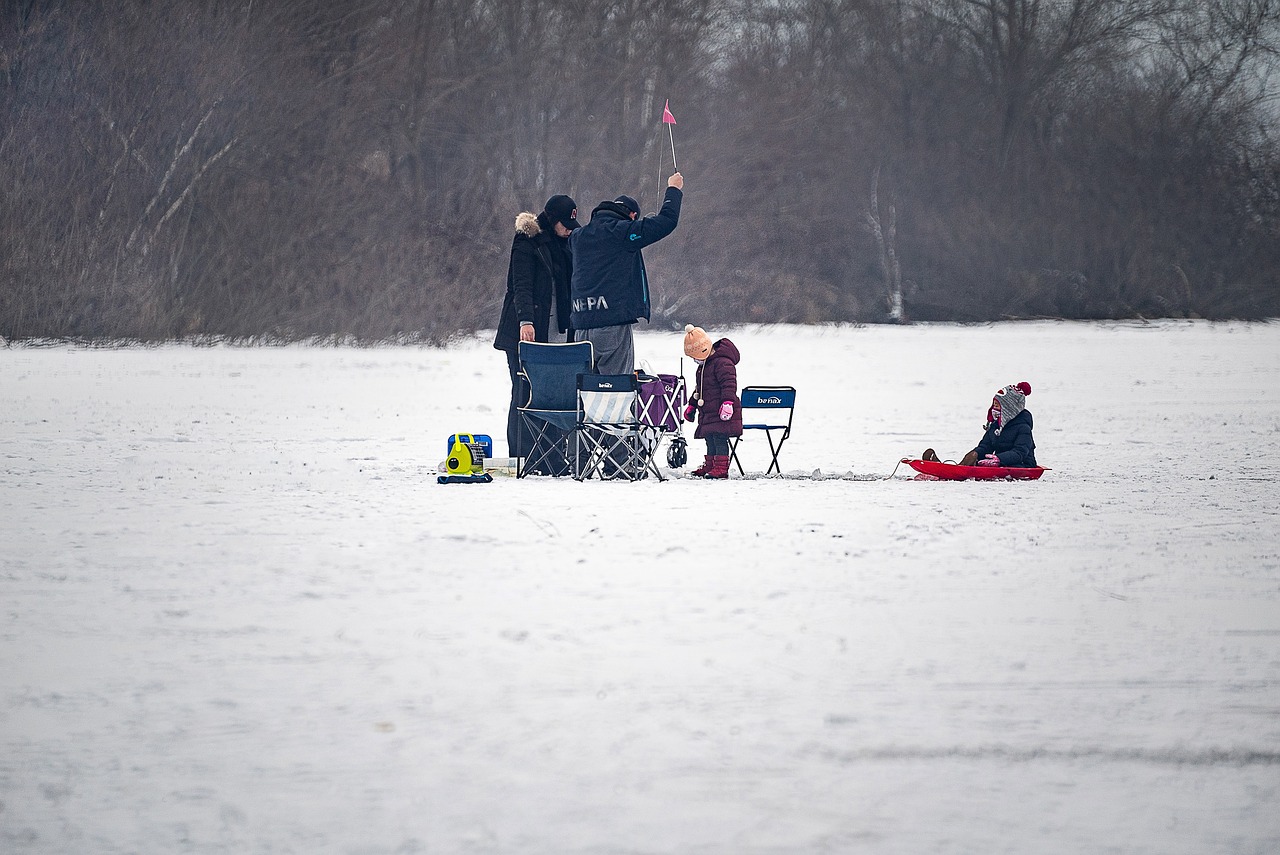
The angler should also consider the type of clothing to wear while fishing for landlocked salmon. The feeding schedule of landlocked salmon does not match the humans’ desire to remain warm. Therefore, the angler should wear layers.
Furthermore, wearing layers will allow an angler to remain active for long periods of time and to perform the strong movements required of the angler when the landlocked salmon strike at the bait. Furthermore, if the angler finds that they need to move between different locations within the same lake, the angler can wear layers to remain active during these movements. Additionally, if the angler wears boots whose liners can be removed, the angler can dry the boots between fishing trips for comfort.
Furthermore, if the angler can create a shelter out of portable shelter or an ice shack, they will be prepared for the elements. An angler who stays warm and dry will experience more success fishing for landlocked salmon than one who is warm but whose feet are wet from the snow. An understanding of the landlocked salmon’s soft mouth and powerful fishing efforts indicates that the angler should master the hookset and the fight after the landlocked salmon have become hooked to the bait.
9. Master the Hookset and the Fight
Furthermore, the angler should not yank the rod with the fish. A smooth motion will work better than a violent motion to the rod. Furthermore, once the landlocked salmon is hooked to the bait, the angler should maintain pressure on the line and allow the rod to absorb the head shakes of the fish while it is fighting.
Landlocked salmon tend to travel in strong runs so the angler should not lock the line but should leave some slack in the line. Furthermore, the fight between the angler and the landlocked salmon can last longer than the angler might expect of the fish. This is one of the reasons that the landlocked salmon species is desired by anglers.
Furthermore, using a net with a long handle will assist the angler in the effort of lifting the landlocked salmon out of the eight-inch hole in the ice. An additional last technique is to use selective harvest techniques to catch and to carefully release the landlocked salmon that are caught. Within many lakes in which landlocked salmon live there are specific regulations that anglers who are fishing for landlocked salmon must follow.
10. Use Selective Harvest Techniques
These regulations exist for a reason because landlocked salmon can take decades to reach their largest size. Therefore, anglers can remove a few of the landlocked salmon for food but must release the larger fish that are caught later during the day. Furthermore, taking a quick photo of the landlocked salmon, measuring the fish, and then gently releasing the landlocked salmon will ensure that the landlocked salmon habitat will still be available for the following fishing seasons.
Furthermore, the memory of the bright silver landlocked salmon will outlive the memory of the angler preparing the fish for dinner. The best ice anglers for landlocked salmon are those who drill numerous holes in the ice without fishing in them and those who monitor the electronic devices that help them to monitor the location of the landlocked salmon. Furthermore, the best anglers are those who are ready and able to change tactics if the landlocked salmon change their behaviors.
Therefore, while ice fishing for landlocked salmon, the angler should feel the thumps of the fish biting at the bait and the watching of the line move into the deep water. The landlocked salmon are waiting beneath the ice and have an urge to chase their prey. Anglers must be prepared to meet the landlocked salmon on their terms.