
Monofilament line is the unsung hero of the angler’s life. It’s on your reel and determines if you land the fish or if it’s headed for bottom. It differs from other types of lines like fluorocarbon which mimics water density and braided line made up of synthetic fibers.
But it has one tool; a single strand of nylon. And with this comes the good, the bad and the ugly. The good is you have stretch and price, the bad are certain things about it that can lead to trouble if not properly managed.
The problems is rarely about the line breaking under tension. That’s not the primary issue. Most of their defects are due to memory, visibility or degradation.
Knowing what makes a line do those things allows you to safeguard your investment. Understanding why monofilament coils allow you to prevent it before you cast. Knowing how UV light degrades nylon prevents you from buying line that fails.
This is where knowing causes leads to better results. Here are some common issues and how to deal with each one. The first thing is memory.
Common Monofilament Line Problems and Solutions
1. Memory
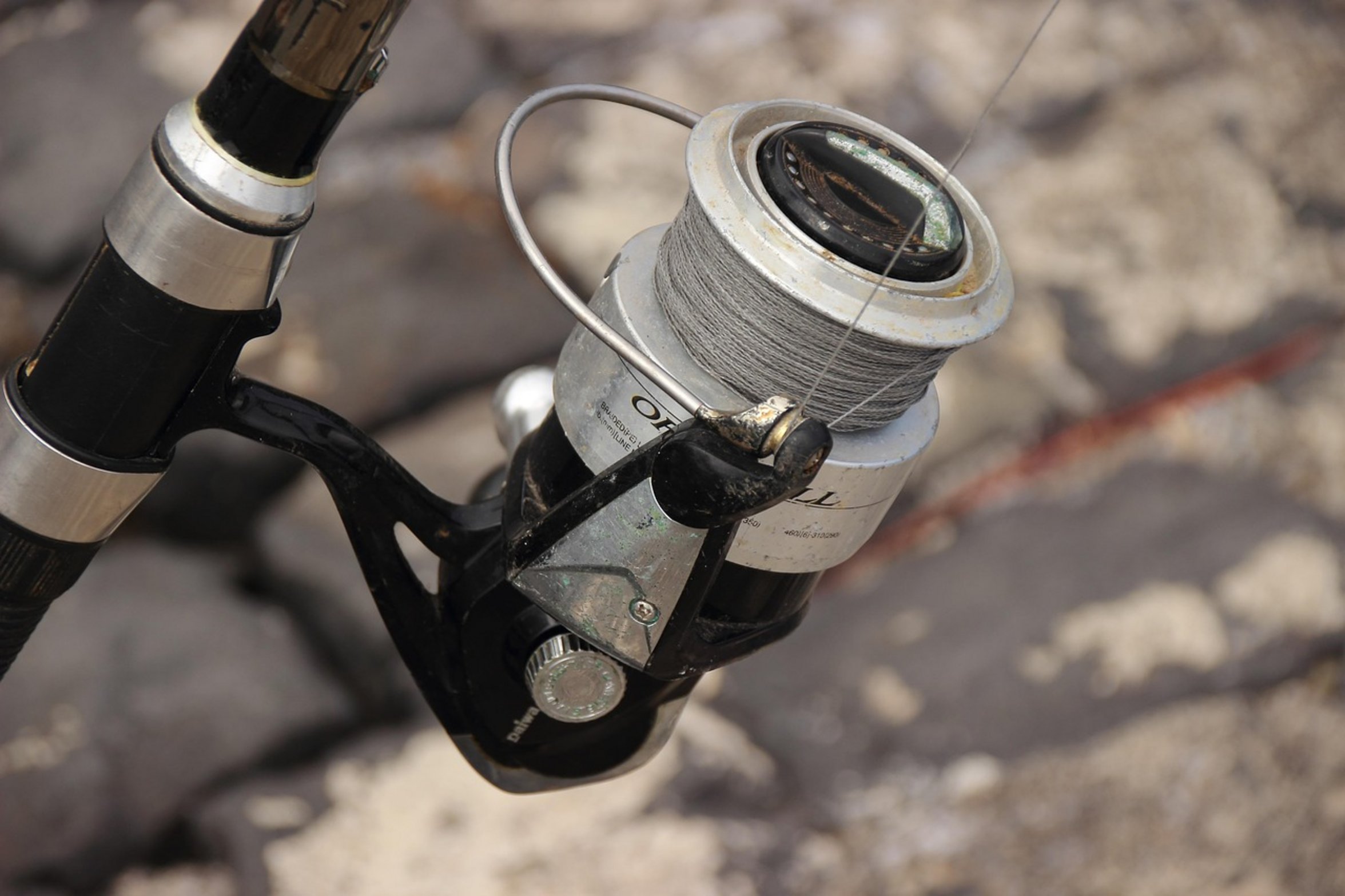
This refers to how well the line holds its shape on the spool. During manufacture, monofilament is tightly wound while under tension. That tension cause a sort of molecular imprint on the nylon structure.
After you purchase the line and begin casting, it might never fully straighten out. It’ll curl up and loop around like a spring because the polymer chains remember the way they were originally shaped. Soaking your reels in warm water before spooling with new line will help reduce this issue.
The warmth will relax the fibers causing them to set into a more neutral position versus a coiled one. Another important consideration has to do with visibility.
2. Visibility
If you’re fishing clear water or around any type of heavy cover, visibility can be critical.
Because monofilament is heavier than an equivalent amount of braided line, it’s also larger in diameter. That means a six pound test monofilament appear like a white noodle in the water and is more easily seen by fish, particularly in bright sunlight over shallow water. The idea is that anything foreign to the area is something to avoid and fish get very cautious about things that aren’t “normal” to them.
In order to overcome this, many people change to a low-visibility color of monofilament. You’ll find some anglers that will go so far as to use fluorocarbon leaders to mask their terminal tackle from wary fish. Many people talk about how monofilament’s stretch helps when fighting fish, but it makes it harder to set the hook.
3. Stretch
Monofilament can stretches up to twenty five percent of its length before reaching its breaking point. This stretch protects your rod from shock by absorbing it on the initial bite from some of the most powerful fish on the planet. But it also takes away some of the shock of your rod tip when you set the hook if you’re fishing something big and heavy or deep.
That stretch can cause you to think you never felt anything when a fish bites, and may result in missing the hook set altogether. Instead of transferring force into the bait, the line stretched until there wasn’t any more left. Sharper hooks and tighter drag settings helps ensure that the force sent through is enough to pierce through bone.
The strength of monofilament degrades with age. Ultraviolet rays from the sun cause nylon monofilament to break down. The process start slowly, making the line brittle and unable to hold tension as well as it used to.
4. UV Degradation
A brand new spool of monofilament may appear just fine even after sitting in your car’s glovebox for a couple summers. At times it can even break at 1/2 its rated breaking strength. Always keep your line in a dark dry place when not in use.
Even though it appears fine after sitting in your car’s glove box for a couple summers, it will fail under pressure. When you get the line out and start feeling it is rough or you begin to see tiny nicks, replace it right away. You don’t see UV degradation with the human eye.
You’ll feel it when the line fails. The physical characteristics of monofilament will change over time with water absorption. Monofilament is hygroscopic, which means it absorbs water from its surroundings.
5. Water Absorption
The more water absorbed, the heavier it becomes and the quicker it will sink. And it will lose some of its elasticity and tensile strength. Leaving your rod out in the saltwater mist or storing it with damp line in there really damages it.
Even absorbing freshwater will hurt it, but not nearly as much. Storing your equipment dry between outings will keep the line intact. You don’t want the water it has to cross weigh the nylon down, you want it to do what it was designed to do.
Most anglers have lost fish without knowing why, it’s because of a weak knot. Each knot forms a stress point where the line fibers is compressed and bent. How you tie your knots matters a lot with monofilament which is very sensitive.
6. Knot Weakness
Friction heat from a tight knot will burn the nylon fibers and weaken your knot instantly if you don’t first moisten the line. Dry knot = weak knot. Always use a proven, strong knot.
Use something like an improved clinch or Palomar. Lubricate the line strands (saliva or water) as you pull them tight. Before going fishing, it’s a good idea to test your knots by giving them a hard tug with your fingers.
This way you avoid losing a fish later because of a bad knot. It is not as abrasion resistant. While monofilament can take a bit of abuse from rubbing against hard objects such as wood and rock, it’s still going to get sliced up pretty fast on something with a sharp edge.
7. Abrasion Resistance
In freshwater you’ll often see abrasions caused by zebra mussels, gnarly pieces of timber, and other objects. The same holds true with saltwater structures such as docks and reefs. Check your line frequently for cuts and nicks.
Feel for any bumps or rough spots by running it between your fingers and thumb. Anytime you notice a bump or your line has a rough feeling, cut out that part of your line. A weakened piece of line isn’t something you should of rely upon when battling a big fish.
Avoiding sharp objects is the best prevention. Monofilament is also sensitive to temperature. Monofilament stiffens up in colder water and has an increased tendency to break.
8. Temperature Sensitivity
Cold temperatures reduce the flexibility of the nylon fibers. This results in harder casts and increased chances of breaking off during the fight. On the other hand, in warmer water it softens the line which will cause it to stretch out further and result in decreased sensitivity and poorer hook sets.
So adjust accordingly depending upon the time of year. Expect more give in the summer months and use lighter line in the winter to offset its stiffness. This helps you know when to change your approach instead of blaming the equipment.
Keeping line under prolonged high tension can also cause storage-related problems. Constantly putting too much tension on the drag will cause monofilament to become weak at certain points and even create a permanent set over time. That continuous pressure degrades the molecular structure of the nylon.
9. Drag Tension Storage
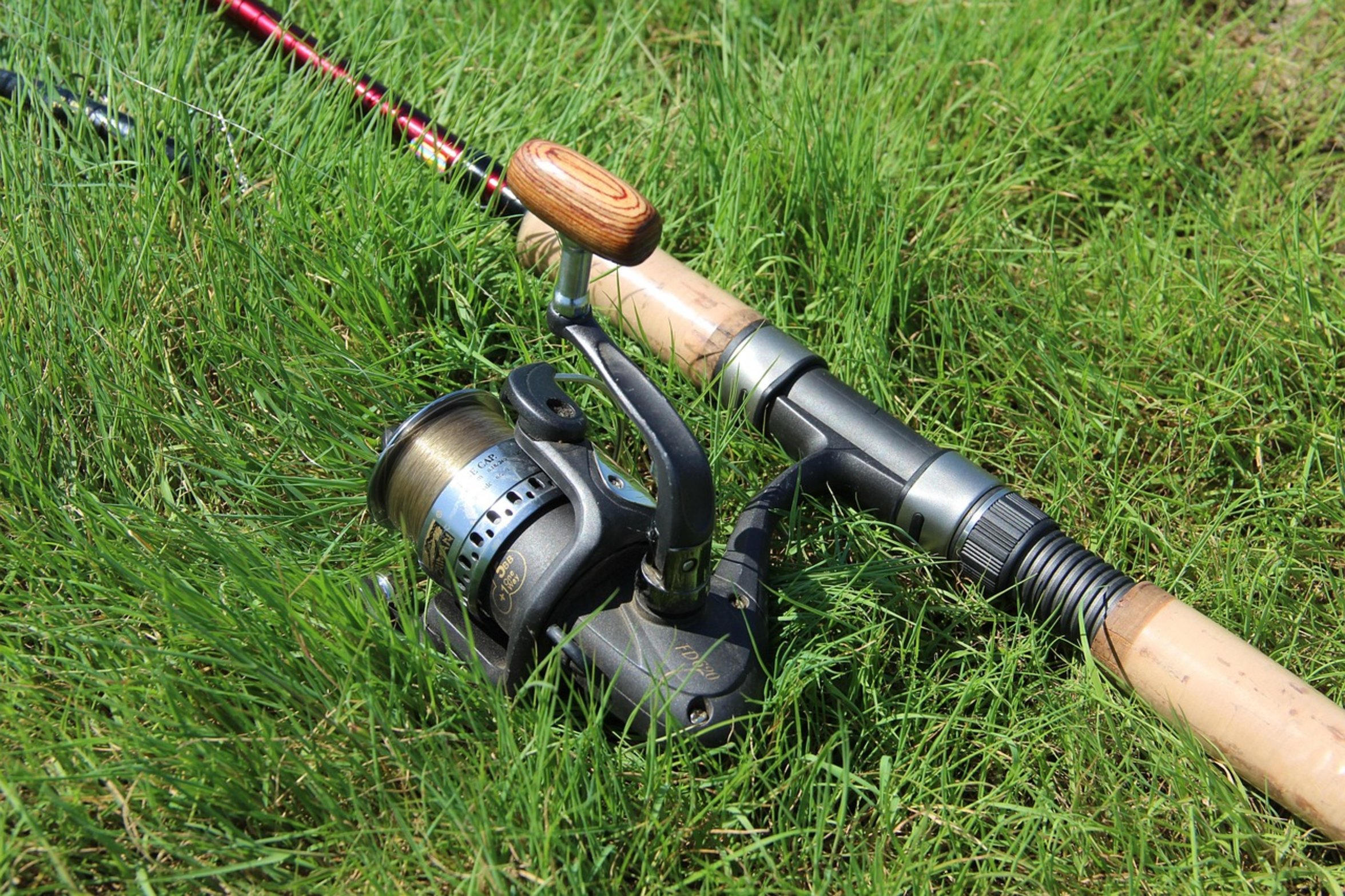
Relaxing your drag slightly before you put your reels away lets the line loosen up and retain its elastic properties. The goal is for the line to still be fresh and able to do what you need once you take it out of the drawer. You don’t want it to be weakened by sitting there.
Keeping your tackle ready takes one more step, proper storage. Even today, monofilament has its place. When used within its limits, it gets the job done.
And at times, that’s all it needs to do. Its price tag conceals some expense; its stretch offers forgiveness. But it expects a certain respect for what it actualy is.
Fixing knot integrity, visibility, memory and UV damage transforms a commodity product into something much more trustworthy. How you prep the line makes all the difference. Treat the nylon right, and it’ll treat your catch right.