
Where the cold water of the Labrador Current meets the warm water of the Gulf Stream on the Jersey coast is where you’ll find an abundance of different species of marine life close to the shore. That’s not to say that it require a charter boat to catch them. From small boats to jetties or piers, some of the most exciting fishing occurs within miles of your house.
Knowing what type of fish inhabits certain areas will put you well on your way to a good day on the water. Many newcomers make the mistake of looking for tropical species that simply do not live here. The target list changes depending on the time of year, the structure, and what is available nearby.
While some like the rocky bottom, others seek out shallow bays or open water. Being familiar with your target will determine when and how to present it, as well as selecting the proper tackle and bait. Random casting becomes planned fishing.
Top Saltwater Fish Species Found In New Jersey
1. Striped Bass
New Jersey’s prize saltwater fish remains striped bass. These fierce predators school up near artificial reefs and deeper channel edges throughout the year. Striped bass are aggressive feeders and will attack just about anything that moves if presented properly.
Most anglers typically catch them using big swimming lures, live eels, and cut bait. Because of their tremendous power for their size, the fight they put up is nothing short of legendary. If you’re after a legal sized striped bass you’ll need both patient attention and proper drag setting on your reel.
2. Bluefish
Another exciting species is bluefish with their toothy jaw and fighting ability. Aptly nicknamed blue devils, these nasty looking fish will eat your bait, then cut your line if it comes within a few feet of the vessel. Forage such as small baitfish that congregate around plankton blooms in warmer months draw schooling blues into areas such as shipping channels and jetties.
A stout hook and heavy leader is required when fishing for this tasty creature. The unpredictable nature of bluefish makes each cast an adventure; and what angler doesn’t love that?
3. Weakfish or Sea Trout
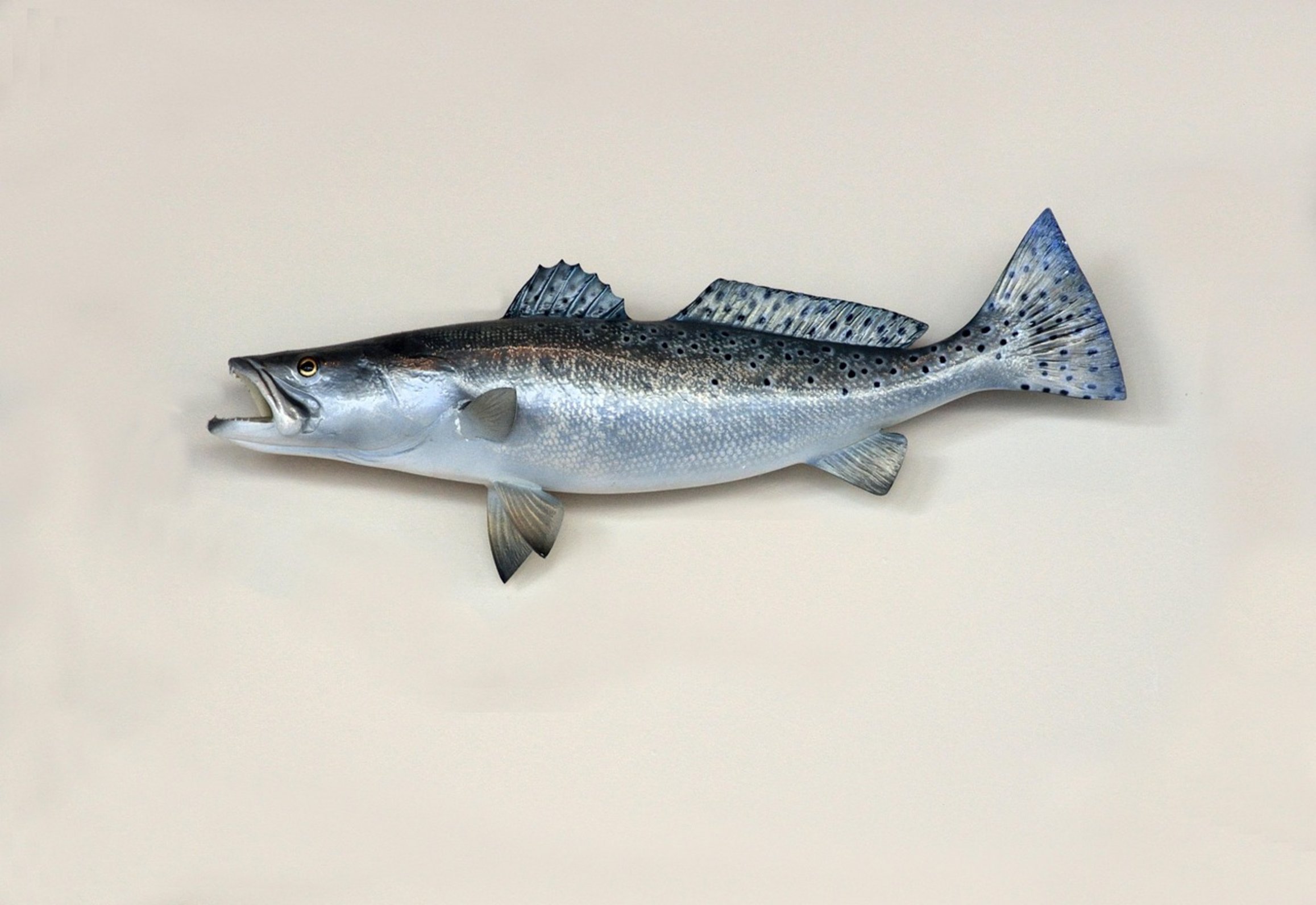
Weakfish (also called sea trout) use more finesse than raw power, finding refuge along river mouths and on sandy bottoms with current flow feeding them.
Their reputation for falling off right before the last hook set is due in part to poor drag settings or hook sets but also because they’re renowned for going limp just when it looks like they’ll break water. The trick to landing these fish is letting your drag tighten while resisting an over-aggressive rod tip lift. Slowly working soft plastics along the bottom does wonders.
Weakies don’t make big runs like striped bass but will pull steadily until they enter the net, so stay alert.
4. Fluke Fishing
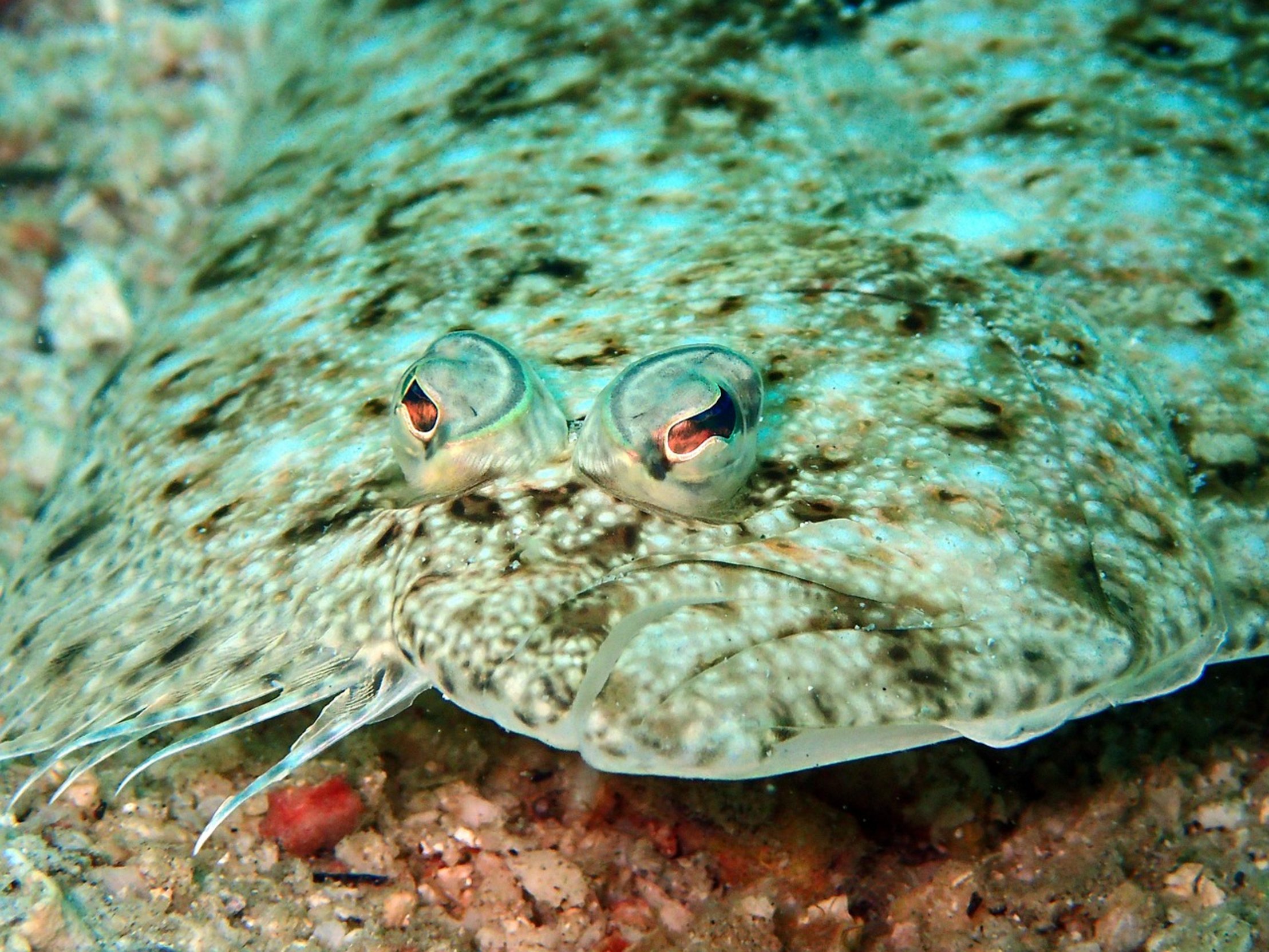
Summer and late spring sees hordes of anglers in boats and on piers as fluke fishing gets into full swing. Fluke are flat fish that hug the sandy bottom of the sea, waiting for an unsuspecting small fish, shrimp, or crab to come along.
Normally they’re fished off boats with weighted rigs that sink to the bottom. Usually live or cut bait are used. You have to hold your line tight enough to feel the slight bite of these fish but not so tight that you pull them away from it.
Often the bite is just a tap tap tap and then nothing. It takes focus and fast fingers to set the hook right when they do this and get them hooked up before they spit the bait out.
5. Black Drum
Black drum, These are hard pulling, heavy fish that like to hang around structure along shorelines and in deep bays.
They love rattling baits and spoons but also have very good ears for detecting your casts. They need a strong rod and braided line due to their power and tendency for making long runs. Typically they will position themselves near oyster beds, rocks or any other structure such as pilings for feeding on crustaceans and mollusks.
Because of their dark coloring they blend well with their preferred muddy bottoms. When you catch one it’s a big deal because they are full of muscle and do not let go without a fight.
6. Spot Croaker
Spot croaker, which live on the bottom and are target fish, are everywhere.
They are an important food source for other big predators but are also targets themselves. Spot tend to congregate near the shoreline where they feed on small shellfish, worms, insects, etc. Though not as glamorous as, say, striped bass, spot provide an unexpected battle for such a small fish. They are easy to hook and hold onto even on light tackle, so kids love to catch them.
Because spot prefer a nice mud or sand bottom, they’re an indicator of healthy habitat too. If you can fill your cooler with spot croaker, you’ll have plenty to eat and it will keep you occupied until the next big one comes along.
7. Blue Crabbing
Blue crabbing isn’t exactly like using a rod and reel, but it is a big part of the local fishing culture; instead, it uses traps baited with chicken parts or mackerel heads set in estuaries and bays during warmer months.
Pulling up clusters of hard-shell crabs waiting to be steamed provides immediate gratification when checking your traps. It is a good complement to fishing because you can cast from a dock while leaving the traps out. Crabbing connects you directly to the local ecosystem in a way that goes with the more traditional goals of sportfishing.
8. Brown Trout Conservation
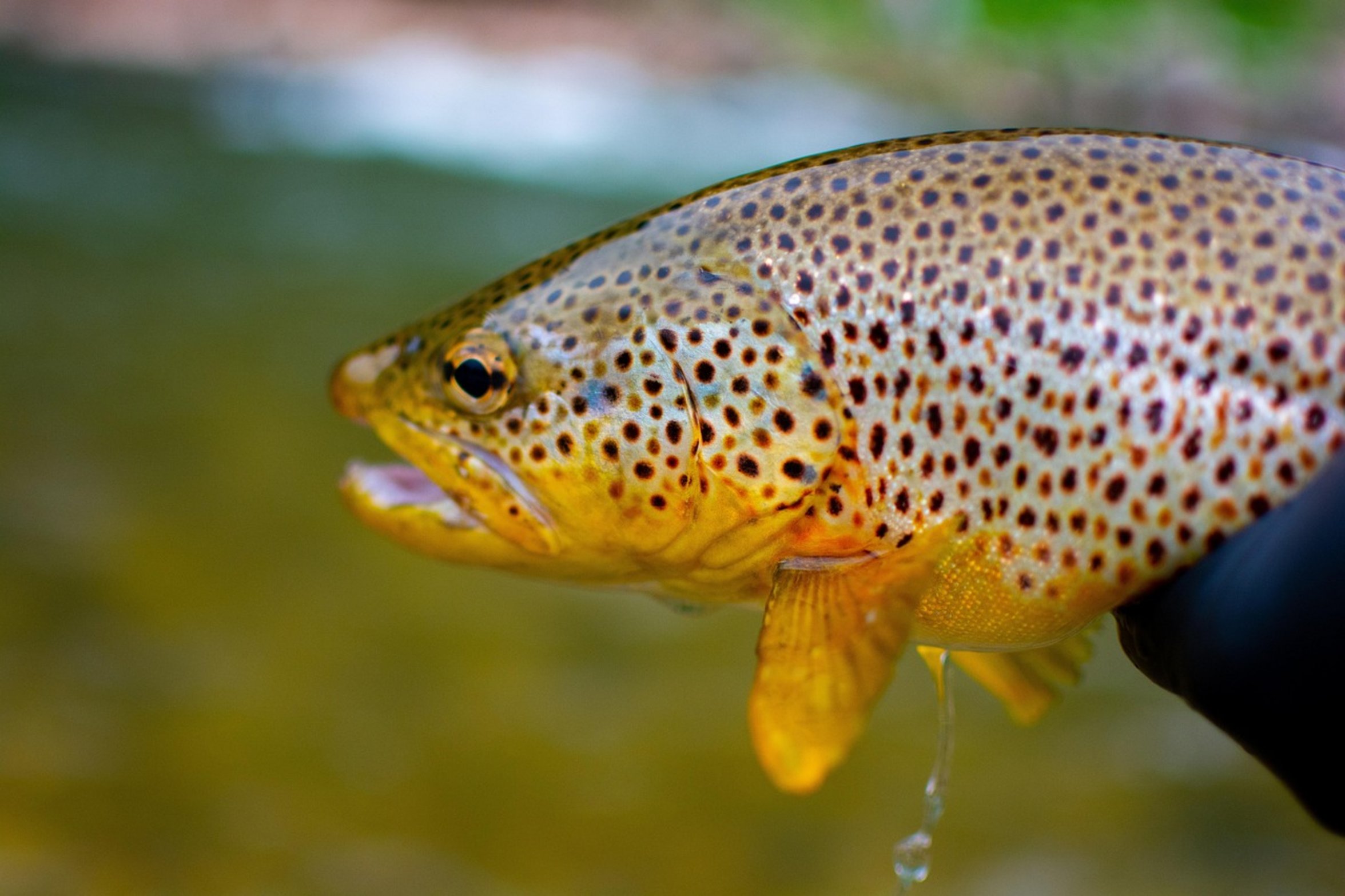
Sea trout are actualy brown trout migrating out to sea waters. Their habitat is typically found in river mouths and deep channels mixing fresh and salt water together. Known for being both a good fighter and eating great, they react best to baits like live shrimps, flies or small jigs worked subtly around structure.
Since their numbers depends heavily on environmental factors, they receive strict conservation treatment. Size regulations and catch and release measures preserve them so others may be able to fight them in the saltwater in years to come.
Every single species in this New Jersey coastal waterway presents its own unique test.
That’s what makes it such an interesting ecosystem. You’ll never get bored and you’ll always have something new to tackle. Whether you’re stalking the stealthiness of a fluke or the raw power of a striped bass, there’s always something new to learn from the sea.
You can apply skills learned from one species to another. It’s all about keeping an open mind and keeping your eye on the water; because you never know when the tide might shift and give you a fresh chance at the next swell.