
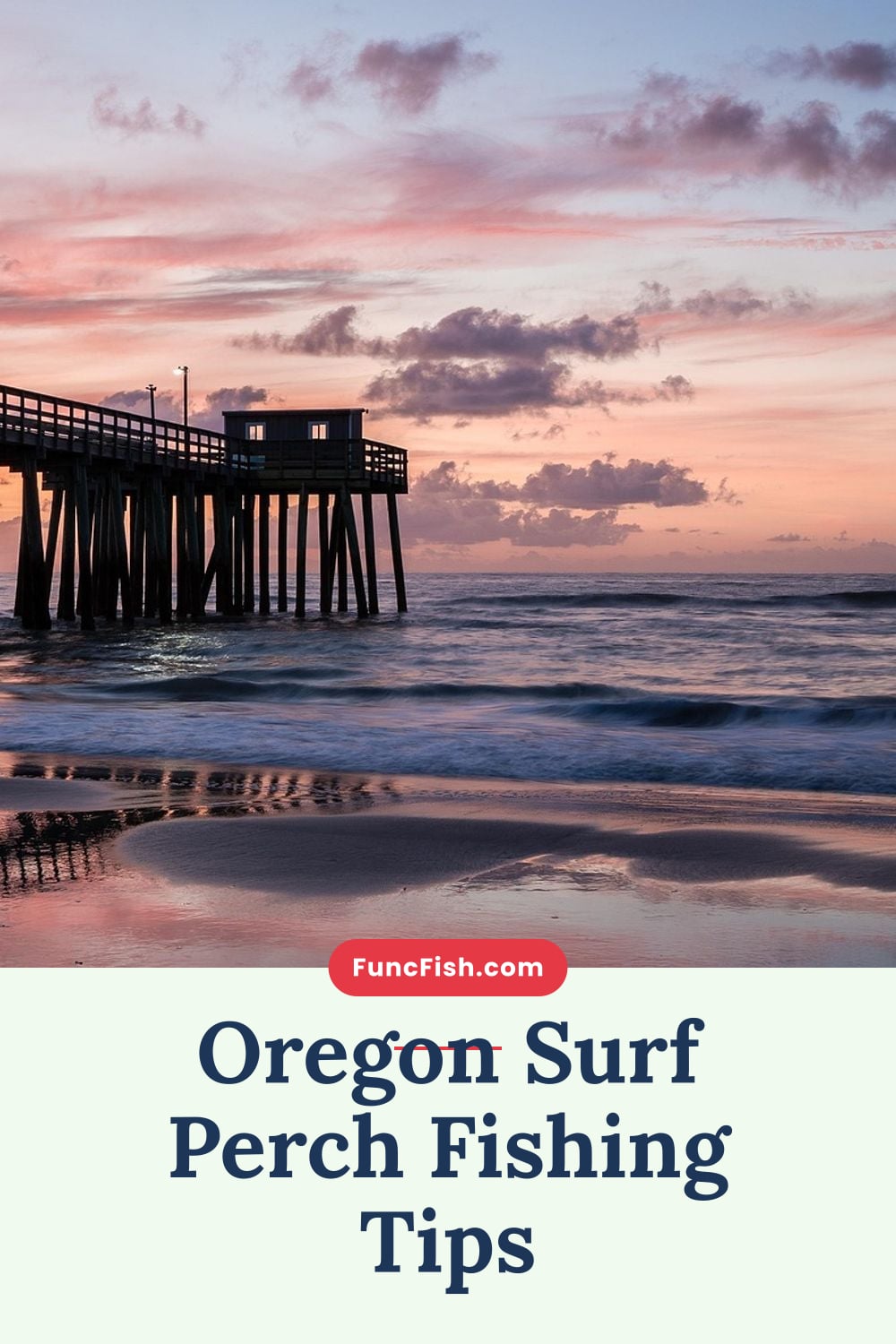
Fishing for surf perch in Oregon can provide rewards to any person who is willing to stand in the ocean breakers and use a light fishing rod and sand crabs to bait the fish. The surf perch are known to fight with a surprising amount of snap for there size. Additionally, the surf perch will hit the bait quick when approached by a willing angler.
The reason that the surf perch are a special fish to catch is because any person who ventures to an Oregon coast can access them. There is no need to use a boat or expensive fishing gear to catch these fish. All that is needed to begin fishing for surf perch include a pair of waders, a spinning fishing rod, and some bait.
The Pacific Ocean along the Oregon coast is known for its cold temperatures, the power of its waters, and the abundance of life that live within the ocean. The surf perch live in the area where the ocean washes the beach and exposes the fish food to the fish. Additionally, the surf perch live in schools in the shallow waters along the coast, and can often be found in the waters just beyond the first break of the ocean wave.
Thus, these fish are some of the most accessible for the family, the beginners to the fishing world, and the seasoned anglers who visit the coast for a day of fishing for these delicious fish. The anglers who lives along these coasts have gathered these techniques over many years. These techniques are the methods that will be described in this article, in order of importance and usefulness to the anglers.
Essential Tips For Successful Surf Perch Fishing
1. Sand Crabs
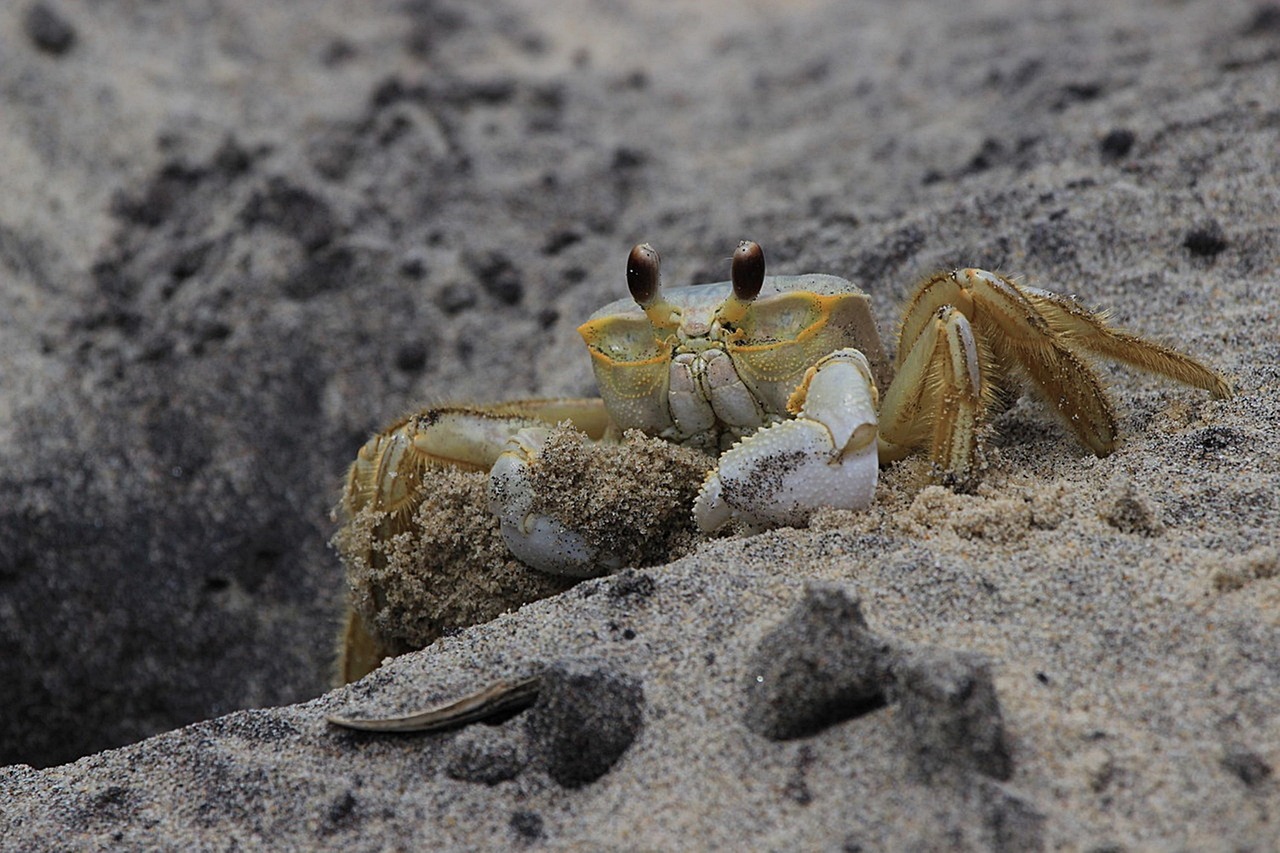
The best bait to use for catching the surf perch is the same than what the fish eat. Sand crabs, also known as mole crabs, live in most of the Oregon coastlines. These crabs can be dug up at low tide, and collected in a bucket with some damp sand and seawater.
The angler should hook the crabs through the shell, near the head, to leave the crabs as lively as possible for the surf perch. If fishing for the surf perch with shrimp or clam necks, the crabs are not required, but not the best type of bait to use to catch these fish. Most of the newcomers to the surf perch fishing world miss this specific part of the fishing process.
These newcomers usually search for and use expensive fishing lures in place of the simplest form of bait: sand crabs found just under there feet at low tide. The time of day when the surf perch are the most abundant in the ocean is during the two hours before low tide and after low tide. Additionally, the best time to fish for these fish is during the incoming tide.
2. Incoming Tides
The surf perch are drawn to the rising water, and will begin to feed on any crabs or clams that is located and moved by the tide’s rise. Many anglers give up on their efforts to fish for surf perch at the falling tide, missing the best time of the day to catch them. By watching the tide charts, and planning one’s fishing trip around the tide charts for the Oregon coast, the fisherman will find themselves at the location where the surf perch live.
3. Light Fishing Rods
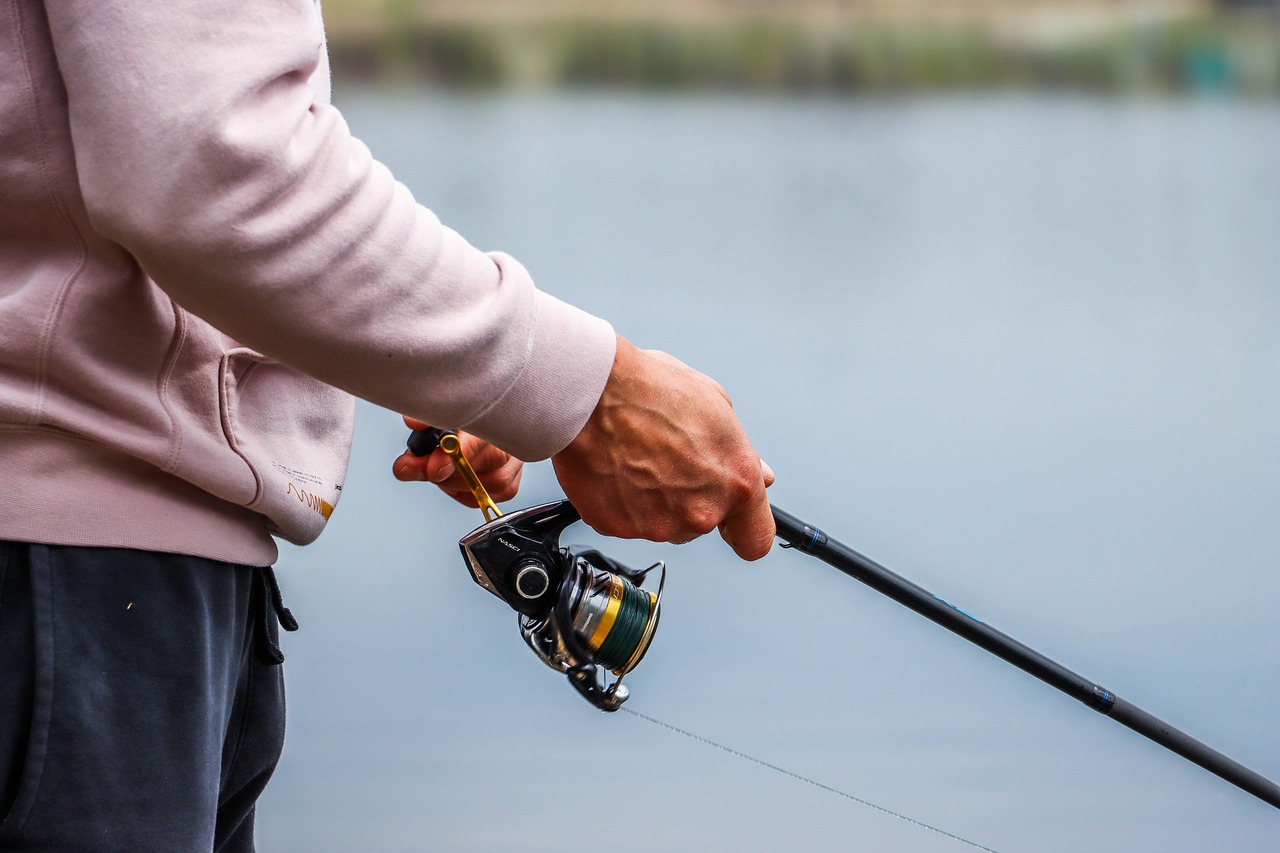
A light fishing rod between six and eight feet in length is the best fishing rod to use when fishing for surf perch. An angler should use an eight or ten pound test line with a small barrel swivel, and a two-hook surf rig with size four to six sized hooks. This type of fishing gear will allow the angler to feel if the fish have picked up the bait.
Using heavy fishing rods and lines will make it difficult for the angler to feel when the fish have bit at the bait. Additionally, the angler should set the hook as soon as they feel the fish biting at the bait. The surf perch have soft mouths, and will drop the bait if they feel any resistance.
4. Beach Troughs
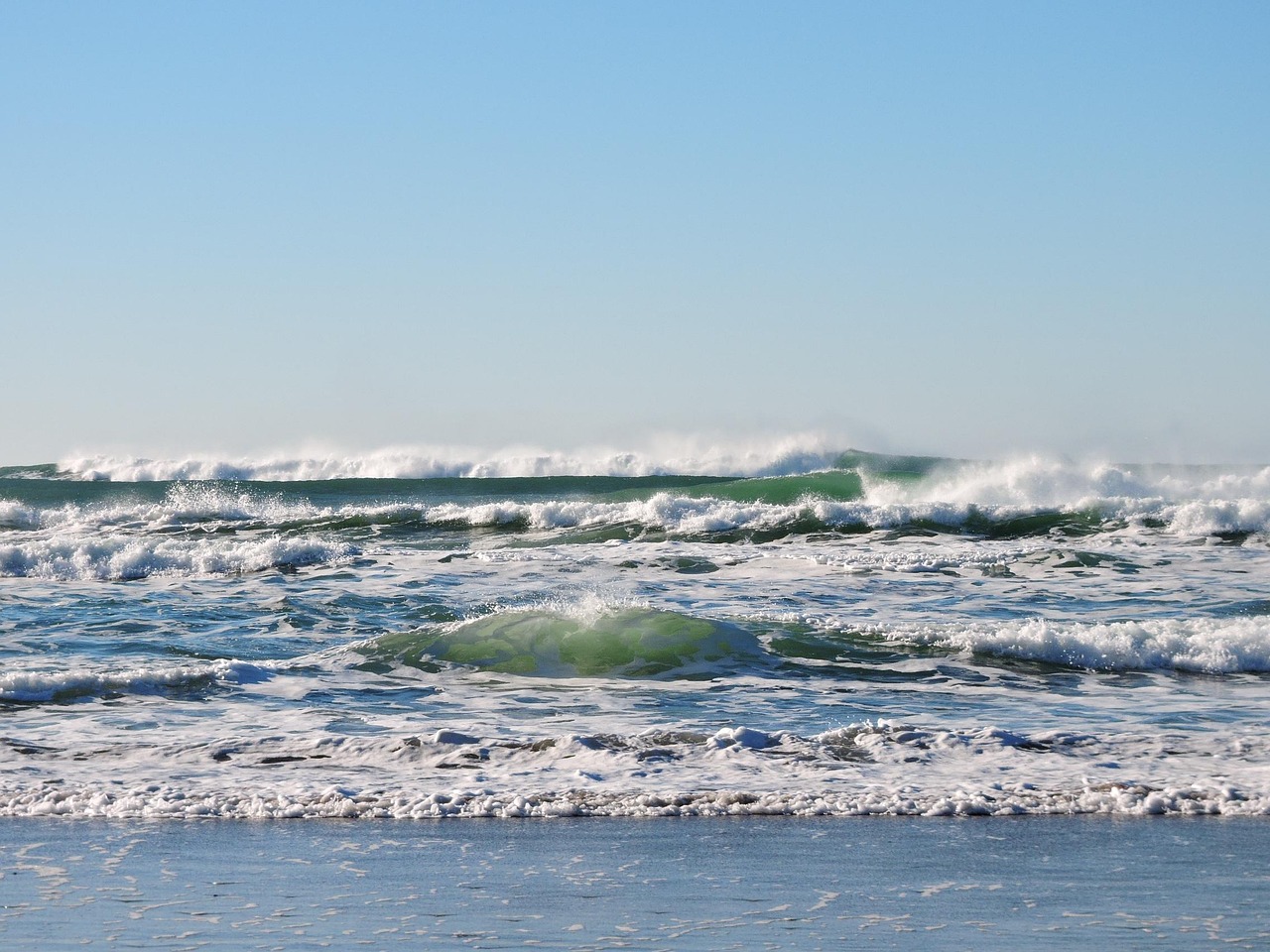
Understanding the beach that is being fished can help the angler avoid wasted fishing efforts. Beaches have troughs in which the fish live, as the troughs are where the ocean’s waves lose their energy and drop the sand and food. Additionally, darker areas of the beach indicate where there are deeper troughs of sand.
Where the ocean foam lines pause along the beach are also areas where the surf perch live. By standing in the correct spot on the beach, the angler can allow the bait to naturally roll into the trough where the fish live. Thus, blind casting into the surf is an energy-wasting activity.
The surf perch are not even distributed evenly along the coastline. Patience is a virtue for those who wish to catch surf perch. After fishing for the surf perch, the angler should allow the bait to sit in one spot for thirty to sixty seconds before moving it.
The fish will begin to mouth at the bait before they begin to eat it. Thus, if the angler begins to move the bait too soon after placing it on the ocean floor, they will most likely miss any fish that have attempted to eat the bait. By gently lifting the rod every minute or so, the bait will not bury into the sand, and the fish will not be spooked from the fishing operation.
Thus, the angler should stick to this routine while fishing for the fish. As the surf perch begin to become accustomed to the angler, the fish will begin to bite on the bait in waves. The requirements for the fishing gear is that the anglers use light leaders and small sized fishing hooks.
A twenty pound fluorocarbon fishing line is too heavy and too visible when fishing in the clear waters of Oregon during the summer. Eight to ten pound monofilament lines will produce more bites when the fish encounter the bait. Additionally, size six fishing hooks are adequate for catching the redtail surfperch, as the redtail surfperch rarely grow to be larger than fourteen inches in length.
Thus, using larger sized hooks will make the fish avoid the bait, as the larger fish will be discouraged from eating the bait that features a hook too strong for their size. Small sized fish can be caught with these larger sized hooks, and will provide an excellent meal for the anglers. Though it may seem like an unnecessary detail for the anglers to use light and thin terminal fishing gear, using light and thin terminal gear is the difference between the anglers who catch a few fish, and the anglers who catch a limit of fish each day.
5. Chest Waders
Waders are necessary gear for those who will fish for the surf perch. The Pacific Ocean along the Oregon coast is known for its cold temperatures year round. Thus, anglers will lose focus if their feet are wet.
Chest waders will allow the angler to walk past the first break of the ocean along the coast, and will allow the angler to reach the troughs where the larger fish live. Additionally, by using the angler’s feet to feel for changes in the ocean floor, the angler can take small steps into areas where the fish live, or avoid stepping into areas that may contain rip tides. Thus, mobility is an essential part of catching surf perch.
Additionally, since the fish will move along the ocean floor with the tide, the angler must be mobile enough to follow the fish along their journey. A cooler with ice is a worthwhile addition to any surf perch angler’s fishing trip. The surf perch are a delicacy when prepared correctly.
The angler should bleed the surf perch of blood by cutting the gills of the fish. After bleeding the fish, placing the surf perch on ice will keep the fish from dying. Additionally, the flesh of the surf perch is sweet, mild-flavored, and has a delicate flake that can be prepared in a variety of ways.
For instance, the surf perch can be cooked in fish tacos, or pan-fried with lemon and butter for a delicious meal. Additionally, most anglers will simply release most of the fish that they catch. Thus, the angler should respect the limit of fifteen fish per day.
By respecting this limit, the populations of surf perch will remain healthy and abundant for all of the anglers who live along the Oregon coast. Learning how to distinguish between the various types of surf perch can increase an angler’s success in fishing for these fish. The redtail surfperch features bright copper and silver color along its body, two distinct black bars, and a vivid red tail.
6. Redtail Surfperch
Thus, the redtail surfperch enjoy living in slightly deeper troughs than other types of surf perch, and will hit the bait harder on the hook. Striped seaperch live along the northern portions of the Oregon coast, and have yellow and black stripes along their bodies. Additionally, the pile perch live near structures along the ocean floor, such as jetties and rock piles.
7. Striped Seaperch
The preferences of each species for where they live is different. By recognizing the type of surf perch that live in a certain area, the angler can modify their fishing techniques to enhance their chances of success. Finally, the last requirement for catching fish is showing up at the beach along the Oregon coast.
8. Pile Perch
The weather along the Oregon coast can be raw and unforgiving. Additionally, the ocean can be cold year round, and the surf perch do not bite at all times of the day. However, there are some mornings when the weather is particularly nice, the surf perch are actively feeding, and the light fishing rod begins to bend with the bites of the fish.
These moments at the ocean are remembered by the anglers, transforming them from casual anglers to regular surf perch fishers. Thus, these approaches to fishing for surf perch in Oregon will allow the angler to experience the joys of catching these fish. Thus, the anglers should walk onto an Oregon beach, at the appropriate time of tide, and give the fish some time to find the bait that the angler has cast into the ocean floor.
This type of fishing will allow the anglers to understand and experience the reason that so many people return to the Oregon coast despite the abundance of salmon that live in these same oceans. The surf perch are always on the Oregon coast, and they are always waiting to be caught. Thus, these anglers know that the simplest form of fishing is the most satisfying form of fishing.