
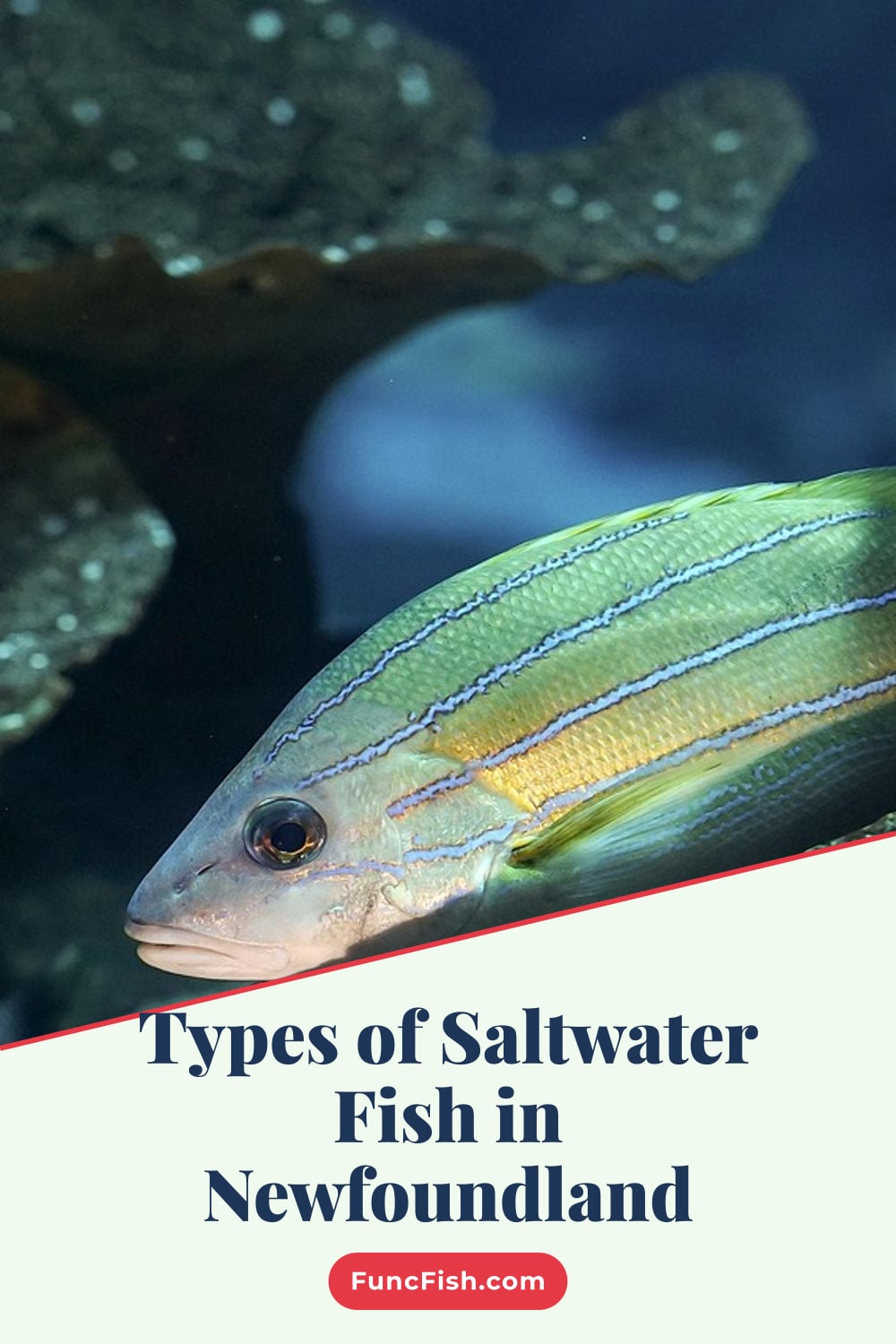
As you head up along the coast to Newfoundland, expect an insane meeting of warm and cold ocean currents. Where these two meet, they provide some of most fertile fisheries in the world. It’s home to concentrations of fish you won’t find anywhere else.
To understand what makes this wild stretch of coastline tick, look to its own unique marine ecosystem. When people come here, many are influenced by coastal guide books or what they have seen on TV shows about tropical reefs. They show up expecting to see groupers and snappers, only to be met with halibut and cod.
It’s cold out there, much colder then expected, and far more interesting and diverse than you could imagine. Knowing what swims off our shores will determine where you go, when you go, what equipment you bring, and what rules apply. In other words, it determines how you’ll prepare for your fishing adventure.
Meet the main players that swim in Newfoundland waters. Each provides its own unique flavor, both in the taste of the dish and the sport involved. Learn about them, and learn to respect their limits, and enjoy the challenge.
Top Saltwater Fish Species In Newfoundland Waters
1. Atlantic Cod
The codfish is a creature of legend. Once upon a time, it was the backbone of an empire; these days, it’s just plain iconic. You can recognize them by that characteristic bottom-jaw barbel and that mottled brown-to-green back.
Prefers cold water (between 0-12 degrees Celsius) and rocky bottoms. During the summer months, you’ll find Atlantic cod hanging tight to the shoreline. In the winter months, they roam deeper waters.
They were once overfished so much that their population numbers swung wildly, but strict catch limits is now in place to keep them sustainable. There’s nothing quite like feeling the weight of history in your hands as you hook up with one of these guys. While cod and pollock may appear alike at first sight, their behavior and body structure differ.
2. Pollock
Pollock typically shoal in large numbers around baitfish and swim higher up in the water column. At times of the year this behavior will make them very aggressive feeding fish. To target pollock you’ll use either trolling lures or jig vertically out the side of boat.
The meat from pollock is also white and flakey but not quite as firm than that of cod. It’s an outstanding fried fish that holds together well when pan-fried without falling apart in hot oil. For die-hard fishermen, deep-sea fishing offers a special challenge: Atlantic halibut.
3. Atlantic Halibut
Reaching weights in excess of 100 pounds, these flatfish spends most of their time along the ocean floor and are often found at depths exceeding two hundred meters. Their massive size makes them an incredible struggle when hooked up, a slow but brutal fight as they use their weight against your rod tip. Due to the thickness of their skin and dense muscles, even cleaning one is no easy task.
4. Capelin
Each year in spring, capelin, small herring like fish; migrate to the shore to spawn en masse. From the beach or cliff, this annual event is a sight to behold, a biological phenomenon that can be observed each year. Capelin feed on plankton; bigger predators such as birds and even cod feeds on them.
Although you rarely cast a rod at them, knowing when they’re around indicates prime feeding areas for other species. When they are running, it’s also an opportunity to observe some of the ways the overall food web works in the ocean. In midsummer, Atlantic mackerel appear quickly.
5. Atlantic Mackerel
When they attack baitfish, they do so ferociously, often jumping out of the water as they strike a lure. Troll spoons or cast plugs around schools you see on your radar screen to catch them. It has a sharp contrast between its dark green back and silvery side with wavy lines.
Oil-rich meat must be stored properly to avoid going rancid. Best cooked grilled or smoked due to high fat content. Mackerel stay higher in the water and prefer shallow water compared to haddock, while haddock stay shallower than halibut but still like the cool deep stuff.
6. Haddock
A telltale sign of a haddock is the black spot located behind its gill cover. What: They feed on small mollusks and crustaceans that burrow around in gravel or sand substrate. When weather cooperates, try bottom fishing with squid or cut capelin.
Mild flavour suits everything from stuffing to baking (classic). During the summer months, Bluefin tuna sometimes stray into the waters of the Grand Banks. They’re big, fast (pelagic giant) and can weighs several hundred pounds.
7. Bluefin Tuna
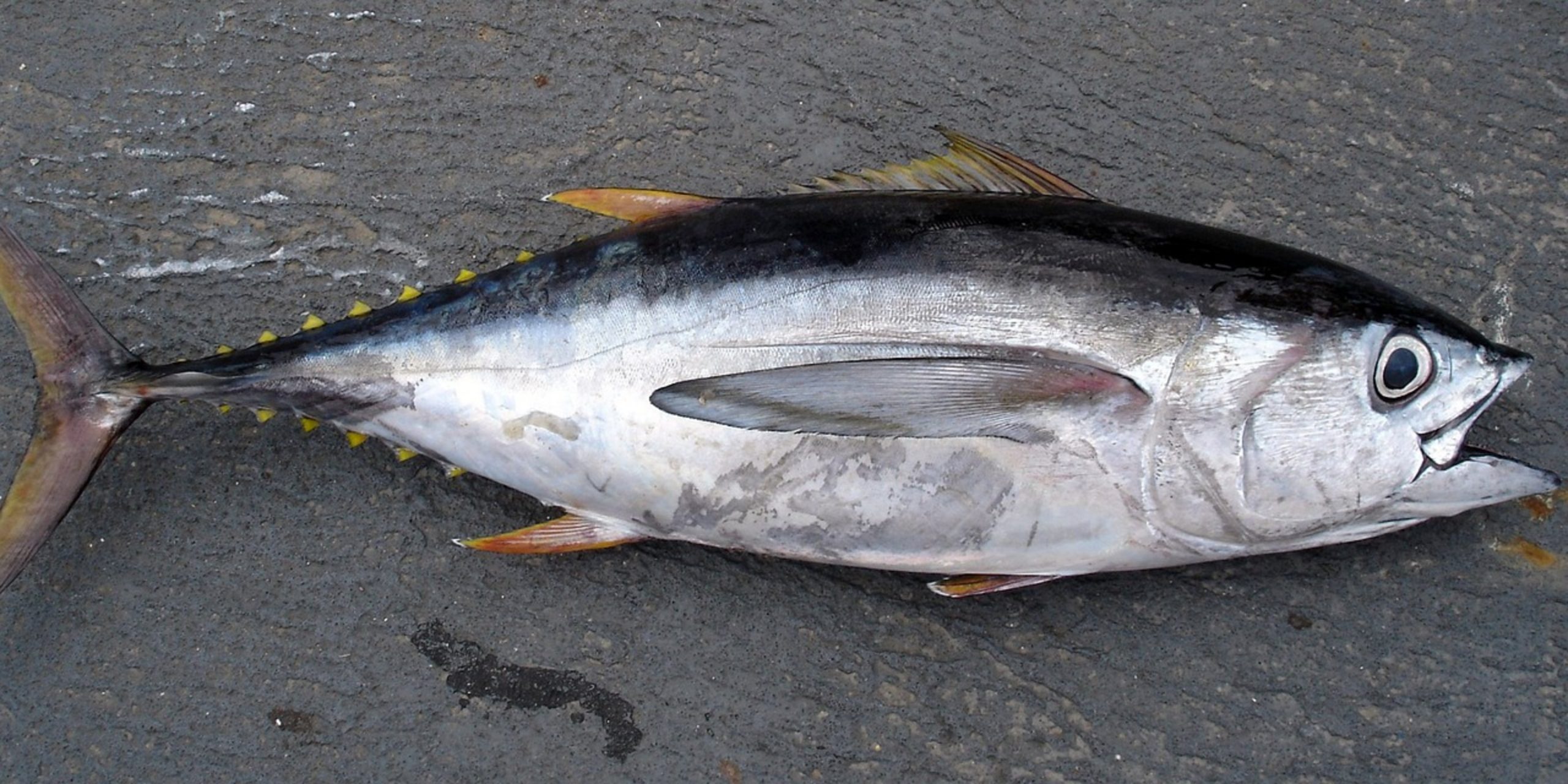
This area is mostly used for commercial fishing, although there are some recreational opportunities subject to strict licensing conditions. Large wooden baits are trolled over a wide area to find roaming schools that trigger strikes. Fights with these fish test the limits of your reel and boat’s components.
For those who target them properly, it’s the ultimate trophy fish. Newfoundland’s marine heritage is told through every fish species. From the great halibut of the depths to the simple capelin swirls, each one represent a different piece of the province’s ocean personality.
When we treat our fisheries with care and understanding, they will be here for us tomorrow. Walk carefully upon the seas, they are generous with those who know how to treat them right.