
North Carolina’s Atlantic coastline has plenty of room for fishing, and the waters range from warm channels around the Outer Banks to the brackish estuaries on its northern end. Such diversity require that the fisherman take both time and location into account when choosing targets. Inshore fishing doesn’t require a charter boat, but it does require knowledge about where certain species live.
Red snapper aren’t swimming Pamlico Sound; trout don’t hang out on Hatteras, for instance. Knowing where your target species live will result in more productive day and also ensure you bring appropriate gear. Here is a run-down on popular inshore species and how to put them into the boat: It runs from May to November.
Popular Saltwater Fish Species In North Carolina
1. Red Drum
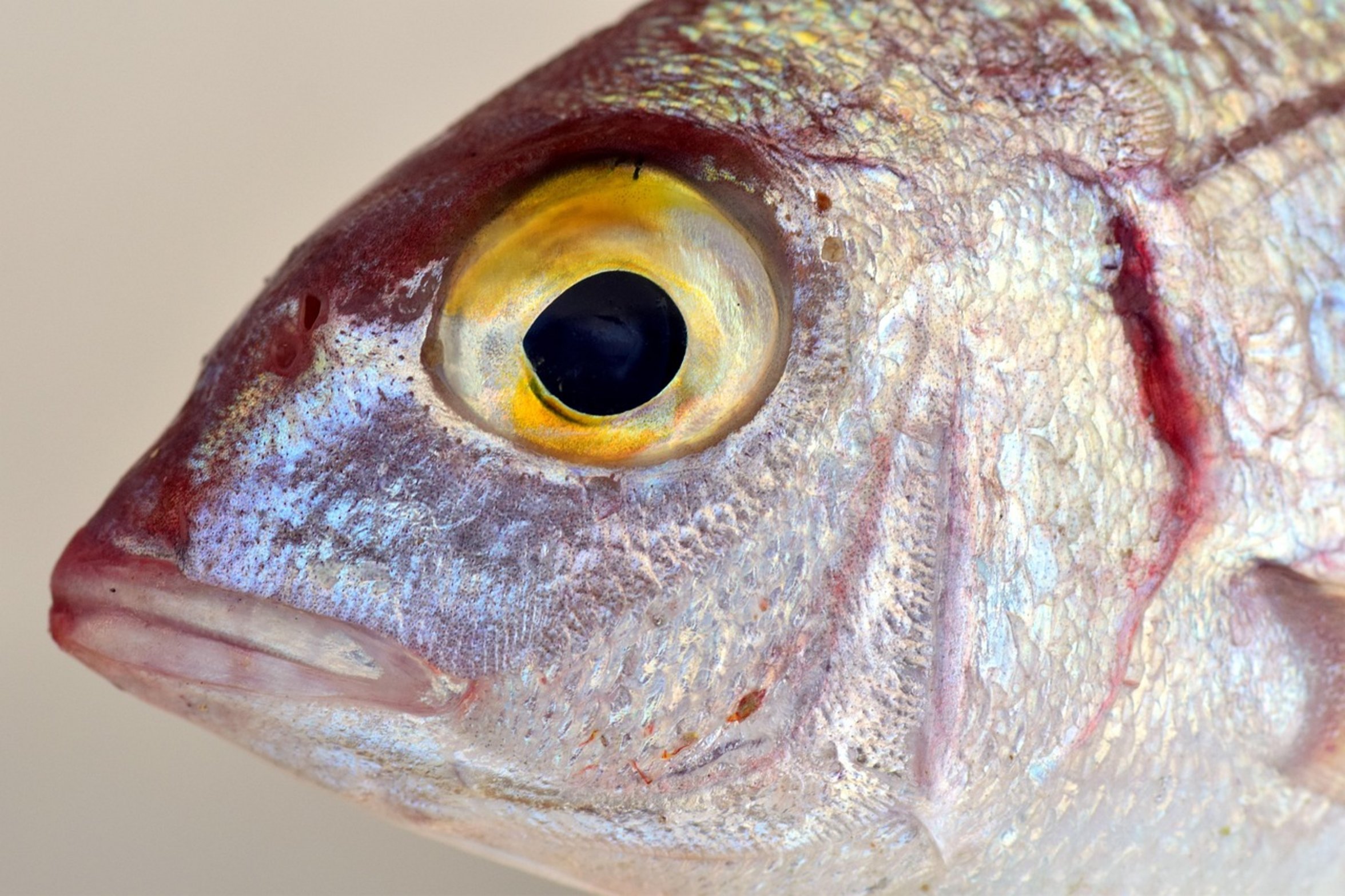
From May through November, Red Drum (also known as redfish) frequent estuaries and shallow grass flats throughout North Carolina waters. Look for a bronze-colored fish with a black spot on its tail. Red drum is known for being great fighters for their size; they can be caught in knee-deep water and make anglers happy.
Look for diving birds or rising bubbles which indicate where the fish may be located. Cut bait such as mullet heads or try artificial crab plugs. Be patient; it’s the key.
Slot limits is usually very strict. Please know regulations before leaving home. This will save you a trip to measure your catch if you accidently break a rule.
2. Spotted Sea Trout
Inshore waters become dominated by spotted sea trout in the warmer months of the year. They favor the edges of channels or deep holes in grass beds. Sea trout are visual predators.
They has keen eyesight and will be most active in lower light conditions when the water is clearer. If you look closely, you’ll start spotting their silver-colored bodies contrasting against green of the seagrass. To catch sea trout, present your lure quietly using either a soft plastic minnow imitation or live shrimp fished on small hooks.
Slowly cast your bait out there and let it drape along edge of the drop-off. Use polarized sunglasses while wearing them as it’ll help you locate these skittish fish before they notice you. Finally, sea trout are also very sensitive to water temperatures, so keep an eye on air pressure.
3. Pompano
From spring to fall, jetties and sandy beaches offer opportunities to catch pompano, prized not only for their scrappy nature but also for their flavor. Pomps likes warm water (over seventy degrees) and have a forked tail. This makes parallel casts to the beach more productive than throwing in deep water.
Pompano like nothing better than live sand fleas as a snack. Small metal jigs fished slowly with a steady retrieve near bottom is good alternatives if no live bait are available. Remember that these fish bite on a pause after a fast jig upward.
This take some experimentation to get right. Light tackle and sharp hooks… Those dainty mouths will tear at the net.
4. Black Drum
Black drum are strong fish near coasts, particularly at piers and jetties. Their strong teeth and thick scales can snap monofilament line. Bottom-dwellers, black drum eats mollusks and hard-shell crabs.
So expect to use heavy bait, as they will ignore light lures. The baits is oyster shells and chunked up crab meat. Tactics: Sink your rig deeply into areas where the black drum hold.
Near structure. It will be a long and fierce battle that test an angler’s strength and stamina. The fish rarely jump, but they apply a steady pull that eventually wears down the angler.
Do yourself a favor and bring big-time gear because these fish aren’t messing around. Treat with respect.
5. King Mackerel
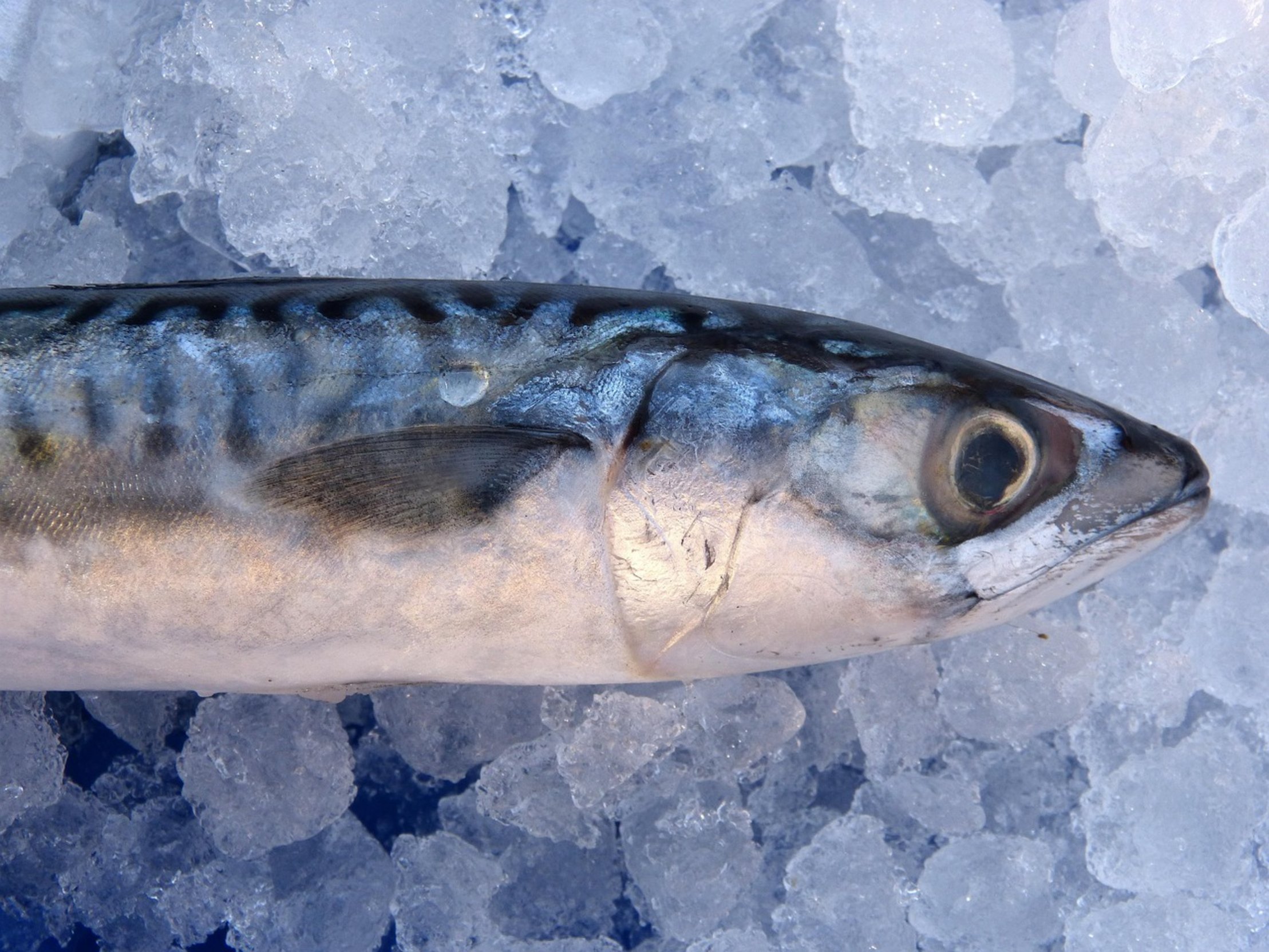
Summer brings big schools of king mackerel offshore where they aggressively pursue baitfish on the surface.
They are fast moving fish with a high metabolism that strike quick and hard. It’s important to cover water quickly until you find an active school before they relocate. Live pilchards trolled over bait balls or fast fished lures works well.
When they are hooked up, nothing in our local waters can match a king mackerel for speed. Maintain your pressure on the fish because they will break loose if given time amongst any type of debris. The fight provides a real shot of adrenaline which more than makes up for work it takes to track them down.
6. Flounders
Bridge channels and inlets hold flounders year round as they bury themselves in sandy bottom and wait for an unsuspecting meal to come swimming by them. Because of their flat body, they’re perfectly camouflaged on the bottom. They also tend to be more active at night making it one of the best times to fish for flounder.
Throw live menhaden or mullet over areas you know to hold flounder and pull it back towards the shore slowly. Feel for the light bite where it’s just a bump on your line, keep your line tight. When you hook a flounder, they’ll often take off because they bite harder than you’d expect for their size.
Be prepared with heavy braided line, along with a fluorocarbon leader, to deal with their rough skin and quick runs.
7. Sheepshead
During the year sheepshead inhabit rock piles and other structures such as boat docks. Their tooth design for crushing shellfish makes live shrimp a great bait option.
Because they can be fussy eaters regarding presentation, it’s best to scour more hidden locations off busy piers. Position a small hook with shrimp onto pilings or oyster reefs and let it sit for a while. The bite might just feel like something shifting the line.
Be quiet while waiting for her to bite. If disturbed, these smart fish will remember your presence and won’t bite again for a long time. Handle them gently and move around quietly to improve your odds of catching several fish during each trip.