
The ocean off of San Diego is a complex habitat system that can be accessed from a simple concrete pier. This isn’t simply “water” here; there are changing currents, sea grass fields (kelp) and secret features that determines how fish occupy the space. For many novices, surf fishing seem like a relaxed hobby: Grab your bread, stick and patience, problem solved.
While effective for passing the day, those methods won’t fill the dinner plate. Real success requires more than crossing your fingers; you need to know how the coast works. Local knowledge and preparation are frequently the deciding factors in filling or leaving your cooler empty.
The city of San Diego provides some different fisheries including urban piers, rocky jetties, and even some sandy beach fishery types as well. These all has different strategies. What works on Sunset Cliffs won’t necessarily work at Mission Bay and vice versa.
Here’s how to catch ’em consistently versus hoping to get lucky like a beginning angler does.
Essential San Diego Surf Fishing Tips for Beginners
1. Understanding Tides and Timing
The one thing that may be most important for San Diego surf fishing is timing your trip based off the lunar cycle. Tides, which are controlled by the moon, have a very heavy connection with fish feeding activity.
Major tidal change areas (i.e., two hours surrounding high/low tide) typically yield the best bite. During slack water, fish will generally shut down as they’re not getting any prey items stirred up. Ideally, you’ll be casting when there’s just enough current to activate their predatory instincts without it being so strong you can’t manage your bait.
Before heading out the door, make sure to check the local tide chart. You’re looking for a day that has a big range in the tides (four feet or more) as opposed to a smaller one. When there’s four feet or more between low and high, it means lots of water movement.
This means there will be lots of nutrients and food moving into the shallows where those bigger predator species lurk. It also tends to help push the baitfish out of the deeper channels and into places you can reach from the bank. If there isn’t any movement, you’re often just fishing a dead zone in terms of life.
2. Target Species Identification
Your tackle selection depends on what species you’re after. There’s a lot of different fish that frequent the surf zones around San Diego, but there are three primary species: Stripers (striped bass), various Perch/Croaker species and halibut. Halibut stay near the bottom, especially around structures on the sandy floor, so they need heavier gear and slower presentations.
Stripers will cruise the open waters as well as chum lines, and excel at bait with some movement such as squid or mackerel. For croakers, piers and rocky structure is their home, and they’ll take smaller chunks of clam meat, or lighter lures. Knowing which fish are active in your chosen area saves you from the frustration of having the wrong bait, lure, or hook size.
3. Local Fishing Regulations
California has some serious laws that get enforced When an officer opens up your cooler, ignorance is not a valid excuse. Know the bag limits and size limits of all the species you catch. For instance, halibut have annual slot limits.
Knowing which sizes you can and cannot keep will save you a lot of money and help you keep your fishing privileges. Bring a scale if you can and a measuring board. Make sure you know how to legally land a legal fish and how to throw back one that isn’t right away because it is against the law.
That’s plenty of chances on the ocean if you go there and follow their rules.
4. Selecting Effective Bait
When targeting picky fish in clear water, making the right bait choice will have a big impact on your day. The best option for bottom fishing around rock piles or other structure tends to be clam meat here in San Diego.
Clam meat stays on the hook well and leaves an enticing smell trail that draws in curious bottom feeders. Squid strips or even cut up mackerel makes excellent drift baits in the open surf, mimicking their natural prey perfectly. Conditions determine which type of bait will perform better, with fresh being more effective than frozen in tough situations.
When you’re not getting bites, consider cutting your bait into smaller pieces that are roughly the same size as the fish you are targeting.
5. Essential Gear Setup
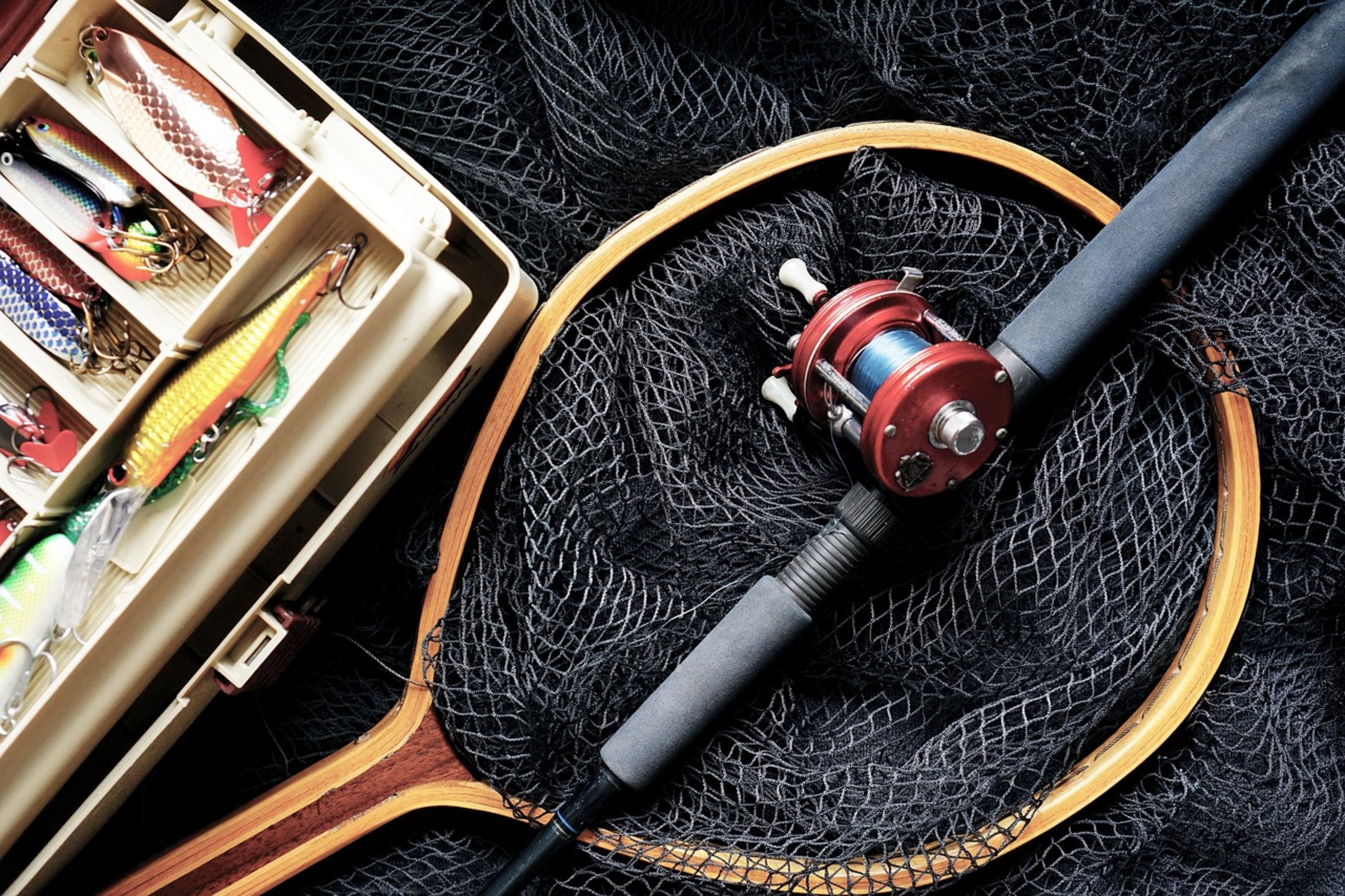
Focus your gear selection on durability and sensitivity rather than bling. Medium-heavy spinning rods, teamed with a 3000 to 4000 series reel is powerful enough to horse big halibut yet sensitive enough to feel those light bites of other species.
Fluorocarbon leaders keep the rig out of sight in clear coastal water. Braid is good because of its fine diameter and strength, but you should also include a leader to protect your rig from being worn down by kelp or rocks. Keep it simple like fish finder rigs or basic drop-shot rigs that let the bait hang naturaly off the bottom without snags.
Complexity often leads to tangled lines and missed opportunities.
6. Weather and Conditions
The weather is also a major factor each day. The best fishing is usually found when it’s overcast and calm.
The fish aren’t as pressured by lowlight conditions and are more likely to come up off the bottom feeding around cover and even shallow. Just be aware that if there is a high surf warning or any kind of storm front approaching, do not fish for the sake of your safety. Not only will strong wind make casting hard, but it can get real slick on those rocks or piers.
Look at the weather report not only for the possibility of rain, but how big the waves might be and which way the wind is blowing. If the seas are flat, you have control of delivering your bait exactly where you’d like.
7. Top Fishing Locations
With that much variety of locations in SD, do not be afraid to bounce around when things get tough.
If something stops producing, move to another spot. You can find some great structure fishing for both rockfish and halibut off Sunset Cliffs. The Oceanside Pier is known for bigger fish because it’s so long over deep water.
La Jolla Shores offers families a safe place to go fishing with pretty good croaker and perch action. On a good tide, if you haven’t had any activity within an hour of active fishing, then move around. Each day there will be different small areas with different fish populations.
Being able to adapt your location is part of the skill set needed to consistantly catch fish.
8. Safety in the Water
No matter what, safety should always come first at the coast. Even a strong swimmer can get swept away by rip currents in mere seconds.
Pay attention to how waves are running and always face the ocean. Wear polarized sunglasses to cut down on glare so you aren’t caught off guard. This will help you look for potential hazards such as underwater debris or rocks.
Be sure to bring adequate sun protection and lots of fresh water because the California sun burns hot and dehydration impairs your reaction time. Fishing shouldn’t be dangerous… It’s meant to relax you.
So respect the Pacific’s power and it will pay you back with unforgettable memories that will last much longer than any one fish catch. Being able to change beats expectations, the ocean doesn’t follow your plans; it cares only that you’re prepared to adapt. Some days, even with ideal conditions, you won’t get a single bite.
Other days, mediocre conditions will result in an unexpectedly great day. It’s not just how many fish you catch but what you can learn from each trip. Pay attention to the tide, what works, and use those lessons for the next trip.
It’s all a series of little adjustments. It is a marathon, not a sprint. However, surf fishing in San Diego can be very rewarding.
So maintain your patience, keep your knowledge sharp, and your gear at the ready. The next big bite could be right around the corner.