
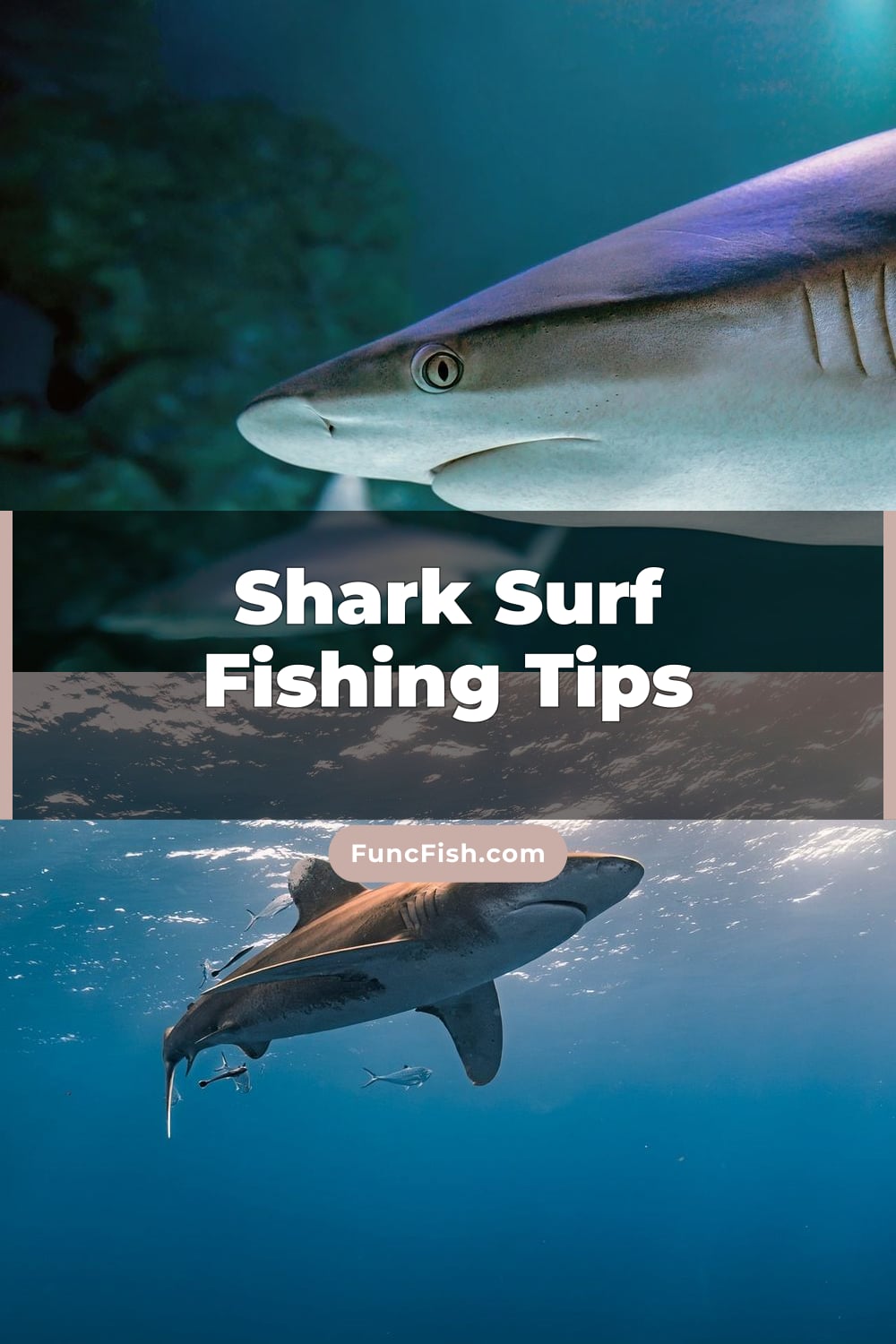
Fishing for sharks are not like other types of surf fishing; there is certain characteristics about it that separate the casual angler from serious shark hunting predator: patience and preparation. The ocean is a big place, giving the massive predators plenty of room to roam around in shallow waters when they follows schools of baitfish that ebb and flow with the tide. They won’t simply sit out in open water waiting for your offering.
You must be smart about location, timing, and gear to entice one to take your “fish meat”. Sharks is powerful and cunning creatures. A lot of newbies think all big rods is suitable for shark fishing, big mistake and an expensive one.
First off, sharks don’t pull like fish. They runs in long stretches and at great speed. They will rip several hundred yards of line out of your reel in mere seconds.
Additionally, they violentely thrash their heads back and forth, dislodging poorly-set hooks and weakening baits. Knowing how it works alters your mindset about the journey. With the proper information, you can avoid a broken leader and hook into trophy catch.
Essential Tips For Successful Shark Surf Fishing
1. Timing Your Fishing with Tides and Moon Phases
While most anglers pay attention strictly to time of day, the moon phase also plays an important role that’s often ignored. Baitfish move into productive zones based off lunar cycles; the stronger tides during new and full moons create ideal conditions for predatory ambush opportunities. A spring tide results in drastic changes to water depth levels which move fish to particular sandbars and channels that make them easy targets.
2. Identifying Prime Shark Hunting Spots

When you have current, you’re looking for that bite. Not when the water sits stagnant. To find the right spot for fishing, reading bottom structure is key.
Where sharks hunt, thats where you need your bait. On flat beaches, there is no concentration point for their food source, so they won’t hang around long. Instead, seek out cuts in the sand, rocky outcrops, or areas near jetties and bridges.
These are prime ambush spots, where sharks can lie in wait until a school of sardines or mackerel swim past them. Use your eyes; dark water will often show you where the drop-offs is, and a fish finder will reveal deeper channels closer to shore. The closer you put your bait to these structures, the more likely you are to catch something.
3. Selecting the Right Reel and Line Strength
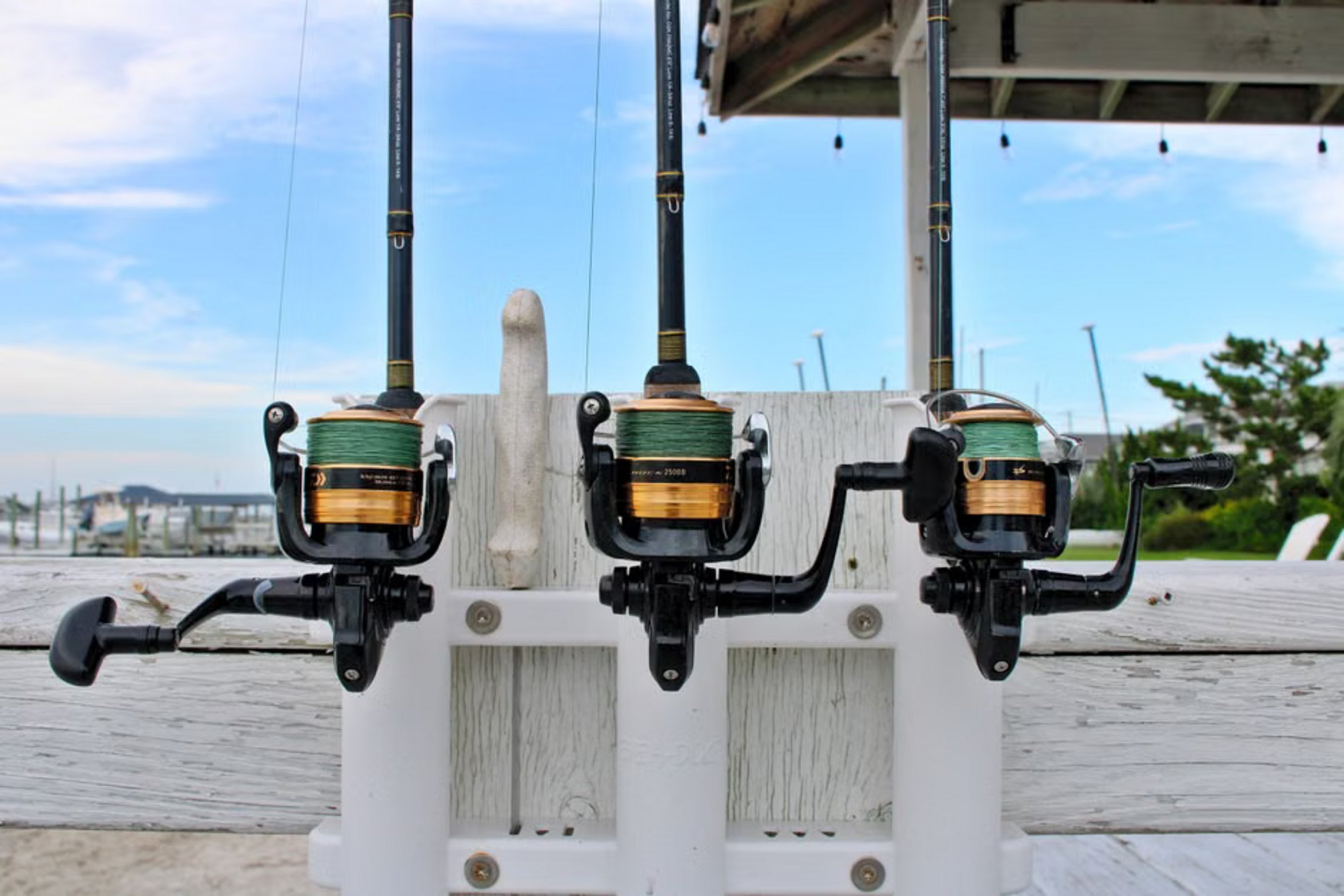
A solid reel and some heavy line are essential in building a shark fishing rig. When a big shark get hooked, it puts out a ton of energy all at once and lightweight tackle won’t last long. Use a good old fashioned reel spooled with no less than 50 pound braided line and two-hundred yards worth for leverage and make sure the rod can handle the shock load while maintaining its integrity.
Braid lets you throw furtherer and offers less stretch than mono, giving you better sensitivity when detecting bites on the bottom. It will also keep your equipment intact when the fish make a run because braid doesn’t give up easy under strain. Cut baits are effective, but you have to pay attention to the size and presentation.
4. Choosing Effective Bait and Presentation
For smaller species, whole small fish is good; bigger sharks such as blues or lemons tend toward big chunks of squid, bonito or other mackerel. Bleeding your bait is important because it adds scent that calls them up out there from a long way off. Thread the bait onto the hook or use rubber bands to secure it tightly so it can’t wash off when you cast and during initial retrieval.
That tight presentation allows you to remain in strike zone longer so the shark has more opportunity to get the lure all the way in his mouth before you set the hook. This is where the shock leader comes into play. This is the connecting point between your main line and the dangerous teeth of sharks.
5. Setting the Hook Properly for Sharks
Normal fishing line can easily be severed in an instant by the sharp teeth that sharks uses to slice up their prey. Fluorocarbon or stainless steel cable leaders are typically used as they’re strong enough for a fight but not so stiff as to hinder natural action of the bait. They’ll also protect your braided line from getting chewed on.
This protects you from losing a trophy fish just when you thought you’d won the battle. Experienced anglers know how to set the hook correctly, but those who keep losing fish does not. Unlike trout and bass that may just grab the bait and hold it in their mouth, sharks grabs and tear and also sometimes swallow.
When this happen, you can afford to give them a softer set because if you jerk too hard on a superficial hookset, it’s likely to come out as you’re fighting the fish. Let it make a good run before you tighten down. Wait a second or two until the first tug, then set.
The hook will penetrate more firmly in the tougher tissues and will give you a solid hold that can stand up to other runs and head shakes. Catching a shark is only half the battle, getting it back in the water alive is equally critical. The best way to do that?
Catch and release. Minimize your contact with sharks you aren’t keeping; less stress on the shark means less physical injury too. If you must handle them, use a wet net to prevent damage to its slime coat and sensitive skin (which protects from infections and parasites).
Let the shark go as soon as possible by cutting the line near the hook, instead of attempting to unhook it, so it has a better chance of recovery in water. The faster they get back into the water, the better chance they have at surviving. Quick releases lead to higher survival rates, meaning the shark can live to feed again another day.