
The Gulf of Mexico covers an area that is more than 600,000 square mile. This area include warm water that is rich in nutrients. The nutrient-rich water supports a variety of marine life.
Sharks thrive in the Gulf of Mexico due to the different habitats in which they live in an gulf. These habitats include shallow areas where there are warm inlets and deep areas in the Gulf of Mexico where sharks lives in over one thousand feet of water. If you fish in the Gulf of Mexico, if you go on a dive in the Gulf of Mexico, or if you watch some of the nature documentaries about the sea, your understanding of sharks will change.
There are many different species of sharks that live in the Gulf of Mexico that will surprise you when you learn of they variety. For instance, some shark species live only a few yards from the nearest beach while other species dwell in depths of one thousand feet in the Gulf. Each of these species have there own place in the ecosystem.
Even without being a marine biologist, you can learn about some of the most common types of sharks that live in the Gulf of Mexico. You may encounter some of these species when you go on a fishing trip, when you go on a snorkeling vacation, or even when you are simply watching the horizon line of the Gulf of Mexico. The sharks that live in the Gulf of Mexico include the species that is listed below.
These sharks are listed from the type of shark that you are most likely to spot to the shark that lives in the Gulf of Mexico in the most hidden fashion.
Common Types of Sharks in the Gulf of Mexico
1. Bull Sharks
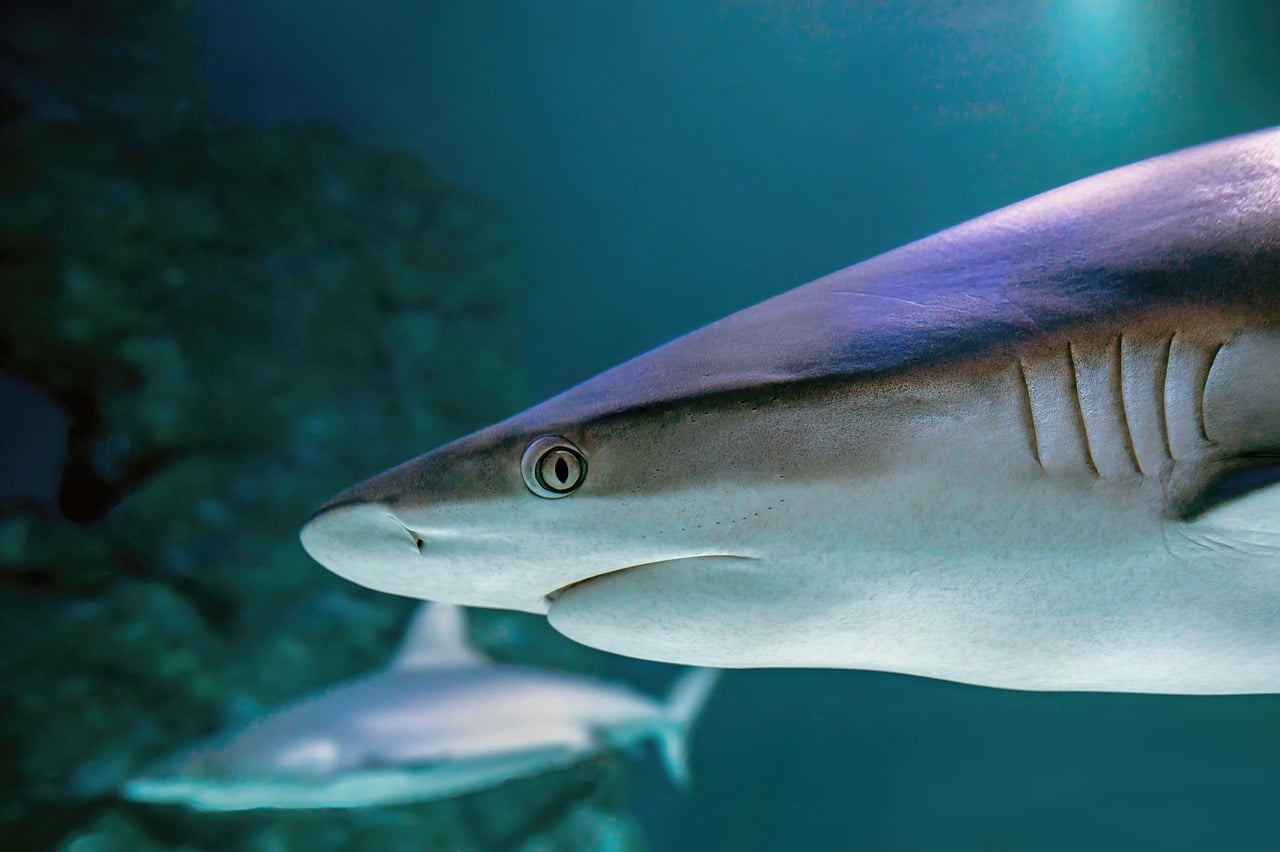
Bull sharks live in the shallowest areas of the Gulf of Mexico. Bull sharks are able to live in areas that have brackish water or even freshwater areas, such as the locations where the river empty into the Gulf.
Bull sharks have thick bodies. Bull sharks also have broad heads. Their kidneys can process both types of water, which allows bull sharks to make use of the different levels of salt water and freshwater.
Bull sharks are able to live in these areas due to their physical characteristics and their ability to handle various types of water. Bull sharks are able to find food in these areas as well. Bull sharks eat other sharks’ prey such as stingrays, crabs and fish on the fishing lines of fishermen who live in these areas.
Most encounters between humans and bull sharks dont result in any incidents. However, bull sharks are one of the shark species to avoid in the Gulf of Mexico.
2. Blacktip Sharks
Blacktip sharks are attracted to the areas where the water is clear and warm.
Blacktip sharks have black tips on their fins and their tails. Blacktip sharks are relatively small, usually no larger than six feet in length. Blacktip sharks are the most common species of shark in the Gulf of Mexico and they are most often seen in the warmer areas near passes and beaches along the Gulf coasts.
Blacktip sharks’ favorite food consist of schools of smaller fish. Because of their tendency to eat small fish, blacktip sharks may mistake a dangling fishing line for food. Blacktip sharks do not bother humans when they are sighted in the Gulf of Mexico.
However, their acrobatic jumps when hunting for prey create opportunities for humans to view the species from the piers that line the Gulf Coast.
3. Lemon Sharks
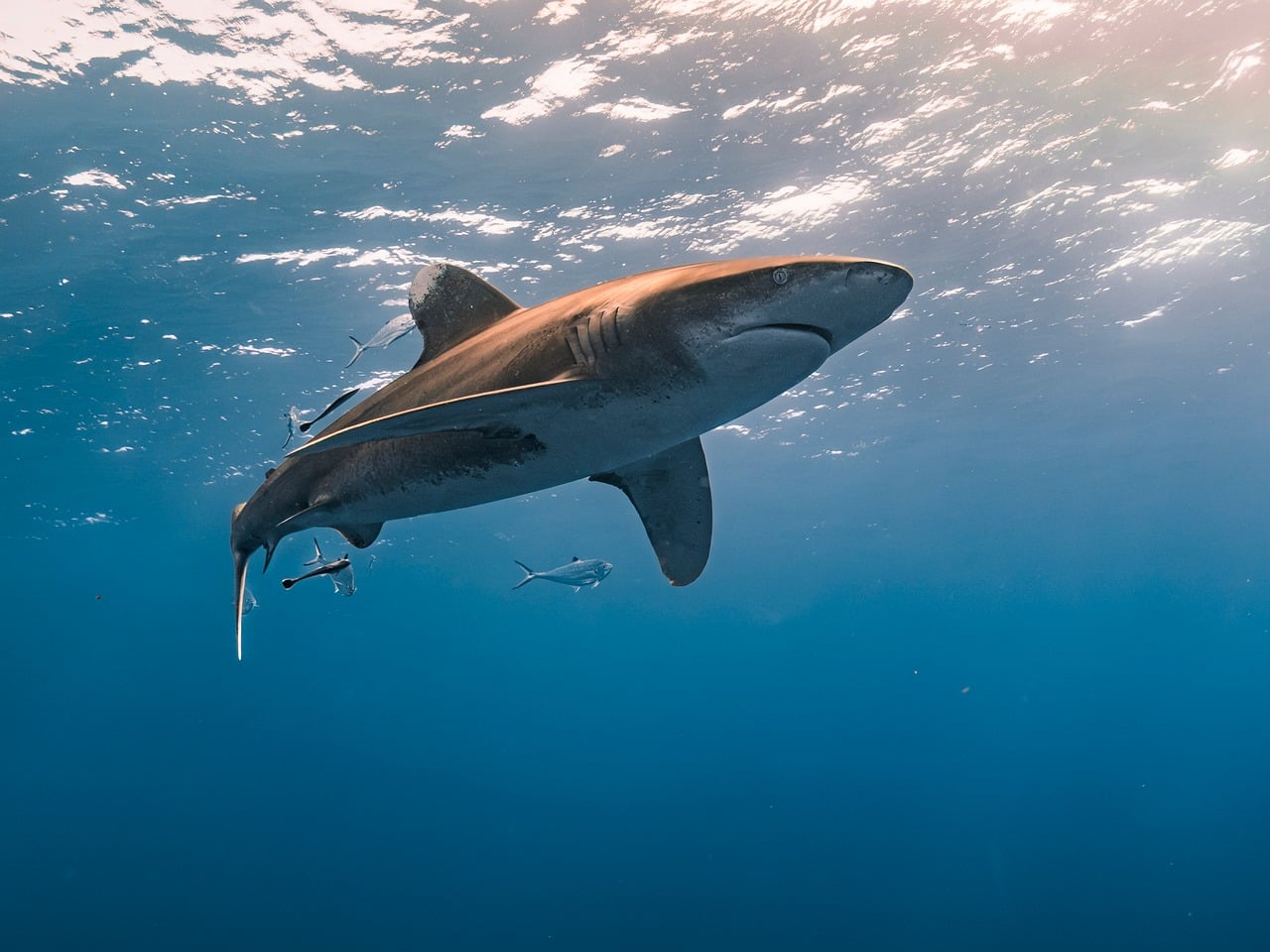
Lemon sharks live in the same areas that grass fish live in, especially in mangrove areas. The skin of lemon sharks is yellow tinged which allows them to blend into the environments where they live.
Additionally, young lemon sharks use these areas until they grow to be adults, when they begin to explore the Gulf further from these mangrove shores. Adult lemon sharks, on the other hand, can reach lengths of ten feet or more. They have heavy bodies which allow them to pursue other larger sea creatures, such as rays and larger fish species.
While lemon shark sightings near the mangroves are considered relatively calm and non-aggressive towards humans, these species should still be respected and avoided.
4. Nurse Sharks
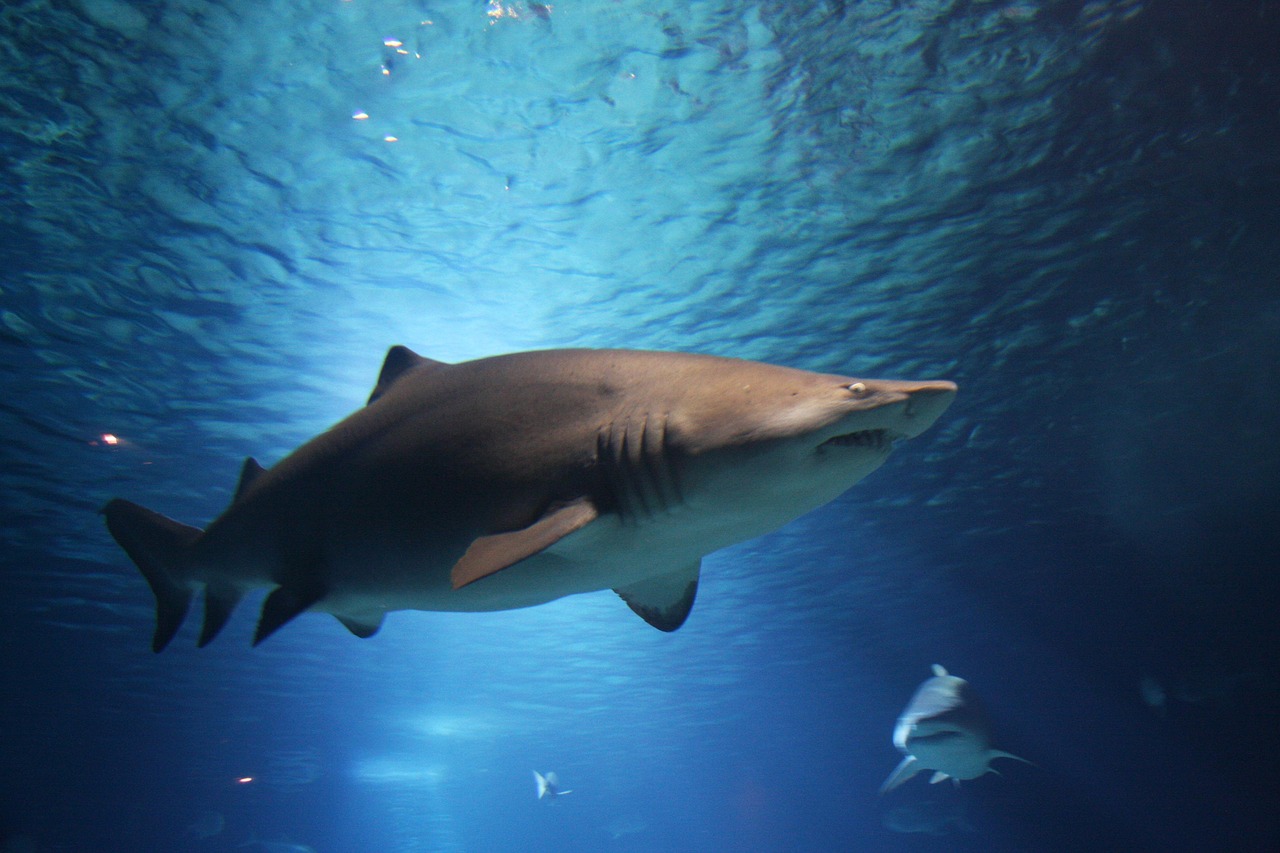
Nurse sharks live on the ocean floor in the Gulf of Mexico and are relatively motionless when they are not hunting. Nurse sharks have broad heads, long barbels and small eyes that allow them to search for food in the ocean floor environments where they live.
Nurse sharks use their strong jaws and teeth to remove crabs, shellfish and lobsters from the ocean floor crevices where they live. People also often see nurse sharks resting on the ocean floor in groups on ledges or wrecks. Nurse sharks may be relatively lazy and motionless when humans spot them, but their jaws are strong enough to bite at any object that comes near them.
Nurse sharks are often seen on night dives in the Gulf of Mexico, ranging from Texas to Florida.
5. Tiger Sharks
Tiger sharks have large dark vertical stripes on their bodies, especially when they are young. Tiger sharks are the largest type of shark in the Gulf of Mexico, can reach lengths of over fourteen feet and can weigh over one thousand pounds.
The blunt snouts and serrated teeth of tiger sharks allow them to eat food species as varied as sea turtles to license plates. People often see tiger sharks near oil rigs and drop-offs in the Gulf of Mexico. Additionally, their curious nature allows them to investigate anything that moves or floats in the ocean waters.
Most bites that tiger sharks take at humans are due to mistaken identity, as they are the most likely species to see a human when they cruise past boats in the gulf.
6. Atlantic Sharpnose Sharks
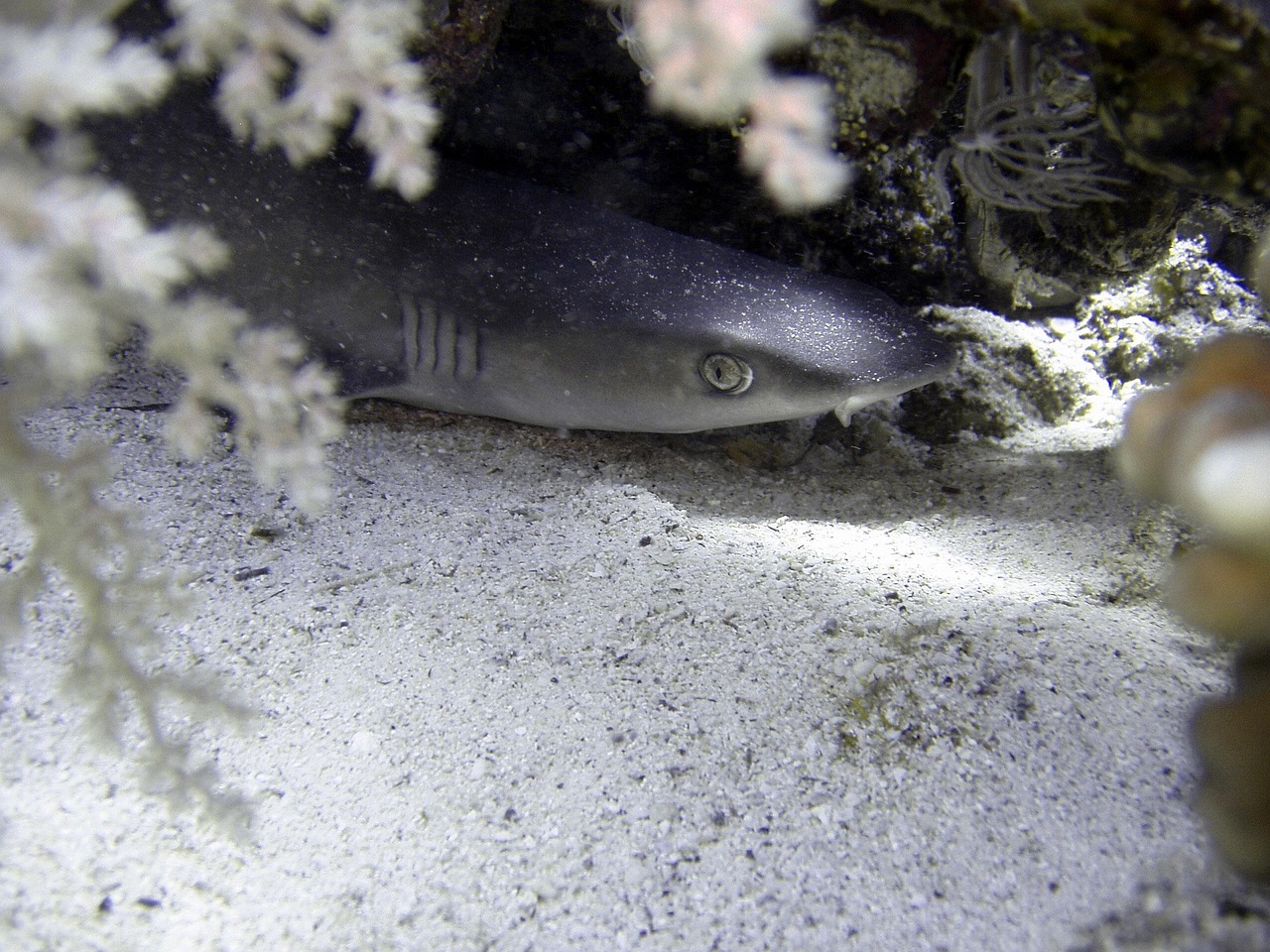
Atlantic sharpnose sharks are abundant in the Gulf of Mexico in the summer months. Atlantic sharpnose sharks are small in comparison to other shark species, as their length rarely goes past three feet.
However, their abundance ensures that they are one of the most numerous types of sharks living in the Gulf. Atlantic sharpnose sharks have pointed snouts and white trailing edges on their fins. Atlantic sharpnose sharks eat species of prey such as shrimp, small fish and squid.
Fishermen often catch these sharks in large numbers on fishing trips in the Gulf, and the presence of these abundant sharks makes them an option for children learning to fish. Additionally, they reproduce early and develop quickly to adulthood, so their populations tend to rebound rapidly after humans fish them.
7. Hammerhead Sharks
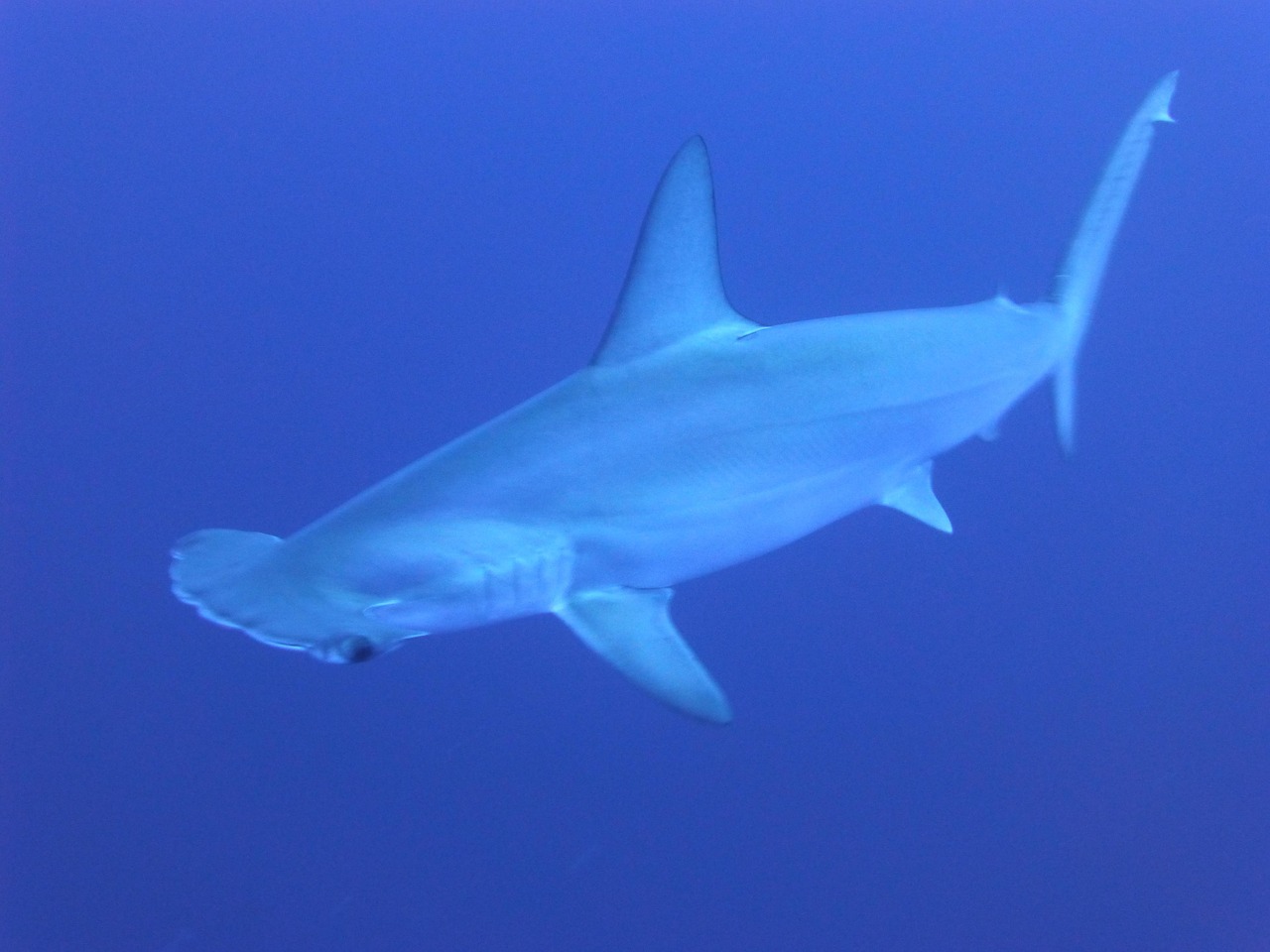
Hammerhead sharks are known for the flattened heads that they have on each side of their bodies.
These flat heads have electroreceptors that allow them to see their prey that they are hunting in the ocean floor environments where they live. The hammerhead sharks that is most common in the gulf are scalloped hammerheads. These species of hammerheads live in schools that can number in the dozens or even in the hundreds.
People often see these schools of hammerhead sharks cruising near the ocean’s surface in the summer months. Additionally, there eyes are located at the extreme edges of their heads, which provides them with 360-degree vision. Hammerhead sharks tend to get entangled in fishing nets and there are conservation efforts in place for the different species of hammerhead sharks.
8. Shortfin Mako Sharks
Shortfin mako sharks are seen in deeper areas of the Gulf of Mexico. These sharks have a metallic sheen to their bodies, pointed snouts and large black eyes. Shortfin makos can grow to twelve feet in length.
Shortfin makos use their bodies’ ability to maintain their muscles at a higher temperature than the water around them, allowing them to jump clear of the water when fishermen hook them. Shortfin makos are most often seen on fishing trips to the Gulf of Mexico. Additionally, their strong fighting abilities allow them to jump and run when they are hooked to the fishing lines of fishermen on these trips.
Shortfin makos live in the open water of the Gulf of Mexico and travel widely throughout the area.
9. Whale Sharks
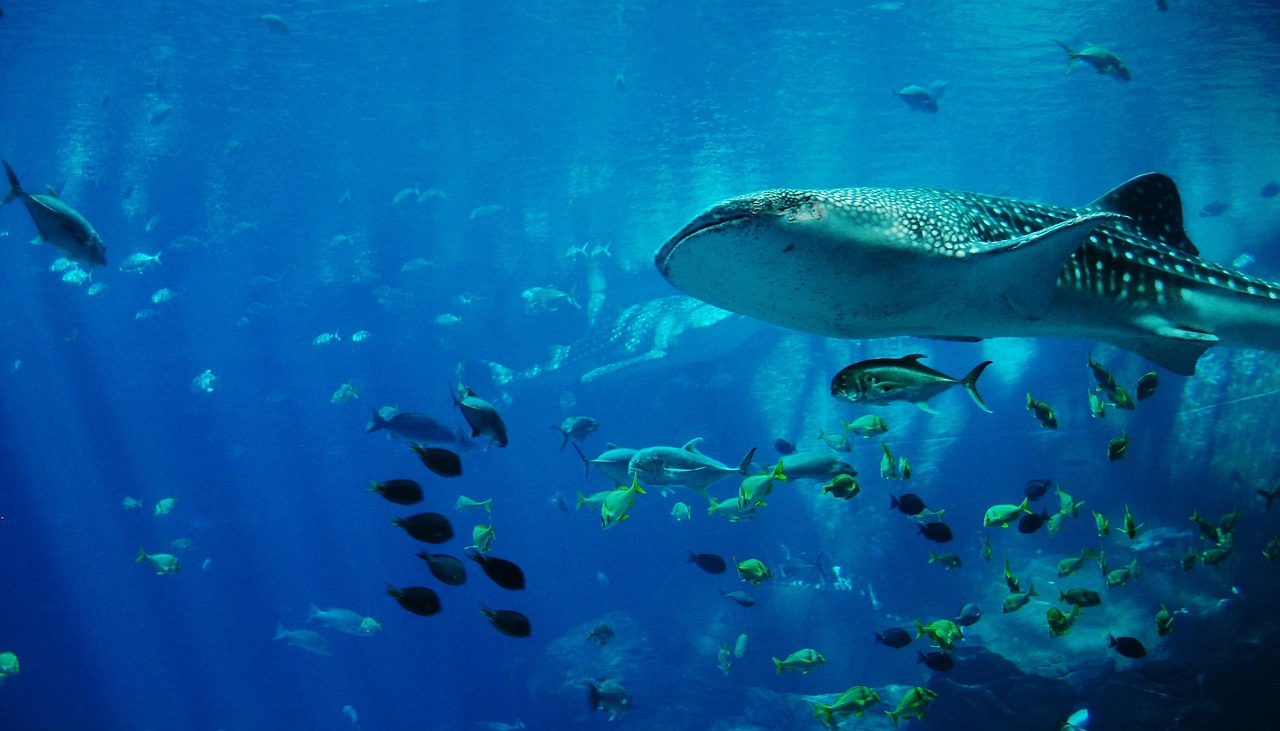
Whale sharks are the largest type of fish in the sea. These fish are seen in the Gulf of Mexico during the summer months when they visit these waters for feeding.
Whale sharks visit the Gulf of Mexico due to the abundance of plankton in the area during the summer. The largest type of fish in the sea can reach lengths of forty feet. However, whale sharks are gentle giants as they feed on the plankton that pass through their gills.
Additionally, these fish gather near areas such as the Yucatan Channel where they feed on plankton. These species are awe-inspiring to see, especially due to their massive size but gentle natures towards humans. Despite the fact that whale sharks do not pose a threat to humans, their size indicates to tourists that they should never touch or ride these gentle giants.
The variety of shark species in the Gulf of Mexico indicate the richness of the gulf and the adaptations of its inhabitants to the various ecosystems in the area. Each of the species of sharks has its own habitat to call home in the gulf, and each of these species has its own special story in the great story of the sea. Thus, humans should respect the space of the different species of sharks in the Gulf of Mexico, follow the rules of the area and keep their eyes open for the next species of shark to be spotted in the gulf.
Thus, understanding the sharks of the Gulf of Mexico does not remove the mystery of the sea, but only magnifies the mystery of the sea’s most unknown inhabitants.