
Off the coast of South Carolina, there is a surprising variety of sharks living in the waters. There are sharks that live in the shallow bays near Charleston, as well as those that live in the deeper drops beyond Hilton Head. These ancient predators cruise the same coast where families build sandcastles and where anglers cast lines for redfish.
While seeing one of these sharks may cause a sense of tension in the chest, most encounters between people and these animals end in nothing more than a good story. By understanding which shark species live in South Carolina, some of the mystery of the coast can be removed. Understanding the species of sharks that call the coast of South Carolina home will leave every South Carolina resident better prepared for every beach day or fishing trip that may come there way.
The waters off the coast of South Carolina is a mix of warm currents, tidal creeks, and abrupt shelf edges that attract an even more varied mix of shark species. Some of these species live in the shallows to hunt for stingrays while others live in deeper waters to hunt for their prey. If you are familiar with the shark species that live in South Carolinas coastlines, you can begin to appreciate the ecosystem that exists in these waters.
Below is a list of the different shark species that visitors and residents of South Carolina are most likely to encounter. The sharks that most beachgoers spot are blacktip sharks. These sharks have distinct black tips that define their dorsal and pectoral fins.
Common Shark Species Found In South Carolina
1. Blacktip Sharks
Their streamlined bodies allow them to chase baitfish in groups near the breakers, especially during the fall when mullet are visible in the coastlines. You can see these sharks jumping out of the water while chasing their prey. Blacktip sharks rarely grow to more than six feet in length and live in waters shallower than twenty feet deep.
These sharks is curious about the world around them and will investigate a swimmer or fisherman’s bait. The teeth of blacktip sharks are small and will allow them to release their prey when they realize that the swimmer is not a mullet. Despite this behavior, bites from blacktip sharks can require stitches.
Thus, beachgoers should avoid wading into these waters and should avoid swimming while blacktip sharks are actively feed.
2. Nurse Sharks
Nurse sharks live on the South Carolina coast and are known to act like couch potato. Nurse sharks live on the ocean floor and have the barbels along their upper jaw that look like a mustache on a catfish.
During the day, nurse sharks live in shallow caves or half-buried in the sand. However, they are most active at night when they use their mouths to eat crabs, lobsters, and fish. Nurse sharks have a docile temperament that makes them popular among divers and snorkelers who want to enjoy these sharks without being scared of them.
Nurse sharks can grow to fourteen feet in length. However, those that live in the bays of South Carolina rarely grow to more than eight feet. Nurse sharks have a set of small serrated teeth that can deliver a nasty pinch if a swimmer steps on the nurse shark or otherwise handles them.
Thus, while people should enjoy their presence while snorkeling or diving, they should not touch a nurse shark. Their calm nature is one that allows them to survive in areas with much human activity. The third shark species to encounter while visiting the South Carolina coast are the Atlantic sharpnose sharks.
3. Atlantic Sharpnose Sharks
These sharks have the body shape and color of the sand and go unnoticed by beachgoers until an angler reels one of these sharks in. These sharks reach a maximum size of around four feet and live in every bay along the coast between spring and fall. Their name comes from their sharply pointed snout that gives them a perpetually surprised look.
These sharks are opportunistic feeders and eat almost anything that they can fit into their mouths. Most novice anglers will catch their first shark species to be an Atlantic sharpnose shark. Its mild and flaky flesh when prepared is a favorite of local fishermen who keep a few of these sharks on the grill for dinner.
Their rapid rate of reproduction allows anglers and fishermen to add these sharks to their catch even if they are an occasional hobby for these enthusiasts. Sandbar sharks, also known as brown sharks, live in the same shallow waters as blacktip sharks but with a more businesslike attitude. These sharks have a tall triangular dorsal fin that forms one of their most distinctive features.
4. Sandbar Sharks
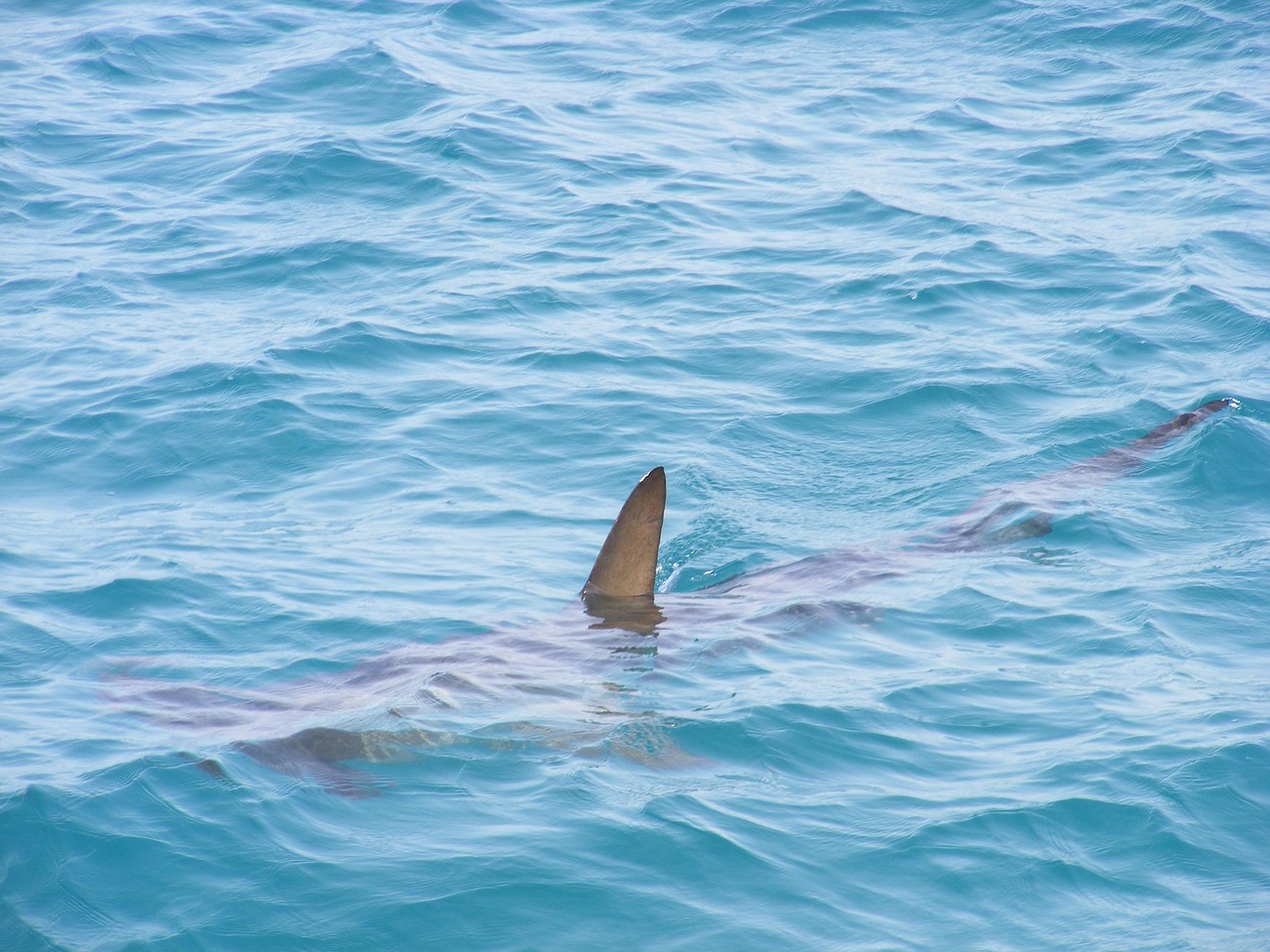
Sandbar sharks can grow to six to eight feet in length and have a thick body that allows them to produce a great deal of strength to defend their territory. These sharks give birth to their pups in the shallows along the coast during the summer months. Thus, anglers are asked to release any sandbar sharks they encounter in these areas to allow the pups to grow to a big enough size to live further from the shore.
When these sharks are seen gliding by with their pups, it is a reminder of the sandbar shark’s role as the maternity ward for these sharks during their mating season. Next on the list of shark species that may be encountered off the coast of South Carolina are the tiger sharks.
5. Tiger Sharks
These massive predators have a blunt appearance with dark vertical stripes when they are young that fade over time.
These predators are only spotted in the warmer months of the year as they follow the movements of sea turtles and fish. A twelve-foot tiger shark has been spotted along the coast of South Carolina. These predators are also curious about the world around them and will investigate a boat or pier.
Despite their size, tiger sharks have teeth with serrated edges that allow them to eat almost anything, including license plates and sea birds. Their indiscriminate eating habits have created a reputation for them to be the “garbage disposals” of the ocean. Although the odds of encountering a tiger shark are low, these predators are one of the reasons that “no swimming after dark” warnings exist on many of the coast’s piers.
6. Great Hammerhead Sharks
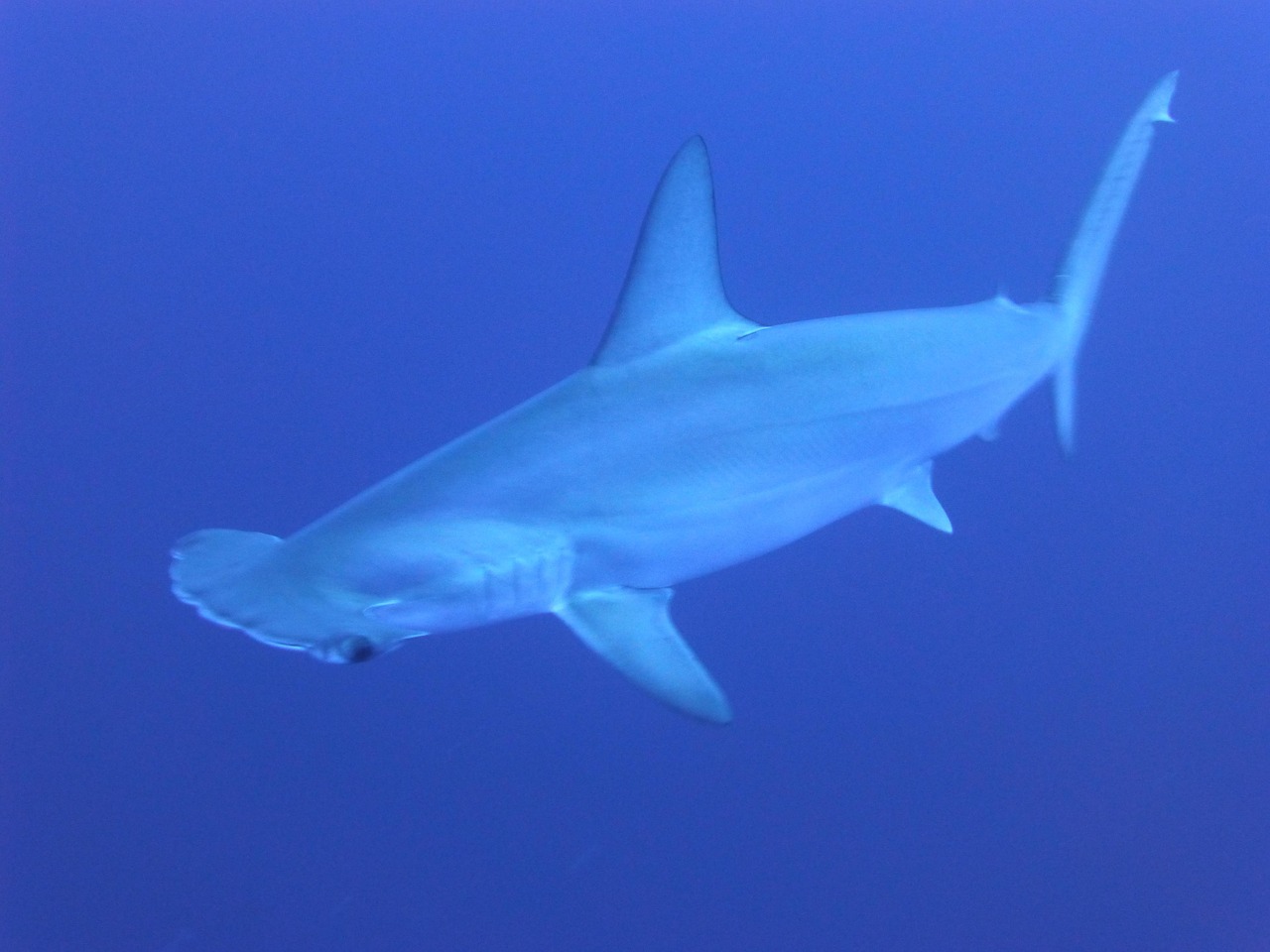
Great hammerhead sharks are some of the most dramatic of the shark species spotted along the South Carolina coast. These predators have a unique appearance with their flattened heads that have eyes on each end. These species can grow to fifteen feet or more and are quite common between May and October in South Carolinas waters.
The flattened heads of these sharks allow them to pin stingrays on the ocean floor where they can eat them. The immense power and size of these predators means that anglers and marine biologists must respect these species. For recreational anglers and marine biologists alike, these sharks are two of the most desired species to encounter.
South Carolina’s waters provide great hammerhead sharks with important feeding grounds. Spinner sharks are another species of shark that is spotted along the coast of South Carolina. These predators have the unique tendency to corkscrew out of the water when they are feeding.
7. Spinner Sharks
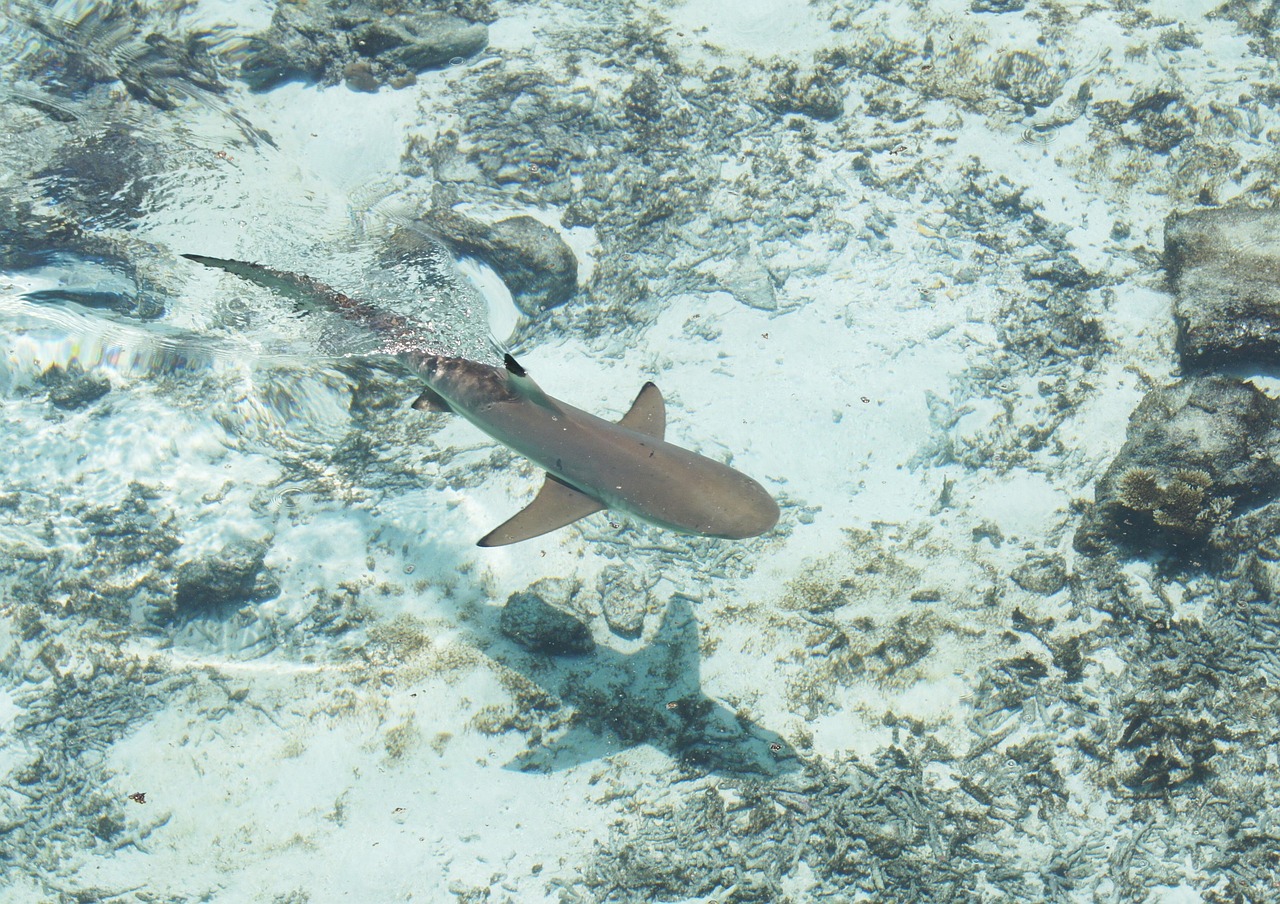
Spinner sharks are related to blacktip sharks but are slightly larger. They also have longer pectoral fins. Spinner sharks exhibit this behavior when they are hunting their prey.
These sharks will spin completely around while airborne before they crash back into the water in a spray of foam and scales. This behavior is not one of joy but part of the feeding process. Spinner sharks rarely interact with humans but may make the waters uncomfortable if one is in the middle of a feeding frenzy.
These predators are mostly spotted further offshore but do come inshore near the surf. Spinner sharks grow to around eight feet in length but are considered a sport fish for anglers who can handle the acrobatics that these sharks exhibit when hooked. While spinner sharks are an inshore species, bull sharks move further offshore as well as into the freshwater rivers that roll into the coast.
8. Bull Sharks
Bull sharks have a stocky and aggressive nature but have a unique ability to live in freshwater environments. Bull sharks have been spotted as far inland as Columbia in the Congaree River. Bull sharks have thick bodies and short snouts with small eyes that create a no-nonsense look that matches their behavior.
Bull sharks contain the highest levels of testosterone of any shark species. The high levels of testosterone create their territorial nature. Despite their territorial nature, bull sharks have never taken an unprovoked bite of a human.
Thus, people are safe from them but should avoid the area near river mouths after heavy rains when visibility is low and bull sharks hunt their prey. Offshore from the coast of South Carolina live the shortfin mako sharks. These predators are the fastest of the shark species and can reach speeds of forty miles per hour.
9. Shortfin Mako Sharks
The metallic blue color of their backs and the white color of their undersides flash in the sun when they leap out of the water to catch tuna or dolphin fish. These species are a prized catch for offshore anglers who seek the excitement of the fight between man and mako. Shortfin mako sharks have serrated, razor-sharp teeth that are ideal for catching slippery fish but could cause danger to inexperienced fishermen who try to bring these predators into the side of the boat.
To protect this species, which reproduces late in the life span and at a slow rate, the captains of boats off the coast of South Carolina will typically release their catch of shortfin mako sharks. However, seeing such a shark leap out of the water will be a memory that the fisherman will treasure. All of these shark species play an important role in maintaining the balance of the marine ecosystem of South Carolina.
They help to ensure that the fish populations are strong and healthy by eating the weak or sickly members of those populations. Thus, these species ensure that the populations of stingrays, which would otherwise overgraze the seagrass beds in South Carolina’s coasts, are also in check. The presence of these predators ensures that the oceans of South Carolina remain a wild place for those who travel to the coast.
Thus, the next time someone brushes a leg while standing on the beach, they should take a breath. It is more likely that they are encountering the curiosity of a blacktip shark or a sandbar shark than some other species of shark that may want to have a bite to eat. Learning to recognize these shark species will transform your fears into fascination.
You will begin to read the water differently. You will recognize the baitfish that shower the ocean floor, the diving terns that signal their presence, and the changes in the ocean current that indicate their whereabouts. While there will still be excitement when you encounter a shark, there will be no more dread; instead, there will be respect.
Such a feeling of respect is the healthiest relationship that any person can have with these magnificent creatures that have roamed the oceans for millions of years.