
Spanish mackerel move through the surf very quick. Spanish mackerel also swim through groups of baitfish. Because of the quick movement of Spanish mackerel, fishing rods often bend when these fish is being caught and anglers end up happy with the outcome of there fishing efforts.
Spanish mackerel often take the bait quick and fight with the strength of a young bull. They taste good when grilled with the Spanish mackerel still fresh out of sea. Many surf fishermen walk along the beach for many hour.
However, many anglers dont get any strikes with the bait they use to catch the Spanish mackerel. Other fishermen seem to catch these fish on almost every cast they make while fishing from the surf. The reason for the difference between these fishermen and the others is in a few specific tactic that these fishermen use.
With these tactics in place, these fishermen is guaranteed to be catching many fish for their coolers. Surf fishermen need to learn to respect the speed of the Spanish mackerel that live in these waters. Additionally, the Spanish mackerel will only take the bait if the fishermen respect the feeding windows for the Spanish mackerel and the preference for the water movement that these fish prefer.
Once surf fishermen understand these aspect of the Spanish mackerel, they will feel less random on the beach and will feel as if the beach is presenting them with a buffet of fish that they can eat. The tactics that have worked the best for experienced fishermen in the Carolinas to the Gulf coast include the following approach. One of the best ways to catch the Spanish mackerel is to use a silver lure that moves quickly through the surf to mimic the fleeing sardines or glass minnows that these fish eat.
Effective Tactics for Catching Spanish Mackerel
1. Silver Lures for Fast Movement
Additionally, using a spoon that is retrieved quickly will convince the fish to take the bait. Use a gold or silver spoon that weighs 3/4 ounce or one ounce. Use a spoon that has a strong split ring and a sharp single hook.
2. Gold or Silver Spoons
Cast the spoon beyond the breaking waves and then crank the reel as fast as the angler can crank it. The Spanish mackerel will mistake the spoon for the panic of the bait. They will also strike the spoon within the first twenty feet of the spoon being retrieved.
This tactic works best on clear days with moderate surf because the Spanish mackerel can see the spoon from a distance on clear days. However, the downside of this tactic is that the blue and ladyfish may also catch the spoon so many extra lure should be brought to the beach and the fishermen should not become too attached to any one spoon. A live bait rig works best when the Spanish mackerel are in deeper water or when the water is stained.
3. Live Bait Rigs
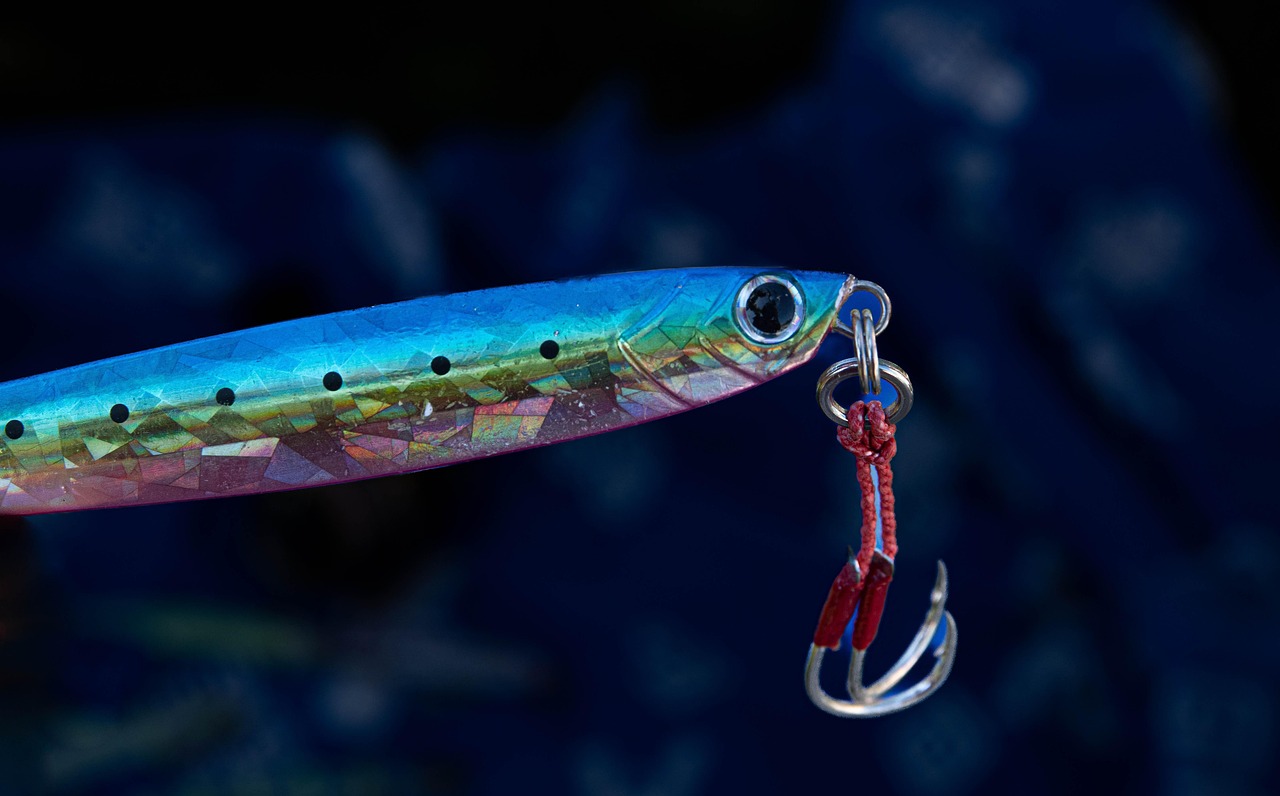
Thread a live pilchard, a live herring or a live greenie onto a 1/0 or 2/0 circle hook. Allow the live bait to swim naturally on the current. Add enough weight to the live bait to keep it within striking distance of the Spanish mackerel but do not use too much weight so as to not drag the bait on the bottom.
The Spanish mackerel tend to cruise along the edge of the breakers where the water depth is between three and six feet. Fishermen should stand on a point or near a cut in the beach where sand gather during the tide. If they do, they will find the Spanish mackerel waiting for them at this location.
Use a circle hook so that the fish will not get gut-hooked since Spanish mackerel have very delicate mouths. Additionally, by using the circle hook, the fish can be released without causing too much damage so that the catch and release tactic is followed by these anglers. These tactics work best during the first two hours of the day when the Spanish mackerel begin to feed close to the shore.
4. Strategic Casting Locations
By knowing the tide and when to go to the beach, fishermen can double their catch without buying any additional fishing gear. Spanish mackerel all prefer moving water since this disorients the prey and allows these fish to ambush the prey fish. During the two hours before the strongest moving tide and the two hours after the strongest moving tide is when the fishermen should go to the beach.
5. Tide and Timing
During the incoming tide, the bait is pushed toward the beach. However, during the outgoing tide, both the bait and the Spanish mackerel are pulled through troughs that are created in the beach that are parallel to the shoreline. Watch for birds diving into the sea or look for the prey fish that is skipping on the water’s surface.
These are the indicators of the presence of Spanish mackerel on the beach. When the tide is slack and the water is as calm as glass, the fish may not be biting so going fishing at this time of the tide may be like taking a coffee break. The Spanish mackerel may not be interested in the bait during this time since their interest begin again when the tide begins to move through the beach.
6. Fluorocarbon Fishing Leaders
Spanish mackerel have razor-sharp teeth that can easily cut through monofilament fishing line. Use a twenty-pound fluorocarbon fishing leader that is eighteen to twenty-four inches long. This leader will fool the picky Spanish mackerel and will stand up for the angler since it is resistant to the teeth of the fish.
Add a short piece of number four wire in front of the hook only if the fishermen plan to fish in areas where the bluefish live since these fish also have sharp teeth. Otherwise, stick to using fluorocarbon leaders. Use a clear leader to avoid being spotted by the fish when using the lure or live bait.
Additionally, make sure that the fishermen tie good fishing knots when setting up the fishing line. Make sure the leader is checked for nicks after each catch. If the leader begins to look cloudy from being bitten by the fish, change it immediately.
This small habit will prevent the fisherman from losing many fish that they have caught. The reason that the Spanish mackerel fight well with the fishermen is because the fight is significant when using light fishing tackle. Additionally, using light fishing tackle allow the fishermen to cast the bait further into the surf.
7. Lightweight Spinning Tackle
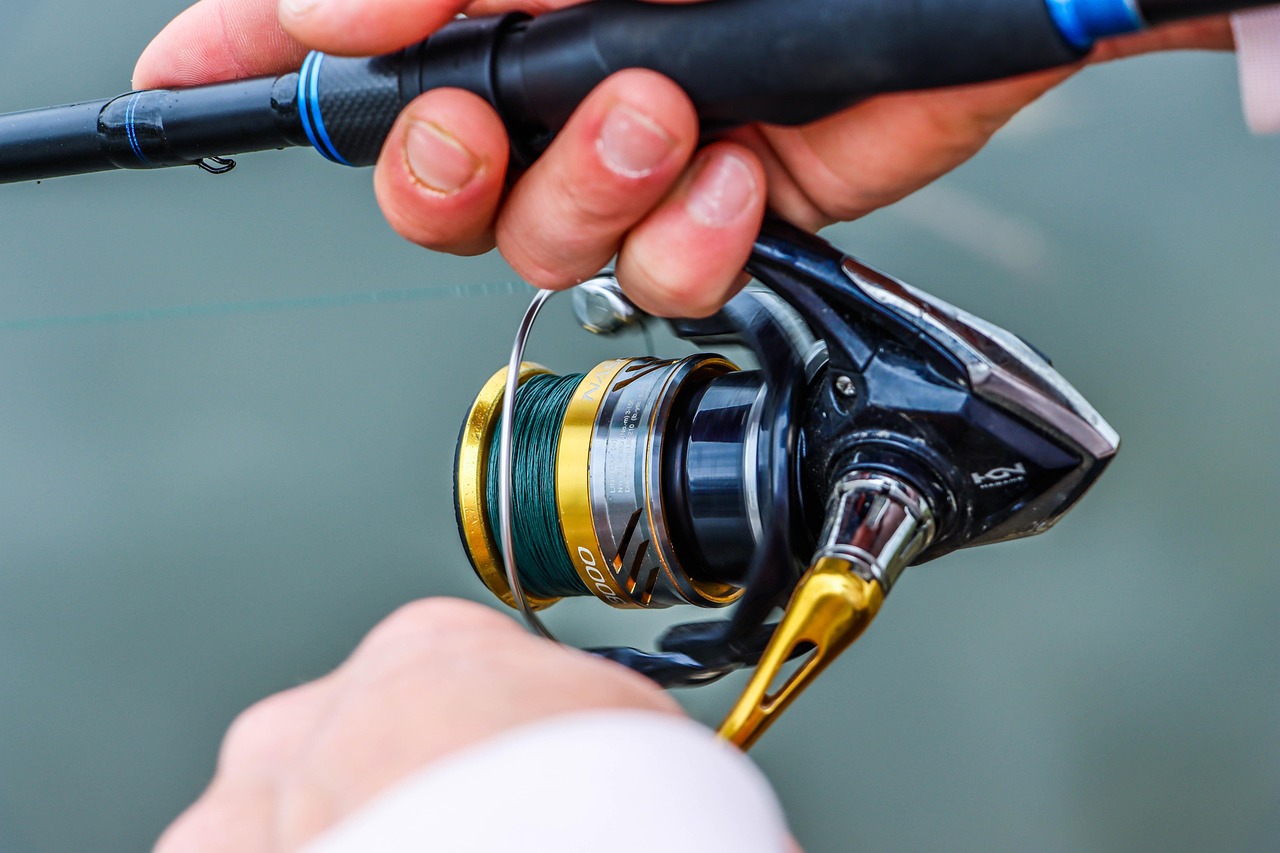
Use a seven-foot fast-action spinning rod that is in the eight to seventeen pound range. Use a 3000-size fishing reel that has ten-pound braid on the line. The thin braid will allow it to cut through the wind while at the same time allowing the fishermen to feel every tick of the spoon.
When the Spanish mackerel hit the lure, the fishing rod will load deeply. Additionally, the Spanish mackerel will make very fast runs with the fish with their entire body when they are fighting the fishermen. Use a moderately loose drag so that the fish will take the line when they make the initial run at the lure.
The fight between the fishermen and the Spanish mackerel will feature the fish flashing and twisting their body at the surface of the water to breathe. Additionally, being able to cast a small spoon a long distance allows fishermen with this fishing setup to reach the fish that are further from the beach. Fishermen can save themselves hours of fishing if they understand the structure of the beach.
8. Beach Structure and Troughs
Spanish mackerel will not be spotted on flat sand beaches. These fish love to cruise along troughs in the beach. Additionally, they will be spotted around exposed rocks.
They also like to cruise near jetties and sandbars where there are breaks in the current in these areas. Fishermen can walk the beach at low tide to find these troughs in the beach. Additionally, a quick glance at the surf can reveal the troughs and the areas in which the fish like to gather.
Additionally, if a fisherman watches closely for a color change in the water, he or she will spot the drop-off in the beach where the Spanish mackerel gather. Additionally, these fish use these areas of the beach in the same way that commuters use an interstate along the shoreline. Stand up-current of these structures when fishing to allow the bait or the lure to enter these areas.
9. Chumming the Surf
Fishermen often overlook one trick that will ensure that the Spanish mackerel are feeding on the fishermen’s bait. This trick is known as chumming the surf. Take a bucket of frozen glass minnows or menhaden and toss a handful into the water every few minutes.
This will entice the Spanish mackerel to move into the surf to smell the scent. Additionally, by adding the chum, the Spanish mackerel will remain in front of the angler who added the chum. Use a slow-sinking jighead with a strip of fresh bait to attract the fish just like the chum does.
This trick will work well on days when the fish appear to not be interested in the fishermen’s bait. However, care must be taken when using this trick. If too much chum is added into the water, the Spanish mackerel will become full from the food and will ignore the fishermen’s bait.
10. Constant Bait Motion
Using a sharp hook and keeping the bait in constant motion is the difference between professional fishermen and those who fish with the weekends. Spanish mackerel often make short strikes at the bait. If the tip of the hook is even slightly dull, the fish will either miss the hook or the fish will bounce off of it.
File or replace the hooks after every fishing trip. Use a small stone to touch up the hooks between each fish that is caught. Keep the bait in constant motion because the Spanish mackerel will not hit any target that is stationary.
Even if using live bait, the bait should be moved from side to side every few second. This will trigger the Spanish mackerel’s predatory instinct to strike at the moving target. Fishermen need to learn how to properly handle these fish since they do have teeth and are not shy about using them.
11. Safe Fish Handling
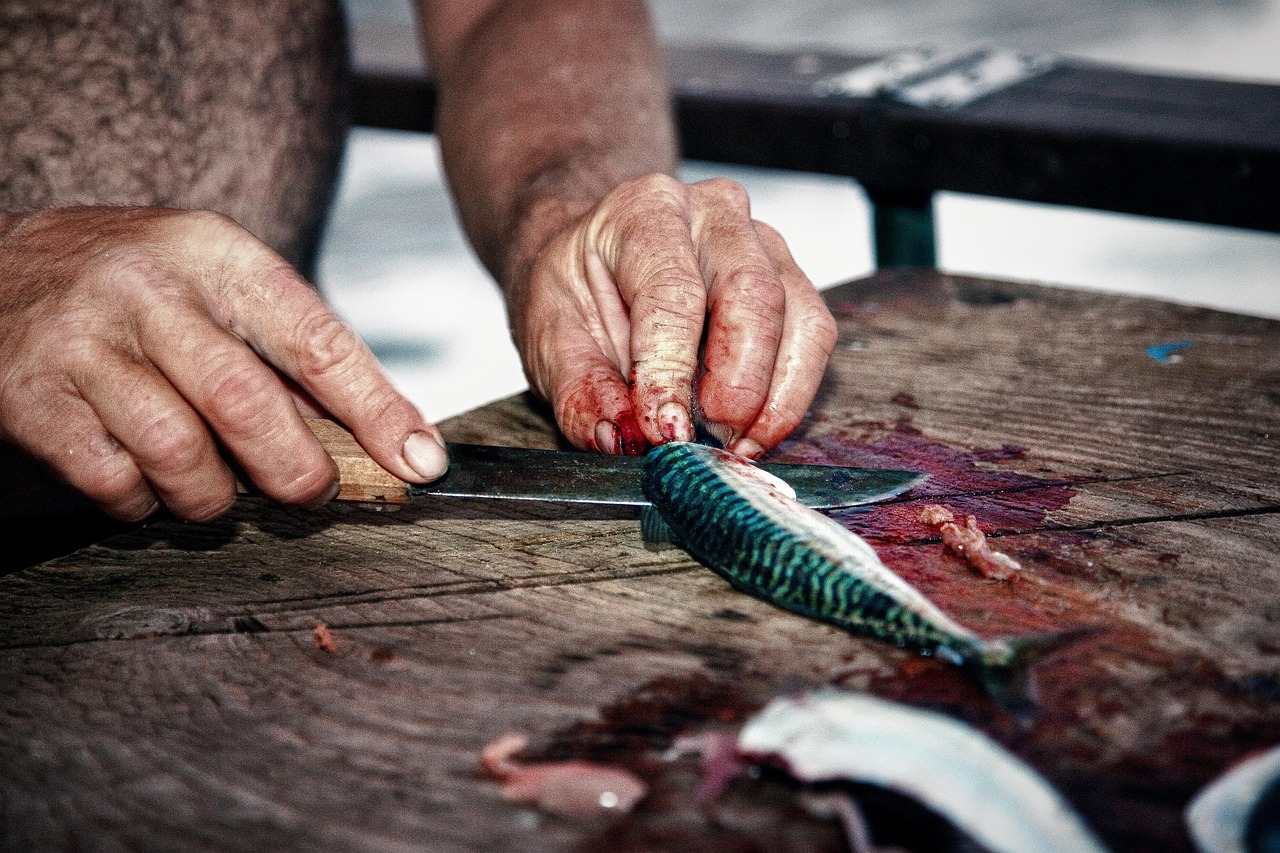
Use both hands to grasp the fish behind the head. Use a pair of fish grips to hold the fish in place. Do not stick the fingers into the mouth of the fish.
If the fish are to be released back into the sea, wet the hands first to protect the protective slime layer on the fish’s body. Take a few quick photo of the catch and return the fish to the sea. Many fishermen will catch a few fish for dinner and will release the remainder of the catch back into the sea to give them another chance to fight another day.
The fish are not only good to eat but are also very fun to catch and fight with when out on the beach. When the fish are on the move and the fishermen have the best of the sight lines, all else becomes less important to the fisherman. The salt spray in the eyes, the sound of the reel and the weight of the fish on the line all bring back the reasons for the fisherman to stand on the beach with a bucket of fishing gear.
If these tactics are mastered, the Spanish mackerel will find the fisherman. The next time the fisherman walks onto the beach, he will not be just another fisherman with a fishing rod in his hand. He will be the one with a bent fishing rod and a smile on his face, the one who understand the desires of these Spanish mackerel that live in the surf along the beaches of the nation’s coastlines.