

Surf fishing along the coast of South Carolina can provide a person with a mix of solitude, a mix of strategy, and an occasional fight with a fish that makes a person want to return to the fishing spot. Standing on the spot where the Atlantic Ocean meet the sand, one can plant their fishing rod in a spike and await the tap that occurs on the fishing line. On some days, fish will gather in large numbers along the spot where the waves break on the shore.
On the other hand, there are days when a fisherman can feel as if they are casting their bait into an empty parking lot. The difference between these two types of days usually relates to a few details. The details that separate weekend fishers from the individuals who regularly fill their coolers with red drum and sea trout.
The beaches in the Lowcountry change constantly, and those same beaches tend to be very unpredictable. What may work for a person at the last tide of the day may not work at all the following hour due to the change in the ocean’s current. However, there are a few practices that can ensure that an individual who ventures out to the surf in South Carolina has a productive day spent fishing.
The local people who have fished these areas for many generations do not classify these practices as secrets. Mastering these fishing practices will ensure that a person spends less time fishing and more time fighting with the fish that they have caught. One of the biggest advantages that a person can have when fishing for red drum and other fish species along the coast of South Carolina is the accurate timing of their fishing trip based off the tides along the location where they plan to fish.
Essential Tips For Successful Surf Fishing
1. Timing Your Trip with Tides
The tides in South Carolina are semidiurnal tides that occur roughly every six hours. However, fish do not always seem to care for the tide charts. The strongest ocean currents happen two hours before and two hours after both high and low tides.
The fish are attracted to these strong tides as the fish are attracted to the food that the strong tides stir up. Going out into the ocean during the last two hours of the outgoing tide and the first two hours of the incoming tide will give a person the best odds of catching fish. These times often coincide with sunrise and sunset.
For example, on a recent morning in October at Edisto Beach, the fish began to bite the moment the tide began to flood the area. Within forty minutes of beginning to fish, three individuals had landed red drum that measured over twenty inches in length. During the same period when the tide died down at low tide and entered the slack tide (when the tide does not move), the fishermen had caught nothing at all.
Fish follow the food that the tides stir up, and that is the process that a fisherman who wishes to catch fish along the coast must follow. Other factors that an individual who plans to engage in the sport of surf fishing should consider include the type of fishing rod that is utilized, the type of fishing reel that is used with the fishing rod, the type of bait that is used while fishing, and the type of terrain that should be targeted along the beach. Factors such as these will determine whether an individual’s efforts when fishing for red drum and other surf fish will be successful or not.
2. Proper Fishing Rod Selection
Choosing the proper fishing rod is important to ensure that an individual does not have to fight with their fishing gear as well as the fish. A fishing rod that measures between nine and eleven feet in length and features a medium-heavy fishing rod will allow the fisherman to launch a two-ounce weight over the ocean breakers. The fishing rod should feature the tip sensitivity to feel the subtle bite of a fish in the troughs.
3. Spinning Reel and Braided Line
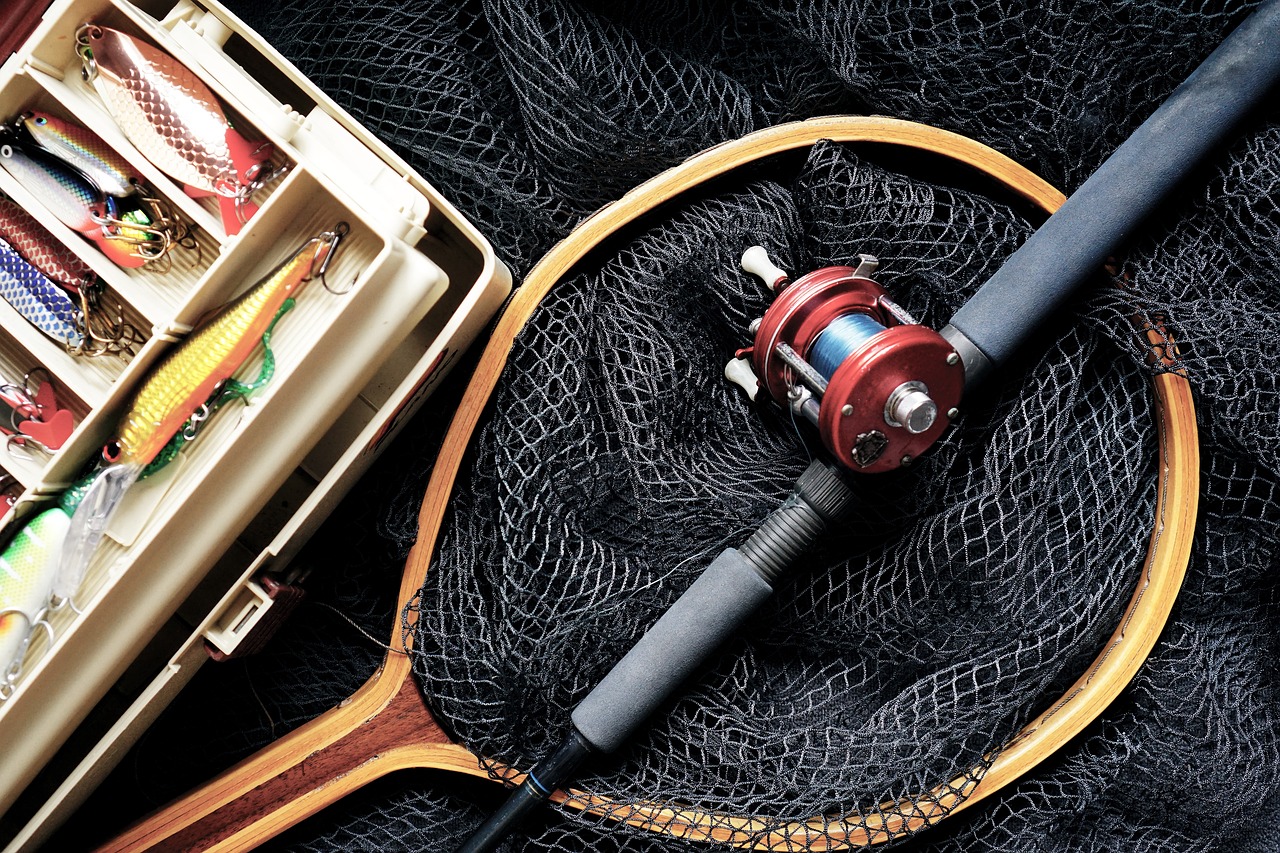
The rod should be paired with a spinning fishing reel of the 6000 to 8000 size class and thirty-pound braid. Braided fishing line has the advantage of a thin diameter that allows it to move through the ocean current more efficiently than monofilament line. Additionally, the braid will transmit the bites of the fish to the fisherman’s hand.
4. Adjusting Drag for Braided Line
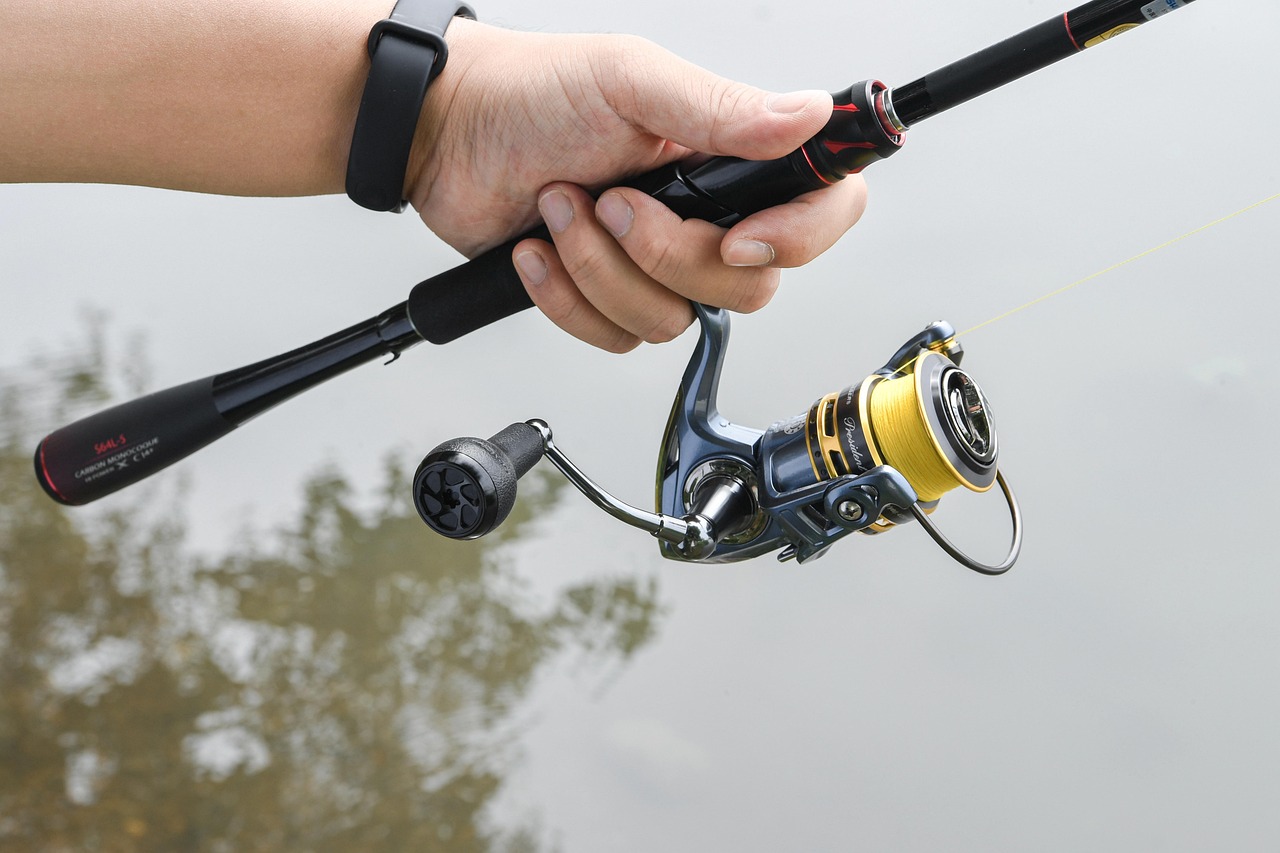
However, braid has almost no stretch in the line. Therefore, the fisherman needs to make an adjustment of the drag to the fishing reel. If the fisherman does not adjust the drag properly, the fisherman may find themselves with the hooks of the bait pulled from a red drum that is chasing their fishing line.
Many new fisherman make the mistake of cranking their drag to the lowest setting when they should of loosened the drag of their fishing reel until they can remove the fishing line from the reel using only their pinky finger. This small adjustment will save more fish than any fishing trick out there could save.
5. Effective Bait Options
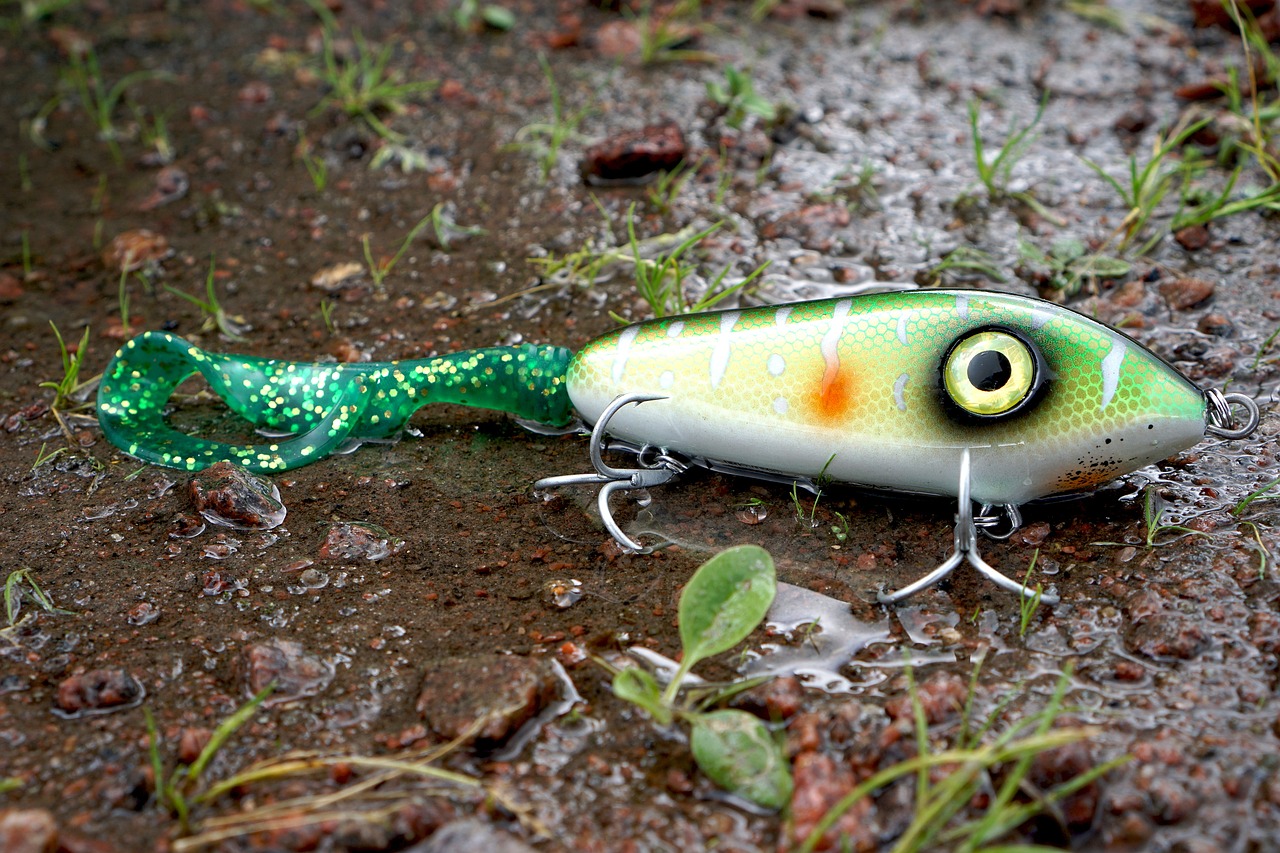
The type of bait that can be used when fishing along the coast of South Carolina includes fresh shrimp, cut mullet, and sand fleas that live in the beach area.
The reason that live shrimp are the #1 bait used along these locations is because they will hook any fish that are in the water. When shrimp are not available, a chunk of fresh mullet with the skin on will do the trick. The oily scent of mullet skin will draw in both red drum and sharks.
Frozen bait can be used if an individual finds themselves in a difficult situation. However, frozen bait loses its scent very quickly. If fishing with frozen bait, score the frozen flesh of the bait to release the oils from the bait.
Additionally, change the bait every twenty minutes while fishing. The difference in the number of fish that are caught using frozen versus fresh bait can be seen in the initial cast of the bait into the ocean. For example, one afternoon while fishing at Huntington Beach, a fisherman who switched from frozen squid bait to fresh mullet bait landed a twenty-eight inch red drum on the very next cast.
6. Beach Topography and Troughs
Other factors that play into the success of a fisherman while on the beach include the topography of the beach. Areas where troughs exist that run parallel to the beach are good spots to fish. These troughs are even better if they deepen near a point or a jetty along the beach.
The easiest way to find these spots is to either wade out into the ocean during low tide or to simply watch in which part of the beach the ocean’s waves break. The waves will break on the outer sandbar and then re-form and break on the shore. The deeper waters in between these two breaks are the waters where fish live so targeted fishing should occur in these locations.
Cuts and sloughs that run perpendicular to the beach are the best spots to fish. These locations work because tides naturally move the bait into these cuts. Therefore, when fishing, a person should cast their bait into the mouth of these cuts during the outgoing tide.
The out-tide’s current will naturally carry the bait into the cut. This technique has produced more red drum than any other fishing trick that I have learned along the coast. Other considerations for red drum fishing include the type of rig that can be used for the fishing line.
7. Fish Finder Rigs
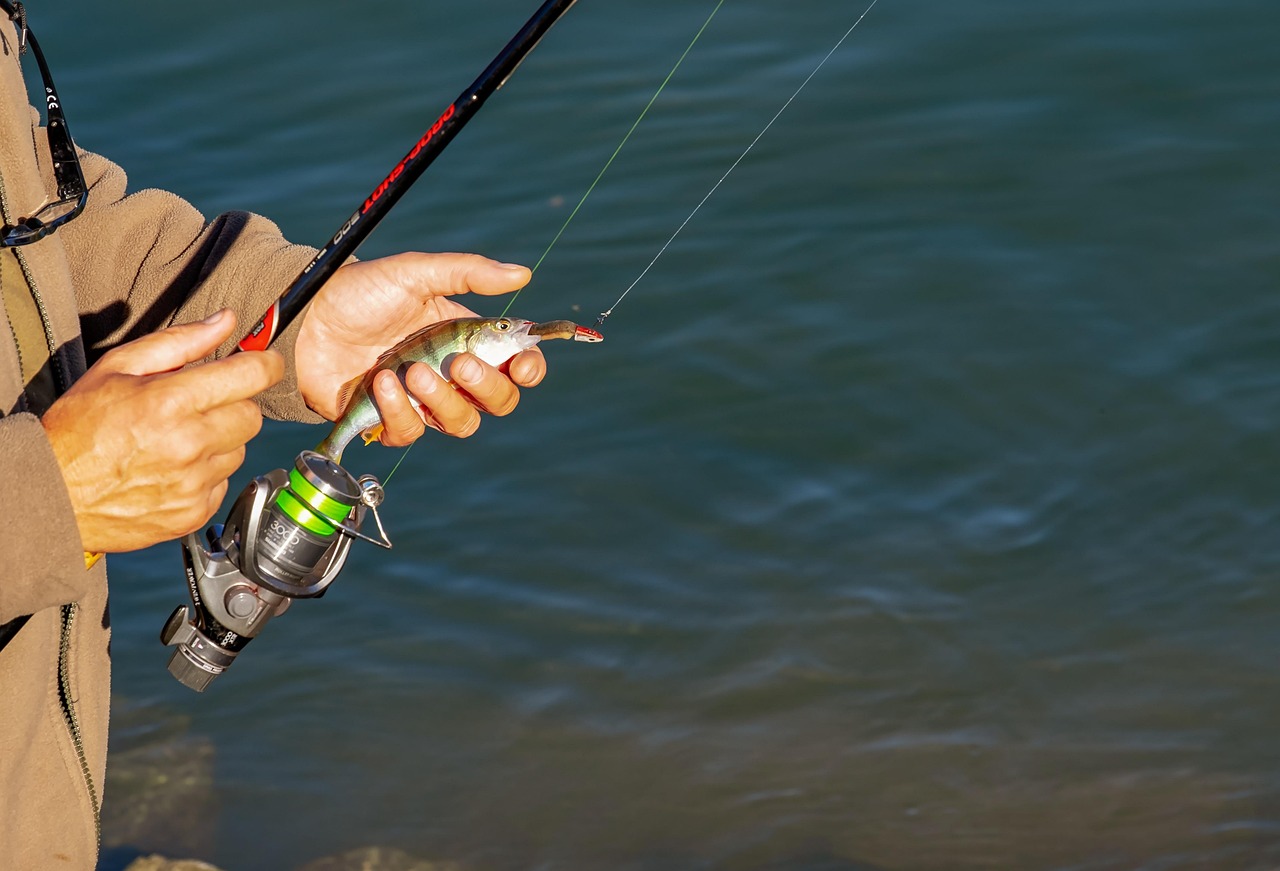
For example, a fish-finder rig allows for the fisherman to avoid any tangles in their fishing line. A fish-finder rig uses a sliding egg sinker, a barrel swivel, a two-foot leader and a circle hook. Using the sliding egg sinker allows the red drum to pick up the bait without feeling resistance from the fishing line.
This feature will work well with the wary nature of red drum. Additionally, the circle hook will catch the fish in the corner of the mouth instead of the gut which is important for the return of the fish back to the ocean. Some of the other rigs use a pyramid sinker that is heavier to fight against the heavy tides but the fish-finder rig will work for most areas along the beach in South Carolina.
The pyramid sinker is only needed should the current become so strong that it can roll the pyramid sinker down the beach. Any weight heavier than two ounces may be left behind along the ocean floor. In addition to proper fishing gear and proper locations to fish, fisherman must also have the patience and the abilities to observe the catch that they do produce.
8. Patience and Observation
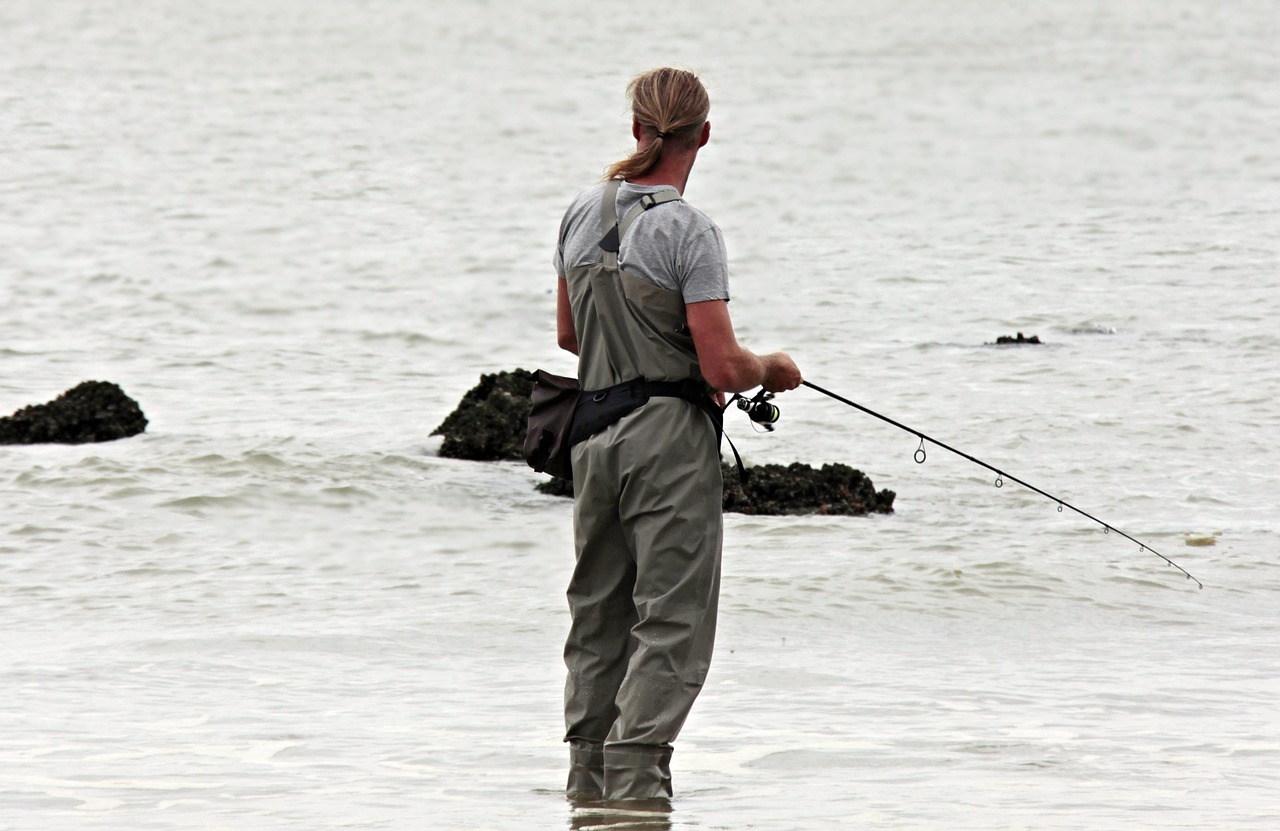
For beginners, the fish can become monotonous so they begin to reel in their bait, fish fifty yards down the beach and continue to repeat this activity until they have fished half of the beach. This type of activity by a new fisherman does not afford any spot along the beach a chance to catch the fisherman’s bait. Instead, fisherman should wait in one spot and allow the fish to move in the waves.
A fisherman should wait fifteen minutes after each cast to allow the red drum to take the bait but every five minutes when a beginner will not produce a bite on the line. The fisherman can watch the birds, the movement of the bait on the ocean’s surface and the change in the color of the water. For example, one morning at Folly Beach, the gulls began to dive fifty yards along the beach.
The fisherman left his spot and caught four trout in the thirty minutes while the other spot remained unmoved. These fish had moved to a different location along the beach but the experienced fisherman knew this and did not waste his time chasing the fish. This skill will only be perfected with experience fishing.
9. Beach Etiquette and Safety
Anglers should also consider the etiquette for the beach. For example, the fisherman should respect the sun and allow for plenty of time to fish in the morning or late afternoon. Additionally, the fisherman should hydrate while on the beach to avoid getting dehydrated from the heat.
The sunscreen that they use should be safe for the reefs, one that will not harm the fish in the ocean. Other anglers should be given plenty of room. Nothing will ruin a fishing trip faster than another angler walking through one’s line while fishing or casting into another angler’s spread.
Additionally, if a shorebird or sea turtle is nesting on the beach, anglers should give these animals their space and not bother these nests. These small courtesies will ensure that other anglers continue to have access to the beach spot that they love while fishing.
10. Managing Coastal Insects
Finally, a few other considerations for fishing for red drum along the South Carolina beaches is the use of bug spray.
The no see ums that live in the beaches of South Carolina do not respect the love of the fisherman for the fishing spot. These bugs will bother a person while fishing and ruin the otherwise enjoyable experience. Light-colored long sleeves and light-colored pants can help a person to avoid some of the biting from these bugs.
There will never be a lack of activity in the ocean. Therefore, an angler’s approach to the water will never cease to change and develop. Each tide has its own set of rules, each season brings its own rules and each beach has its own set of rules to discover.
The anglers who succeed at catching the red drum and other fish species in the ocean are those who are willing to observe the water, adjust their techniques according to what they find and who are willing to learn of these strategies from each fishing trip that they take. These successful anglers know that the fish that they are after are not always in the same spots as they were the previous day but they are almost always in a spot nearby from which they must know how to search for the fish species that they love to catch. When one stands on the beach along the coast of South Carolina at the first hint of dawn, they should remember these strategies and the knowledge that the difference between a slow day fishing for red drum and having a bent fishing rod comes from this knowledge.
By utilizing this knowledge, the ocean will reward a person in the form of their catches.