
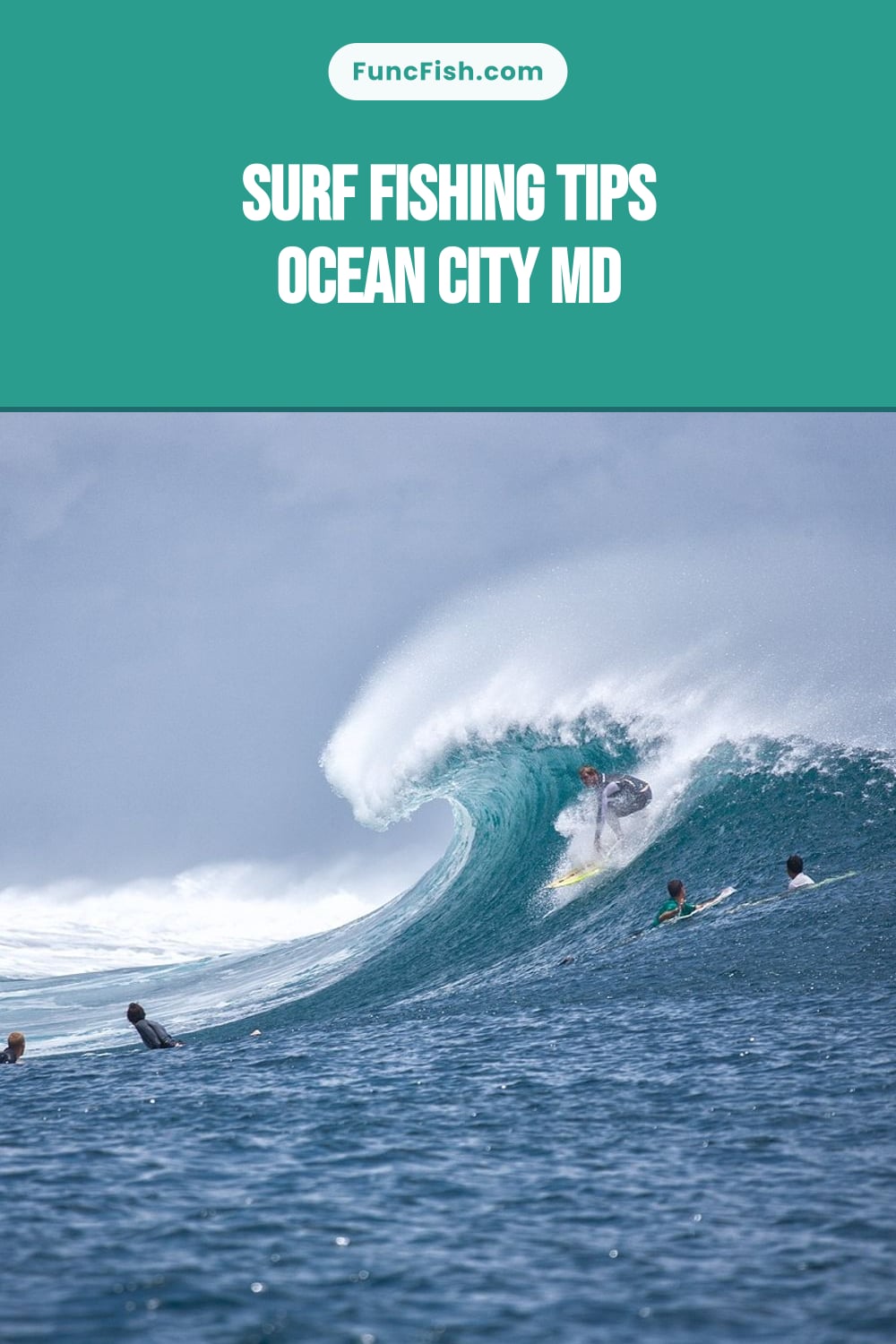
Fried seafood, neon lights and boardwalks filled with people, yes, those are all things you find in Ocean City, Maryland. But it’s what lies just beyond sand dunes where real action is. For anglers, this piece of the Atlantic ocean attracts fisherman from all over.
The combination of river outflow, coastal currents and migratory fish movement make it a year-round fishing laboratory. Want to target flounders? They’re biting most weekends.
How about bluefish? Fall brings them into this area. And spring see stripers arriving to do their thing.
It really is a one-stop shop. That said, this place doesn’t hand its riches out to anyone who wiggles a rod tip. Getting bites here require more than luck; it requires understanding the area like a long time resident.
Most of these angler arrive armed with equipment that worked perfectly on other beaches and local lakes back home. And they can’t understand why no one will bite as they mindlessy throw it out there in hopes something will happen. The ocean is an entirely different animal though.
It requires a level of understanding when it comes to structure, wind direction, current flow and tide. If you’re going to have some fun out there rather than just hanging out at the beach, you have to approach it differently. You have to put yourself in the fish’s shoes.
What does that mean? You must pay attention to details that you may not even consider relevant until they make the difference between a full cooler or an empty one. These are small details of the sport.
When understood, they makes the experience more enjoyable and change what was once a hopeful guessing game into a calculated strategy. Here’s a breakdown of the most important surf fishing tactics for Ocean City. Each of these tips addresses one of the challenges you’ll encounter on the sand.
Learn them well. They will form the foundation that lets you fish confidently, no matter the conditions or what species comes charging through the channel. The number one key to your success won’t be found on a box; you can’t avoid reading the tide charts.
Essential Surf Fishing Tips For Ocean City
1. Read the tide charts
The tide comes in all day along the shoreline, bringing food up and then taking it away later. Where does the fish go? They goes right with the current as the bait groups up for easy pickings.
Knowing when the tide turns is essential. Incoming tide pushes the bait up onto the shallow areas, calling hungry mouths towards the beach to eat. Outgoing tide remove everything down to the deeper troughs.
If you don’t pay attention to this rhythm, you’re simply fishing empty space. Look at the local tides before heading out and time your trip to arrive right as the tide begins to come in. That’s typically when it gets good.
2. Target underwater structure
The sand isn’t all created equal either and once you target specific types of structure it completely changes the game. Troughs, channels and rips (the underwater highways) holds the fish in place. A rip is basically a fast moving current cutting through the surf zone.
It brings the baitfish directly to the waiting predators. When you see a rip look for the dark moving seaward water. If you make your casts just in front of the mouth of the rip, the current will push your bait right into the strike zone.
Don’t throw blind at the breakers. Structure offers opportunity, but there are some visual cues you’ll want to watch for to know exactly where the water is moving. Match the hatches by choosing lure types that suit target species and the conditions.
3. Match the hatch with bait selection
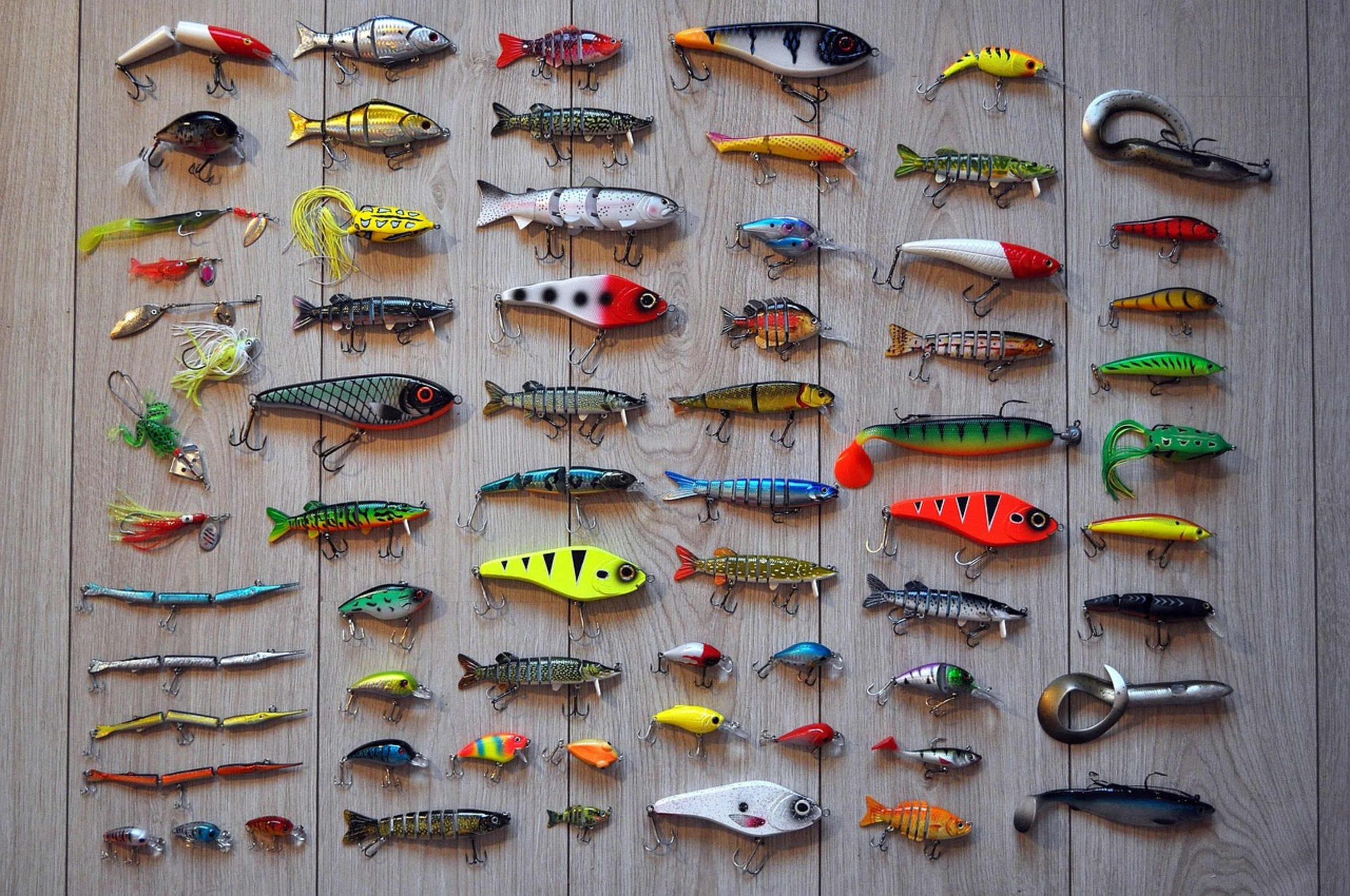
A heavy plug may do on a calm day, but not in rough surf where a more buoyant lure such as a shiny plastic grub would be better. Strong hooks and heavy gear are needed to fight strength of the fish and pull against the wave drag. Sinkers should stays on the bottom in big swells.
Cut bait such as menhaden or mullet will work for blues while soft plastics like eel- or shrimp-looking baits will be good for stripers. Look at the birds. They’ll tell you what’s going on underwater if you can try to match the hatch.
Gulls make repeated dives? Something is down there. Change your offering to match their food.
4. Scout the beach and location
Location is more important than you may realize. Spend a few minutes walking the beach prior to casting, you’re seeking shoreline change and signs of life. Look for currents indicated by foam lines.
See what other anglers is doing and where they’ve been landing fish. Keep in mind that their location may not be best suited for your equipment. Consider the wind direction: How does it affect your ability to cast?
How does it present the bait? If possible, cast into the wind to gain additional distance and provide greater control. Fighting a headwind will pull the line back toward you.
5. Exercise patience with retrieves
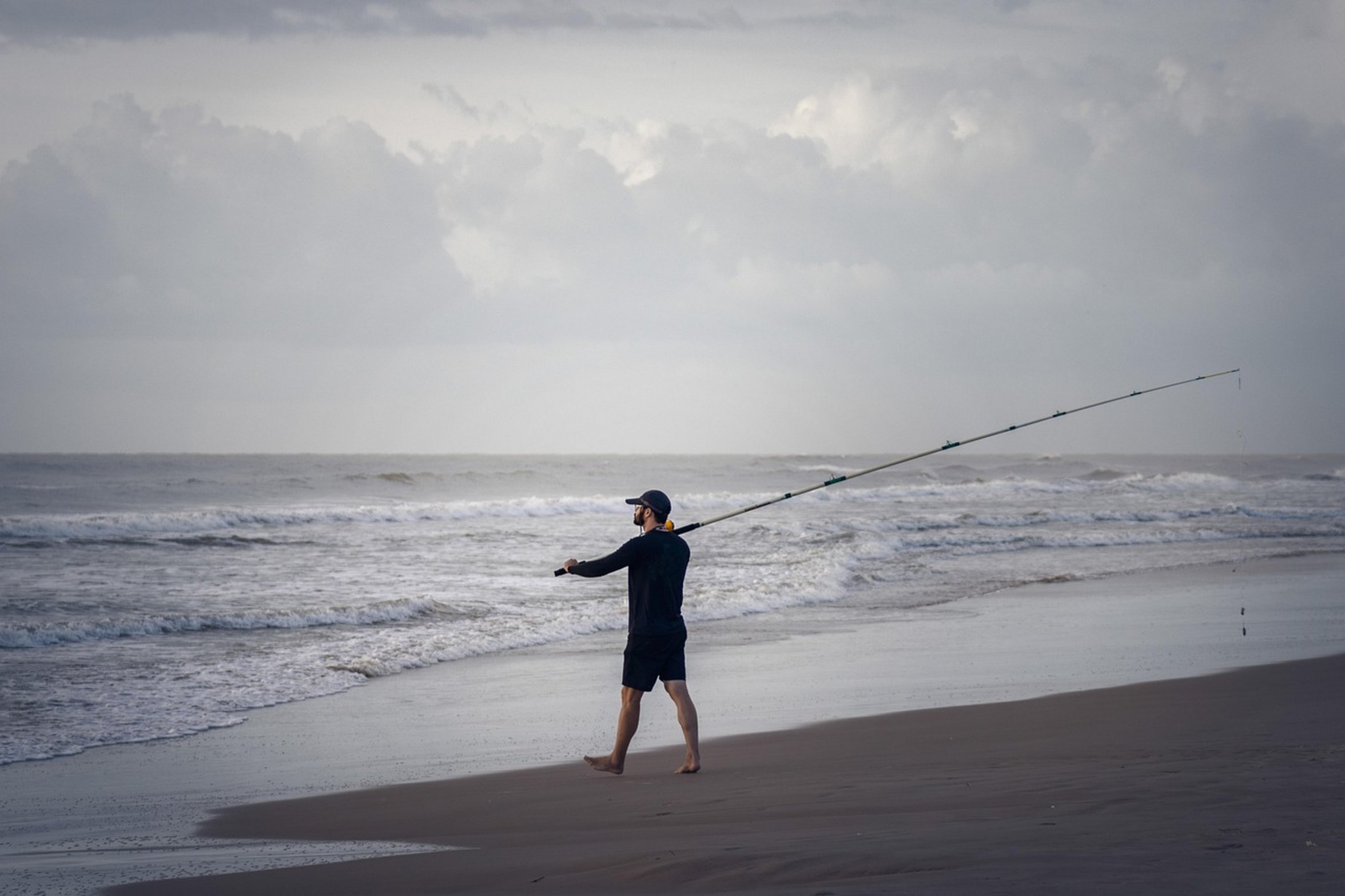
The more comfortable you feel on land, the more focused you’ll be in the water. One of the most difficult skills to learn in surf fishing is patience. Make your casts, make your retrieves, recast and wait.
Wait some more. It’s boring when you first start doing it. You want move to a new spot quickly or just keep reeling your line back in.
But trust me; it takes them a while to cruise through an area. Fish aren’t always aggressive. Some bites come from pure curiosity.
Your bait might get right in front of a fish’s nose and they just check it out. Give it time in the strike zone and let it sit there for a whole minute before starting your retrieve. That’s what I mean by letting it work; more often than not, it will be the difference between a real bite and just a bump.
6. Fish during dawn and dusk
Trust the method you’ve established. The time of day is another factor that plays into the outcome, which basically means you need to sync up your trip with the sun. Striped bass, flounder and other predators feeds more during dawn and dusk.
Light levels cue them in to feeding mode. They also seek lower-light conditions, hunting better because they don’t feel quite so exposed. If you find fish in deep water or have an overcast day, fishing during the day can work.
Clouds spread out the light. This makes it harder to see the fish, but easier to see their prey. So pay attention not only to what’s under the water but what’s overhead.
Stay flexible, which will keep you in the game even when conditions shift. The difference between effort and results is local knowledge. Watch the other guys in your area.
They know what’s working now, what hole to hit. Hang out in the bait shop, talk to those guys. The thing about fishing here in Ocean City is that it varies not only by season but even by day to day weather systems.
What fished yesterday may not fish today. Knowing this helps you make adjustments faster. Find out the temperature, water clarity, and recent catch reports.
It will save you hours of trial and error. Add it into your plan before you even cast. Surf fishing at Ocean City is equal parts science and intuition.
It means waiting for everything to line up, applying your tactics, and reading the signs. The noise of the boardwalk quiets and the focus shifts to the horizon and the tip of the rod. And when you get that bite, it all goes away because it’s a gift from paying attention to the details.
Remember these tips the next time you head to the beach. The ocean will put your patience to the test, but it rewards anglers willing to learn its patterns. Pay close attention, cast with intent and let the water show you what works.