
Fishing the surf demands a certain amount of respect for the tide, understanding of gear and a healthy dose of patience. While waves roll into your shins, you stand there on the beach waiting for some unseen fish to inhale a bait that seems more appropriate for deep water. That’s why novices will cast out and go home after a few casts if nothing eats.
They don’t realize the ocean is shifting and changing and seasoned surfer does. How to read the water and adjust to it makes all the difference when surf fishing. But it’s not all about long casts, it’s also about making smart casts.
You must know where the fish hold, what they’re feeding on, and how to get lure or bait in front of them. Here are the basic mechanics of surf fishing, including everything from line management to reading the bottom. These action can mean the difference between an empty-handed day and a cooler filled with dinner.
Essential Surf Fishing Tips for Beginners
1. Reading the Bottom and Finding Structure
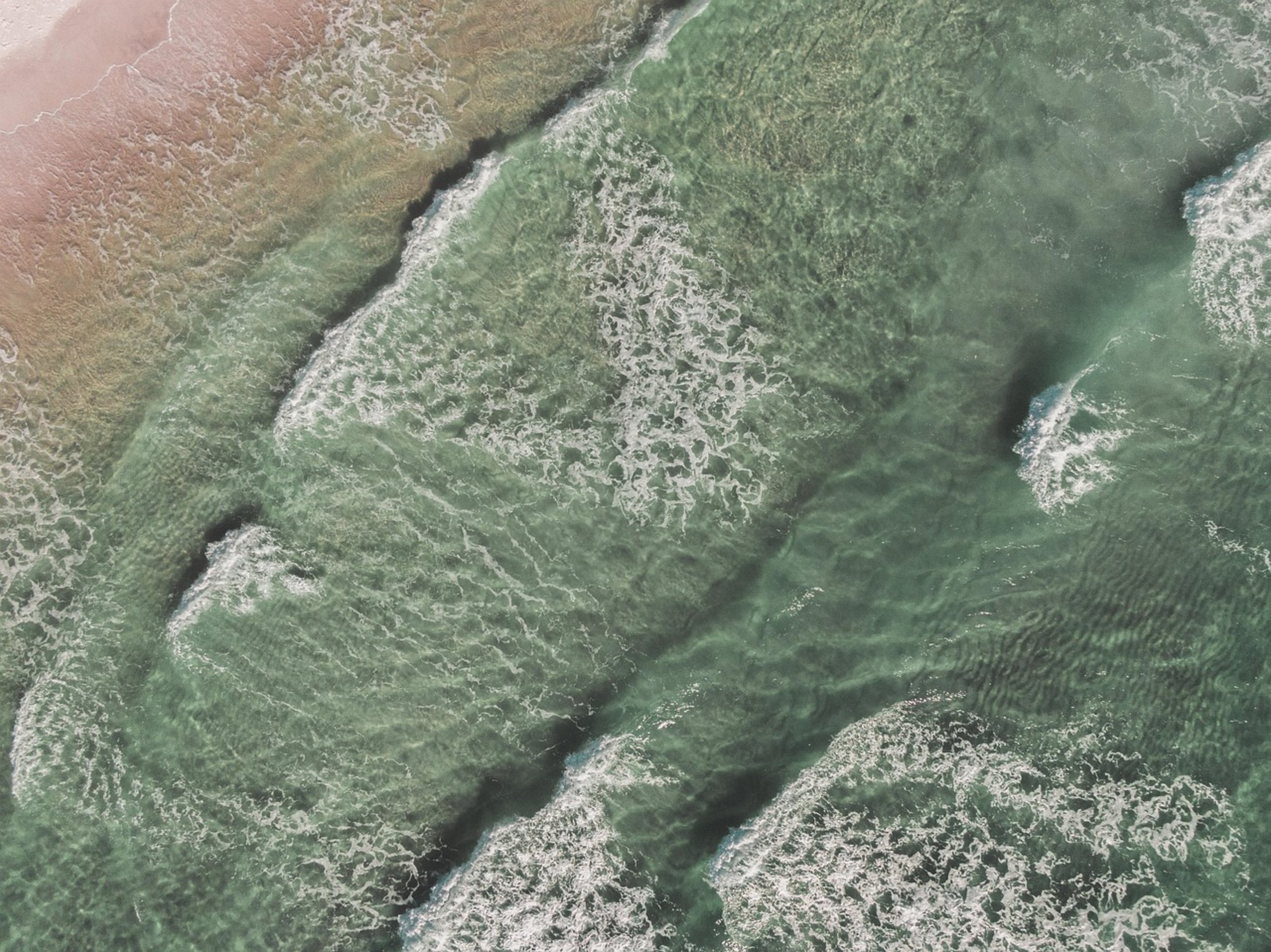
Structure also holds prey, and the first thing you need to learn when reading the bottom is how to find that structure. As waves break on the beach, they erode away the sand creating troughs, ridges and even channels. Spot or red drum love these structures to feed and hide behind.
What you want to look for is deep channels that run parallel with shoreline. These are baitfish highways that run down the coast. Instead of casting straight out onto the beach, cast toward the edge of the channel so you can reach those deeper depths without getting too far away from the shallows.
2. Understanding Tides for Better Bites
Having that deeper water make them feel secure but still within striking distance of bait washing into the surf. Tides make all the difference on how accessible and responsive fish become. When it’s low tide, there’s too much exposed sand and fish move back into deep pockets where you can’t get at them.
During high tide, predators and prey hunt each other aggressively as water floods across sand bars onto shallow flats. Moving tides, the first half of a receding tide or the last half of a rising tide, often provide great fishing opportunities. Current agitates the bait, which initiates feeding frenzy action.
Before leaving for your trip, pull out a local tide chart. Base your day around periods when the tide is moving, otherwise you’ll be struggling with slow fish that aren’t inclined to cooperate. Use bait that matches the menu.
3. Choosing the Right Bait
Use what the locals are eating, not just what you want to fish with. Mullet or pilchards is best for bigger predators like striped bass. Live bait like shrimp works everywhere.
Cut bait (menhaden or mackerel) leaves a scent trail in the water and is good bait for bottom fish like sheepshead or flounder. Bait freshness is key. You can fish dead bait effectively but they has to be fresh and positioned properly.
Keep your bait moving until the very end. A kicking shrimp tells other predators there’s something moving around. That visual sign is what makes all the difference between being eaten or not.
4. Using the Carolina Rig Setup
How do you keep your bait up and out of trouble? It is terminal tackle. For many anglers, the Carolina rig are a special go-to bait.
It maintains the bait’s natural movement while suspending the hook far enough above the bottom to avoid getting hung on the rocks. Below the sinker is a leader tied to a free-running heavy sinker. This sinker rides up and down as waves push you in and back out again.
5. Selecting Proper Sinkers and Rods
Weight will depend on how hard the current pushes and how far. Generally speaking, heavier = farther, but too heavy and it might spook a fish as it drops to the bottom. Look for the lightest weight you can find that still has you sitting in the current.
It’ll have your bait stuck there, but not scare the heck out of dinner. Throw past the break zone so your bait is in deeper water, where bigger fish hang out. The whitewater noise is chaotic and loud, hiding you while it confuses the baitfish.
The deeper water are a cleaner hunting ground. But how do you throw way out? Use a long rod, preferably at least twelve or as much as thirteen feet.
6. Mastering Casting Technique
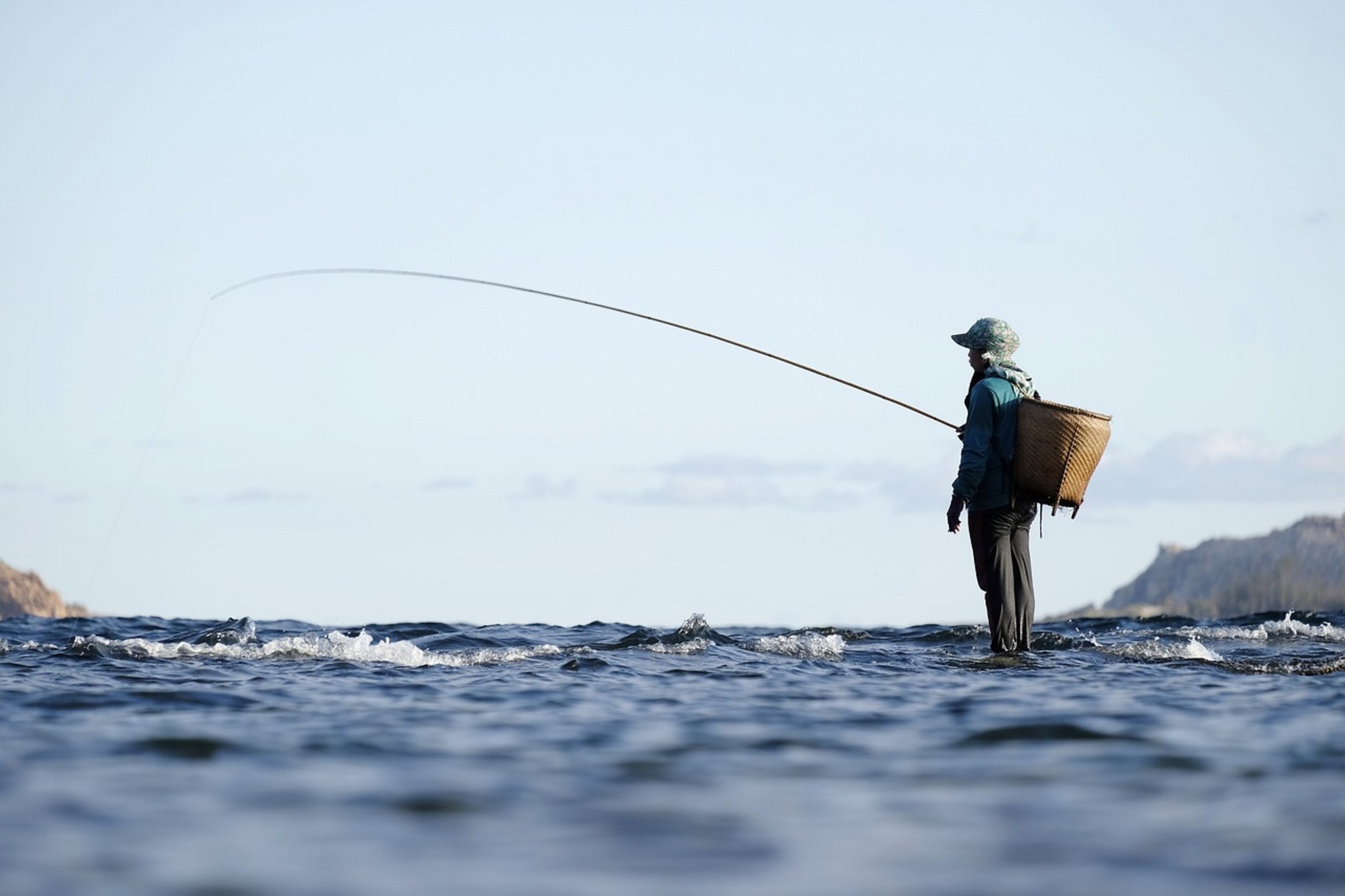
More length = more leverage = farther casting. Longer means it will bend more on the cast and create power shorter rods just don’t have. Before going to the beach, practice your cadence on solid ground.
Acceleration with smoothness creates more speed than frantic, jarring movements. You get into the feeding zone by throwing far out, but you stay in the feeding zone through accuracy.
7. Protecting Leaders with Fluorocarbon
Watch your leaders closely, because sand can damage them and the sharp teeth of fish like trout, drum, and shark can wear them down. Monofilament tears up fast in their jaws. Braid is strong, but not abrasion resistant alone. Add a fluorocarbon leader of sufficient strength to prevent line loss due to abrasion and biting.
Change your leader after each catch, including smaller fish, because micro-scrapes will really wreak havoc with the line over time. A good leader is cheaper to replace than a prized fish lost at the final moment. Believe in the limitations of the material.
If it appears rough, switch it out now. Don’t dig your heels into the sand and stay planted for an hour. The tides, wind conditions and fish will move.
8. Moving Locations Based on Conditions
Give each location 30 minutes if you’re not catching fish. Then move down the beach looking for a jetty structure or channel. Different areas will produce different size and species on any given day.
Surf fishing can be a game of finding cleaner casting lanes without other anglers and obstacles. And walking the surf will allow you to locate those better lanes as well. Flexibility is key, because the ocean will change every minute.
9. Respecting the Environment and Gear
Adjust accordingly. Keep your options open and be engaged with what’s going on around you. Always pack out what you pack in; sinker weights, line scraps, etc. If you are not careful, surf fishing will leave its footprint on the beach.
Tangling fish wire around rocks and sand is common. Always check your gear so as to not lose expensive fishing equipment. Hook replacement is easy.
Littering the beach with garbage degrades the experience for all. Respect the environment and it will continue to give back by providing fish for years to come. Leave the sand cleaner than you found it.
That is our responsibility. It will help keep the sport alive for future generations of anglers standing right where you are now.