
The river calls the shots. When trout fishing moving water, you can’t just throw something out there and hope they take it. That is not like throwing crankbaits around a lake looking for bass.
It won’t happen. The river tells you what to do. It reveals its secrets in the shadows that move each time a cloud passes over your head.
It also runs cold when you think it’s going to be warm. If you learn how to read the river instead of just looking at it, then you’ll become a master of its waters. But it’s also subtle.
Just a degree or two cooler air temp will shut down a feeding frenzy faster then you think. A small shift in wind direction will ruin your cast. There’s little room for error and while fancy equipment helps, nothing is more important than watching and learning from the environment.
What do trout want to eat? How do they respond to current? When will they feel comfortable enough to take a bait?
This isn’t about catching fish; it’s about knowing how to connect with their world in a way that respects all its details. When you get it right, a frustrating morning turns into a rewarding one where each cast feels purposeful and each fish feel truly earned. The biggest thing you can learn when it comes to reading trout water is to read the water before you un-pack your rod.
Essential Tips For Successful River Trout Fishing
1. Locate Prime Holding Spots
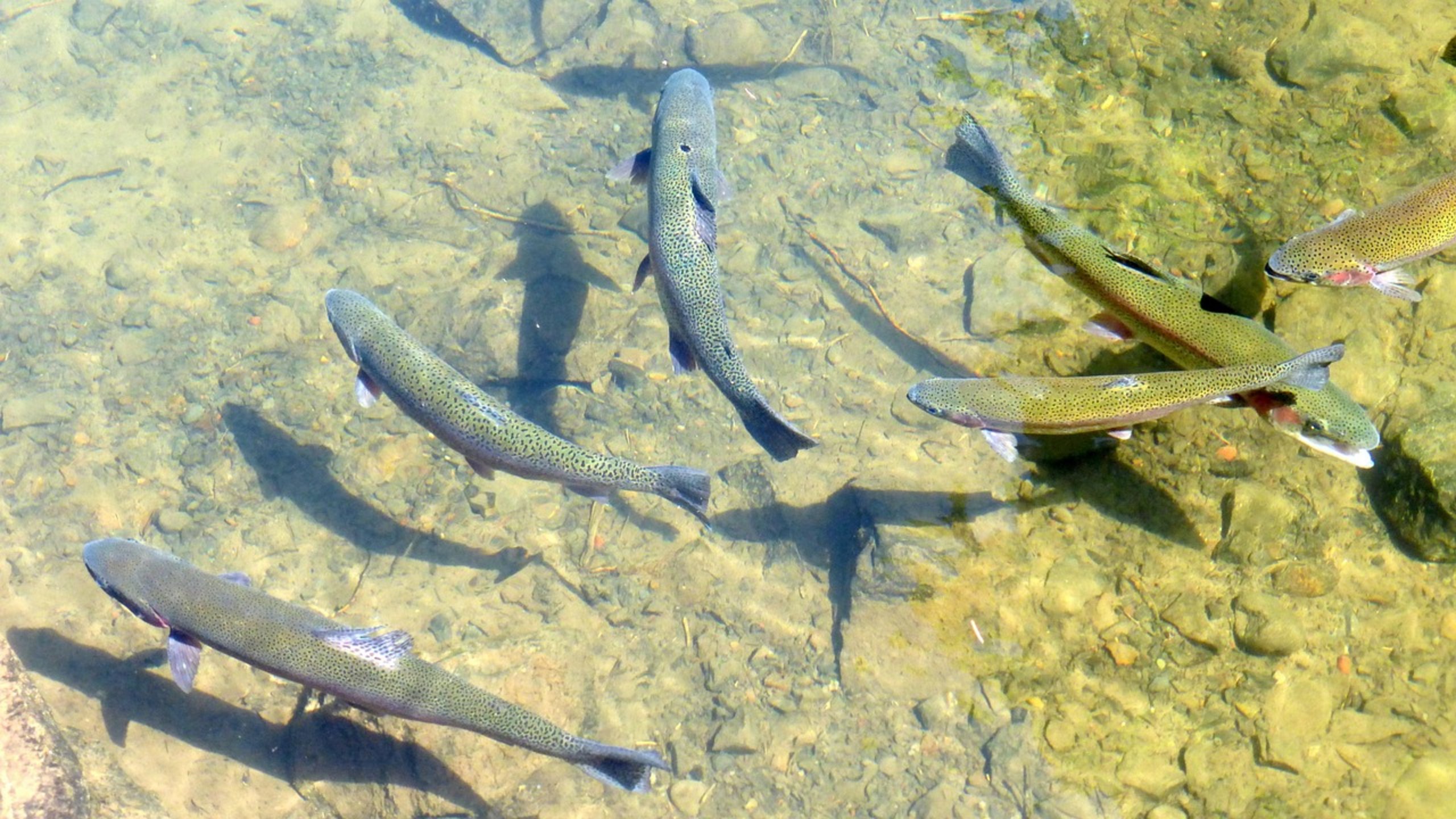
Areas where deep pools drop down into shallow riffles and where slow eddies meet faster runs are great holding spots. The fish gets a break from the current and don’t have to use as much energy. They also benefit from the current bringing them food.
Take note when you notice a surface disturbance that looks like rising insects. More often than not that’s an indicator of active feeding. Take some time to scan the river before you make your first cast.
2. Match The Hatch Insects
You’ll find out far more than luck ever could. Matching the hatch can save many dry fly presentations. For example when mayflies or caddisflies come off they produce a food source right at the surface.
The trout will key into this easy meal and ignore other offerings during the time of emergence. Pay attention to the color and size of insects on the water. Don’t throw a big bright spinner if you see small gray bugs.
Get as close of a match to local insect population as possible. They can be surprisingly picky with their choice of food when it’s plentiful. This is where size realy matters.
3. Master Natural Drift Presentation
A flashy trick fly won’t do better than a perfect imitation by miles. A key that separates those who consistently catch fish from the rest is an understanding of how to get something to drift naturaly in the current. Whether it’s a nymph or a dry fly, if they come off the line and don’t flow freely with the water, any drag on your line will cause the artificial insect to either sink or twitch unnaturally, alerting wary fish.
Mending your line is the best way to do this and is a practice worthy of every ounce of effort. After casting, flip the line either upstream or downstream and see if you can keep the leader tension-free. It’s a difficult trick to learn, but when you watch other folks fight tangles and you have your fly floating along smooth as butter…it’s very satisfying.
4. Prioritize Wading Safety
The idea is to be invisible…effortless and all the fish sees is food. Wading can be unsafe. It’s easy to overlook, but it’s not uncommon to slip on slick rock.
Undercurrents, quick currents, deep holes and unseen obstacles such as submerged logs make rivers treacherous places. If the rock has a solid footing, use felt-soled boots; otherwise, use rubber soles on slick rock covered by algae. In addition, always carry a wading staff, particularly when facing steeper banks or deeper water.
And never turn your back to the current. You’ll be surprised how quickly it can knock you off-balance, and once that happens, regaining your balance is hard. Plan your exit strategy before entering the water, and respect the river’s strength.
5. Fish According To Light Conditions
Trout are creatures of light. They have a comfort zone and know where to feed based on the light conditions. In bright sunlight, they will often hide under some form of cover, such as a large boulder or an overhanging branch.
These spots provides shadows for them to hide behind. When it’s cloudy or low light hours, they’re more apt to come out shallow and do their thing because they feel safer in those conditions. So if you find yourself fishing around big boulders or over hanging trees in the morning, move to the shallow riffles when it starts getting dark or a bunch of clouds roll in.
6. Practice Patience And Observation
The key is to match what you think they should be doing based on light conditions and then follow what they naturally do. Trout fishing isn’t just about being patient; it is about knowing how to be patient. Sometimes you’ll stand for hours with zero rises, but the minute everything lines up or when you locate the sweet spot, you might catch three fish in twenty minutes.
If you fight this truth, your frustrations will mount and you’ll be moving around too much which spooks other fish in the area. Be still, watch closely and when the opportunity comes, make a good cast. Don’t force the issue with aggressive casting or constantly relocating.
The river doesn’t owe you anything. It rewards those who are patient enough to let the opportunities present themselves naturally, without any forced coercion.
7. Protect The River Habitat
For one thing, protecting water quality preserves habitat, which is what you’re fishing for.
Pack it in, pack it out, this means even tiny fragments of monofilament line that can be harmful to wildlife. Clean equipment away from the shore using biodegradable soap when possible. And never introduce invasive plant species or non-native fish into any body of water.
Doing so makes sure rivers stay healthy ecosystems able to sustain a population of wild trout for many years to come. Remember, we are merely visitors here; we do not own it. Taking care of the resource ensures that the streams will continue to flow and offer those quiet mornings long after you’ve gone home.
Casting isn’t everything; listening is just as important. Listen to what the river tells you with its shadows, its ripples, and the little things that move beneath the surface of the water. Pay attention to it, show it some respect, and turn fishing from a casual hobby into an adventure that connects you more deeply with the natural world.
Each outing offers another lesson in patience, attentiveness, and respect for the wilderness we are lucky enough to explore. Stay alert to what the river will reveal, and remember to keep your hopes grounded in reality. Your most impressive catches do not arrive because you expected them.
They arrive because you finally learned how to read the river right. They appear softly out of nowhere in the river’s current.