
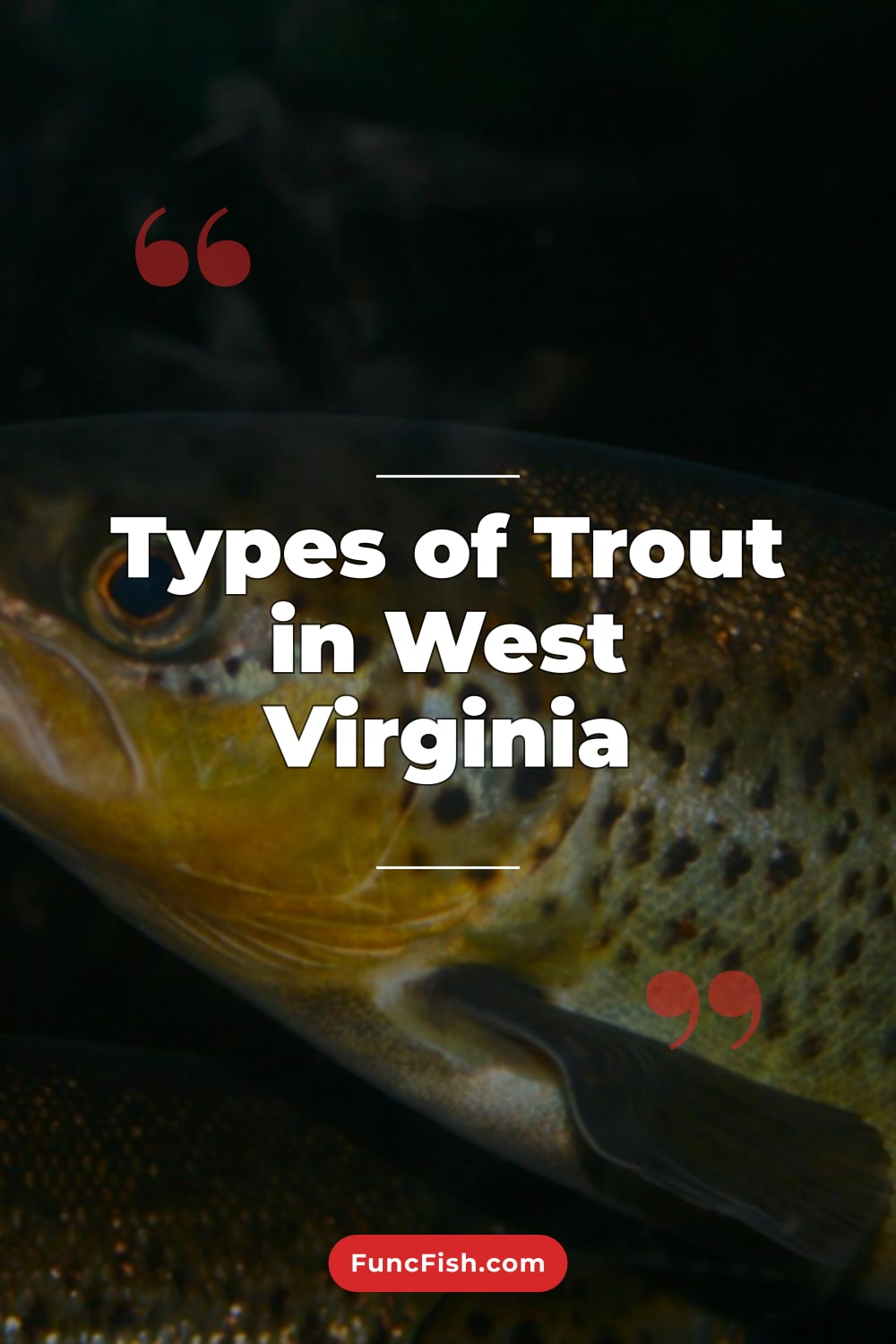
Rivers define West Virginia. They cut deep into the Appalachian folds, slicing their way through the mountains to form fast, cold-water highways for fish. This make it an angler’s playground; a real goldmine.
West Virginia claims some of the country’s best trout waters. But catching them isn’t necessarily about how well you cast; instead, it requires knowing exactly what you’re hooked up to. But it’s not just some generic trout swimming in those mountain streams.
It’s a whole ecosystem full of various species, all with their own habitat preferences, behavior quirks and flavor profiles. Failure to distinguish between these trout mean wasted time, lost opportunities and an empty net. Knowing the difference allows you to focus your efforts on the right fish.
It also lets you use the right tactic. That random cast becomes a calculated strike. Here’s a rundown of the main trout types you’ll find in West Virginia waters.
I’ve arranged this list based off how often you will see them and how it affects your fishing strategy. When it comes to size and difficulty, brown trout are typically the biggest and hardest to get a bite from in the area. They live primarily in deeper pools where current is not as fast, and like to tuck into shade around the edges of the stream bed or under overhanging trees.
Top Eight Types of Trout Found in West Virginia
1. Brown Trout
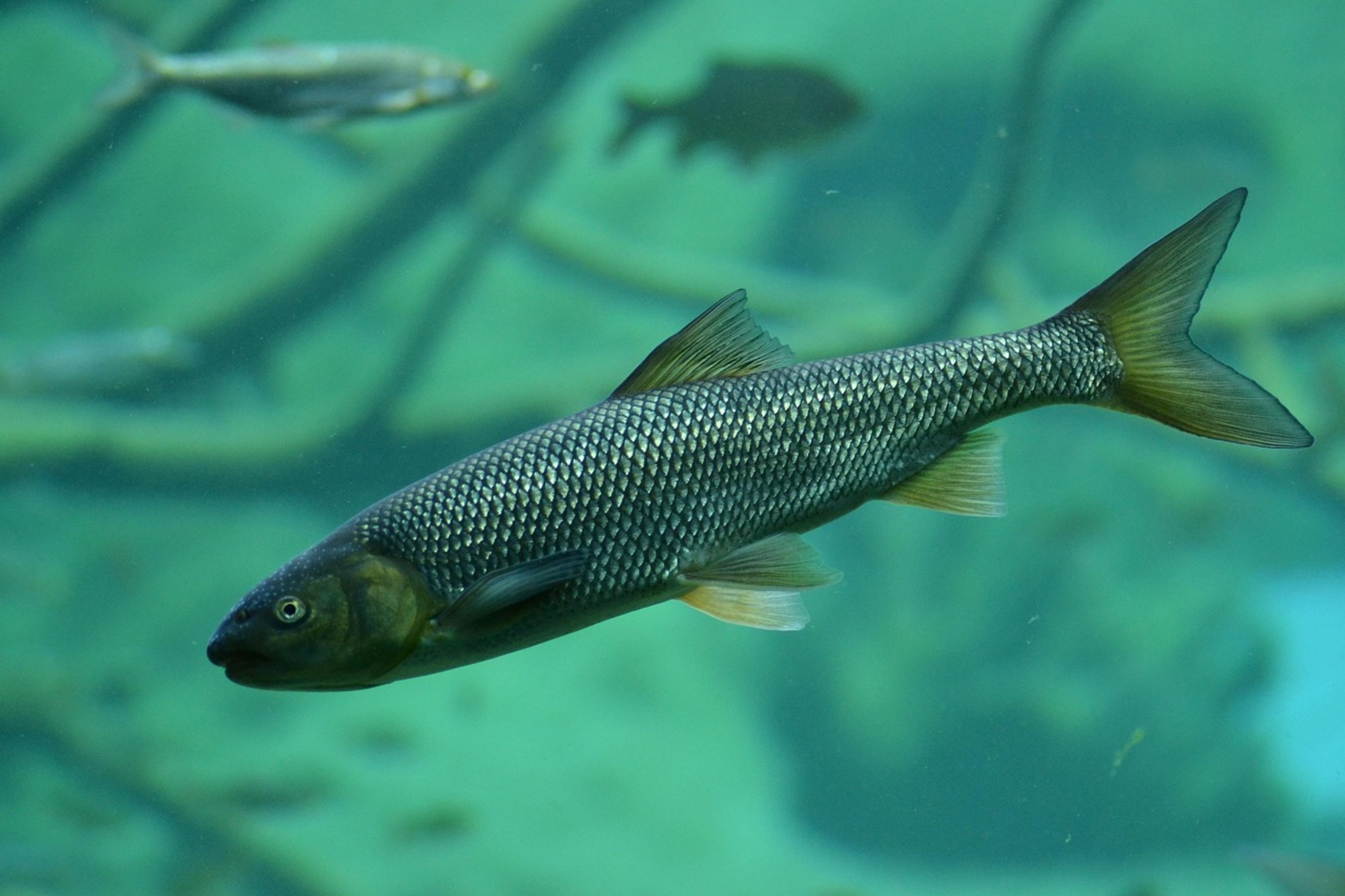
They are opportunists; if it looks like food, they’ll probably eat it. Because they’re visual hunters, it’s important to make an accurate presentation with whatever bait you choose. Once you have seen one, the red markings down both sides and the light spots on their dark olive bodies will stand out.
2. Rainbow Trout
The state’s most commonly stocked species are the rainbow trout, found not only in warm impoundments but also in the colder mountain stream waters. Rainbow trout tend to relates to faster water than browns do, are aggressive biters and are excellent targets for fly fishermen who can get their imitations to drift naturaly in turbulent sections. The main feature of the fish is its side-running pinkish stripe that will glow very brightly if it is fresh.
It fight hard and is a favorite with expert and beginner anglers alike.
3. Brook Trout
Brook trout are a native species that have adapted to the cold clear waters of Appalachia. Because they need more dissolved oxygen than other cousins, look for them in the cleanest, coldest water, which are high elevation streams.
When you hook one, it’s a smaller fish but an acrobat. They’ll normally be up shallow in the day in those lower riffles and runs and back into the deeper pockets at night. They’re very sensitive to temperature change and pollution, protecting their habitat is key.
4. Cutthroat Trout
Cutthroat trout were re-introduced and mainly live in headwater streams up in the northern panhandle. They look similar to brown trout, but they have a red slash on bottom of their jaw. That’s what identifies them as cutthroats.
They’re quite spooky and shy, so you need to approach them very quiet and use light presentation. Many locals consider it a rare treat when they see a cutthroat, which makes sense since there aren’t that many. They love streams with plenty of bugs.
They also like streams with clear gravel bottoms.
5. Golden Trout
Golden trout can be difficult to find.
They are typically only found in high-altitude lakes where they is stocked and not naturally reproducing. The goldies have a beautiful blue spotted body that is a vibrant yellow color. They are not native to the area.
They are generally caught in a reservoir or tailwater. You might know how to fish a lake, but you may not know how to fish a river. Tend to suspend off bottom more, particularly in summertime.
6. Tailwater Rainbow Trout
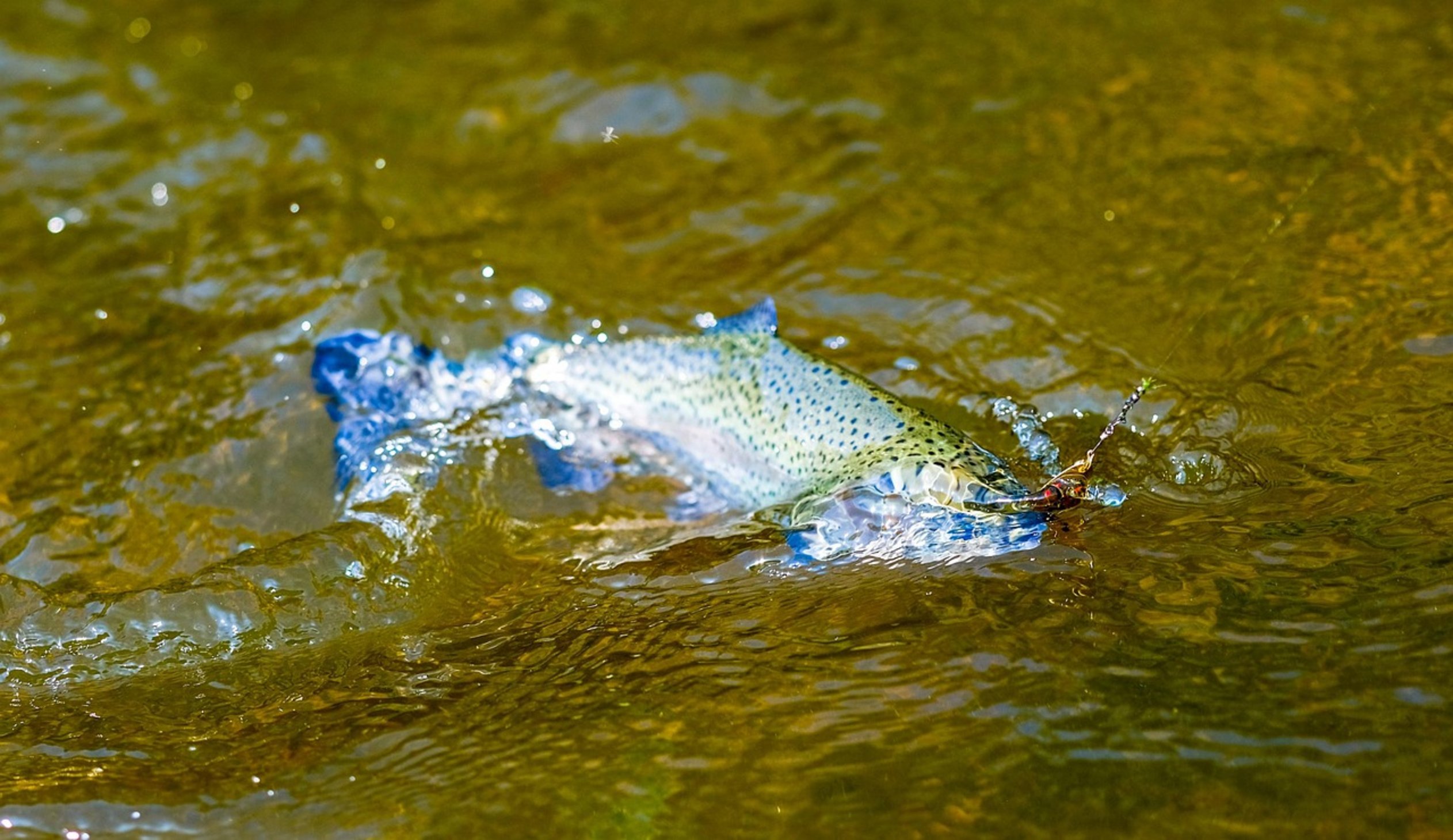
Rainbow Trout live in tailwaters. These are a special type of rainbow trout that live in the cold water flowing out of dams. They have an extended growing season due to the constant cold temperature which results in much larger fish compared to their wild rainbow counterparts.
Famous rivers for these giants include Gauley and the New River. Because tailwater rainbow trout eat big prey items, you need bigger lures/flies to catch them and heavier tackle to do so. Due to heavy fishing pressure, it’s a dog fight.
7. Lake Trout
The deep holes of big reservoirs such as Summersville and Bluestone hold lake trout… Fish who live in water colder than most trout will swim into, deeper than most trout would dream of venturing. These are bottom dwelling fish that require some special gear (sink-tip flies; lead core lines) if you want to get down to their level.
If you connect with one, it’s a battle you won’t soon forget (a long-lasting one from an old-timer). It is not often caught by anglers, but it is the Holy Grail for hardcore trout chasers in West Virginia. You should of seen them in person.
8. Brook Trout Hybrids
Some fisheries have what are called Brook trout hybrids. These are crosses between wild or native brooks and hardy lines developed to live in a little warmer water, while keeping all the beauty of the native fish. These cross breeds aren’t as common but serve as a foot in the door connecting more mainstream anglers to more traditional trout fishing.
They offer a unique challenge for anglers looking to expand their skills beyond the standard varieties. Once you know the differences, it’s hard not to take them into consideration on the water. You begin seeing the structure, you see the current speed, and the depth of the stream.
From the need for stealth in brooks to the need to use power on tailwater rainbows, each species of trout demand something different. Pay attention to the details and the river will reward you. It could be your next cast when you connect with the right fish at the right time.