
Tackle boxes is often viewed as a vending machine by most fishermen. We think that if we throw something down there it will solve our fish woes of the day. In reality, bass has different tastes depending off several factors such as recent diet, water temperature and cover structure.
You can’t throw everything at them. That’s a fatiguing formula for tangle hell. Figuring out what triggers a natural reaction from a bass given certain conditions are the key to consistent bass fishing.
Catching big bass doesn’t require a boatload of gear or an empty wallet. It simply requires knowing how various bait work. Some rely on sound and vibration, some rely on looks, and others immitate injured prey swimming perfectly.
Knowing which tool to use for the job will allow you to fish smarter instead of harder. So here’s a breakdown of the must have categories of bass bait and when they earns their keep in your bag. Crankbaits are divers.
Essential Types of Bass Bait for Anglers
1. Crankbaits
Whether shallow running or diving deep, it’s all about the lip design. Cast ’em out and control the depth with speed of your retrieve. If you’re looking for fish scattered around, crankbaits work great as you can cover a lot of water fast and then slow down and start fishing key pieces.
Because of the hard plastic body and the distinctive flash it gives off in the water, it look like a baitfish from afar which is why they really shine when fish are suspended next to subsurface structure such as ledges or brush piles. But you have to pay attention to your retrieve because they can hangs up pretty easy. For starters, spinnerbaits are rightly referred to as the weedless wonder.
2. Spinnerbaits
That wire arm raise the blade over the spinnerbait hook. This prevents the bait from getting snagged on rocks and other heavy cover. So whether fishing submerged timber or thick lily pads, this design lets you fish around the thickest stuff while keeping your hooks out of trouble.
The vibrating and flashing blades creates vibrations and flashes that bass can feel even in stained and muddy water. A versatile lure that fishes great throughout much of the year, it’s especially effective in lowlight periods where visual clues is at a minimum. The pulsing action draw reaction strikes from fish who may not see or feel a slower offering.
3. Topwater Plugs
Nothing is more viscerally exciting in bass fishing then topwater plugs. They splash, make commotion and keep their nose under or just on the surface. As you watch a fish explode out of the water hitting a walking bait, there’s nothing like it; no other technique can compare.
It is best fished at first light and last light as the bass move up shallow and feed around cover. Timing and accurate cast placement are important, but they are not as easy for a beginner who wants to learn the rhythm of the retrieve. Despite moddern innovations, the soft plastic worm remains the backbone of bass fishing.
4. Soft Plastic Worms
There isn’t another product that can be fished with just about every technique, in virtually every place. From bouncing a creature bait off rock piles to dragging a tube worm along the bottom, the possibilities is endless. These worms immitate real world food including small amphibians and crawfish extremely well while also mimicking the movement of those same foods.
But most importantly, they last, because no matter how many times they get hung in cover, you’ll likely be able to pull ’em out and keep fishing. You can punch them into thick vegetation, which is something you’d never do with a hard bait because those will just stick and cost you the bait. With jigs, you can use a systematic approach while targeting a handful of hiding places versus covering water.
5. Jigs
You bounce it on the bottom precisely with a weighted head and soft plastic trailer in tow. This immitates crawfish extremely well, and are frequently a major food source for large mouth bass. It’s outstanding when fishing rocky points, dock posts, or around any type of tree that has fallen into the water.
Because it’s a slow presentation, it also gives tentative fish an opportunity to inspect and commit to the offering. The drawback is you have to be sensitive and patient enough to detect bites from far away. They imitate forage fish: Swimbaits look just like forage fish.
6. Swimbaits
Whether hard bodied or soft bodied, their unique segmented body design causes them to undulate naturaly on every retrieve. Their natural motion attracts more attention from educated larger bass that has become accustomed to avoiding obvious artificial lures. When fishing open water without cover or deep over vertical structure, swimbaits will work.
The retrieve doesn’t cause as many aggressive reaction strikes; it simply triggers a feeding response. They draw attention and earn respect from big bites. You must use sharp hooks and work the bait quickly to get them hooked right.
7. Jerkbaits
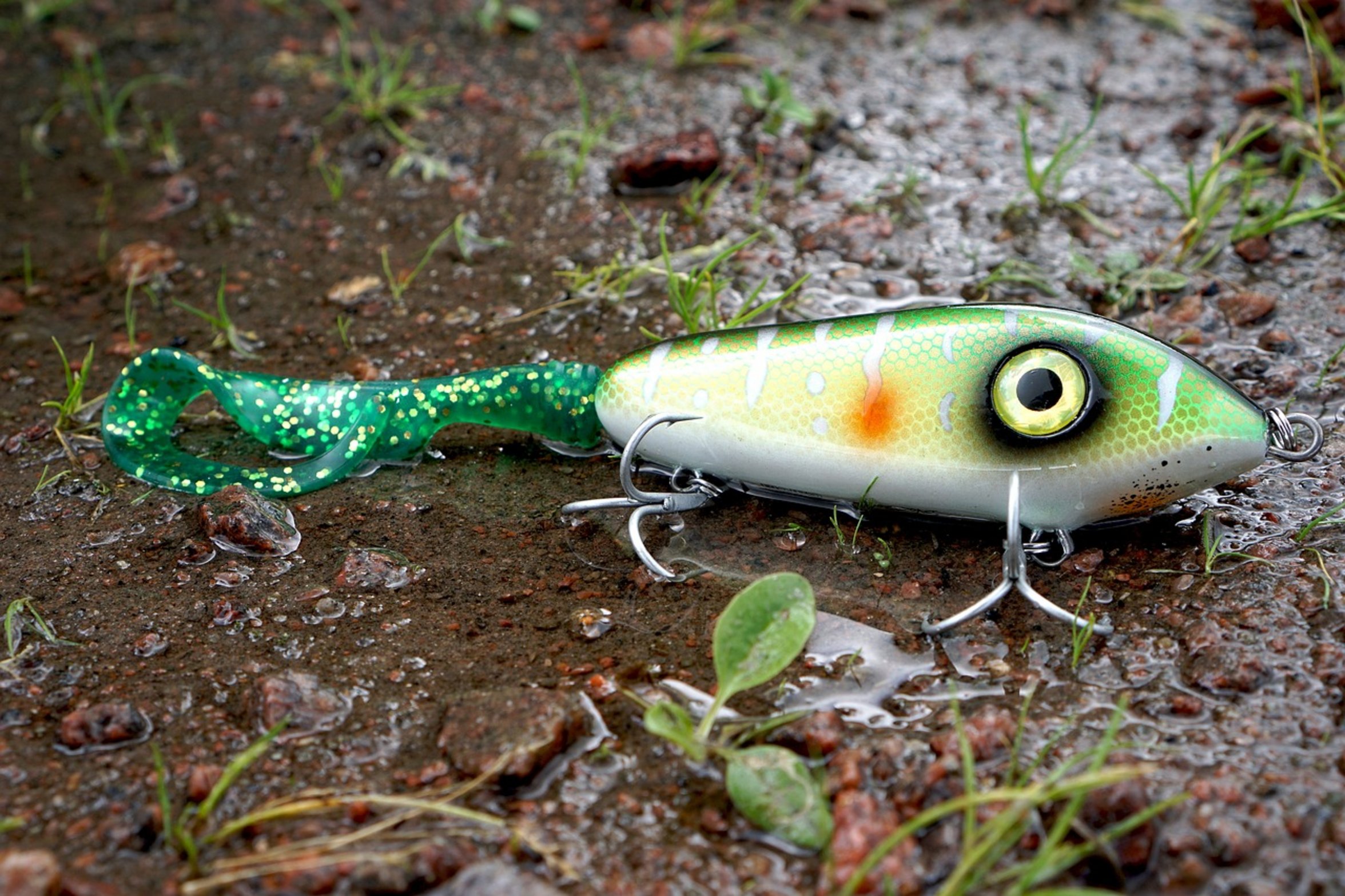
In-between the splashes of topwaters and the depth control of crankbaits, we find jerkbaits. When paused, these suspending minnow lures suspends in place on the water column. That’s usually when the bite occurs; as the bass follows it then strikes when it hesitates on the pause.
Their metabolism has slowed in the cold water. They don’t have the energy to run out and chase fast moving prey. This makes it a great choice for cold water.
Their erratic action perfectly immitates an injured or dying baitfish. It takes some practice. Mastering it means learning to feel a subtle rhythm of pausing and twitching the bait to keep it alive in front of the fish without causing an immediate rejection.
Part of being good at fishing involves both mental and physical abilities. Reading the water, watching the weather and predicting how the bass are behaving helps you make the proper choice on what to fish. It is not necessarily about having the latest and greatest, but about knowing when they will react to something.
So don’t try to learn all the baits all at once. Pick one or two that fit the situation and go from there. Have confidence in what you’re putting in your tackle box.
The more familiar you become with each bait’s strengths and weaknesses, the less you have to guess and the more calculated each cast becomes. And that leads to productive days on the water and experience building over time. You should of known it was hard.