
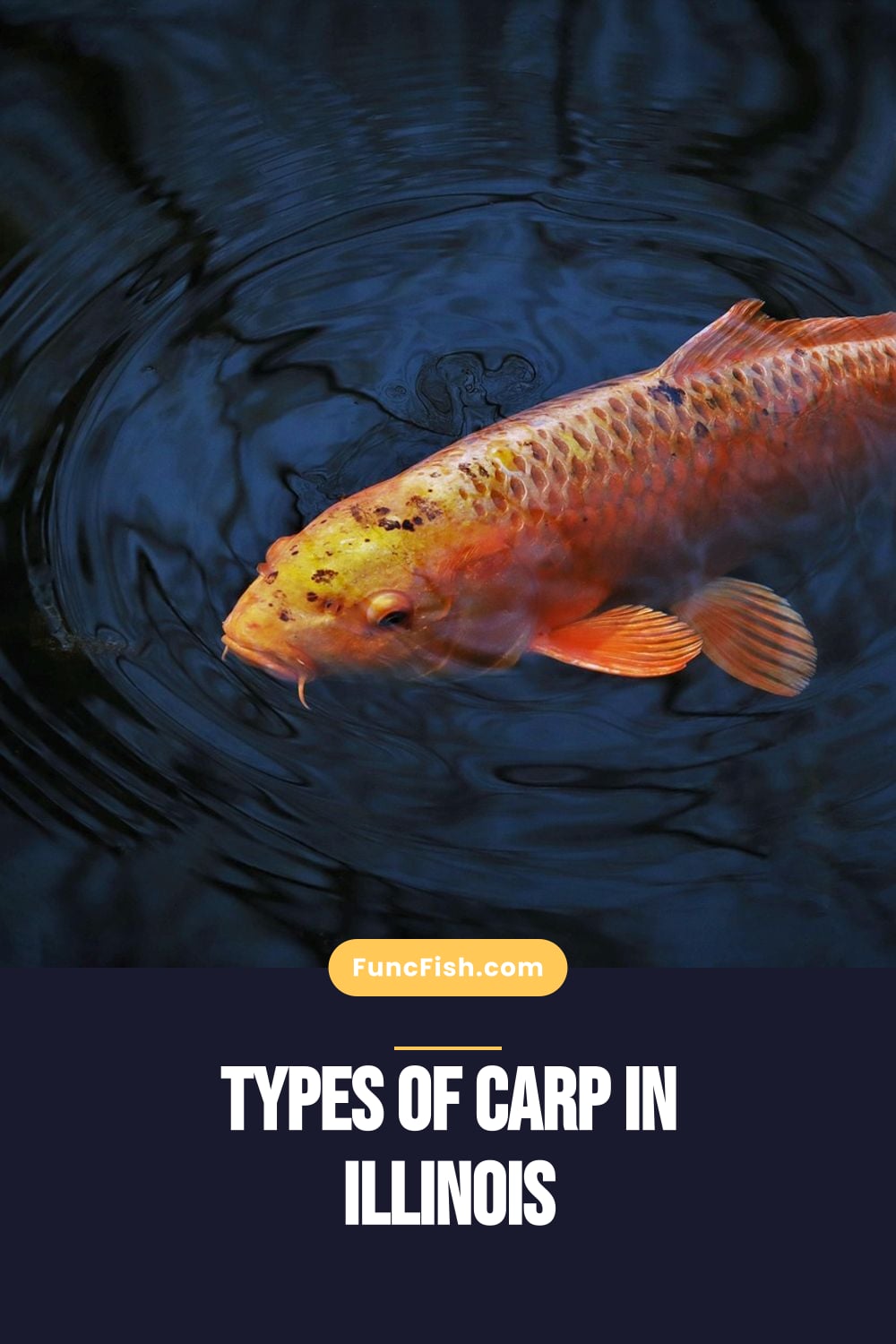
Illinois is smack dab in the middle of the continent. Rivers run to the Mississippi and lakes are spread throughout land. That means there are several different types of carp swimming in our waters.
And knowing what type of fish you’re after makes all the difference. When people hear the word “carp” in this part of the country, they envision big mirror carp or maybe common carp. But it’s not just about size and weight when it comes to having fun on the water.
Knowing what species swim in your home river or pond alters everything from your bait selection to the rod you bring out on the boat. Why does it matter? Each species has very different behavior and feeding patterns.
While one may live on the bottom of a slow current creek with mud, another may inhabit shallow water in oxygen rich currents with crystal clear conditions. Confusing one species with another is not only frustrating but it can cause lost opportunities. Identification allows you to target your fish instead of catching them by chance.
It takes the guesswork out of your fishing and makes it more of a calculated approach rather than pure luck. Here is an overview of the unique carp species that you’ll find in Illinois waters, beginning with arguably the most popular and concluding with perhaps the most controversial. The giants of this bunch are common carp.
Types of Carp Found in Illinois Waters
1. Common Carp
When most people hear the term carp, these is probably what come to mind. Common carp were actualy brought over from Europe for aquaculture purposes, but have become a dominant presence on several waters across Illinois now. By their nature, they are bottom feeders rooting around looking for plant matter, larvae and other insects.
The result is some of the strongest fighting fish you will find. Because they are very muscular and bony, they pack a punch and feel much heavier than they is on the line. Be sure to use equipment that can withstand quick runs and deep dives into structure if you’re going after them.
Common carp also survive well on most any water condition; they’re tough. And they can live in warmer lakes with lots of weeds when other species don’t does as well. Often you’ll see common carp hovering near the bottom, waiting for something to float by within reach.
But here’s the deal, common carp are wary. Since their sight and hearing are quite good, being stealthy works better than being fast. When you hook one up, it’s going to test both your tackle and your patience.
It’s more of an endurance match then a lightning strike. Landing a big common carp is the icing on the cake for most anglers, knowing you had what it takes to handle the beast. The image is entirely different for silver carp found on the Illinois waterway.
2. Silver Carp
Silver carp are considered filter feeders, meaning that rather than eating bait off a hook in the traditional sense, they will just swim around with their mouths open filtering algae and plankton from the water column. Because of this unique way of feeding, they are almost impossible to intentionaly target with typical angling methods. More times than not, you will accidentally hook them while targeting other fish.
And that’s where the danger lies… Because these fish has a tendency to jump out of the water with much force when hooked up. Silver carp have drawn severe ecological red flags in Illinois and throughout the south where they are found.
By feeding on the nutrients in the water, they’re disrupting the native fish food chain. They’re quick to reach a hefty size, but unlike other types of carp, their meaty flesh is neither appetizing nor soft. To prevent them from spreading into the Great Lakes basin, the state has spent big bucks erecting barriers.
A single jump is an alarming sight. But it’s also a flashing sign: Local ecology is under pressure from an invasive species that doesn’t play by the usual fishing handbook. Closely related to the silver carp, bighead carp are very different animals.
3. Bighead Carp
Like its cousin, it’s a filter feeder; however, it typically stays closer to the surface and jumps far less than the silver. While that means you won’t have to deal with as many splashes, it doesn’t make them any less problematic if you’re fishing specifically for certain game fish. Because bighead carp feed on zooplankton, this negatively impacts the overall aquatic community, including our native species.
You’ll commonly find them hanging out in backwaters or slow moving areas in which current is slight enough that filter feeding can occur easily. Bighead carp don’t rise out of the water and are hard to identify from the shore. It’s typically after you’ve reeled a big one in and seen that giant mouth and head that you recognize you had one on the line.
By then it’s too late. Only after the fact does the name give it away. Unfortunately, these fish are an invasive species and play a role in the ecosystem imbalance here in Illinois.
Though they won’t leap out of your boat, they’re having a noticeable impact on both water quality and native biodiversity. There’s simply no practical nor ethical reason to target them; doing so will only make their negative environmental impacts worse. Leaving areas known to harbor bighead carp in abundance preserves healthier fisheries below.
4. Black Carp
Black carp are perhaps one of the most controversial fish species in Illinois waters. The only difference between black carp and any of the other invasive carps mentioned above is that black carp is a carnivore. In fact, they almost only eat mollusks, specifically mussels and quahogs.
This puts them directly at odds with conservation efforts to restore native mussel populations. These mussels are an important part of water filtration. Native to Asia, black carp were discovered in some of Illinois’ rivers after escaping from ponds or aquariums owned by aquarium owners.
Because they is able to quickly destroy local mussel beds, their presence is a concern to conservationists. They are bottom dwellers. Black carp are not filter feeders.
So they don’t compete directly with bighead and silver carp for food. They also live in a space that has been left empty by other native species who have lost their place due to loss of habitat and pollution. Many places regulate fishing for black carp very closely as catching them serves to protect the ecology.
Local wildlife agencies will usually guide you on how to dispose of it if you think you’ve caught one. It’s remove vs. Keep. Be responsible; be aware.
5. Grass Carp
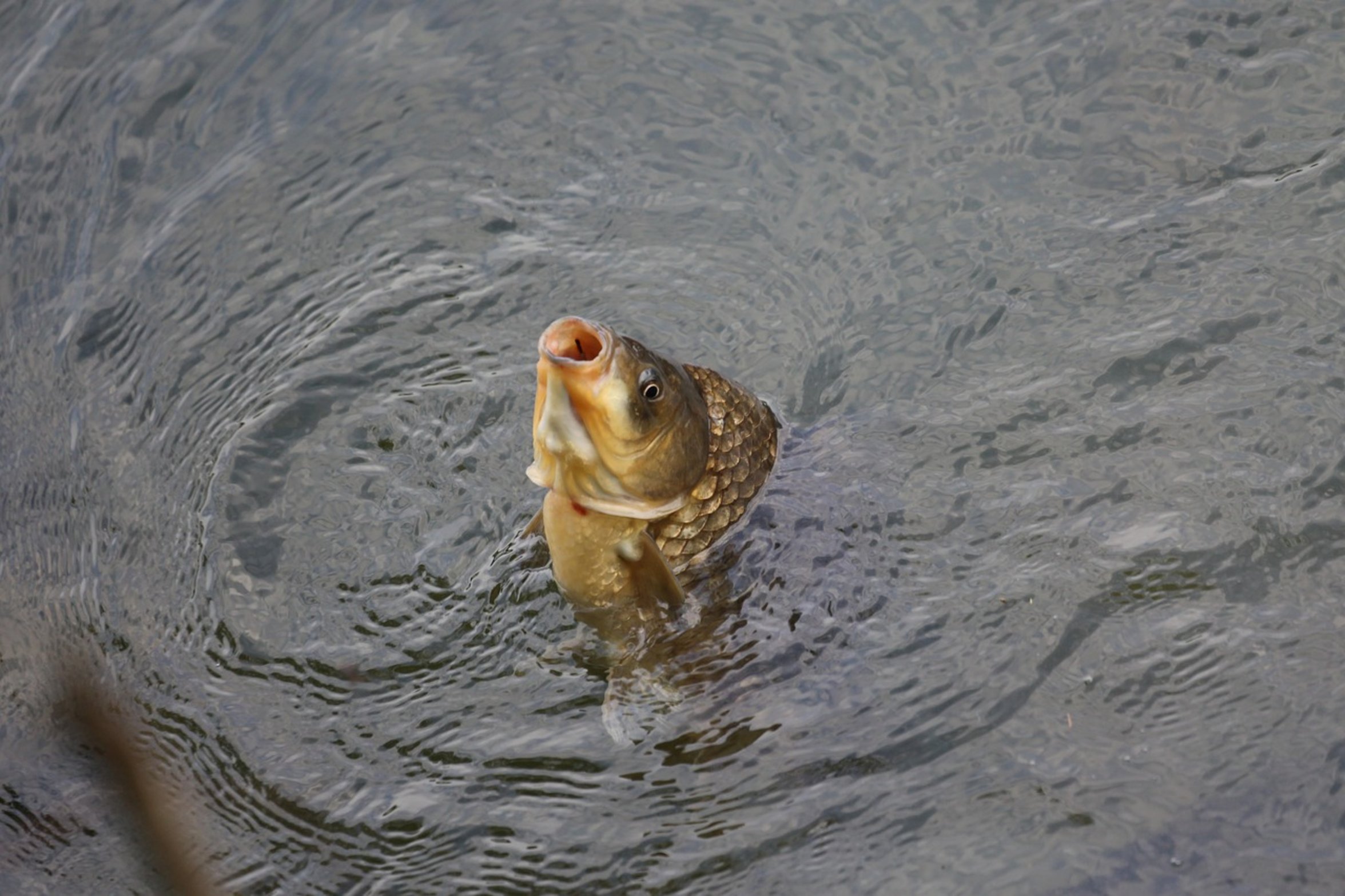
From a different angle, grass carp are much more helpful members of the carp family. As herbivorous fish, they eat submerged plants and can be an effective tool for controlling excessive pond and lake vegetation.
Additionally, unlike their cousin species (black carp), grass carp don’t pose a direct threat to native mussels and fish. Grass carp are commonly stocked for this purpose because they help keep weeds at bay without chemical methods. To ensure these fish remain non-invasive, sterile triploid grass carp are stocked in Illinois, preventing reproduction.
Through this management technique, water managers and landowners is able to get clear water without causing damage to the ecosystem. Grass carp are sometimes targeted as sport fish due to their good fighting traits. As herbivores, they seek out deep vegetation beds where they can hide and feed on submerged plants.
Unlike other filter feeders, they clearly prefer eating either dough balls or corn. This makes baiting them relatively simple. Fishing for them resembles fishing for common carp, minus the weight and plus aerial antics.
They are less skittish than mirror carp, and if approached correctly, they’ll eat your bait multiple times. Designated waters also make grass carp a legal, “safe” target for anglers seeking to perfect their casting and setting skills. Mirror carp are a type of common carp that appear very different because of their unique scale pattern.
6. Mirror Carp
Rather than having scales from head to tail like other common carp, they have large, irregularly placed areas of scales separated by bare skin. Because of this appearance, mirror carp are easy to pick out at first sight. Not only do mirror carp show a different scale pattern, they are also a physical variation within the common carp population (not an entirely separate species).
When hooked, mirror carp are every bit as aggressive and strong as the full-scaled versions. Sometimes, because there aren’t as many mirrors as common carp, they’re more prized by competitive anglers and collectors. When you run across one in a sea of normal common carp it’s like finding a pot of gold in a pond.
The technique is still the same, but the payoff is different. You could spend an hour or two catching a few ordinary carp and then finally hook up with that odd looking mirror that will add some visual spice to your day on the water. It’s something different about the fish that makes you realize just how varied the species can be.
The fishery in Illinois has a lot more than meets the eye, and that’s not always a bad thing. They are unique and filled with complexities if you’re willing to dig a little deeper. Regardless if you want to avoid the frenzy of invasive silver carp or catch the brute strength of a common carp, knowing the differences will not only benefit your day on the water but also protect the resource.
So the next time you head out to the nearest body of water and cast your line, spend a few minutes thinking about who swims beneath the surface. It may permanently alter your perception of the water.