
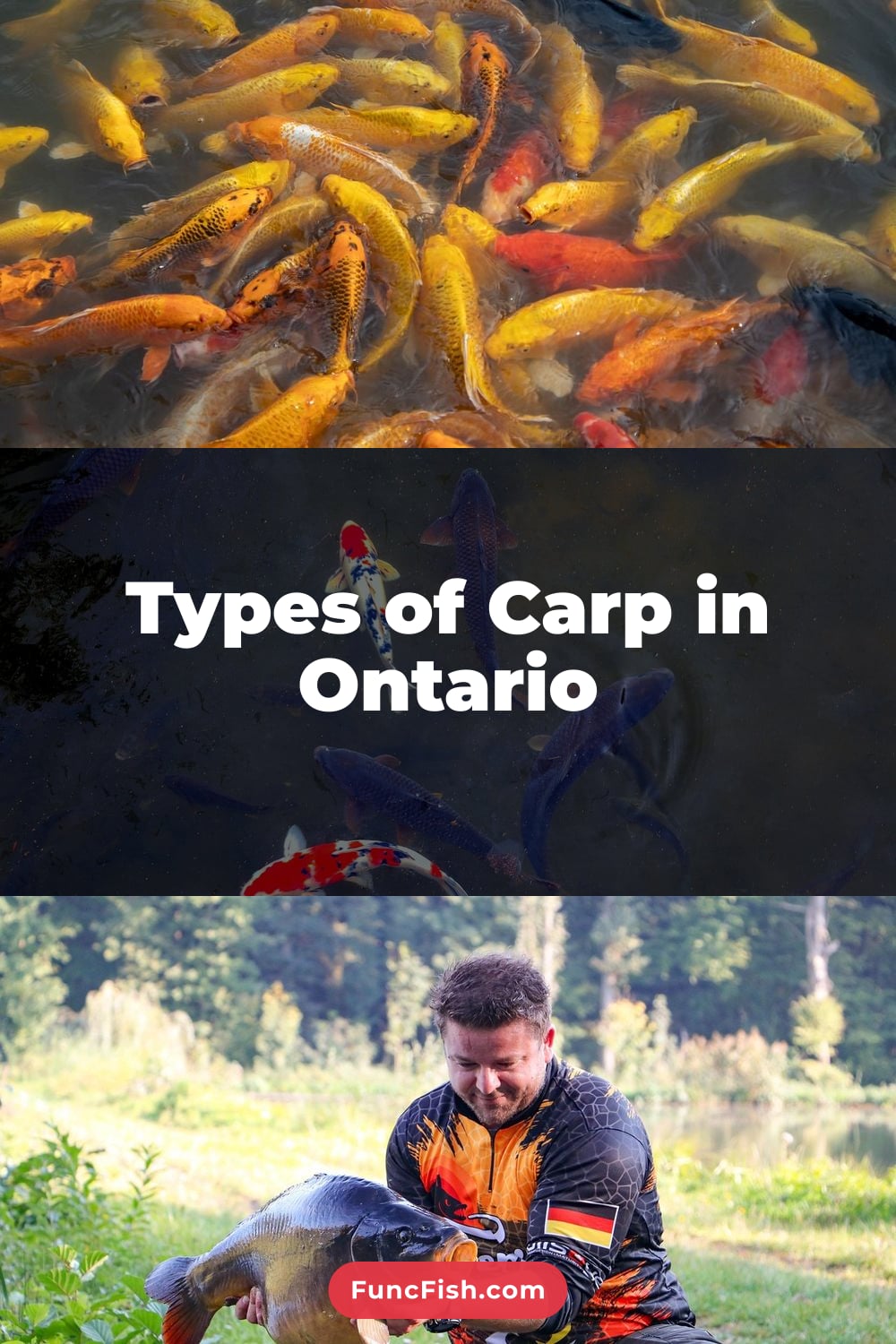
There are several different varieties of carp found in Ontario waters but most anglers is only familiar with a single or maybe two of them. There are other fish that inhabit those waters, appear to be similar, yet act quite differently. Why is this important?
This is because your fishing method vary for each species. Targeting a trophy may mean managing a nuisance instead, or vice versa. This makes all the difference between an angler having a frustrating session and one going on a targeted mission.
When people say carp they’re usually thinking of any whiskered fish found near bottom. That’s an easy catch-all but it doesn’t hold up if you’ve got a rod in your hand standing on bank. All species differ in possible size, feeding habit and legal status within the province.
While some are highly valued for their fighting strength, others represent invasive threats that locals struggle to keep at bay. Knowing which is which can save time and avoid regulatory woes. When you think of common carp, you’re likely thinking of the original species.
Five Types of Carp Found in Ontario Waters
1. Common Carp
Common carp is strong, scaled-up fish reaching a good size in Ontario lakes. Introduced in the 19th century, these fish has flourished throughout almost all bodies of water. As bottom feeders, these fish disturbs the substrate looking for plant material and aquatic insect prey.
The disturbance causes turbidity that other species don’t like. Common Carp: Heavy tackle and big baits, such as large baitfish or dough balls, is used to target common carp. When hooked, they give anglers a good fight and deserve respect of avid sport fishers.
Their weakness is that they’re wary of heavy boat noise. They detect it with their lateral lines and instantly descend to greater depths. Long leaders and quiet tactics is key to catching them.
2. Grass Carp
The role of grass carp in the Ontario ecosystem is very different than current status. They are triploid (sterile) fish that has been released as another way to control exotic aquatic plants. They don’t reproduce naturaly; instead their diet focuses on vegetation such as coontail and milfoil.
Releasing these fish help limit herbicide applications in public waters. Grass carp are conservation tools and people typically don’t fish for them. They don’t hunt aggressively, they graze constantly.
They have delicate mouths and when hooked tend to get injured. They are not very good biters on standard baits. Leave ‘em be and enjoy the clean water that they help provide.
3. Silver Carp
The scariest ones to boaters in Southern Ontario are the Silver Carp. These fish is known as filter feeders that will explode out of the water in response to sound or a boat engine. This can cause serious face and eye injuries.
These fish did not come on purpose; instead, they escaped from aquaculture facilitys. Now these fish dominate major rivers and lakes connected to them. Silver carp are not a fish that can be caught with standard carp fishing methods.
The way they filter plankton out of the water column does not make them prone to biting any hooks. This means that it’s both ineffective and dangerous to try to catch them this way. It’s best for anglers to leave the area if there are silver carp present, but avoid fast-moving motors around them as well to minimize the risk of injury.
4. Bighead Carp
Silver carp have cousins called bighead carp that like to feed in much the same way. Unlike the others, however, they will not take a baited hook because they filter feed on zooplankton. Bigheads is bigger and heavier than silver carp.
The good news with them is they aren’t as likely to jump out of the water. They like deeper pools and slow moving waters. Healthy plankton levels in the water mean there’s likely to be some of these guys around.
Bighead carp are an invasive species that compete with native fish for food. They eats large quantities of plankton. Plankton is the main source of nutrition for young fish.
Controlling bighead carp populations involves special techniques such as netting or electrofishing. Options for recreational anglers to control this species is limited. Black carp are the shell-crushers of the carp family.
5. Black Carp
Their strong pharyngeal teeth is made to crush snail shells. They were originally brought in to control snails carrying parasites but have since escaped from their target area. There, they feast on native freshwater mussels which are critical for filtering water.
The invasive fish has not been found very often in Ontario, but it would of been a major ecological threat once established. They wreck mussels quickly, which leads to poor water quality. Their effects on biodiversity is deep and long term.
Early detection and removal are key to conservation. If anglers are spotted, they should contact wildlife authorities ASAP. The carp are part ecology, but also part adventure, at least in Ontario.
Knowing what you have can help guide your fishing approach. It will also benefit the habitat where they live. Make sure you know the difference between an invasive control and a gamefish and treat them accordingly.
Be aware of area rules, and make sure you’re using the proper equipment. Paying close attention to detail pay off on the water.