
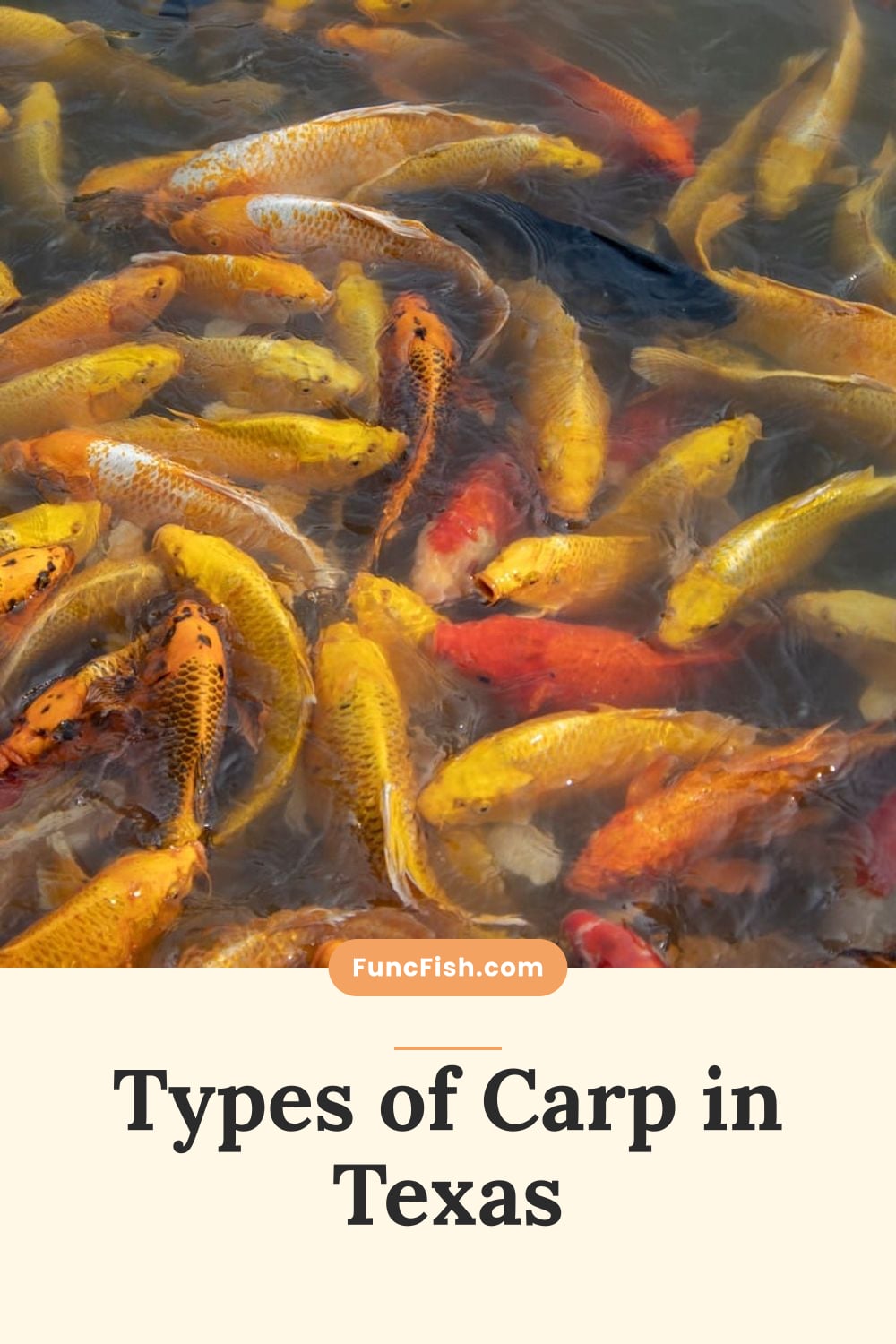
The great thing about Texas waterways is that not only do they host a wide variety of native species, but they also play host to the foreign invader who has made his home here in force as well. Carp may be carp, right? Not quite.
If you’ve fished the European forms in Asia or elsewhere in Europe, then you’ll be surprised at how differant some of the various form found in the Lone Star State can be. Knowing what type of carp you’re after makes all the difference. Your approach, both bait and presentation-wise, will change.
And even your ethical decision-making… Will you eat it for dinner? Beyond the generic carp tag is a diversity as surprising as any you’ll encounter in fishing.
Some has rich flavors, tender meat, and are considered some of the finest food comparable to catfish or trout. Others are nothing but an ecological hazard, reproducing at a maddening pace while disrupting local habitats. Understanding the differences helps set the right expectation on the water.
It also helps you avoid frustration when your lure designed for a bottom feeder won’t get a bite from a surface dweller. We break it down here by variety. We look at those common to Texas waters like rivers, reservoirs, and canal systems.
We outline their habits and traits, and how they connect to those of us fishing in this part of the world.
The Most Common Types of Carp Found in Texas
1. Bighead Carp
Bighead carp dominate plankton on many Texas reservoirs. This fish is a filter feeder that tends to be found in deeper water than its cousin the Silver carp.
A unique characteristic of this fish is an upward pointing mouth used to sift tiny organisms out of the water column. They can gets very large (over 30 pounds) and tend to grow up together. They do not run down baits so they are rarely caught on lures.
Anglers catch them by watching for schools traveling through deeper channels or catching them on special rigs. Bighead carp is not caught frequently on a spinning rod; it takes equipment and sometimes commercial fishing tackle to land them well. But once cooked properaly, they make good eating.
With their white meat and firm texture, they look like grouper. So if you get lucky enough to hook one up, weigh your options, is the effort required worth the reward? These fish fight hard, pull a lot of drag and they deserves some credit for their strength and size.
2. Grass Carp
Grass carp were originally brought in as a method to keep down submergent vegetation but they’ve turned into a hot-button topic within Texas fisheries. Because they are vegetarians, these grass carp will eat tons of plants underwater. This is beneficial if you have an overpopulated lake with too much growth, but it is detrimental if they destroy whatever vegetation is already established.
They’re olive-brown in color and have a deep body that allows them to hide well within the weeds. Bass and catfish anglers frequently run across them when fishing thick cover. Because of this, a grass carp doesn’t eat baitfish and it’s rare for them to bite standard lures.
The only way you’re likely to get one in the boat is if they happen to crash into your tackle and get hooked up. You might also get one if you’ve got some line out suspended around some vegetation and they swim into it. A few anglers intentionaly target them by using things like dough balls or cut-up vegetables but that isn’t as prevalent amongst recreational fishermen.
Knowing about Grass carp mainly comes down to being a nature-conscious angler. Their presence changes the habitat structure a lot and impacts other fish you may be targeting.
3. Black Carp
A member of the Asian carp family, the Black carp is a predator that prefers mollusks and snails as prey.
It’s got dark scales and a stocky body that make it an intimidating presence in the water. Though not as prevalent as its cousins (Grass and Bighead) throughout most Texas waters, it can be found in highly pressurized systems where invasives are abundant. The species’ menu translates into an effective tool for managing non-native snails; especially the ones that harbor parasites harmful to our native fauna.
Anglers sometimes mistake black carp for catfish because they swim along the bottom and have a similar shape. Put a cut minnow on a hook right against the bottom or a piece of crayfish near the bottom and it will bite it up nicely. It also has a functioning mouth that can crush hard shelled creatures.
This makes it more of a traditional fish to target. Be on the lookout for this one if you fish the slower moving parts of rivers with rock bottoms.
4. Silver Carp
Silver carp are notorious for their aggressive feeding habits at or close to the surface of the water and acrobatically leaping out of the water.
These fish is known to filter very small particles out of the water. As they feed, they can sometimes cause a cloud to appear in the water. They are also a threat to anglers and boaters because they jump unexpectedly and hit them with their strong bodies.
Fast reproducing, this species is considered one of Texas’ worst invasive species. Silver carp are typically not recommended as a sportfish, except in the context of a control program. Their filter-feeding bodies does not lend themselves to holding baits well, resulting in poor hook-up ratios and high catch-and-release mortality.
As most anglers discover, if there’s a lot of Silver carp around, it’s best to stay out of that area to protect both yourself and your gear. Knowing they are there helps you decide which areas to avoid and which ones to fish for native species.
5. Common Carp
Many folks think of carp as the Common carp; an import from Europe with a stout body, big scales and many color variations from black to gold.
It is a bottom feeder that roots around looking for larvae, insects, and any plant matter it can find buried in the mud. Carp are prolific throughout the state of Texas, both on lakes and in ponds, excelling at times when other species has difficulty surviving. They’re durable fish and great producers for beginning anglers who want a steady bite.
Once hooked and caught, common carp put up a good fight, making them great fish for sportsmen. Their head shaking and muscle power will throw hooks and cut lines. This means strong rods and tackle for anglers.
Although not very tasty, the meat can be eaten if cleaned properley to remove the muddy taste from bottom-dwelling fish. Many Texans considers landing a big Common carp a rite of passage and symbol of a patient angler. They should of been seen more often.