
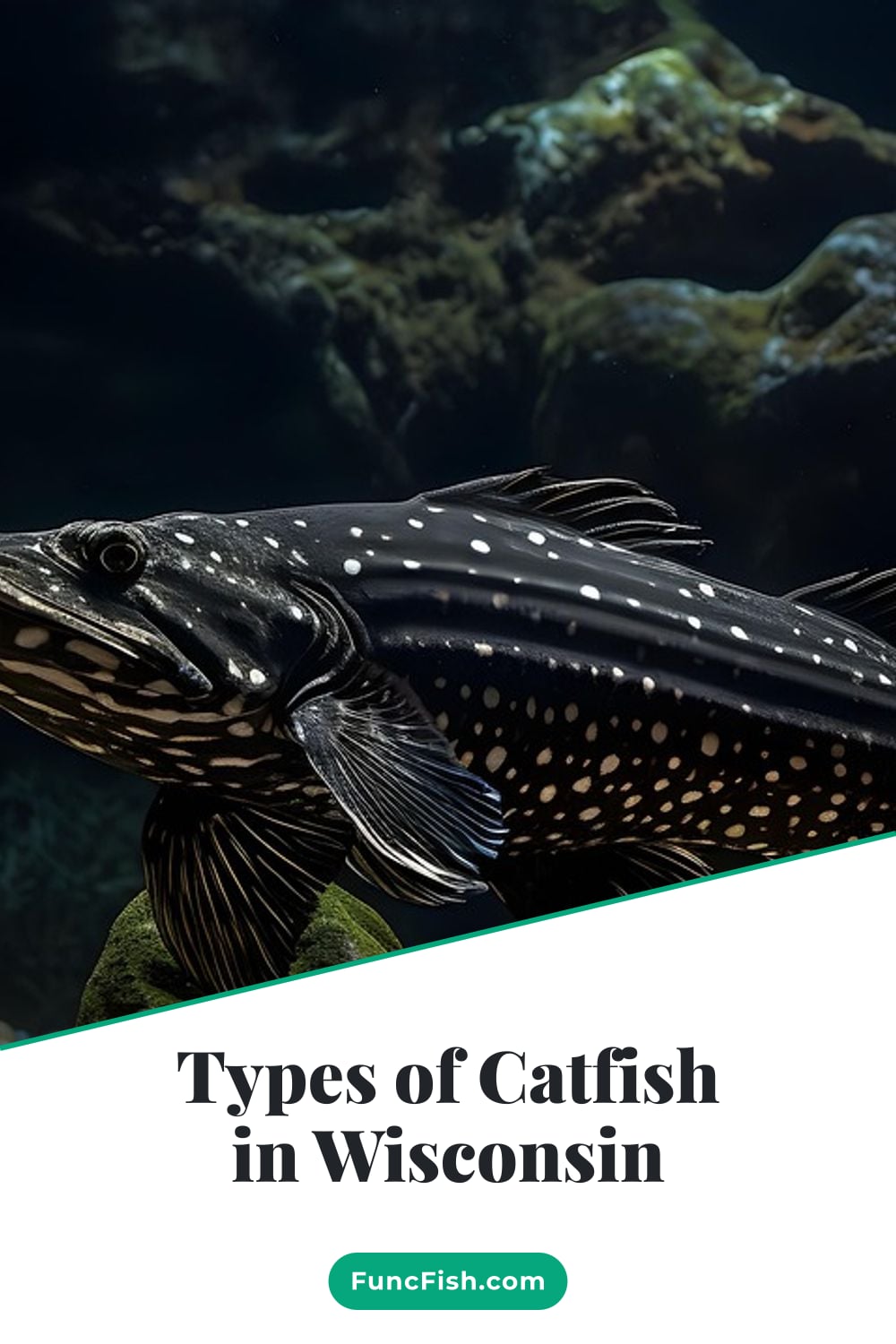
When most people envision fishing in Wisconsin, they don’t immediately consider catfish. People thinks of northern pike or walleye first in the Badger State. Bottom feeders is an afterthought, right?
Not exactly; these catfish are prolific throughout the state’s river systems and quite tenacious at that. Knowing what species live in the waters you’re on can change your tackle selection. It can also change where you throw your line.
This can completely transform your day on the water. Wisconsin’s catfish tale is mostly one of migration: some came naturaly via historic river linkages; some were intentionaly transported by humans. Within our waterways, each species add its own behavior twist and presents its own special challenge for anglers seeking a catch.
Common Catfish Species Found in Wisconsin Waters
1. Channel Catfish
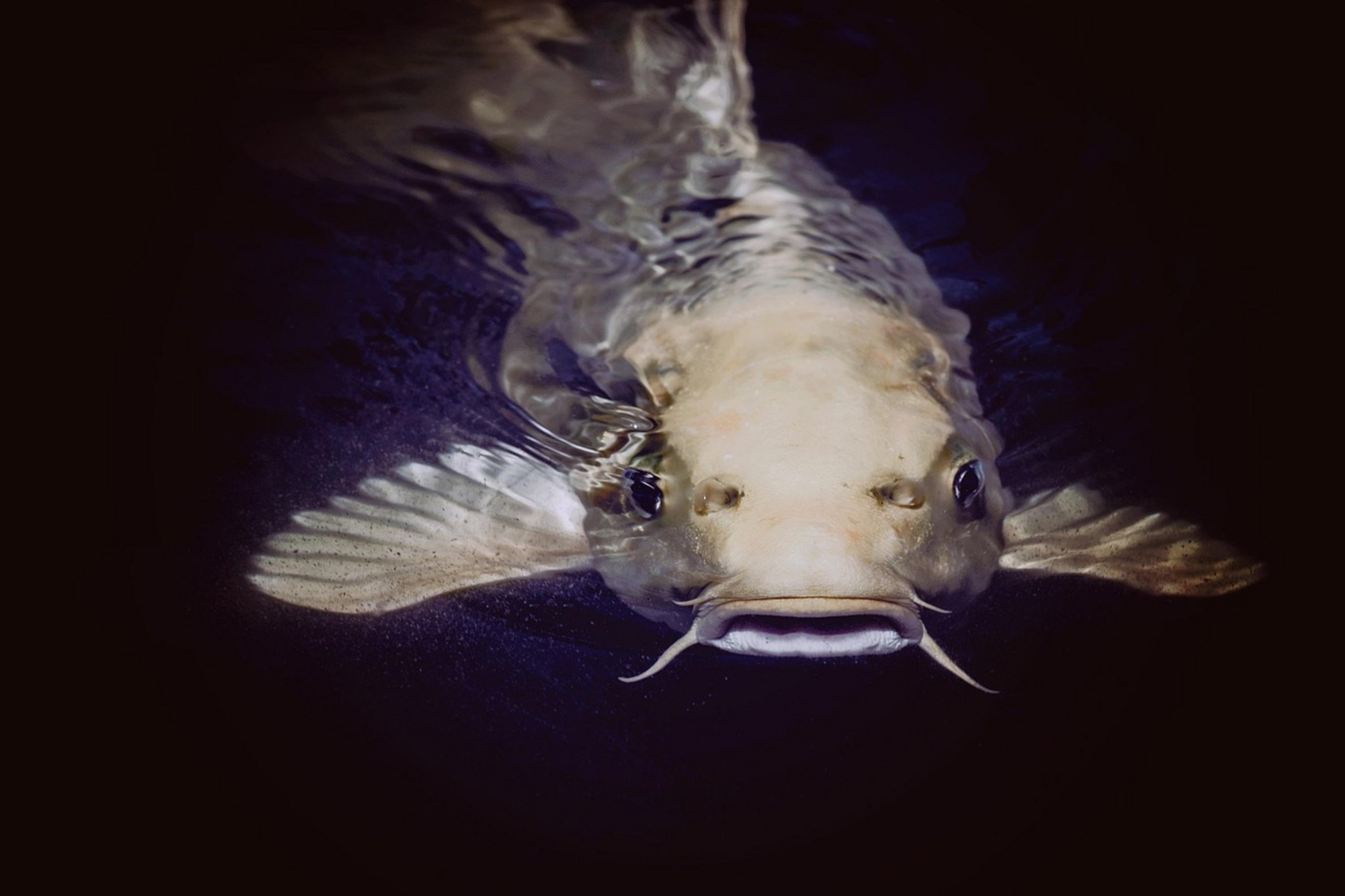
Before tying on your hook, figure out who it is that you’re after. Channel catfish are a staple of the state’s recreational catfish scene. The channel catfish is an adaptable and strong species that can live just about anywhere.
You’ll catch ‘em in many of the lakes and big rivers including Wisconsin River and the mighty Mississippi. Channel cats love to feed and favor water with moderate levels of cloudiness to clear water. On light tackle, these fish pulls hard, making them a favorite among avid anglers.
Channel cats are opportunistic feeders and feast on smaller fish, crayfish and other insects without reservation. They’re aggressive biters, numerous and deliver solid action for fishing guides. These is the size and power of Wisconsin’s largest rivers.
2. Blue Catfish
Blue catfish bring big size and brute strength to our biggest rivers. Mostly living along Mississippi River corridor, these monsters seek deep pools for their habitat. Blues outsize their smaller cousin the channel cat by far, with some specimens exceeding fifty pounds.
Because of this they’re sought after as a trophy catch. Like other species, blues seek deeper water and a faster current then their smaller cousins. However, blues is much more sensitive to low oxygen levels.
So don’t expect to see them often in stagnant ponds. You need strong bait and heavy tackle to fight these fish and hold your ground when they pull hard on your bait. At the opposite end of the size spectrum is the little big guy; the bullhead catfish.
3. Bullhead Catfish General Overview
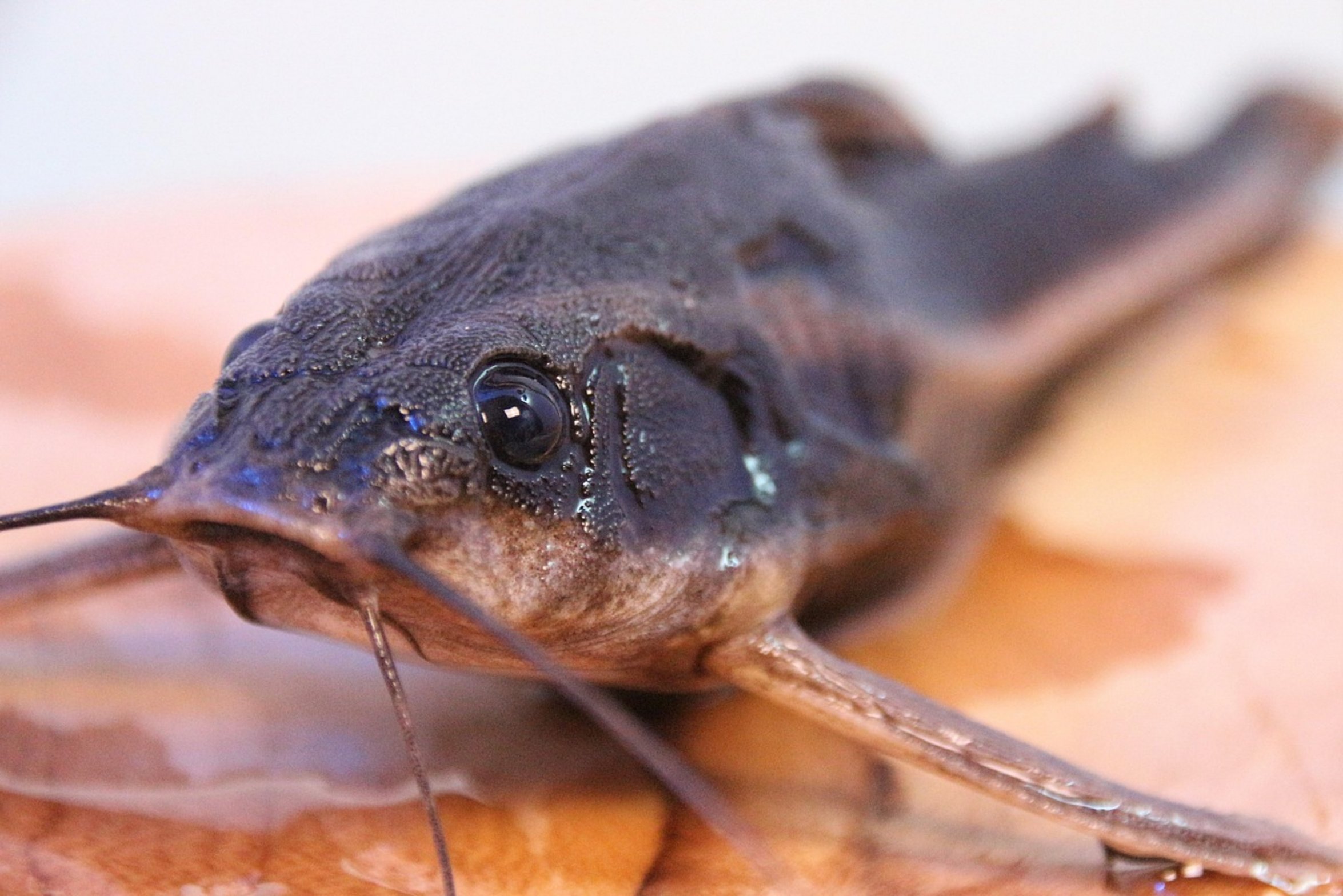
You’ll find these guys in almost every slow-moving body of water throughout Wisconsin (including backwaters and even farm ponds), often in high densities. They seldom exceed two pounds, so they are not much of a sporting fish by most standards. But don’t discount them; they’re also a vital part of our ecosystem.
Note that these fish has sharp pectoral and dorsal fins with spines, which can cause a nasty sting if handled incorrecty. This should of been a learning point for novices. Bullhead bottom feeders prefers weedy or muddy habitats where it is harder to compete with larger predator fish.
4. Brown Bullhead
The Brown Bullhead is a type of fish. Wisconsin is home to three bullhead species, but the brown bullhead is by far the most prevalant. Unlike its cousins, it’s able to tolerate poorer water quality and also sports a much more consistent, darker color pattern.
Due to this flexibility, it can be quite durable. Because these fish thrives in marginal habitat, their numbers are capable of skyrocketing during periods of poor conditions for other species. Brown bullheads will inhabit warmer, stagnant areas where other fish shys away, which makes them an easy target for anglers using basic live baits such as cut minnows or nightcrawlers.
5. Black Bullhead
The brown bullhead is smaller and less aggressive than the black bullhead. However, it’s the same species as the black and both is members of the catfish family. Brown bullheads thrives in warmer, stagnant waters while the black bullhead prefers clearer water and deeper structures.
In general, when you see black bullheads around, the habitat tend to be better for them. They can be easily identified by their special belly color which is more yellowish than other bullheads. As far as aggression goes, they’re pretty feisty and won’t hesitate to bite if given a decent offering.
6. White Bullhead
It is a White Bullhead. Of the three, the white bullhead is the smallest and also the hardest to catch. It doesn’t have the bold color patterns of the others and often has a white belly.
Because they are shy by nature, they tend to retreat quickly when disturbed. It’s also frequently caught in very shallow water among vegetation, where it hides easy. They will typically spook fairly easily upon disturbance and is just plain shy fish.
They need to be approached gently on light tackle, and patience is necessary to get one hooked up. They’re too small to eat, but make excellent practice in careful hook sets. Finally, what’s happening with invasives?
7. Invasive Species Regulations
Some non-native catfish have been introduced into particular areas, upsetting local food webs. Be sure to follow state fisheries department regulations for catch and release. These agencies works hard to control the spread of nonnative species in Wisconsin waters.
For example, in some locations, anglers are prohibited from keeping any type of invasive species; this helps limit their spread without taking away from your fun day on the water. The game plan is completely different if you know what type of catfish you’re fishing for. Blues delivers maximum size.
Channel cats delivers volume and fight. Bullheads deliver both accessibility and learning experiences. Respect and tactics differs by species.
For learning experiences, as well as trophy pursuit, there’s a catfish story in Wisconsin for you. Match the method to the fish and read the water.