
From the roiling waters of the Edisto River, to the calm waters of the Santee Cooper lakes, South Carolina offer a variety of different catfish species that are attractive to angler across the state. Knowing the types of species in particular areas are key to targeting your catch. It keeps you from throwing at dark water aimlessly.
Understanding the biology of the fish will determine what type of technique and bait they wants. Are they cruising in front of a grass flat at night? Do they like deep structure?
Knowing this will save you from being frustrated when you can’t get a bite or catch one that’s not big enough for dinner. Then it becomes a strategic hunt instead of just randomly casting.
Five Types Of Catfish In South Carolina
1. Channel Catfish
Channel Catfish are aggressive feeders that eats almost any organic matter on or near the bottom.
Their wide-spread presence coupled with aggressive feeding habits make them a dominant species in recreational fisheries. Look for channel catfish around submerged vegetation, bridge pilings and fallen trees. In these locations, they ambush smaller fish and crustaceans.
Anglers who likes some action enjoy chasing them, as channel cats is willing takers of artificial baits. Because of this flexibility, they remain the most caught species on large reservoir and private ponds.
2. Blue Catfish
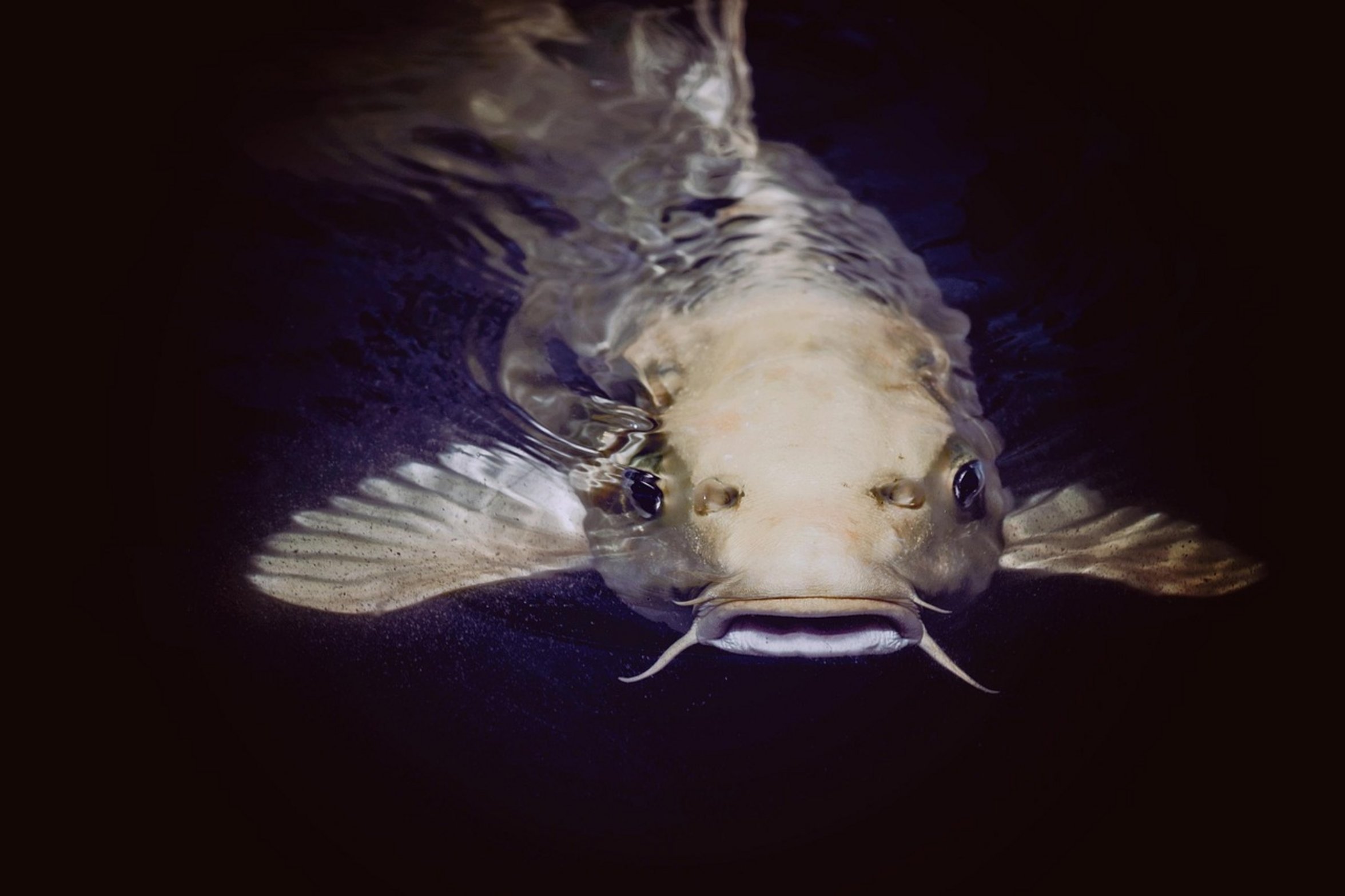
Blue catfish are the biggest freshwater challenge in South Carolina.
These monsters lives in main channels and holes out in the back of the major rivers such as the Santee Cooper and Savannah River systems. They eat crawdads, herring and shad. Big lines is required.
Heavy tackle is essential. Bottom rigs with multiple hooks are common, and chunking cut bait on bottom is also popular. The fight will get your heart racing in a way that smaller fish can’t.
3. Flathead Catfish
Flathead catfish are interesting. Unlike most fish that will school, flathead catfish roam their own turf, are ambush predators, and hide out behind big submerged logs and in nooks and crannies of rock. Because flatheads are loners it is more difficult to target, but when you find one, you’re usually in for a treat.
Use live bait like bluegills, bullheads, and other fish. Are the ticket here. Flatheads love a moving target.
It may be days between catches and then you’ll get several in an evening. Feeding habit are very erratic.
4. White Catfish
An underappreciated quarry, White Catfish are a fine-eating fish even though they’re small.
Found in the cleaner water areas of streams and rivers, they’ll eat things like insect larvae, detritus and small crayfish. You can catch them as extra fish while targeting bigger species, but don’t overlook them because their meat is white and mild flavored. Small chunks of stink bait or night crawlers fished over rocky bottom can be productive.
And it’s even better at night, when they will get more active. Because of their numbers in smaller tributaries, you have plenty of chances to enjoy some fishing close to your home base.
5. Bullheads
For folks wanting some fast action that doesn’t require all the gear, bullheads are a good option.
These little catfish inhabits slower moving streams, lakes and even pond waters. They love to nose around on the muddy bottom looking for insect larvae and worms. And they can’t resist a simple slip bobber rig with a red worm hook.
That’s why they’re such great fish to introduce kids to fishing. Although they are too small to eat, they teach the basics of how the water you’re fishing in is structured. They also provide something for folks to catch if the big guys aren’t cooperating.
They’ll keep your line moving. Knowing which techniques is most effective for each species helps too. Bait choice, tackle selection, and timing vary a bit with each type.
Blues favor strong rods and large chunks of fresh fish meat; while channel cats eat cut shad and chicken livers in deep water. Flatheads like patience and live baits presented naturaly. White catfish and bullheads likes simple presentations with small hooks and moderate length leaders.
Focusing on the right technique for the targeted species will give more catches. And it will make being on the water more fun as well. The key to success in South Carolina is adaptation and observation.
Pay attention to changes in water temperature and where neighboring boaters has been landing fish. Adjust your depth accordingy. Reading subtle clues such as cloudy runoff or baitfish schools helps identify active feeding zones.
This is a skill the best anglers have learned. Knowing the unique behavior of each species turn random casts into targeted efforts.