
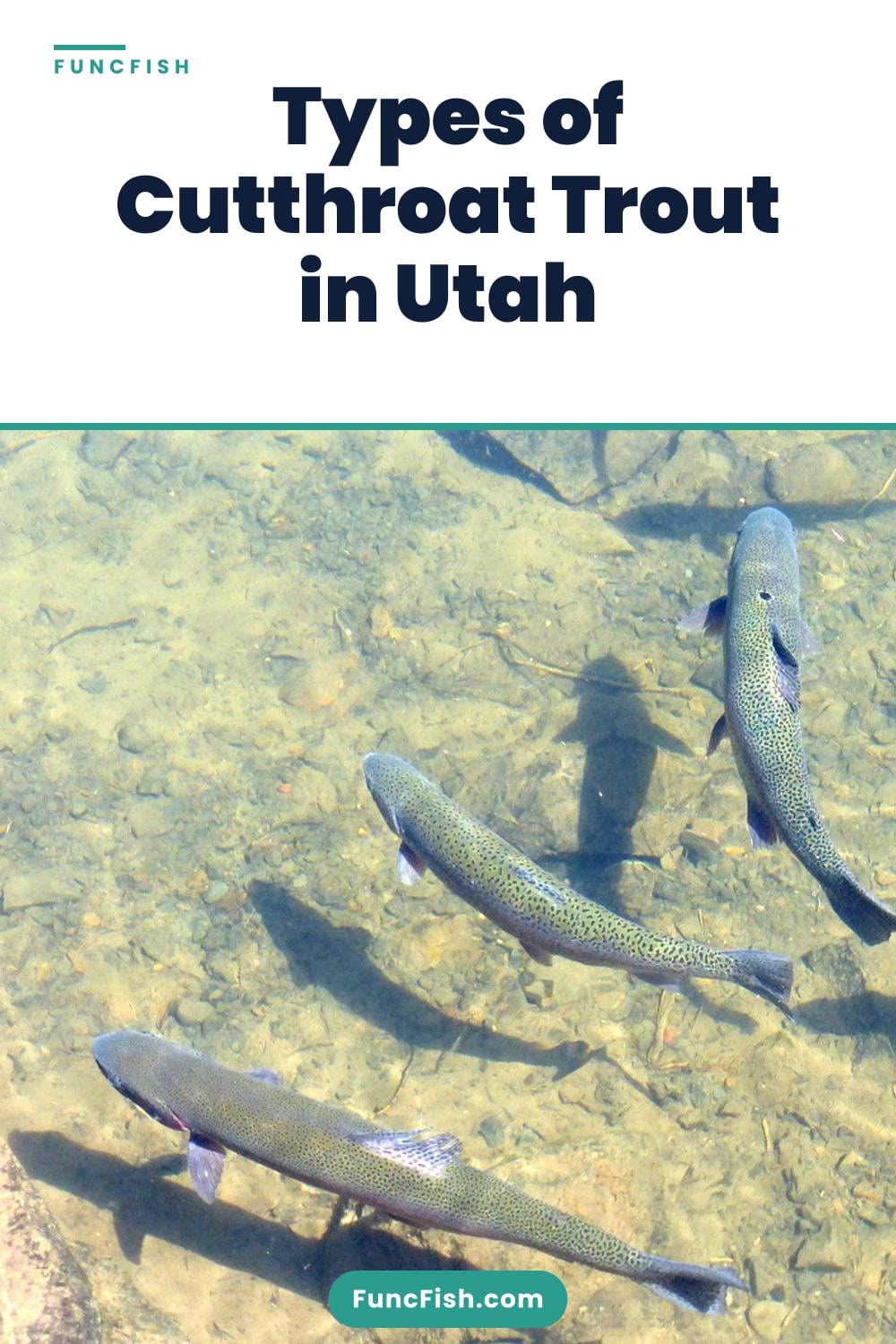
When most people think about Utah, they thinks “desert.” They see images of red rock formations and barren dry plains. What they don’t realize is that Utah is home to an extensive network of clear, cool lakes and streams that hold mainstay species of fishing in the state: the cutthroat trout. The cutthroat trout are not all one kind of fish.
Different variety exist throughout the state with special characteristics and behavior. Knowing what type of cutthroat you’re fishing for alter how you approach your trip. It tells you what flies to bring and how to retrieve them.
With its characteristic red markings underneath mouth, brown color and a name like “cutthroat,” it’s no surprise that most folks know what a cutthroat trout looks like. However, while this is a good starting point for identifying these fish, each population can look quite different. It comes down to a few thousand year of isolation within distinct watersheds, which leads to very different colors, sizes and behaviors.
Knowing exactly what type of cutthroat you’re targeting will help you put more on boat. Here’s an overview of the primary species of cutthroat trout found in Utah:
Five Types of Cutthroat Trout in Utah
1. Yellowstone Cutthroat Trout
Largest of all the varieties in this species, the Yellowstone cutthroat trout is the one that established the image we’ve come to expect from cutthroats: a vibrant red slash under the jaw and a big body. Found throughout eastern parts of Utah as well as the Yellowstone River system, these fish reaches sizes over six pounds.
They feel heavy in the water and, once hooked, don’t dart around; instead, they’ll stand and fight. The Yellowstone cutthroat has a vibrant and distinct red slash underneath its lower jaw. Fishing for Yellowstone cutthroat require heavier gear and bigger flies, as they are not shy about eating a large offering.
2. Green River Cutthroat Trout
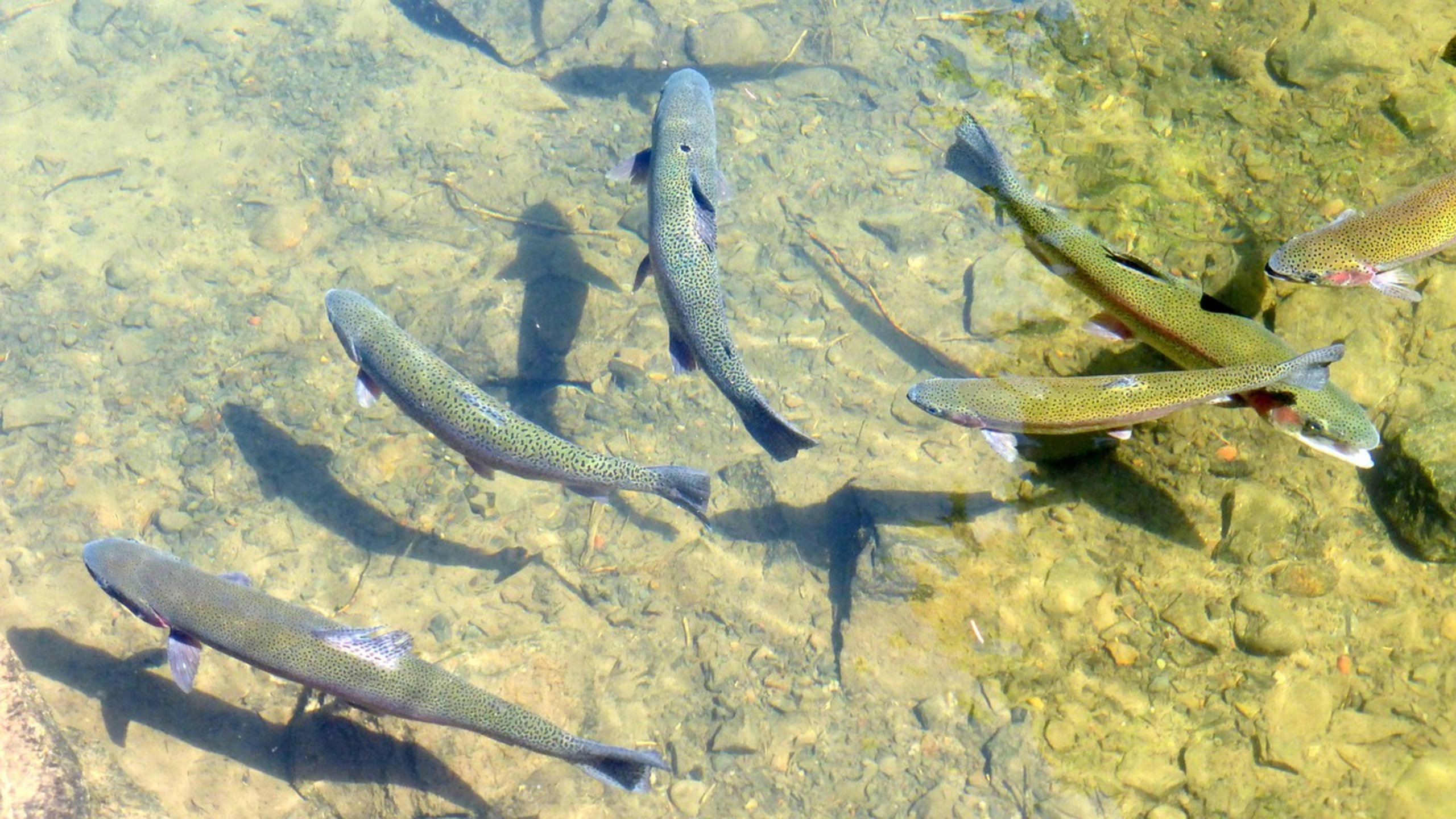
Upstream on tributaries and in the headwaters of the Green River system, however, lies the more reclusive Green River cutthroat trout. Often displaying a golden or olive coloration, this variety tends to be smaller then its Yellowstone cousin. It has fainter red markings and is said to be one of the smarter species.
They are constantly exposed to anglers and currents. They take time to evaluate both before making any move. This means accurate casting.
No easy feat, is necessary to prevent spooking them. They inhabit fast, rocky water where power fighting outweigh endurance, so they’ll put up a great fight despite their smaller stature.
3. Bonneville Cutthroat Trout
Bonneville: This variety lives in lakes rather than just streams, which makes it different from most other cutthroats.
This variety visits high desert lakes (including others besides those in the Great Salt Lake basin). It has a rounder, deeper body suited to life in still water, enabling it to make explosive runs. Color-wise, it ranges from silvery to bright to dark and mottled depending on what lake you’re in.
Because they eat both small fish and insect swarms, fly casting with topwaters can be productive. Finding these fish is the problem, there’s lots of open water in these lakes.
4. Colorado River Cutthroat Trout
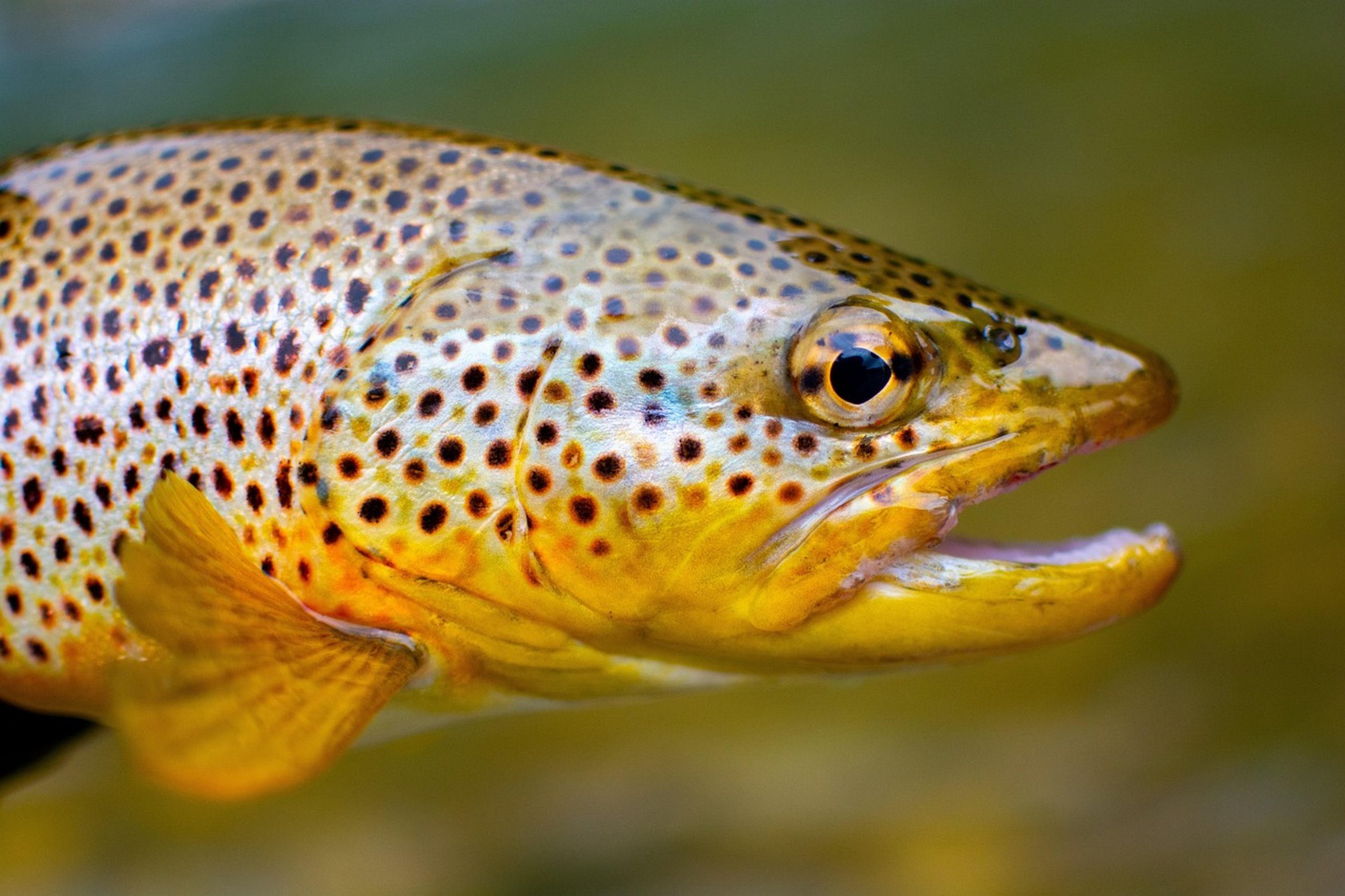
One such rare and hard-to-find fish is the Colorado River cutthroat trout, a genetically unique population found only in remote reaches of the Colorado River system and its drainages.
This fragile population has been recovered through conservation work, but it’s still under careful management and strict catch-and-release regulations that make catching a fish a privilege. The Colorado River cutthroat is a slender, agile fish with vivid red markings against a lighter background. The Colorado River cutthroat’s fight is fierce but brief, and they all get to live because you sent them back.
5. Lahontan Cutthroat Trout
The Lahontan cutthroat is found in high alpine lakes throughout the Uinta Mountains and various other mountain ranges. It is the region’s largest freshwater fish. They can reaches upwards of thirty pounds and are strong predators that like to be alone.
Because of their size and solitary nature, they are found in clear, cold waters where visibility is high. Approach them with stealth; make long casts and use near-invisible tippets. These fish will dig deep into the water column and won’t turn easily until netted.
Land one and you’ll need the appropriate tackle and skill to do so. Their physical strength and trophy status earn respect. Knowing the differences is key in preparing for your fishing adventure.
You won’t throw at Lahontan cutthroat the same way you will at trout from the Green River. Not having the correct variation means you’ll be targeting the wrong places and using the wrong approaches. All of these varieties are available here in Utah and it mean opportunity if you’re flexible enough to adjust what you do.
Every one of them has its own story of survival and adaptation. Study up on each species when you pull up next to it; see how the body shape look, notice that red slash. That’s where you put the bait, so make it count and make your casts with intent to catch the fish you’re after.