
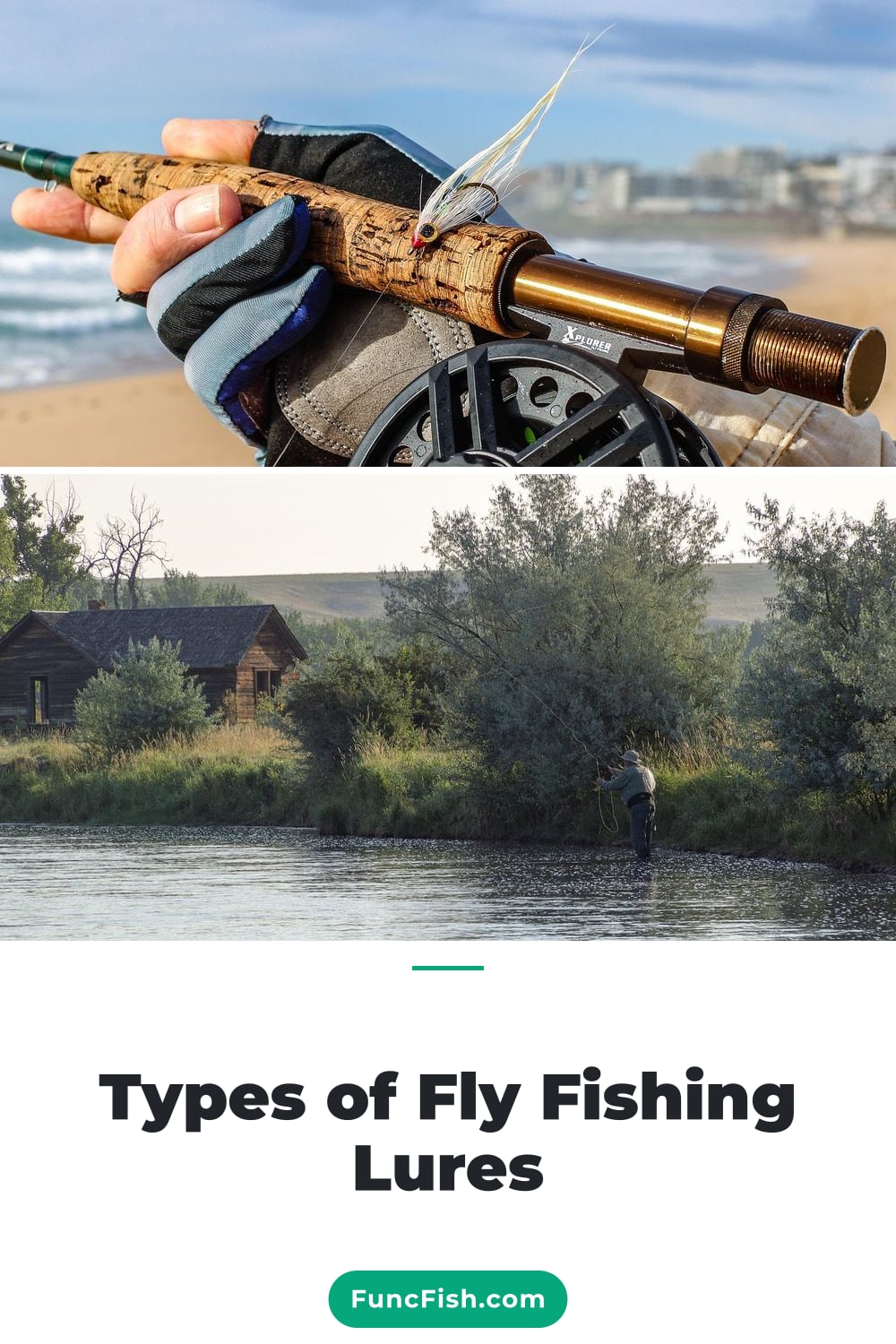
“The cast is like a conversation with the water; you’re trying to get the lake or river to tell you their secrets and your choice of lures dictates how good that conversation is. A lot of people think fly fishing is some kind of secret rite. It’s just putting the right bait in front of the right fish at the right time.
When you first start out, there are so many patterns to choose from that it can be overwhelming, but each one has its own place in the underwater ecosystem.” That’s where knowing the difference comes into play. You don’t guess anymore. You know why.
Some lures resemble a fleeing baitfish. Others look like an insect floating on the surface. Others represent hidden nymph below the surface.
Making the wrong selection result in blank looks when the lure hits the water. Or they see it but won’t touch it. The right one make them react automatically.
It is as if the lure were made for that specific purpose, as if it were magic. But it’s not. It’s biology reacting to what they see.
Essential Fly Fishing Lures for Beginners
1. Understanding Dry Flies
There’s a reason dry flies are the icons of the sport. Dry flies mimic emerging adult insect (e.g., mayflies, caddisflies, stoneflies) that hatch out of the water and float on top of the surface film. One of the most rewarding aspects of fishing is watching a trout come up to sip at your dry fly.
You get instant visual feedback that you’re doing something right. Drys use buoyant materials such as goose biots, deer hair, or synthetic fibers to keep them afloat. Dry flies rely totally on presentation.
Lay your line down gently so you don’t spook the wary fish. Often you’ll have a weighted sinker line to ensure the fly drifts naturaly downstream. Use these best when there is a actual hatch where insects emerge from the water and gather on the surface.
Dry flies work best for active feeding fish in clear water. If the trout aren’t paying attention to what’s happening above, they won’t pay any attention even if you make the perfect cast. Insects spend much of their life cycle as nymphs underwater, and they only emerge to become adults for a brief period before the cycle starts again.
2. Catching Fish with Nymphs
In fact, you’ll probably catch more fish on nymph flies because they stay in the water longer than any other food. Beads on nymphs help weight flies down so they reach the bottom where trout hold up. Other typical nymph patterns includes a Hare’s Ear or Pheasant Tail Nymph, which look like the many types of mayfly larvae found drifting along in the current.
This fishing is less glamorous, but it gives more reliable results. The take comes few and far between. A tiny bump under the water surface or a bite on your line are your subtle clues.
They show that something has happened when nymphing. That’s because you’re matching the hatch with what the fish feed on most of the time, not the once-in-a-while snack they might eat off the surface. Learning how high to hold the indicator and how to sense the strike take some practice, but again, it all seems a bit indirect until you begin catching fish regularly.
3. Using Wet Flies and Streamers
When you get it, nymphing is your default plan for pressured water where you know the fish won’t touch anything obvious from the surface. The ancestors of our nymphs are wet flies that were intended to be fished sub-surface but without the fancy weight systems we have now. The old classics such as a Muddler Minnow or Wooly Bugger hint at generic imitations of insects, leeches, and baitfish washed up and drowned.
These flies is built to fish by showing off with flash and action more than any specific realism. Stripped across the water column they elicit reactive strikes from aggressive fish. The best part about them is also their simplicity.
No need to study complex drifts or try to match a particular hatch; simply cast and retrieve. Where they shine most is in darker, moving water with low visibility. Fish are relying more on silhouette and vibration.
The catch? They draw out bigger predators such as pike or bass, and now we’re talking a whole different ball game. When finesse isn’t an option, it’s a blunt instrument.
Streamers are large, flashy wet flies that mimic crayfish or other swimming baitfish. The heavy body with a flaring tail make for irresistible action in the water column. Examples include patterns like the Sculpin Fly or Clouser Minnow.
The fish won’t mistake it for an insect; they’ll attack it because it’s an easy meal, a hunting reaction versus a feeding reaction. It changes you from being a natural mimicker into a provocateur. When you cast streamers you’re usually around some sort of cover, like overhanging branches or a rocky ledge where big ones lurk, and that makes casting these streamers require confidence.
You have to retrieve them energetically and erratically to keep it alive. It’s mind-engaging and body-demanding work but the reward is size. Frequency of bites means quantity of excitement; with streamers, you trade one for the other.
They’re often the only ticket in town if you’re looking to catch a trophy fish. Personal preference, fish behavior and water conditions dictates where each fits into the collection. Nymphs provide consistency, dry flies offer spectacle and streamers satisfy the need for action.
The river doesn’t give a hoot what we prefer; it cares only that we can adapt. Maintain a variety while keeping your box simple and stick to patterns that cover the bases instead of trying to get ’em all. It’s not about perfecting each hook, it’s just about showing them what you want to show them when they want to see it.
It can be a violent hit on a deep streamer or a little bobbing dry fly on a calm pond. Either way, you are in it together for a moment as a respectful part of the food web. Learn those four tricks, and the water changes from mysterious to map.