
But it’s more than pretty scenery for touristy lighthouse pictures along Maine’s coast. In fact, it’s one of the most active places on earth, a biological corridor where warm southern water meets chilly Arctic water. Where these two mix, they also form a distinctive ecological and culinary landscape.
What you’re seeing here is a system of support for amazing diversity of saltwater species… Everything from fast swimming pelagic giants to bottom dwelling predators. If you fish, love to eat seafood, or simply want to know what lives in our waters, knowing about this system makes a difference.
It transforms the meaning of that menu at your favorite shack. Lobster: That’s what comes to mind when most folks think Maine. But there’s so much more out on the water.
These rolling tides and frigid depths is home to different species who’ve evolved to thrive despite the changing salinity and bone-chilling temperature. Some are oily powerhouses packed full of healthy omega fats; some are dainty flaky whites. Understanding the biology behind the bite helps us better respect the fish we’re chasing.
It also gives insight into why some are highly sought after for grilling, while others really shine when smoked or cured. Meet seven unique species of saltwater fish you’ll find off the Maine coast, each with its own special flavor, texture and challenge to locate or land. New England’s industrial fishing scene is dominated by pollock.
Seven Saltwater Fish Found Off Maine Coast
1. Pollock
Mild in flavor, flakey in texture, versatile beyond belief, it is often sold as “whitefish” (a generic term). It is lean and holds together well when stuffed into fish cakes, baked, or fried. It does not need a lot of seasoning, and it is never going anywhere but to dinner plates.
Except when eaten straight from the boat during late-summer months, that is, when you might occasionally see some whole pollock on a plate. Commercial trawlers catch it easily in big schools very close to the ocean bottom; hence, it is the workhorse of the industrial fishing business, and supermarkets nationwide rely on it as a steady source. Yet despite its commonness, pollock doesn’t offer the intense taste of wild salmon; nor is it as sweet as local cod.
For all practical purposes, it remains affordable and reliable, so it is on menus everywhere.
2. American Cod
Once upon a time, American Cod was the bread-and-butter of the whole area. Now it’s a protected species, subject to strict catch limits as its populations are rebuilt.
What’s left of it carries a premium price at restaurants and provides a sweet, firm meat that can hold its own under all the heavy seasoning. Its texture is different than other white fish, more dense and distinctive. It has the structure needed to support traditional dishes such as baked cod with potatoes or fish and chips.
Since you need large fish to help sustain population, catching them requires knowing the legal size limits and having the patience to fish for them. For those reasons, cod tastes like a treat today, not just something we ate every day. And its flesh still outshines any of the others caught locally.
3. Bluefish
Bold and oily bluefish are aggressive but very tasty. They come up the coast following bait schools in late summer and early fall. Their dark red flesh, which lightens towards the center, is rich enough for a broil or grill, but be sure to cook with care to avoid an overpowering heaviness on your tongue.
Because they’re so oily, these fish goes bad quickly, which is why anglers are advised to clean them as soon as possible upon landing. These fish fight hard, run fast and leap clear out of the water in surprising spurts (every one is a reward for effort). Boldly flavored, a crisp pickle or bright citrus will cut through the fish’s fat.
4. Tautog
Blackfish (also known as Tautog) are well-known bottom-feeding fish that lurk around shipwrecks and rocky structures. Anglers know them for their small size and stubborn nature; recreational fishermen highly seek them out because they love the struggle of fighting one. Their white, firm flesh offers a mild flavor, similar to cod, which makes them a great alternative when seasons are closed on cod.
Most commonly, live eels or pieces of clam served as bait will result in catching this fish. Slowly working your offering along the bottom and right into their dark hiding spots is essential. Landing a tautog feels like fighting the rocks themselves; it is not a famous fish, but it tastes amazing.
5. Scup
These small, silver fish are sometimes found in mixed schools with larger catches, and often tossed by commercial fishing boats since they aren’t worth much money. But savvy home chefs realize their value. Scup have a delicate, sweet texture and tender meat, which makes them ideal for simple dishes such as pan-searing with butter, or adding them to soups and chowder.
Look for scup all year long near sandy bottoms or eelgrass beds. Because they’re so abundant and sustainably managed, they’re an ethical option for your everyday menu. Keep in mind that these fish cook very fast, so pay close attention to timing while cooking.
If you overcook them, they’ll be dry. Get it just right and enjoy a subtle flavor of the sea. A fresh taste lets the sweetness of the water shine through.
6. Yellowtail Flounder
With their unique speckled markings and flat, oval shape, Yellowtail Flounder inhabit sandy bottoms and are prized for their delicate sweetness and flaky texture. Compared to cod, the meat is finer but thinner and is best for light cooking methods like sautéing or poaching. As you will discover while filleting, the meat is quite tender so handle gently.
For anglers, they’re a favorite catch in the fall months as these fish swim nearshore to fatten up. If you can figure out the bottom type and the tides, this is a seafood gem and well worth the effort since it is only available during certain seasons. Unlike the heartier tasting darker fishes, the yellow tail has a refined taste.
Served simply with lemon butter or an herb sauce, it’s a delight.
7. Atlantic Mackerel
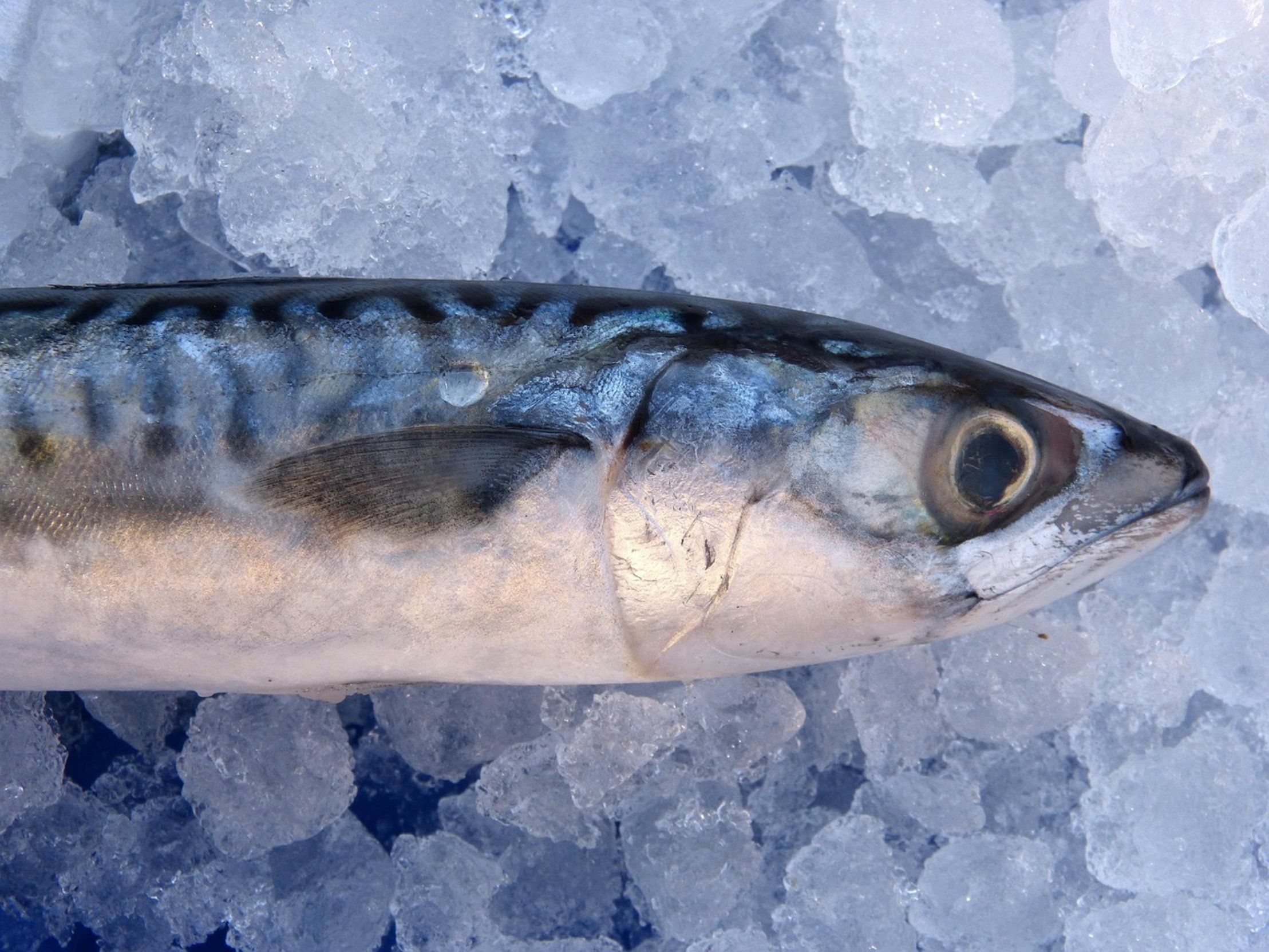
Small, oily Atlantic Mackerel: These little guys school up in huge numbers throughout the summer, are packed full of healthy oils, and have an unmistakable taste that people either love or hate. I’m on Team Love!
Smoking them crisp is delicious, as is throwing them on the grill whole. The flavor really pops when grilled, and the skin gets nice and crunchy, adding a welcome crunch with each mouthful. When fishing, troll them along the surface with smaller bucktails or spoons.
They’re feisty fighters and work hard for such a little guy. Locally, mackerel are often canned too, keeping that punchy flavour to be enjoyed later in the winter season. Their oiliness doesn’t require any additional fattening ingredients at the table; simply seasoned well and heated.
They’re all part of the rich pattern of life along Maine’s coast; each species has a unique story that can help us understand their role in this ecosystem; from how they behave and where they live, to their value as a fishery resource. Being able to recognize those differences helps connect us to this special place whether we’re ordering from a restaurant’s seafood menu or throwing a line into the rough waters of the surf zone. There isn’t only one kind of fish in the sea, there is a variety of flavors and experiences for you to discover.
So the next time you go down to the beach, take a moment to really see what comes out of the water. Maybe you’ll meet your new favorite catch.