
Fishing for any species is based off understanding their habitat. Alaskan waters runs cold and move fast with high oxygen content. This produce large trout rapidly.
But that doesn’t mean every trout act the same; some hug rocks in shallow areas while others stays buried in the depths of glacial silt. Understanding the variations make your time on the water productive with full nets rather than frustrating with empty ones. Before selecting a lure, it’s important to know what species live in your body of water since each one fight differently with unique behaviors.
Here’s the primary trout found in Alaska, how to locate them, and how to connect the line to the lip.
Primary Trout Species Found In Alaska Waters
1. Rainbow Trout
Rainbow trout is versatile because they are very well adapted to both salt and freshwater environment. Look for them on the coast in lakes, rivers and glacial tailwaters where temperature tolerances varies greatly.
They feed hungrily, often coming to surface after insects or aggressively pursuing a lure below. Because rainbows do not like excessive glacial silt, look for clear-water pockets. Once hooked, prepare for an active battle that challenge your rod from the start.
2. Cutthroat Trout
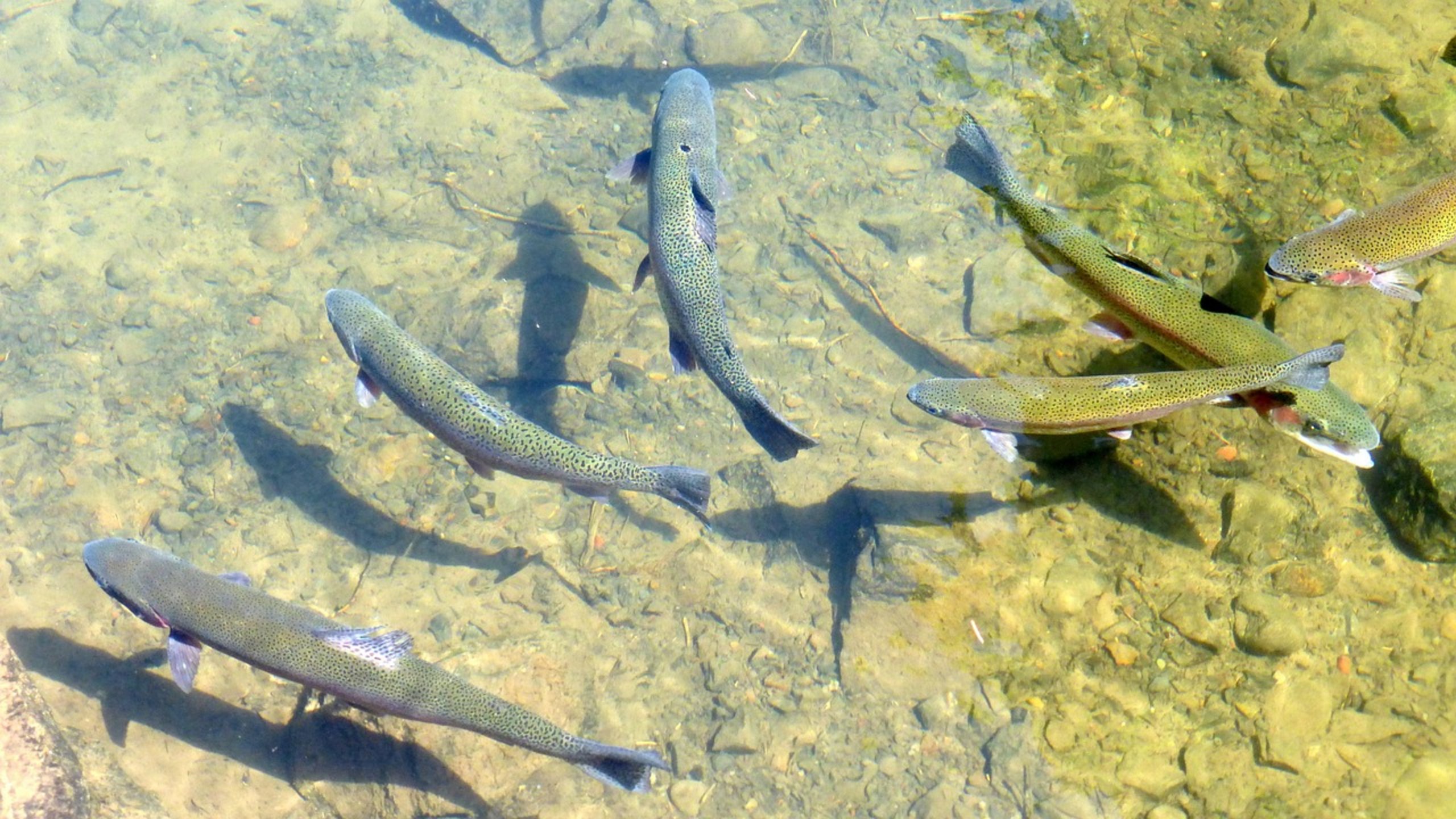
For novice anglers as well as guide, this is typically what you can expect. Rough and tough: Cutthroat trout is native to many of Alaska’s rough-and-tumble river systems. Unlike rainbows, these fish is pickier about water clarity; they’re wary of disturbance and like clear water.
They’re named for the red or orange coloration found underneath their lower jaw. They hug current breaks and rocky bottoms and wait patiently for something tasty to float by without much exertion. Be prepared to be patient.
Cutthroats rarely falls for flashy baits, instead preferring natural presentations that looks like whatever insect may be available localy. Once hooked, they’ll put up an explosive yet brief fight, making fast spurts of speed in place of long runs. Precision and stealth trump brute strength when catching these beast.
3. Arctic Grayling
Technically speaking, these aren’t trout, but a conversation about Alaska fishing wouldn’t be complete without mentioning the silver beauty of arctic grayling. They has silvery sides marked by dark vertical lines and a large, sail-like dorsal fin. They frequent the coldest water temperatures different than all of the species, which means you’re likely to encounter them around the Arctic Circle.
Because they spend a lot of time feeding closer to surface, it’s an excellent fish to target using dry flies. But because their mouths are delicate and they can easily injured while fighting, you need to handle them carefuly if you plan on releasing them. Seeing one indicate the presence of quality habitat that very few other fish can live in.
4. Brook Trout
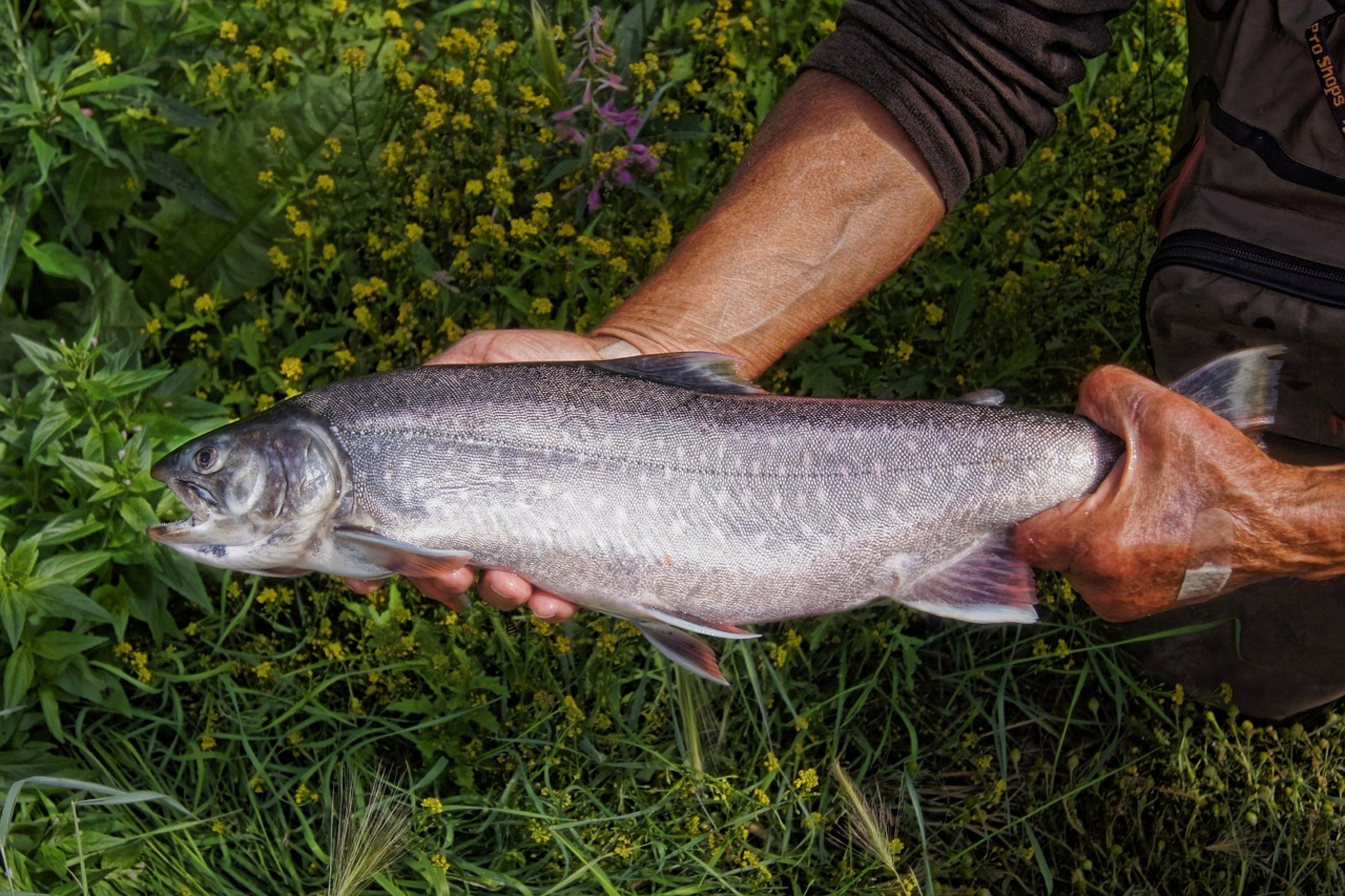
And with its colorful contrast to the icy background, fishermen pursues them for their beautifull appearance. The northern range extension of the brookie reaches it’s limit here in most places. These fish are true coldwater specialists.
They loves super-cool, oxygen rich waters where you’ll typically find them hanging out in high altitude lakes and mountain stream. Find some slower current near wood debris and overhanging banks, and these guys will be lurking there. Under trees they use their speckling to camouflage against the dapple of sunlight.
When warmed sufficiently, though, they becomes voracious predator and will hammer big baits with unexpected force. To target ‘em you need to pay close attention to how the structure lay out, as you’ll want to look for dark shadows along river edges. It is a very fine technique that appeal to anglers who like to deal with all the details of the stream.
5. Lake Trout
Lake trout are deep water giants found on big lakes. They are members of the trout family that looks similar in shape to both salmon and char. However, they spends much of their time below the surface, so fishing for them must be done in deeper water.
In fact, when it is warm, they will stay hundreds of feet below. In order to get bait into their strike zones you typically has to either troll deep diving plugs or use some type of weighted bait rig. They will hit it slow and hard, reel down and pull line for minutes before coming up and showing themselves.
They requires electronics to find and vertical fishing instead of horizontal. If you land one, you would of have yourself a nice sized trophy that will test your stamina and tackle.