
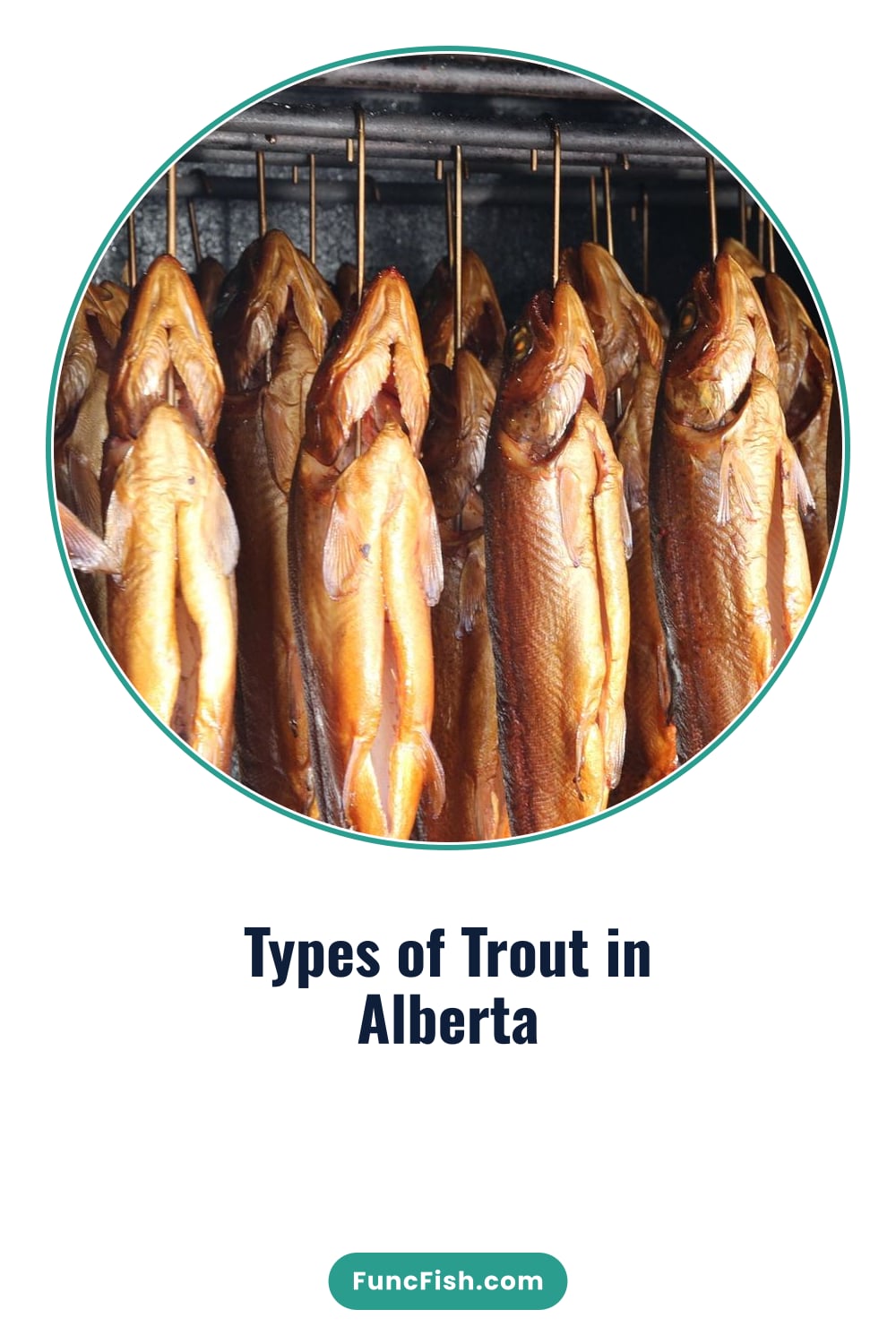
You can fish for trout in Alberta‘s rivers and lakes. There’s plenty of opportunity to go trout fishing in both river and lake settings across Alberta, whether it be in thick boreal forest or the higher elevations of the province in alpine areas. Just spotting one surfacing isn’t enough.
You need different strategies for each type of fish, depending on your choice of bait, casting style, and even the time of day. When we think of trout, most folks imagine they are all the same when they’re out of the water. And that misconception results in fishing frustration.
Brook trout hangs in shallow water. Brown trout fight one way, while rainbows fight another. But it’s more than biological trivia.
Knowing which fish live in Alberta helps you watch the lake or river more closely. That can mean catching more fish, or releasing them safely back into the water. There are four main species of trout that inhabit the waters in Alberta, in order of catchability (most common to least).
Knowing what species of trout you’re around makes your fishing more efficient and increases your odds of catching some fish. We will go through them quickly.
Five Main Types Of Trout In Alberta Waters
1. Rainbow Trout
This is about Rainbow Trout.
The Rainbow Trout are the staple of Alberta’s stocking program, and probably what you’ll come across first as well. Rainbow trout are typically found in clearer waters with good oxygen levels, and tend to hang in current more aggressively than other trout. This makes them prevalent in well aerated alpine lakes and even in the tailwaters under dams.
When you catch one and get light on it, you won’t miss their distinctive iridescent pink lateral stripe. These are Rainbow Trout. Rainbow trout is aggressive biters and big fans of small baitfish and insect life, which make them vulnerable to a wide variety of flies and lures.
They’re also known for being visual predators that will pursue prey from far away, making topwater plugs and spinners popular choices among anglers. The problem with rainbow trout is they can be wary when pressured in an area. If there’s too much fishing pressure on a lake, the fish become conditioned to shy away from shiny thing and seek refuge in deeper water.
In such cases, subtle methods and patience tend to work better then brute force. Patience and light tackle usually work better in these situations.
2. Brown Trout
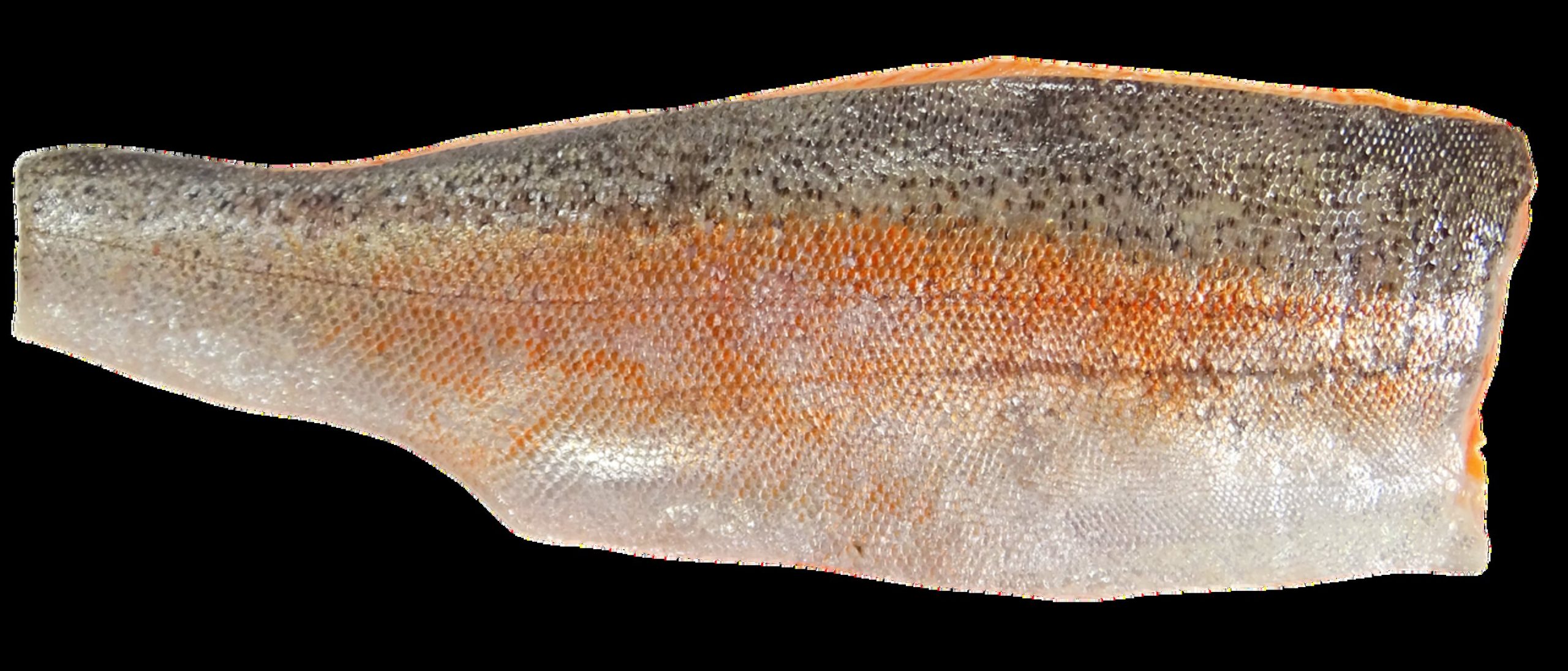
Brown Trout Alberta rivers are also home to European invaders, brown trout.
Brown trout are bigger, badder and harder to catch than rainbow trout. They prefer to hang out in slower current and deeper pools where they hide on the bottom and wait for something tasty to float within reach. When you hook one it will give you a great battle because they’re big.
In fact, many fishermen believe brown trout are the strongest freshwater fish in Alberta. Catching brown trout requires a completely different mindset. No more flashy, dancing-on-the-surface lures for these guys.
They’re ambush predators who want something small and subtle near bottom. Big streamers and nymphs fished near submerged structure such as overhanging banks or boulders are the ticket. They’ll also suspend in deeper water throughout the day and come up shallow only at dusk/dawn.
Fishing near low light conditions greatly improves your chances of finding them.
3. Brook Trout
Brown Trout Brook Trout are often referred to as Speckled Trout.
Brook trout favor shallow waters on a gravel bottom of clear, cold water. Although they are native to the north they’ve also been introduced into numerous southern Alberta lakes where the temperature stay cool all year long.
Brook trout get their name from their unique speckled pattern that is outlined in red and covers their entire bodies. Brook trout are skittish. They’ll dart for cover at the first sign of your presence.
Whether it’s a shadow across the water or a heavy footstep on the bank. To target brook trout, you need small flies and light line. The most effective way to catch them is by precisely imitating the hatch, because they mainly eat aquatic insects.
Brook trout streams tend to be more remote and smaller, making them harder to access but also less crowded. For many purists, that alone is part of the appeal: the need for some serious solitude in order to locate these fish.
4. Lake Trout
The next type is Lake Trout.
These are lake trout. They are known locally as Mackinaw. Lake trout is the largest member of the trout family.
They are deep water fish found in big lakes at great depths beyond the reach of most recreational anglers. Lake trout are pelagic predator fish chasing schools of baitfish such as cisco or whitefish. They are a very specialized type of fish to catch, and you have to know where to fish them based off the underwater terrain.
Sonar units needs to hunt down these giants. When fishing for lake trout, vertical presentation is the name of the game. Trolling with deep-diving lures or jigging near drop-offs are the standard methods.
Unlike most other fish in this list, LKTs rarely break surface, which means it’s more work going to them as opposed to sitting back and hoping they’ll swim up to you. They grow large and provide an adrenaline rush that few other freshwater species can match. And their fight will certainly make your heart skip a beat.
5. Grayling
**Grayling Grayling aren’t actually trout; technically they’re salmonids, but because of their habitat and behavior, anglers in Alberta lump grayling into the “trout” category.
They live in high-energy rivers such as the Bow River system and the Red Deer River systems. What you’ll notice first about grayling is their enormous dorsal fin which flares open like a sail during spawning and times of stress.
Grayling are unique looking in the water for this reason. Dry fly action is particularly good because grayling will feed on surface insects during the day. Grayling will frequently suspend in the middle of an open run so they can intercept and see floating food, while trout hides in the shade.
Despite being small, grayling put up quite a good fight. When other fish types gets lazy from warm water temperatures, targeting grayling provides some much needed variety to the fishing trip. They show you how even a familiar river system can provide variety.
The angler can consider all of these species a new puzzle to solve. Browns require patience and tech-savvy skill sets; lake trout do as well. Beginners will appreciate the accessibility and action of rainbows.
Grayling and brook trout brings an aesthetic beauty to more quiet waters. Your location, gear, and willingness to adjust your approach decide what species to target. Regardless, the water does not give a hoot about what you like, and it only rewards those that learn about the life within.
Respect the distinct nature of every trout species and you’ll be rewarded with a good day on the water, whether pursuing the power of a brown or the speed of a rainbow.