
Whether it’s recreational or biological, there is a lot going on in British Columbia for anglers who enjoy catching trout. This is especially true when you consider the wide range of ecosystems they live in and the many different trout species supported by province. So if you think you have experienced trout after hooking one here and there in your local stream, then think again: things get a lot more interesting then that.
Knowing what species you’re actualy holding is important for conservation. It also helps you follow local rules and regulations and satisfy your curiosity about them. Some are native treasures, while others are exotic introductions that has taken over some waters.
Learning the difference makes any day of fishing better, and suddenly you start to notice small changes in where they live, how they act, and even their color. This will also help with getting the right equipment for the task at hand. A steelhead on a fast moving river is approached differently than a brook trout in a shady headwater creek.
Here’s a walk-through of the major species of trout in BC waters, how to tell what they are and why they’re special. British Columbia’s fisheries has a constant king: rainbow trout. Whether they’re roaming warm tailwaters or frigid mountain lakes, these fish is incredibly versatile.
Major Types of Trout Found in BC
1. Rainbow Trout
You can identify them by their unique pink or red lateral stripe that extends the length of their sides… Sometimes dotted with tiny black specks on the tail and body. What makes ‘em special?
They can calls home to virtually any freshwater habitat found throughout the province. Rainbow trout are some of the first fish an angler will encounter, and also the final species you’ll lay down your rod for. Rainbows are so popular that it’s easy to overlook them, but they offer sustained action, aggressive feeding, and fierce fighting power.
For the weekend warrior and family fun fishermen, these fish is stocked frequently in most reservoirs so there is always a good population of fish big enough to catch available. But in the more remote stream fisheries, huge old wild fish lives which take some skill to catch. Whether it’s a twitched lure or a fly cast from a packed boat launch, that is what makes the rainbow such a beautiful fish.
The beauty of the rainbow lie in its ability to surprise you.
2. Steelhead Trout
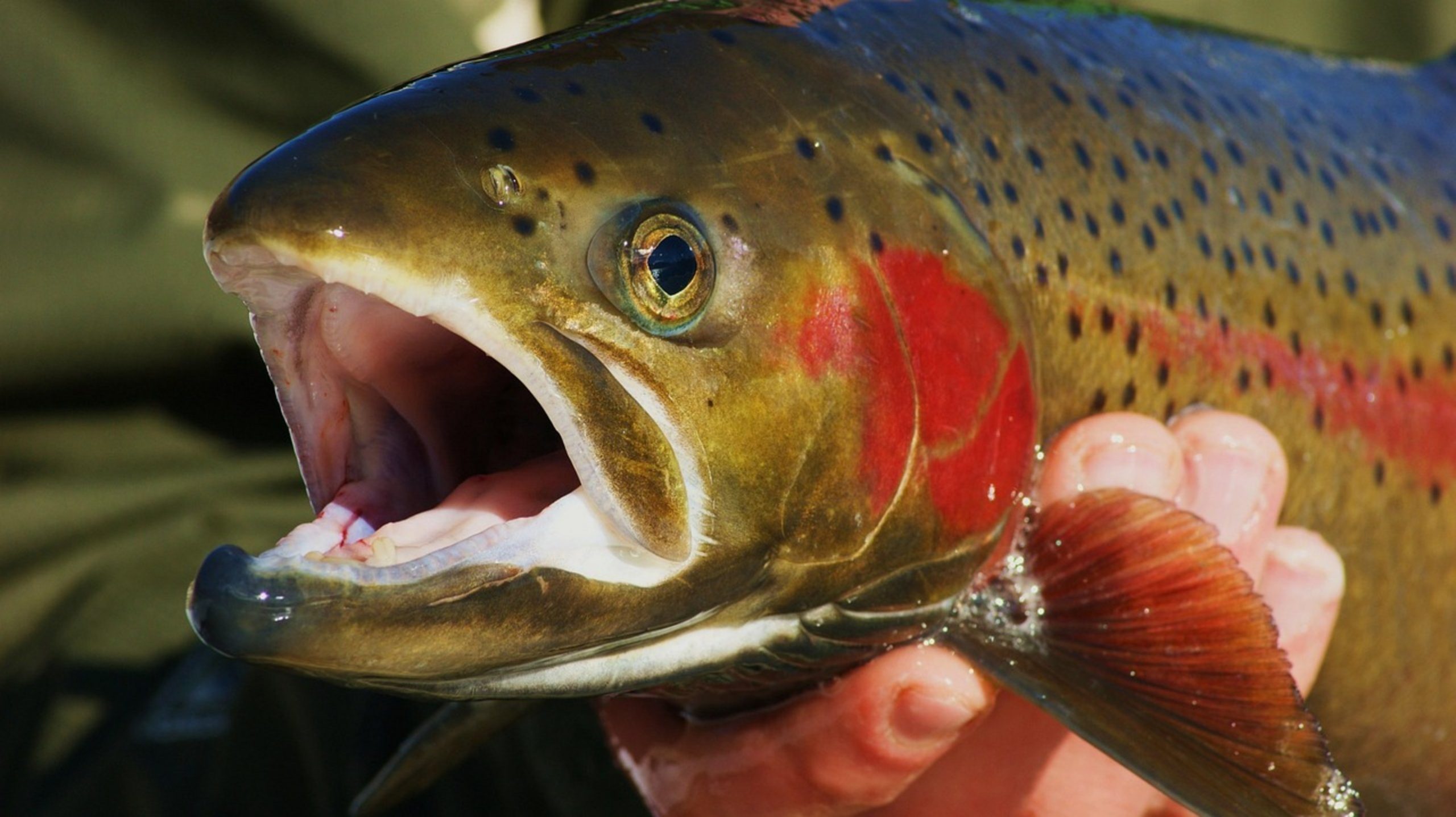
Essentially the sea-migrating cousin of the rainbow trout, steelhead trout also migrate out to sea but return to spawn in fresh waters. Steelhead become much larger and take on a silvery, sleek look.
Before making their way back into river systems, they turns a darker color and take on a distinct hump along the spine. As steelhead move through the river system, it’s like watching a change happen in reverse. They transform from slick-looking steelheads into ferocious fighters in the current, which makes them such prized prey for fishermen.
In most places they aren’t targeted as a meal, rather catch and release is standard. And chasing these fish has more to do with the thrill of the hunt than anything else. The rivers they live in are fast moving and the presentations needs to be perfect to tempt a bite.
A favorite among serious fly fishers, this species also challenge you to match the insects and read the water. A steelhead is a fun fish to spot but a powerhouse that requires respect to land. This fish reward patience and technical skill.
It provides a trophy experience that you will remember for a long time once released.
3. Cutthroat Trout
Also known as the “original” inhabitants of much of BC’s water, these fish got their name from the unique red or orange coloration that cuts across the lower part of the jaw and throat. The belly is typically white, and while spotted, they don’t carry quite as much spotting as their rainbow relatives do.
Populations such as the Westslope Cutthroat is native to the headwaters areas of interior streams and rivers. Hybridization and competition with introduced (non-native) trout make them a species of conservation concern in many areas. Catching some of these fish provides an opportunity to connect with province’s aquatic past, and they are generally found in colder, clearer streams at higher elevation.
They’re typically more wary than their rainbow cousins, and need delicate presentations and stealthy approaches. It’s nice to know when you see one that it’s a cutthroat (a native fish here), one that’s fished these waters for hundreds of years. We all have a part to play in preserving them, so our children will get to fish the same untamed streams we do.
4. Brown Trout
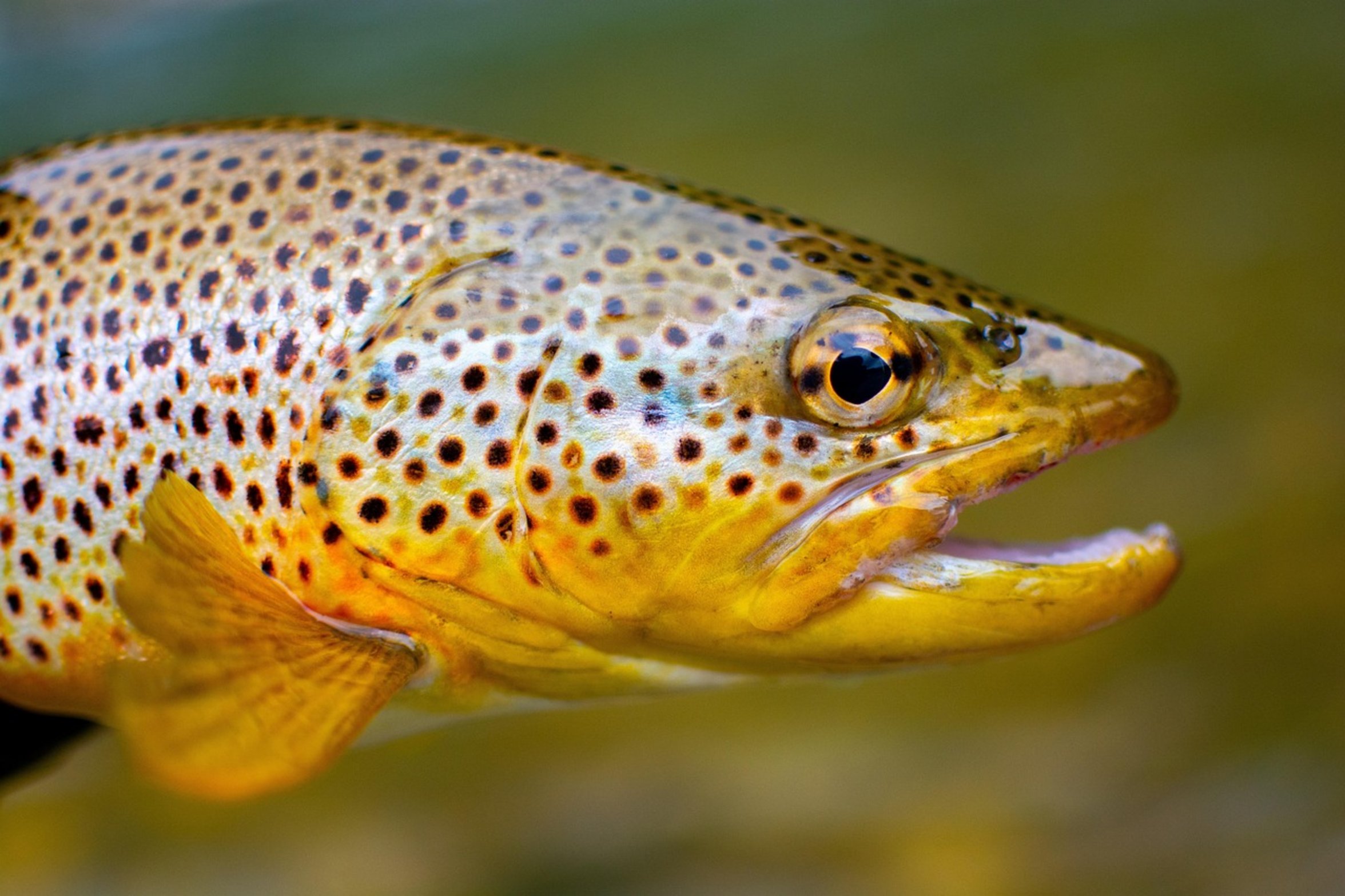
The brown trout is an Old World species that has been introduced into British Columbia and thrives in many reservoirs and lakes. They’re easy to recognize because they have a dark body coloration (olive-brown) with numerous light-centered spots, almost like halos. Browns also favor deeper pools and slower moving waters different than native trout.
They reach significant sizes, some trophies weigh more than 20 pounds. They feed whenever they can and will take advantage of a variety of food sources such as insects, other smaller fish, etc. Some anglers consider them invasive. Others enjoy the challenge they pose.
Generally speaking, however, browns is more likely to grab big lures or baits. That makes for an interesting day using trolling gear. They’re in deep lakes and you’ve got to get them deeper with things like deep diving crankbaits or even downriggers.
People still discuss whether they should of been introduced or not. There is no doubt they can put up some exciting fights. Often times they’ll position themselves near structure and wait for an easy meal.
5. Brook Trout
Brook trout are found in coastal BC. Brook trout is native to the coastal regions of British Columbia and prefer cold, well-oxygenated headwater streams. They are striking to see, featuring a light spotted back with greens while their bellies are fiery red (red spots rimmed in blue halos).
On average they’re on the small side compared to other trout species but have a reputation for being more feisty and colorful as well. These are indicator species, meaning they’re an early warning signal of healthy aquatic systems, so if you find brookies in your streams, the environment is in good shape. Their limited range, whether it be coastal or high elevation water, makes them all the more interesting.
A day fly-fishing for brook trout can be meditative as streams tend to be narrow and forested, requiring accurate casting and cautious wading. Opportunists, they’ll snap up anything from the surface (mayflies, caddisflies) and provide a unique window into the world of trout. They’re the wilder trout cousin.
They will challenge anglers to make the proper cast and honor the fragile habitat where they live, earning a memorable connection to nature once hooked. Whether it is the wildness of brook trout or the accessibility of rainbow trout, they all offer something different. Learning about the specific fish you’re pursuing makes you more efficient at catching them and gives you greater respect for the variety of fisheries we have in BC.
Spend a little time just looking at the fish, their patterns and colours tell you what species they are. Then each one becomes a learning experience on each cast and a story to share when you do catch them. The fish will surprise you if you learn to look close enough.