
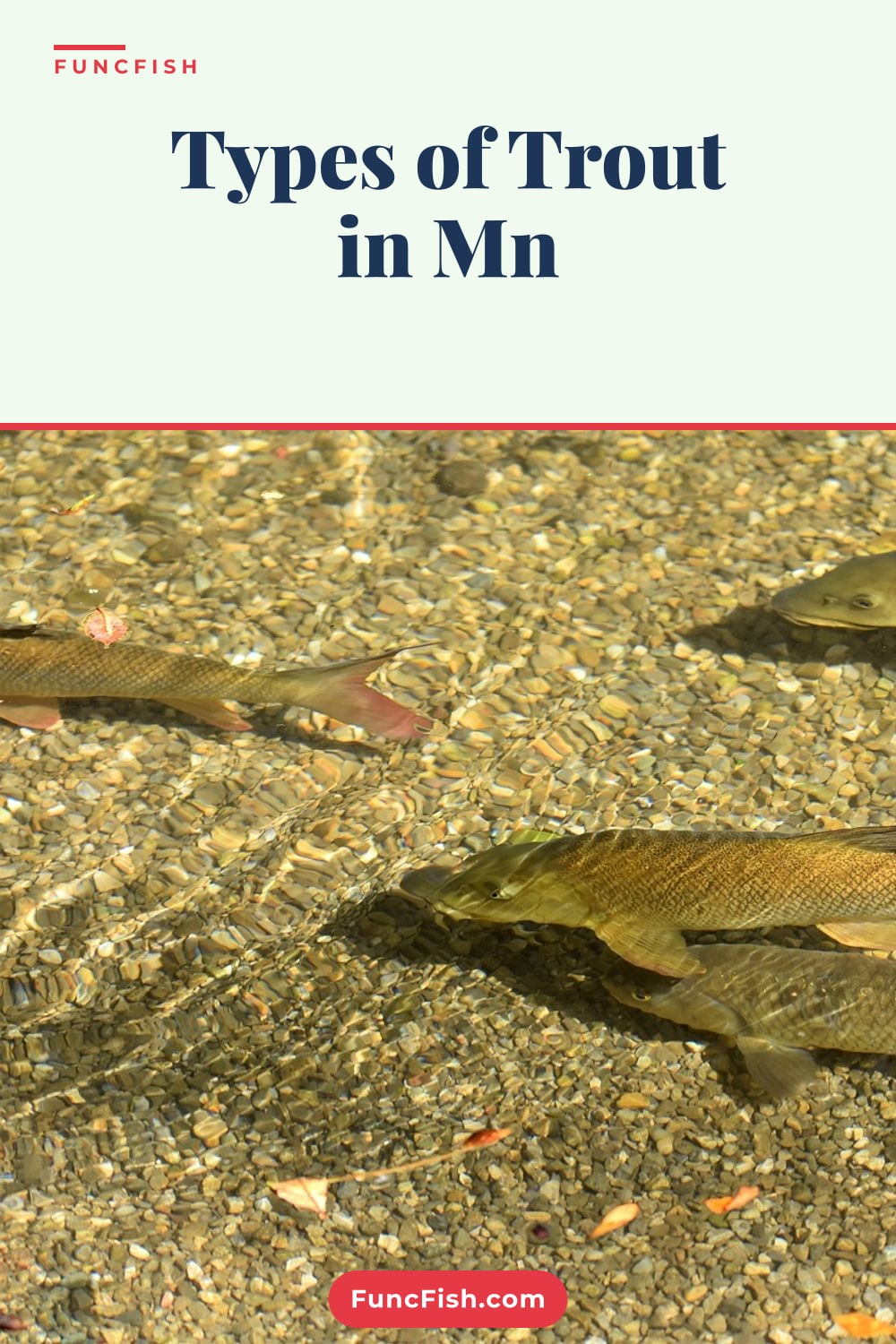
When Minnesota anglers imagine trout fishing, we envision a solitary fish, uniform in nature, just swimming around waiting for us in that cold, clear water. But it’s much more complicated than that and, franky, much more fun. The state supports many different species, each with its own special way of fighting and where it lives.
Knowing when to expect a brook trout versus a lake trout make a huge difference in your approach, not only on the casting end but also on the tackle end. Get it wrong and you’ve got an empty cooler; get it right and you’ll have a lot of meat for the table. Oxygen levels and water temperatures determines what kind of trout we can find in Minnesota.
Some like it cold and deep. Others likes it warm and shallow. Other species thrive in deep cold lakes while others does well in rocky, shallow streams.
Understanding who calls your water home will help you target them better. It also helps you understand how each species behaves different than, which makes them all special. Sometimes you feel like you’re just out fishing for generic trout when realy you’re pursuing a specific fish with a specific set of habits.
Top Six Trout Species Found In Minnesota Waters
1. Lake Trout
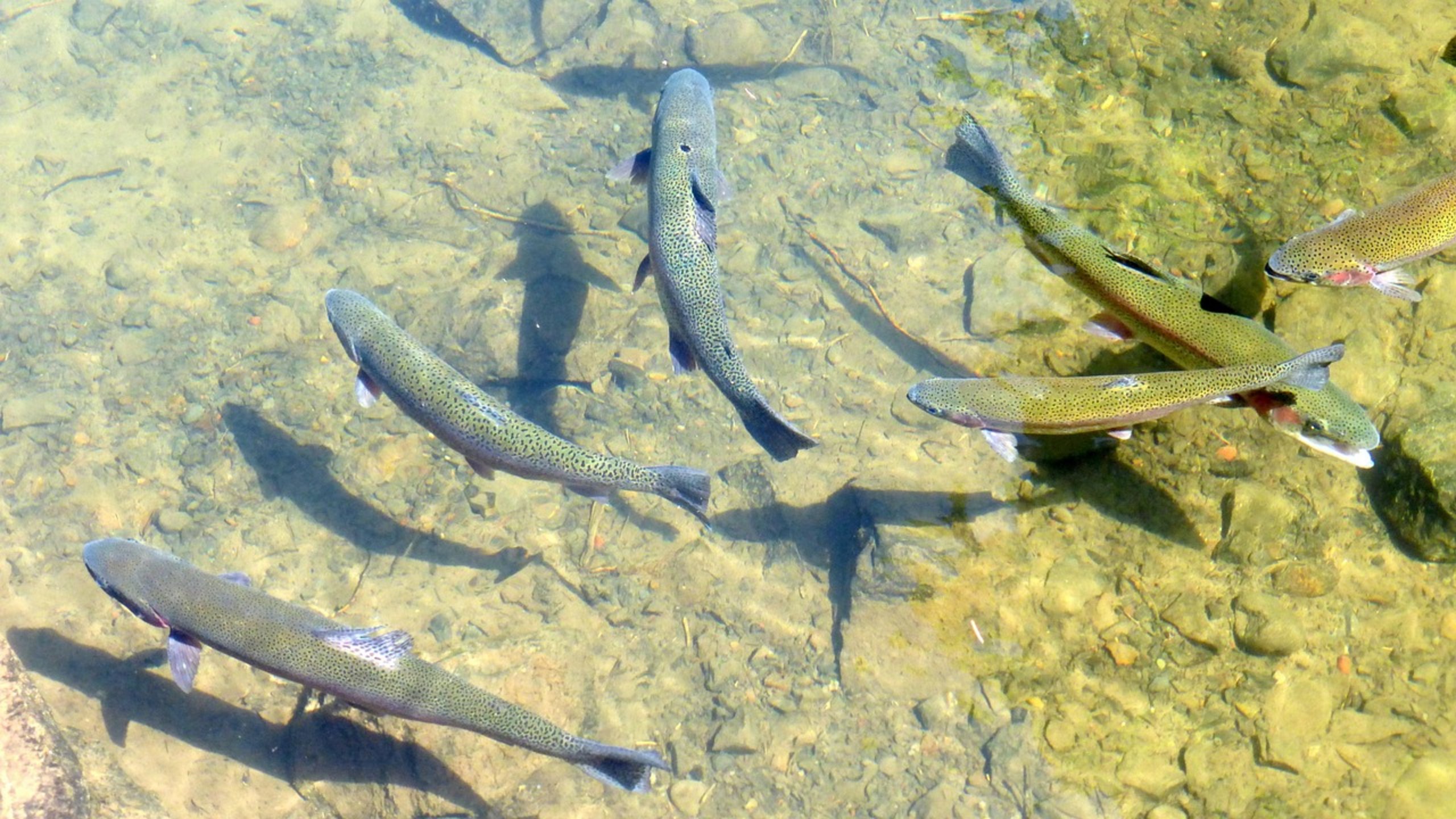
Lake trout are the Northwoods’ deep-water giants. They’re native to the Great Lakes as well as several of Minnesota’s larger bodies of water. They also likes it cold; temperatures under fifty degrees suit them just fine.
But what really sets lake trout apart from other species is their liking for deep water. Frequently found at over a hundred feet in depth, they can be tough to get to because an angler must use techniques such as jigging, diving plugs and downriggers to reach that target zone. When hooked, their fight is long and strong, and they can attains impressive sizes.
As a result, they’re a trophy fish for many avid anglers.
2. Brook Trout
The jewel of Minnesota’s smaller lakes and streams is the Brook Trout, which likes clear, cool, well-oxygenated water and rocky bottoms. Brook trout will be found in more shallow water than their cousins that live in lake.
A good indicator of health of an ecosystem is if you see brook trout. They are very sensitive to water quality. You need a lighter touch when fishing for these guys.
Small nymphs or flies work best and copy what the brook trout naturaly feed on. The fight can be short but sweet, and demonstrates the beauty of their color and spots.
3. Brown Trout
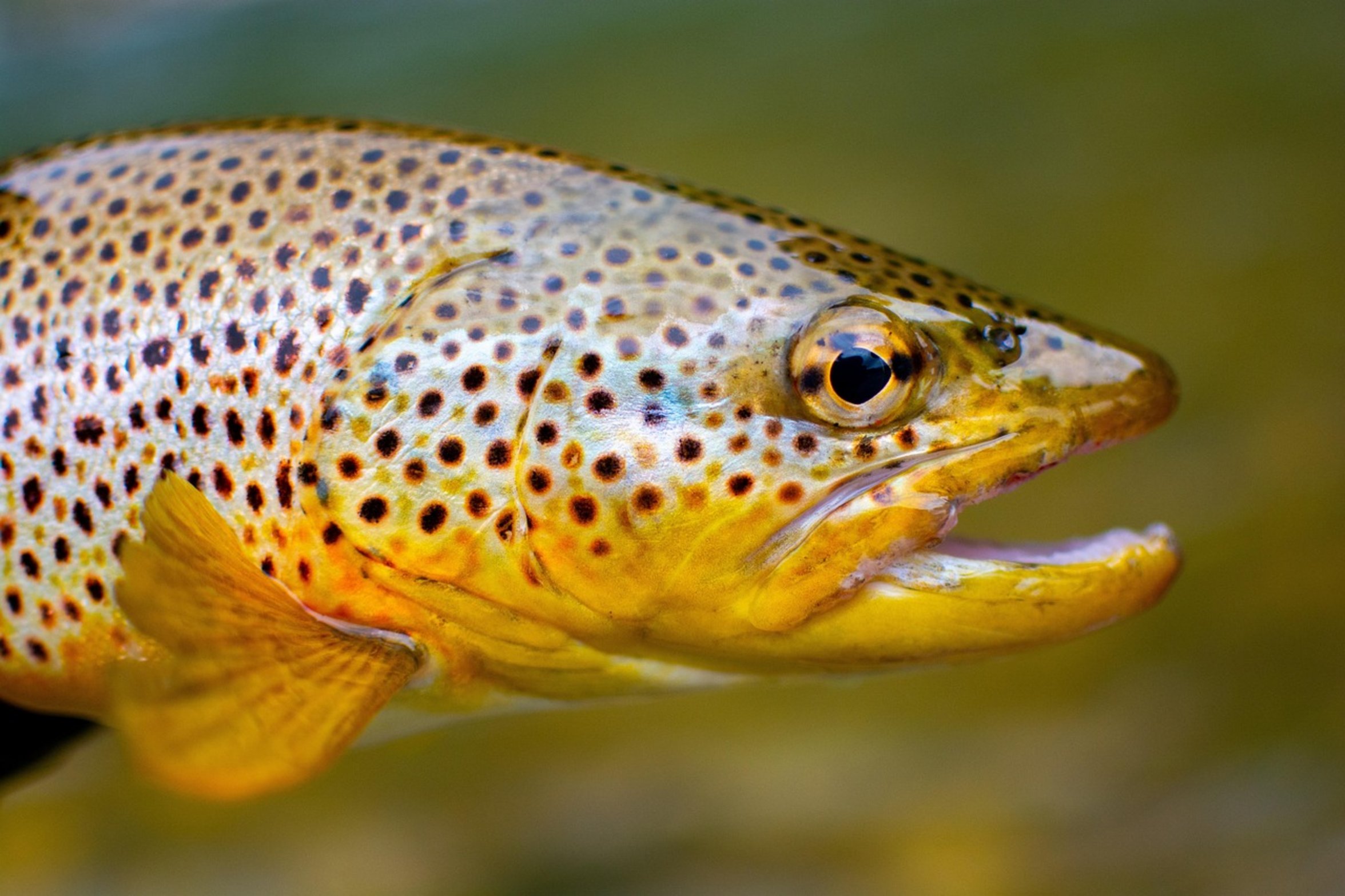
The brown trout were brought into Minnesota waters in the late 1800’s. These fish can tolerates slightly warmer water than other trout varieties.
They are also quite adaptable, which allows them to be found in more rivers and lakes. By nature, they are bottom feeders and will hide out along the bottom of lake. The brown is known for fighting fiercely and will readily accept a variety of baits.
Powerbait is a good option as well as minnows. You’ll know you’ve got one if there is a dark spot against a lighter background.
4. Rainbow Trout
Rainbow trout are the most commonly stocked species in Minnesota.
Each year thousands of rainbow trout is stocked into ponds, rivers, and lakes across the state. They don’t necessarily survive through the winter but give anglers consistent action throughout the summer. Rainbow trout hunt in mid-water and feed from surface.
On sunny days topwater lures will get some explosive strikes. They’re curious and aggressive. They’ll often chase lures from afar, which makes them fun to catch and great for teaching novice angler.
5. Mackinaw Trout
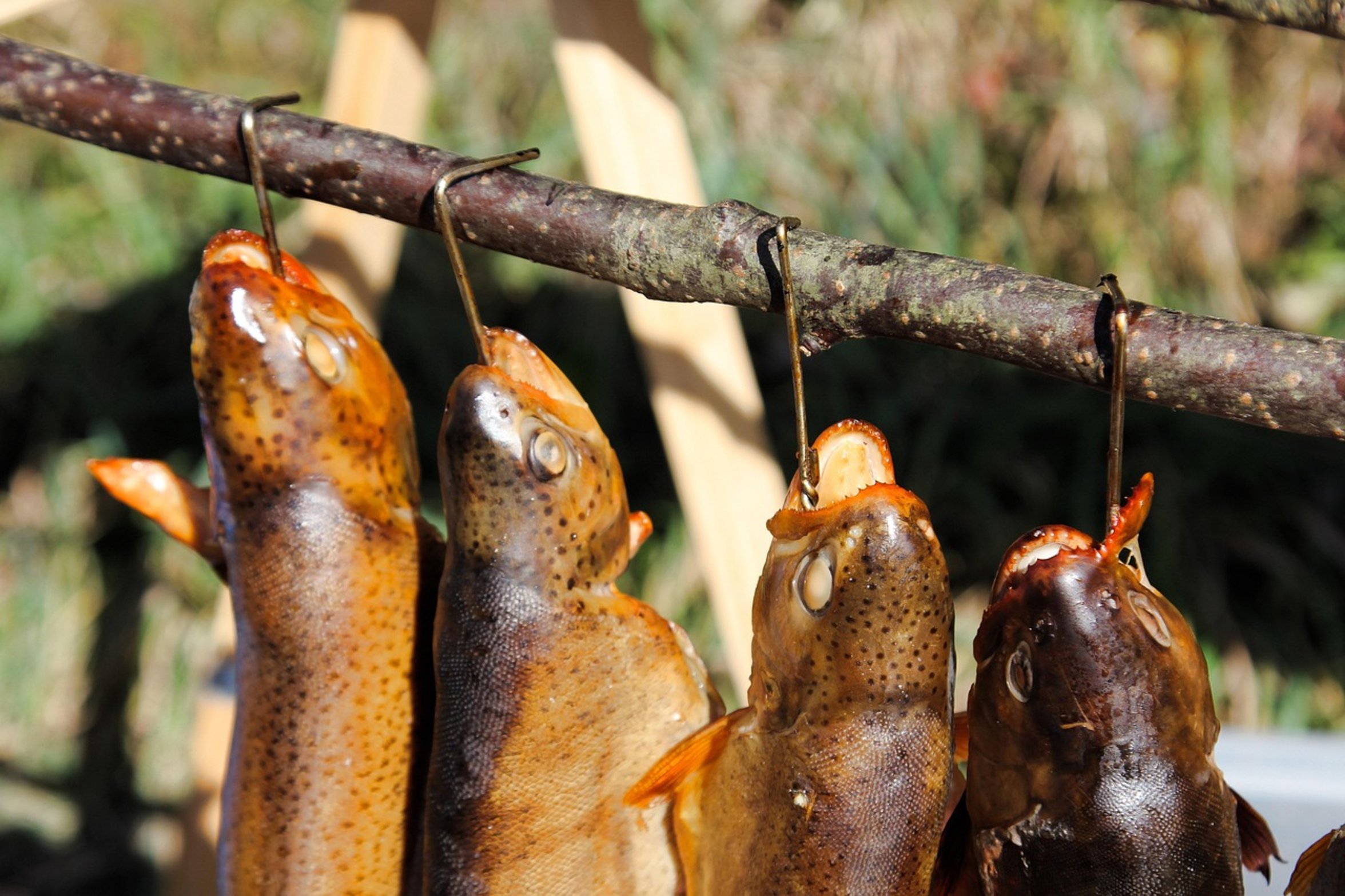
Lake trout, also known as mackinaw, are similar to their bigger cousins. They prefers the same habitats, which is deep and cold, and the same northern water bodies. However, there is some differences.
In most Minnesota lakes, they’re not as big. And while they may get down there, they’ll often feed erratically depending on where forage fish are locate. To catch them, it’s precise work and patience.
Live bait jig fishing is an old standby. You will be rewarded with a fish that’s firm enough to freeze or filet into a tasty meal.
6. Tiger Trout
A cross between lake trout and brown trout are a tiger trout.
These is specifically bred for stocking. In fact, it’s a hybrid fish bred specifically for certain waters so that anglers can enjoy a different kind of experience. A combination of the aggressive brown trout and the hard fighting lake trout, tiger trout have the best qualities of both.
These fish only exist in stocked waters; they aren’t found naturaly in the wild. That makes their presence brief, but intense. Light tackle gets tested when you hook one.
Anglers know exactly what water to target them on. It’s a combination of skill and timing when you do catch one.
The rewards and challenges of each of these trout species differs.
Rainbow trout are exciting and accessible. Tiger trout are rare and exciting for a moment in time. Brown trout is powerful with a lot of versatility.
Brook trout crave a little finesse and clean water. And lake trout want you down deep and they’ll make you work for it. Your choice of trout will depend on where you live, what equipment you have access to, as well as what you personally want out of the experience.
The best bet is to match your tactic to the type of fish you’re after. Doing so greatly improves your odds. You should of matched them earlier.
Minnesota isn’t just about fishing. It’s about learning to understand not only the fish but the eco-system of animals that live there too. Learning the specifics between different trout varieties adds to the whole experience.
It transforms a casual day on the water into a more focused trip. Instead of throwing everything at them, now you’re fishing with purpose. Next time you’re out on the water, do some research into what types of species live in that river or lake.
It could be the game changer on your fishing day. There are answers beneath the water and when you know what you’re looking for, the rest will fall into place.