
Ontario waters are more complex than most fishermen realize. You’ll go casting into a lake hoping for trout, only to find the fish eating your bait is a different species then the ones nearby. Knowing these differences helps when you’re choosing baits and presentations.
Seasonal choices for fishing and depths fished is influenced by this knowledge too. A variety of both introduced and native species is supported by the province. Some has adjusted to the colder waters of their northern lake’s headwaters.
And others to the warmer currents of Great Lakes. Each have different sensitivities to pressure, light, and temperature. Understanding what you’re fishing for not only helps save time but it will greatly increase your catch rate as well.
Common Trout Species Found in Ontario Waters
1. Brown Trout
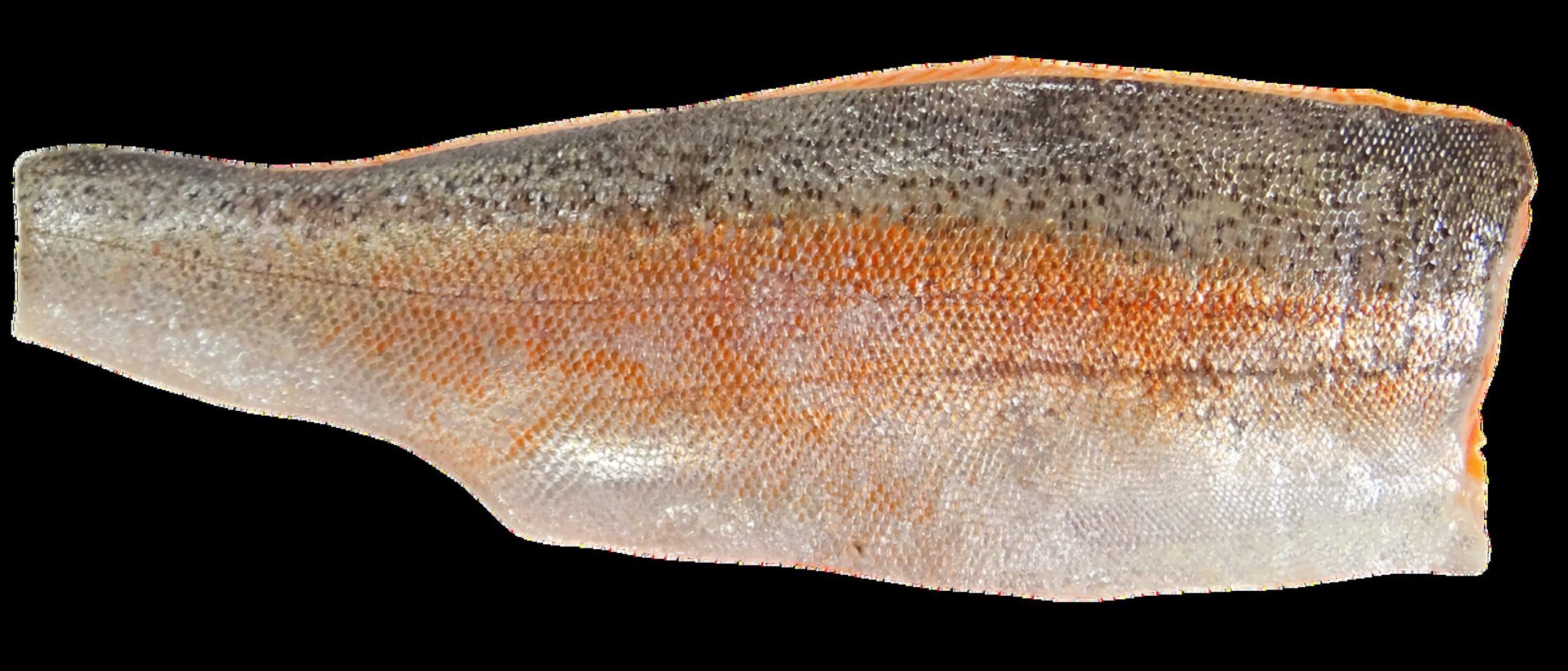
Brown trout They are an aggressive European import now common on Ontario waters because of their size potential and aggressive nature. Brown trout is ambush predators, so they lie in deeper pools waiting for prey during the day. Cover is very important when you think about it.
It allow them to tuck their body into something and use faster water than you would of thought. They’ll also eat big stuff and that’s what sets ’em apart. When they do bite, it’s a solid blow up, and you can trick them with a chunky spinner or a well-placed streamer.
2. Rainbow Trout
Brookies are less picky about warmer water temps then rainbows. This means they’re able to live in rivers where the water temp may be too warm for other fish to comfortabley exist. This is a rainbow trout.
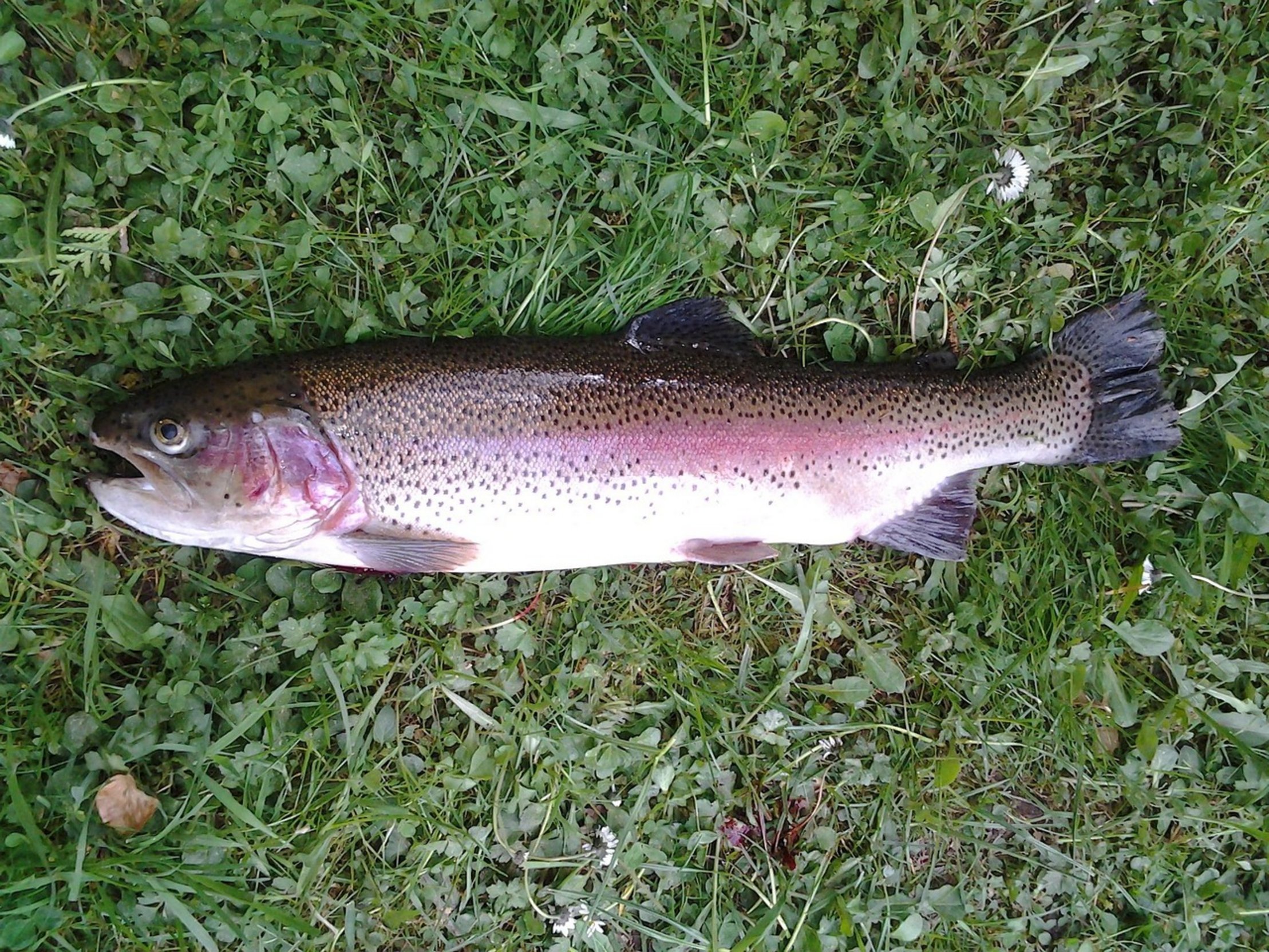
Ontario angling lore is best associated with rainbow trout. Whether it’s a pristine northern lake or a stocked tailwater, they’re perhaps the most recognizable face of Ontario fishing. Their iconic lateral red stripe isn’t missed.
Nor is their fighting ability amongst recreational anglers. They thrives in cool, oxygen rich environments. And when things line up, look out.
Rainbow. These fish are visual hunters. They hunt by using their eyesight and feed visually.
In clear water conditions, rainbows tends to be skittish and need a more subtle approach. Natural colors and lighter line can make or break a strike. A lot of folks consider them the measuring stick for all trout.
They are the standard against which all other trout is measured.
3. Brook Trout
The top native fish in Ontario is the brook trout, a species which requires clean, cool water with plenty of dissolved oxygen. You will typically find them inhabiting stream bottoms in spring-fed streams, small creeks and areas that maintain consistent cooler temperatures.
Brook trout feature a dark olive body decorated with red spots outlined in blue and worm-like patterns all over their body. Brookies are the ultimate finesse fish. They hangs out in small spaces.
They spook very easily. Getting your bait near them (beside rocky banks or under overhangs) requires accurate casts as well as quietness. When you hook one and it starts to run, you’ll be surprised by how fierce such a small fish can be.
The first time an angler catches a wild brook trout is something to remember.
4. Lake Trout
Lake trout are the giants of deep. Deep down, a giant lives in our waters.
It is a creature that thrives in the cold darkness of large lakes, like those found in Northern Ontario. These creatures are lake trout and if it weren’t for their spawning migrations into rivers, they typically won’t be encountered outside of them. They are a slow growing species, but they gets huge…
Some reach more than three feet long. Lake trout can be targeted with special tackle. Downriggers and lead-core line is often used to get your lure into their zone and you have to fish deep.
The key is a slow moving lure at the right depth. Lake trout are opportunistic feeders targeting bigger baitfish when they is chasing them. So patience is your best friend with these fish as well as not being as aggressive as their rainbow cousins.
5. Splake
Splake A splake is a hybrid species that has been crossed between a brook trout and a lake trout. This crossbreeding was an attempt to bring together the size potential of the lake trout with the hardiness of the brook trout. A splake resembles a brook trout, though it is sometimes a deeper-bodied fish with unique color patterns.
The fish likes water conditions which may not work well for strictly lake trout. A lot of lakes has them because they give anglers an opportunity to catch some quality fish. They eats aggressively and can be targeted with traditional trout gear.
The behavior of the splake is somewhere between its parents. They will suspend in mid-water columns rather than the extreme depths of lake trout.
6. Tiger Trout
These are tiger trout.
Another hybrid called the Tiger trout is actualy a cross between a brook trout and brown trout. These is so-named because they develop distinctive tiger-like stripes along their flanks. In Ontario waters these are not a common occurrence, but can be found in some managed fishery settings.
The purpose of the cross is to produce a fast growing fish that has a greater tolerance for temperature variations. They are interesting genetically because of their hybrid parentage (brown trout) and they can be very aggressive fishs. When you hook one up they’ll attack your lure enthusiastically.
But again, they’re not often stocked on a wide scale, so knowing your local waters will be key. It’s a fun genetic experiment in fishing. Every one of these species is unique.
Each species will be active based off water temperatures. And each species will be found in specific locations. Understanding how they behave makes you a more all around angler.
It removes the guesswork and puts you in a mindset where you are fishing for a reason. So the next time you’re standing on the bank, take a look at the water and ask yourself what kind of trout is hiding down there. Match what you do to them based off their behavior.
You will enjoy the catch and feel more connected to the water.