
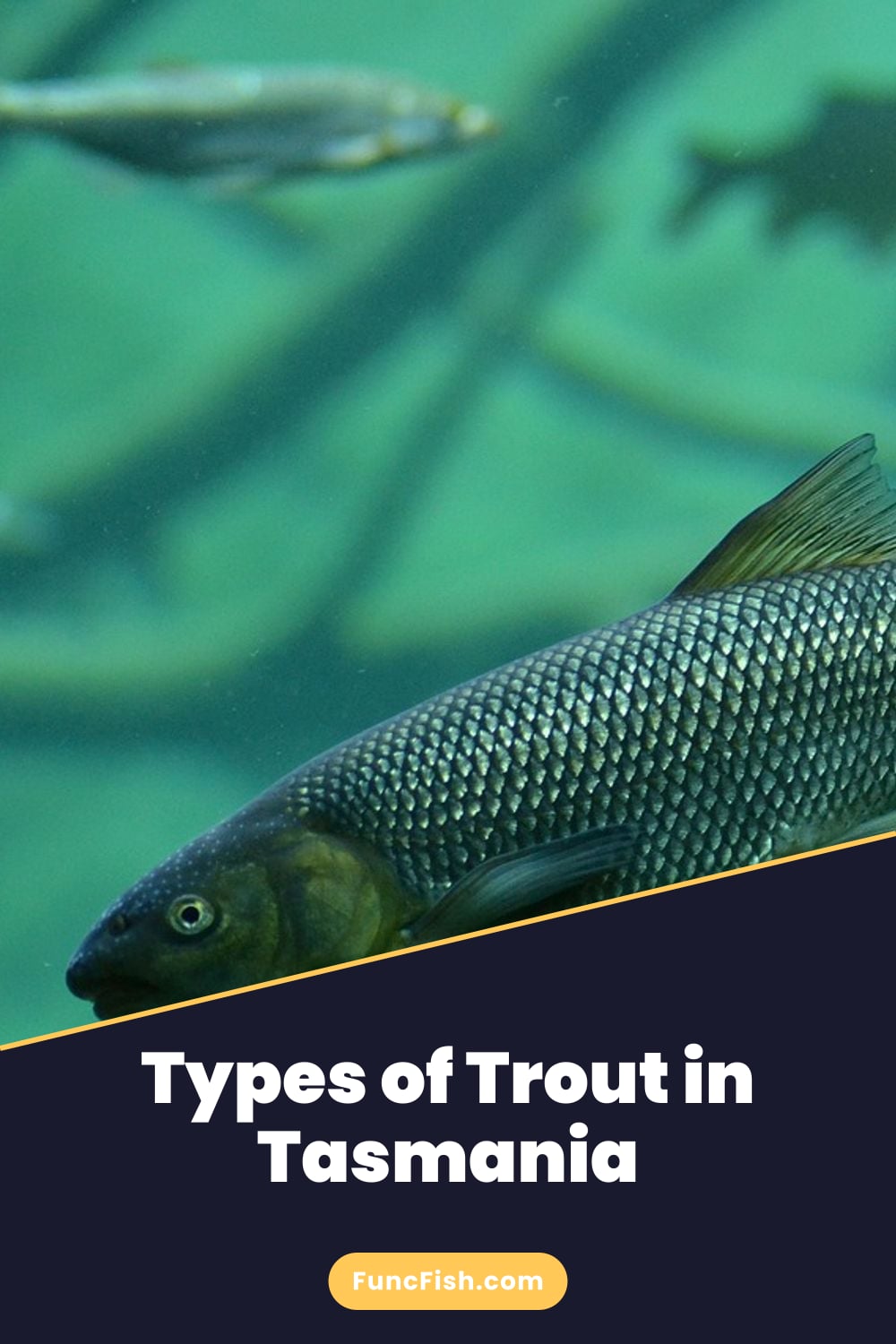
At the end of the continent, where rivers cut across ancient landforms and cold water ocean currents collide, lies Tasmania. Here, the fish are finicky and wary from livig in pristine waters. Luck doesn’t matter in these waters; it’s a game for anglers who know how to catch them.
It is a place where fish is wary because the water is pure and you have to earn every one you catch. It’s a complex puzzle that has anglers scrambling with all these species. Each one has its own habitat.
They can be on bottom of a lake, near the surface of a reservoir pool, moving around in waves along a coast. Or maybe they are swimming shallow up creeks in rivers. There is no point in casting if you don’t know what kind of trout are in the water.
That explains the differences in gear, strategy and lure presentation. Most commonly targeted by recreational anglers, Rainbow Trout inhabit all Tasmanian waters including estuaries, lakes, streams and rivers. When they gets a taste for it, these aggressive eaters can be caught on many different lures presented correctly.
The Best Types Of Trout Found In Tasmania
1. Rainbow Trout
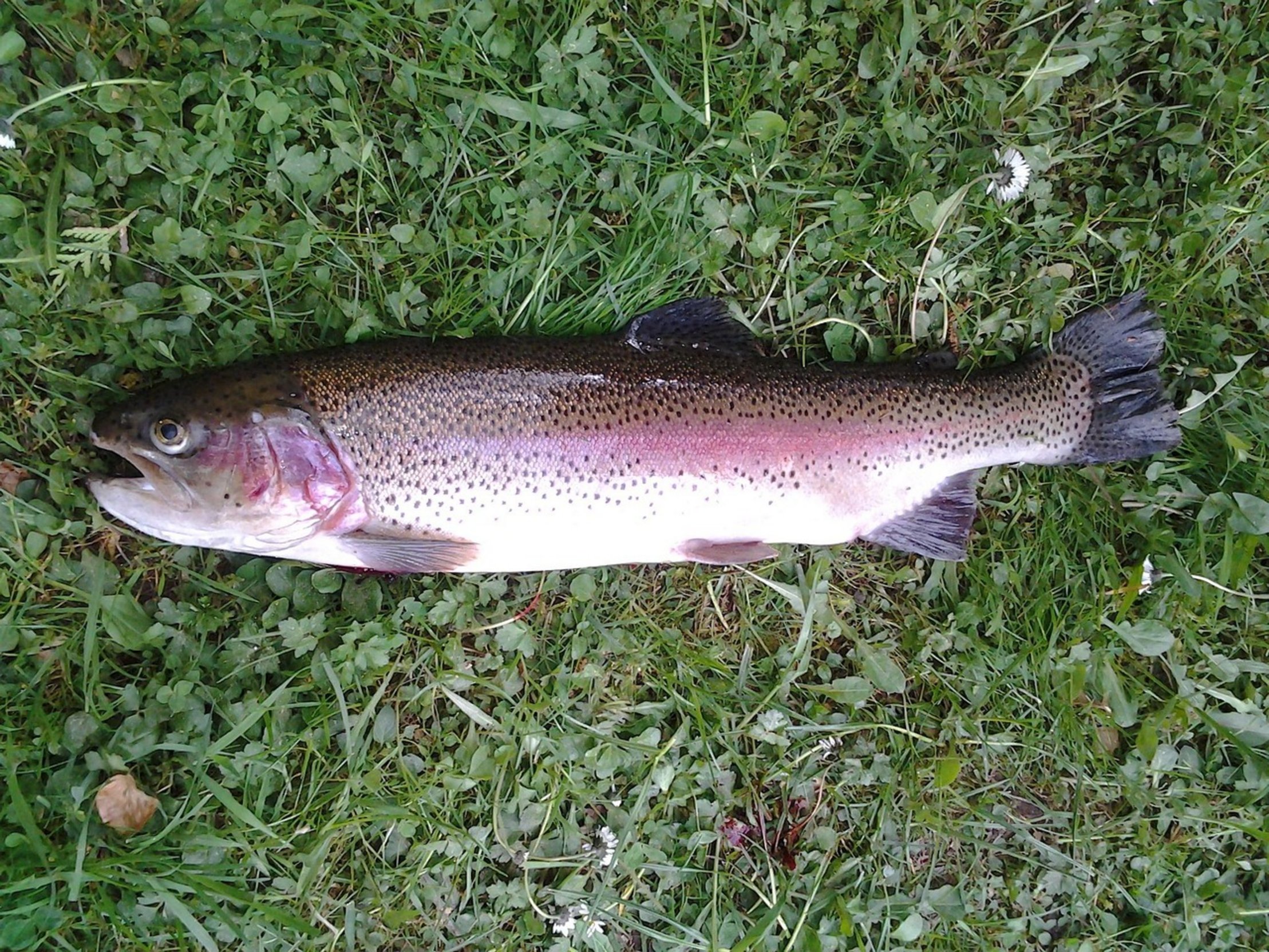
Their vibrant lateral stripe make them visually striking when caught. Easy to catch and keen to bite means Rainbow Trout are the go-to fish for most tourists. In cold, clear-water lakes without stocking programs, they reaches impressive sizes.
2. Brown Trout
Brown trout is more secretive. Brown Trout are more secretive and need to be fished differently. During the day, Brown Trout will usually remain buried in deep water or around thick cover.
Because of this, many locals consider Brown Trout to be “smarter.” They catch on fast to what baits they’ll eat and won’t touch them after that. Their hiding places are under banks or in shadows; they want to be sneaky and you have to get your casts accurate to where they hide. They also feel heavier for their size and reward more patient, more careful fishing.
3. Mackenzie’s Trout
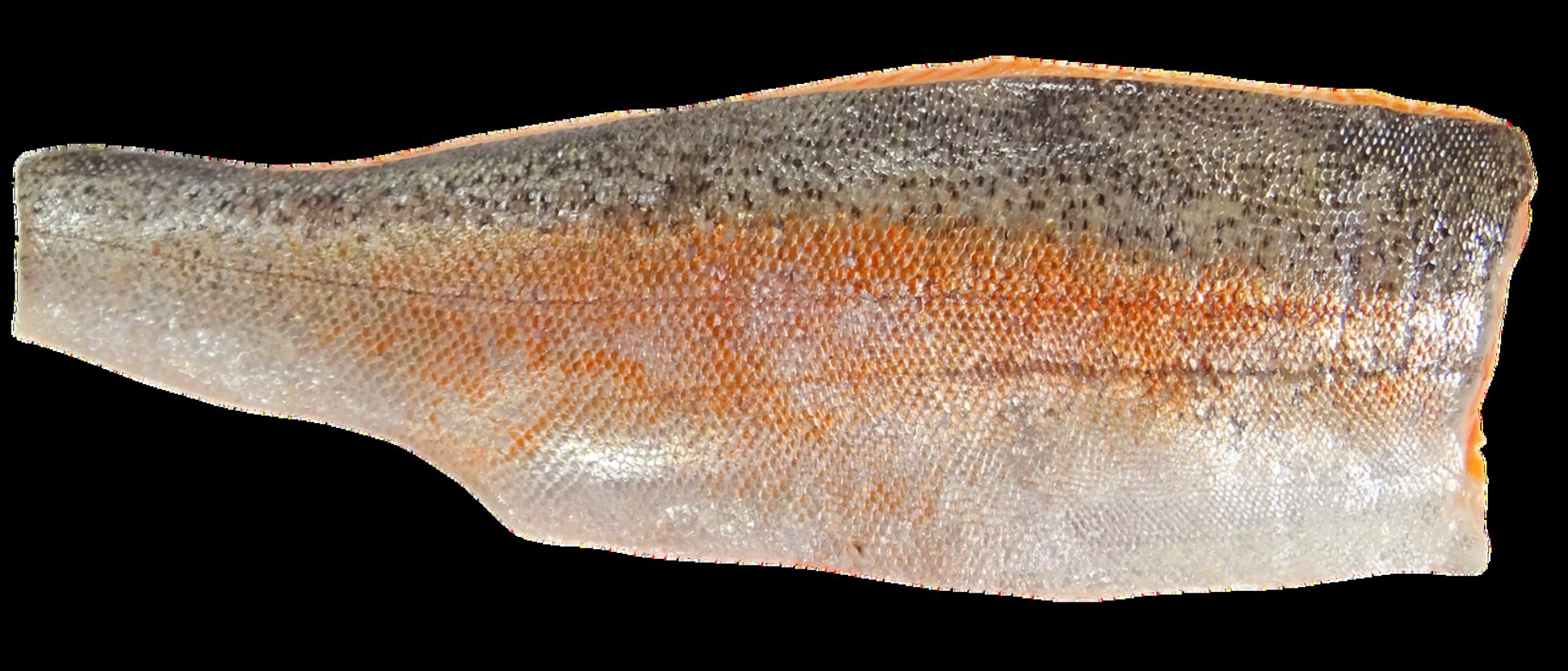
Tasmania is home to there own special breed of hybrid trout called Mackenzie’s Trout. These hybrids were created by mating Brown Trout with Rainbow Trout, so they has characteristics from each parent. Find the Mackenzie’s Trout stocked in some of the reservoirs and rivers that had hybrid fish stocked early on.
In color, the Mackenzie’s Trout look like Brown Trout, while having the shape of a Rainbow. Because of this hybridization, they feeds unpredictably compared to the purebred strain. When hooked, they put up quite a battle.
4. Alpine Char
Alpine Char is a true trout. While not a true trout, Alpine Char live in the same type of cold water habitat: the high mountain streams and lakes found above the tree line. Alpine Char are small, slender fish that is adapted to extreme cold and often spawn in fast-flowing riffles.
Because Alpine Char are fragile critters, you’ll want super light tackle and dainty offerings to target them. Their slow recovery time after disturbance makes conservation key to their ecosystem. They are the smallest of all trout; these little fish inhabit the coldest waters found at the heads of mountains.
5. Brook Trout
Relative to size they are a fighter and smaller then either Brown or Rainbows. With their orange belly and spots on their back, they’re easily recognizable. Most times you won’t be able to throw anything large at ’em.
Dry flies or small spinners does the trick. You’ll mostly be wading long stretches in quiet, clean settings so fishing for brook trout calls for finesse. If it’s too warm for others, it’s just right for a brook trout.
6. Golden Trout
In some managed waters across the island, Golden Trout change the color of the water. Against the algae and rocks, their yellow-orange scales really pop. Although more rare than Rainbows, they’re plentiful on most rivers and lakes.
On any given day, expect surface action with topwater lures as Golden Trout feed aggressively at both dusk and dawn. Golden Trout’s curious nature also results in higher strike rates, making them a popular first choice for beginners looking to learn how to cast. You’ll enjoy higher strike rates due to their curiosity and bold feeding behavior.
The fish range depends on where you are willing to travel and your level of challenge, from local river rainbows to Alpine Char found in some of Tasmania’s most remote alpine areas. There is a diverse range of fish that mean no two fishing days are alike. From its natural geographical history to the history of water management on the island, each species tell its own story about Tasmania.
To increase your catch rates, match the tackle to the targeted species. Large Rainbow or Brown Trout requires a heavier rod. Where do you think each species will hold?
Read the water. Riffles are home to Brook Trout; pools suits Browns best. Active surface fishing is a good sign of Goldens or Rainbows pursuing insects.
Your odds of getting hooked will greatly increase if you adapt your approach to the specific fish. Tasmania’s streams, rivers and lakes offer fishing unlike anywhere else: a world where the pace is slower and development hasn’t yet overrun most of it. When you’re out there, all the sounds of morning on an alpine lake are drowned out by something pulling on your line.
Catching trout of any species connects you to the natural order. Listen to the fish and be respectful of the habitat, let them show you what to do next.