
The word has gotten out… Wyoming fishing waters is special, and reach well beyond state lines. For fly anglers around the country, it’s known for chasing big browns in high alpine lakes and feisty rainbows on tumbling mountain streams.
There is incredible variety not only in the types of trout but also in there personalities. Each species has developed unique survival tactics which determine their feeding habits, hiding spots, and fighting styles once hooked. Knowing these nuances turns a day on the water from a casting exercise to a strategic hunt.
While there isn’t one way to catch all trout, you can’t expect to be successful all the time fishing indiscriminately. So how do you figure out what works? If you know who lives on a particular stretch of water, rainbow trout or brown trout, you can tailor your fishing style for those trout.
Because trout aren’t trout. They’re very different, each having their own quirks as far as biology goes. And we need to learn to honor them.
Most Popular Trout Species Found in Wyoming
1. Brown Trout
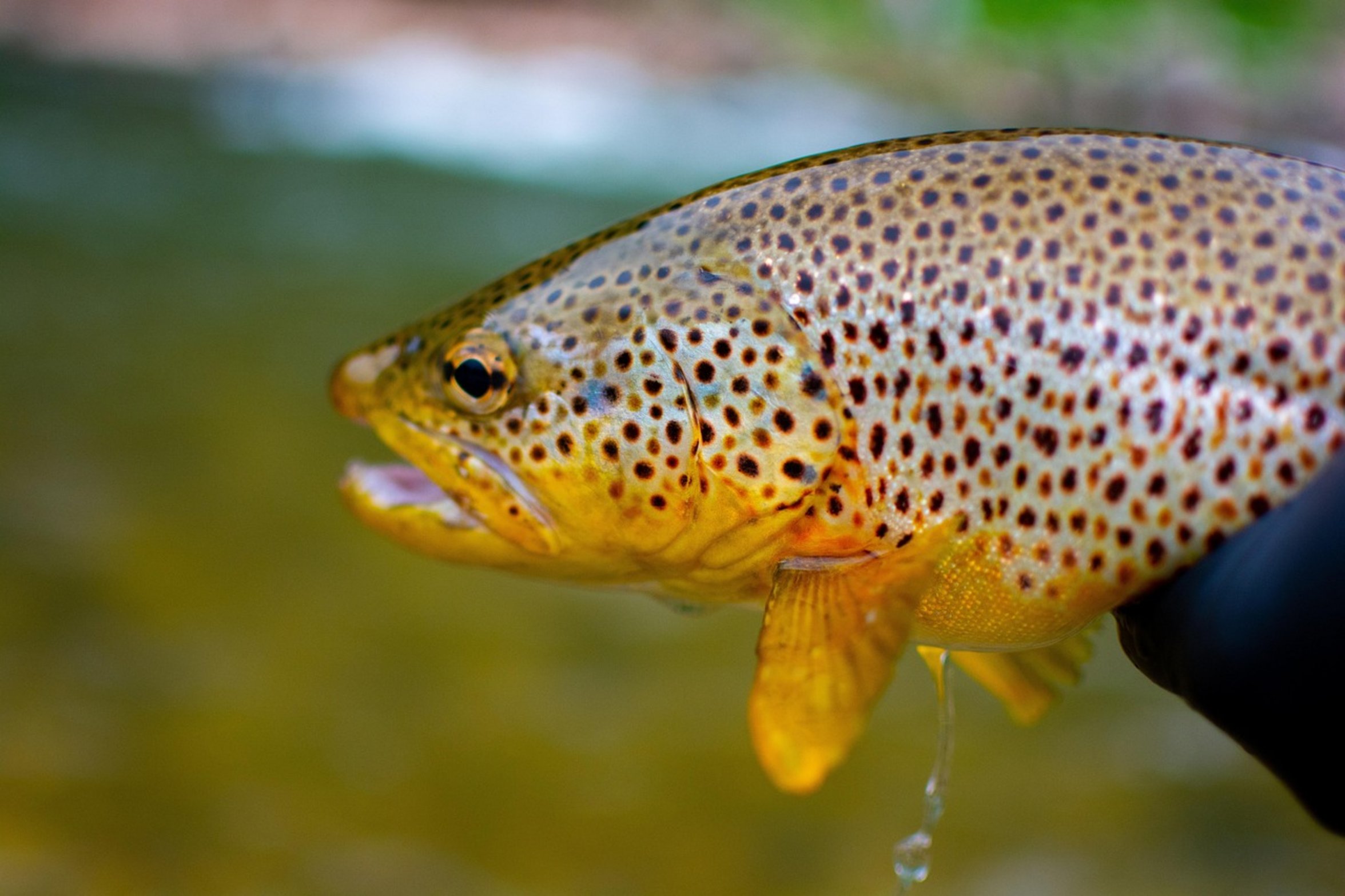
How you move your bait through the water, how fast and how deep depends largely of knowing what it is you’re trying to fool. The natural wariness of brown trout combines with excellent camouflage to make them the ghosts of Wyoming rivers. They has a ghostly dark olive body mottled with odd-shaped black spots that blend in perfectly on river bottoms.
They tend to position up-current from heavy cover and in deep runs during the day. Add to that a love for muddy water and a brown is tough to see unless it doesn’t like having its space disturbed. What sets browns apart is their aggressive feeding style when conditions align; they will smash a dry fly on the surface with startling violence.
They also require more open water (bigger river system) to flourish, given their liking for complex current systems that allow for slack water and eddy formations. So you’re going to want to throw long casts here, and simply let your offering float along with the current. Their teeth are razor sharp, so you’ll usually be using a heavy leader in order to avoid having line torn off by them in the heat of the battle.
2. Brook Trout
The most colorful of all the native Wyoming trout species, brook trout have flashy red outlines around blue markings on their sides. They’re found in small lakes and the headwaters of streams… The places with ice-cold water throughout the entire year.
Brook trout need clear, cold water over a gravel bottom, and there preference is for water moving quickly. Brookies are acutely sensitive to precision fishing in their crystal clear waters. A subsurface nymph presentation works more often than topwater approaches; look to fish close to the bottom, sometimes just over it, picking insect life off rocks and in the drift.
Brookie average size can be smallish, yet these fish will put up a spirited battle disproportionate to there size. They’re also notoriously finicky, requiring patience as you work deep pools to find them (which could of take hours). The rainbow trout is a survivor, found everywhere on Wyoming water bodies and easy to attract using artificial baits.
3. Rainbow Trout
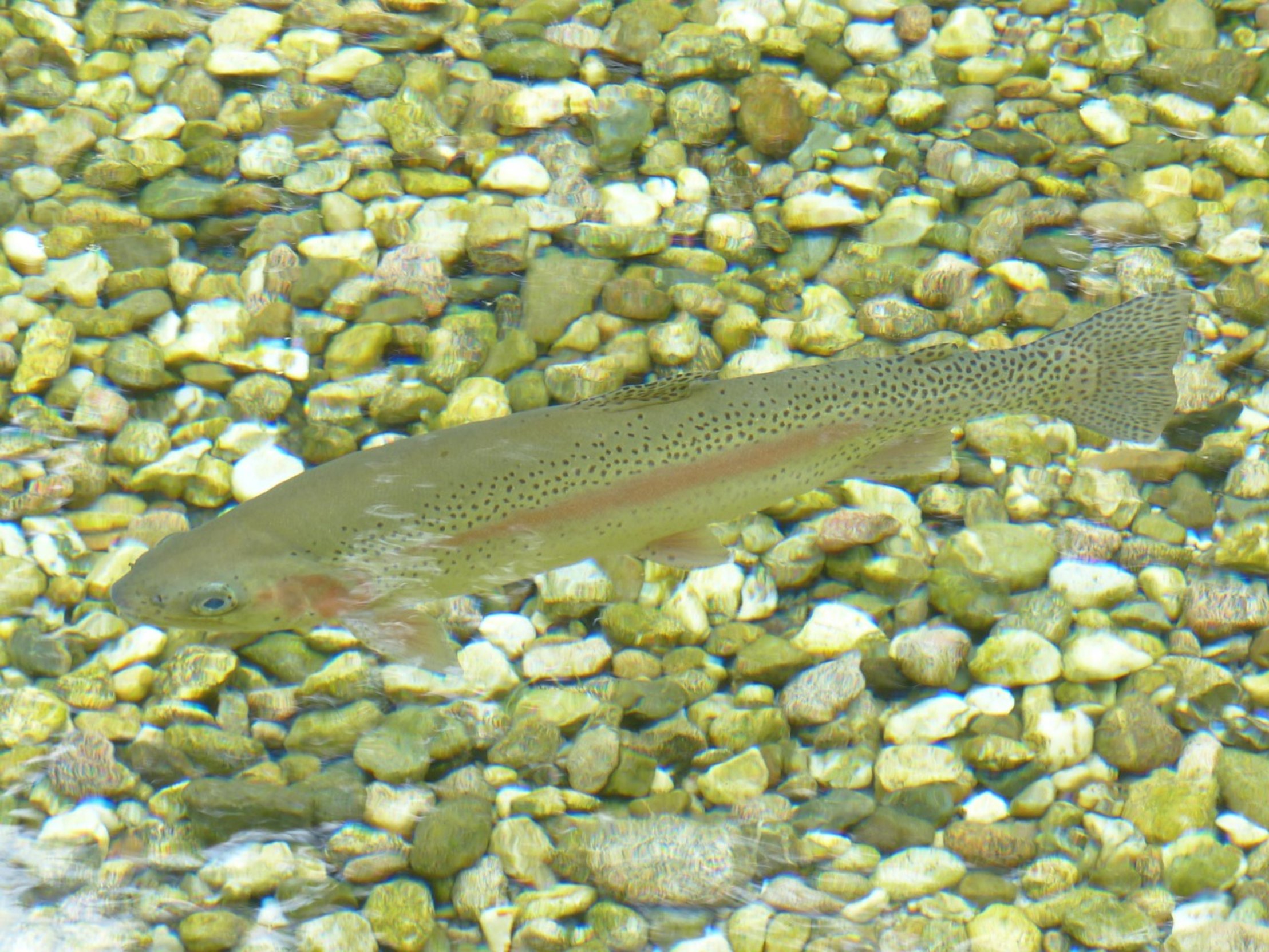
Known for their flashy side stripes (red in rainbows), they’ll thrive in various settings thanks to their adaptability and are available across Wyoming rivers, reservoirs, and lakes. They also survive in broader temperature ranges different than brook trout. Rainbows are aggressive, they’ll pursue everything from streamers, to spoons, to even spinning lures, and that aggressiveness make ’em the perfect starting fish for anyone who’s learning how to fly fish.
But it also makes them tricky to select if you’re mixing in other species. They tend to gather in groups around underwater cover like submerged logs or structure like drop-offs. If you move a fast lure past one of their holding spots, they will feel forced to strike by instinct.
4. Cutthroat Trout
The native kings here are the cutthroats, which include several species throughout Wyoming that has evolved to suit certain environments. Perhaps the best known: Yellowstone cutthroats (which take there name from the red slashes beneath their chins) thrive in park waters and their feeder streams. Non-native species had devastated their numbers but conservation work has brought back populations.
Small woolly buggers and soft-hackle nymphs can be deadly in these waters. Cutthroats are known as opportunists that feed off hatches and small baitfish, and they tend to stay in the shallows more than brown and brook trout do. It’s also worth noting that catch a cutt, it seems you’re fishing into Western history, since they were the first fish to ever call the West home, and thus have been protected by local fisheries management.
5. Tiger Trout
Hatchery-born: A sterile hybrid between brook and brown trout (hence the name “tiger” trout), which gets the best traits of both (coloration from one; hardness from the other) are manmade creations in hatcheries. They don’t reproduce in the wild. All the tigers you’ve caught has been stocked as a special treat for anglers, and they can get pretty large (for their age).
As far as the fish are concerned, they act a little more like brown trout then rainbows. However, they are not quite as wary out on open water. They will hold in the deeper areas of lakes and hammer big baitfish patterns.
They can be a fun challenge for anglers because they have their own behaviors that require the angler to adapt. Sometimes when you are having mixed success with typical rainbow tactics going upsize on your profile is a good idea. These are deep diving crankbaits.
6. Lake Trout
Cold-water reservoirs with cold water and little light reaching the surface is home to lake trout, a predator that lives in open water and mainly eats whitefish and other fish living in lakes. They live very deep, often over one hundred feet, and provide powerful runs due to there weight and strength, making specific tackle almost mandatory if you want to catch ’em. Sonar is also virtually essential when finding these fish.
Lake trout are strong, heavy fish that produce some great runs, so fishing them require skillful angling. You must use precise presentations timed correctly. This often means using big baits and lures on divers that take you to the proper depth.
This takes some work and studying of the lakes’ stratification and movement throughout the year, but it pays off in spades when you catch them. Knowing the unique characteristics of these six species is important for every Wyoming angler, as understanding which trout rules a body of water informs our bait presentation and choice of tackle. In other words, it removes the guessing game and replaces it with strategy.
Respect those differences between the species and do so well, and you will know the reward will be greater, whether you are chasing rainbows on an alpine lake or hunting a shy brown trout within a pool’s rocky confines. Listen to the water when you fish, not force your will upon it. Next time you step in a river, take a moment to think about who swims below the surface, it’ll make all the difference for your day on the water.