
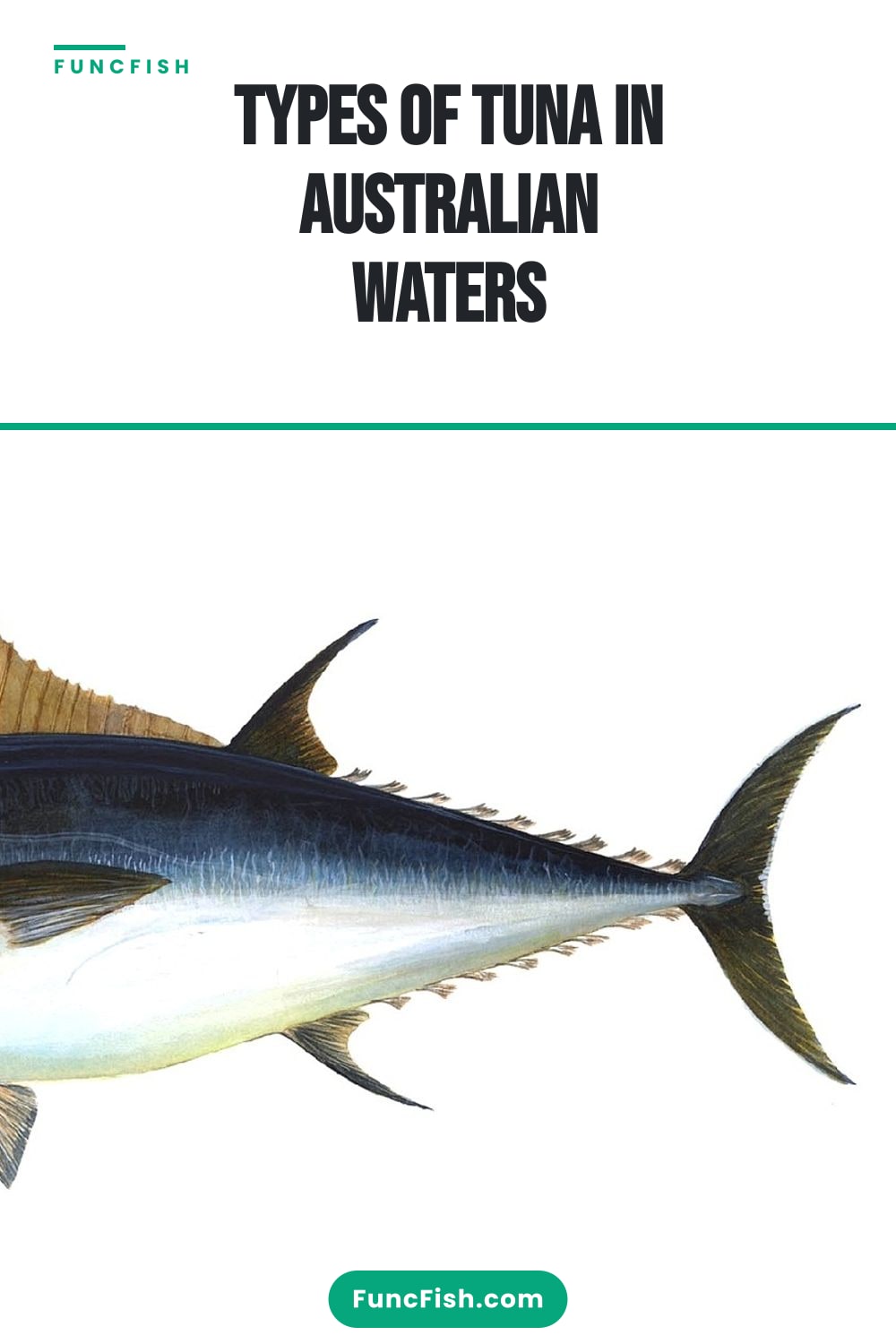
Tuna is among the world’s most prized fish and some of Australia’s best ones lives in our waters. With many different species and the right temperature ranges on coastal shelves, they swim up and down Australia’s continental shelf from the cool south to the warm north. That means using a seasonal seafood calendar and knowing which tuna to buy will allow you to cook accurately as well as eat it more sustainably.
You’ll know what not to pay too much money for when you head to fish counter too. Size is only part of the equation. It’s also about flavor, texture, and even fat content.
Some tuna is firm and lean, which are perfect for searing. Some is rich and buttery and meant for sashimi. When you know what fish you’re buying, it change the way you dine…
No longer just a guess but a choice made with intention. You will discover that each species have an entirely unique eating experience. The yellowfin is Australia’s workhorse; you’ll find schools of them cruising the southern and western coasts’ surface waters.
Common Types of Tuna in Australian Waters
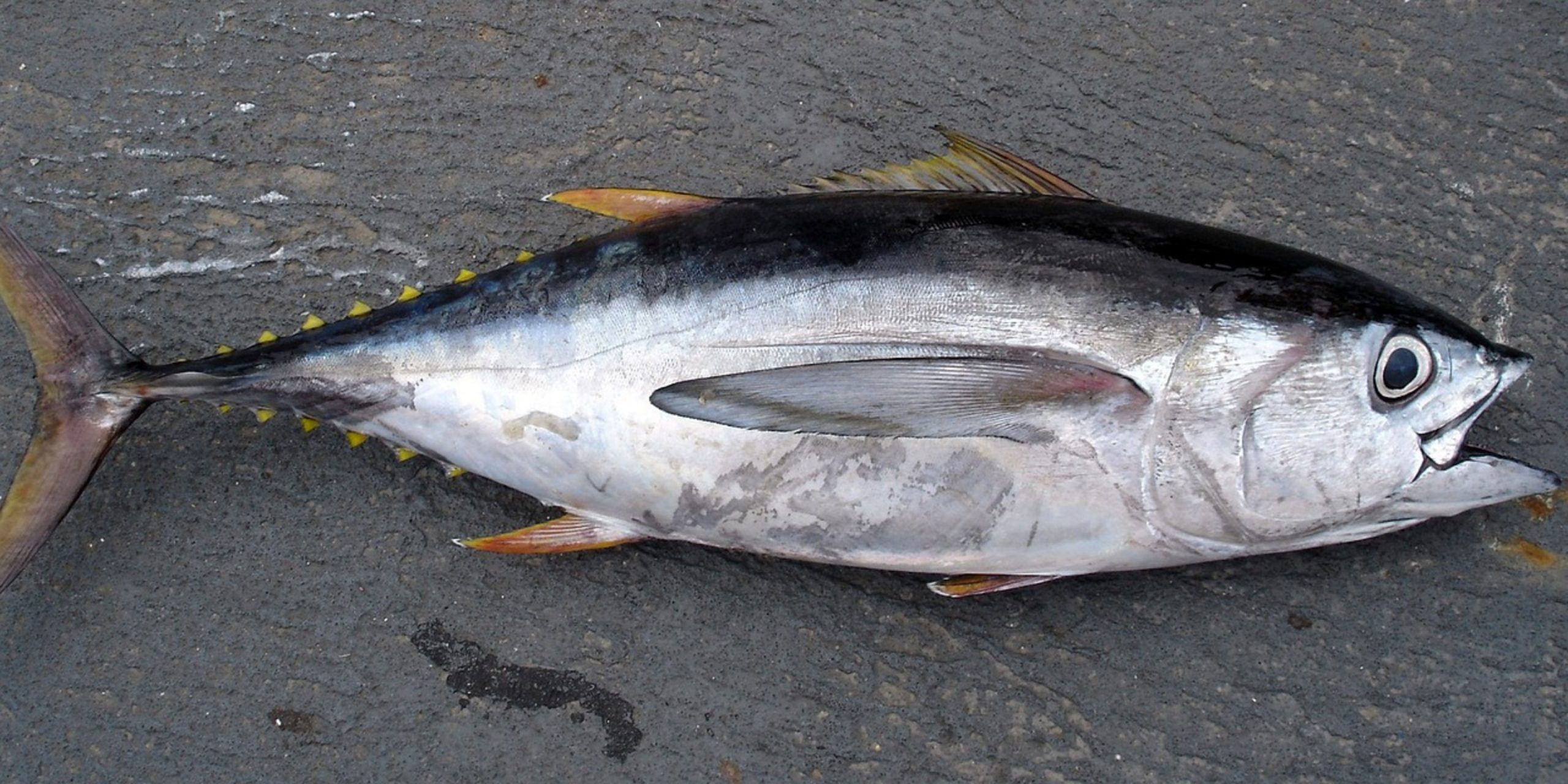
1. Yellowfin
You can spot this one by its slick body shape and bright orange dorsal fin. Its mild flavor and firm texture makes for an easy-to-work-with fish that will hold up nicely to any high-heat cooking technique (grill it!). Leaner than others, it need less oil to get through the pan correctly.
That’s what makes chefs such fans: Its versatility. You can sear a thick steak to keep it rare in the middle or bake smaller steaks in casserole dish and they’ll hold together. And it’s an affordable fish.
There are more expensive options out there, but this isn’t one of them. You can make it during the week. The downside?
It doesn’t have as much marbling as bluefin. So pay attention: Don’t over-cook it (it will get rubbery). Best bet seems to be a quick cook at high heat.
The high-end category is dominated by bluefin tuna. This fish live deeper than its cousin yellowfin. It dives down to several hundred meters to avoid the warmth of the sun, and as a result, it has more marbling (i.e. Fat).
This fat are found particularly in its belly and shoulders. Bigeye also have a very tender, dark-red meat, making it the go-to fish for quality sushi/sashimi rolls. Its pockets of oil dissolve on your taste buds, leaving a rich sensation.
2. Bigeye
This is reflected in price tag. It’s not forgiving to heavy cooking. It’s delicate and has high fat content.
Standard preparations involves searing the outside and leaving the inside raw. Unlike yellowfin, flavor is more pronounced and there’s a definite sweetness that lifts dish beyond your standard supermarket tuna. Because of its lower catch volume, it’s available sporadically based off the season.
Albacore is the tuna with white meat. You’ll be familiar with this type of tuna if you buy longline tuna from your supermarket, which is what it’s often referred to here in Australia. When cooked, albacore has an almost white color and tastes very mild.
3. Albacore
Not particularly fishy, which can deter some people from eating darker tuna, albacore is a good introduction to seafood. It is the species most typically canned, but fresh albacore offer a whole other ballgame. Albacore is great on salads and in light pastas.
Because the meat isn’t overpowering, it take sauce very well. Whether you’re frying it in a pan or grilling, there’s no worry of an overwhelming flavor at the end. On the flip side, however, this fish can lack flavor when underseasoned, which mean it needs herbs and good acid to really come through.
If you’re looking for a budget-friendly choice for casual entertaining or a big family dinner where tuna will be served as part of a bigger dish, then this might just be your guy. The king of the industry though is the bluefin tuna that makes its way through Australian waters, especially on the east coast in the winter/spring period. Bluefin has very good fat content, especially in higher grades, and the otoro or belly cuts is almost liquid with a richness.
4. Bluefin
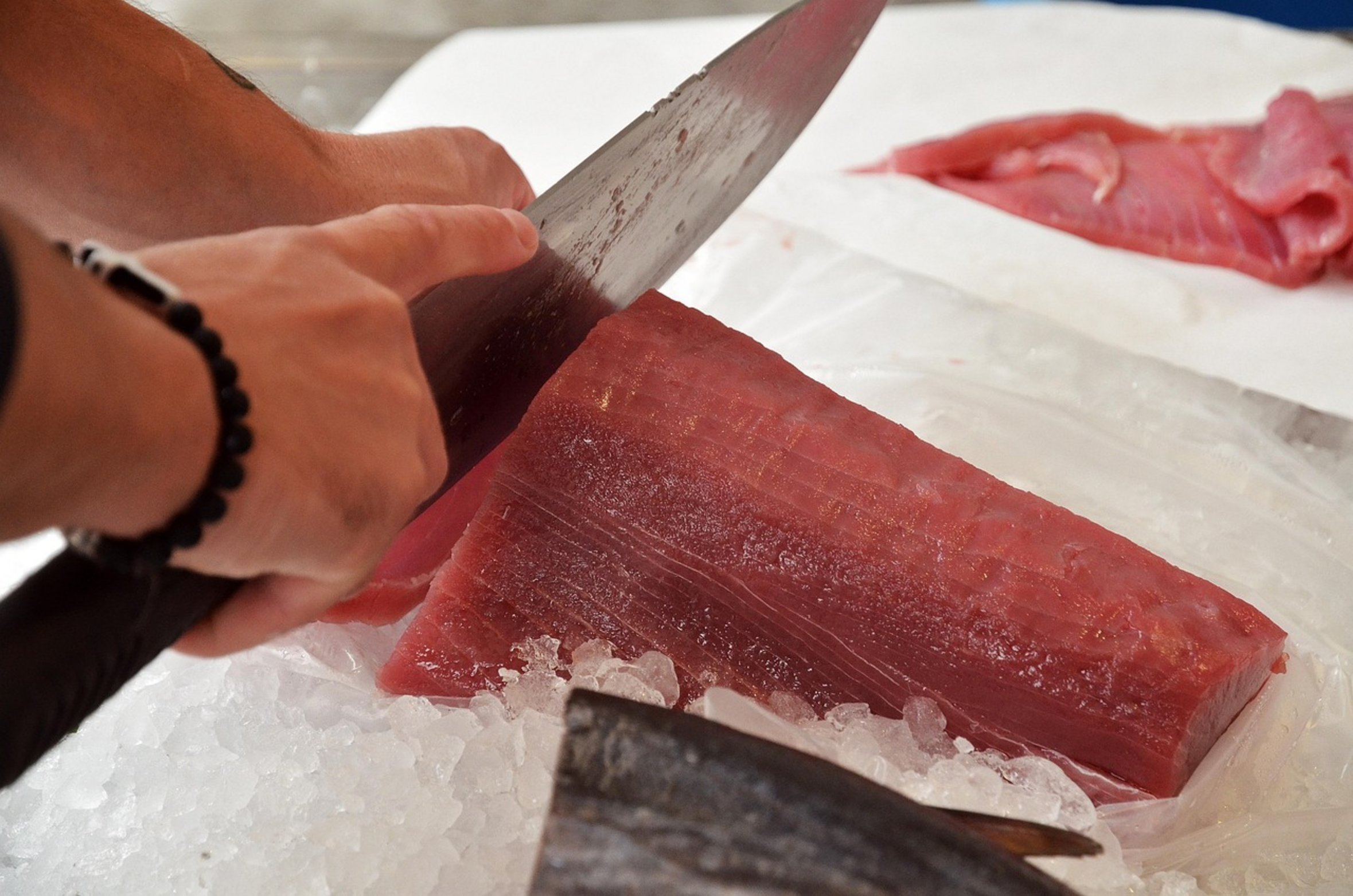
This is what fine-dining is all about: pure taste and texture; it’s like eating some seriously well-marbled beef. Prices reflect a demand for bluefin. Often, it’s consumed in tiny servings that let you appreciate every mouthful.
People fear overfishing so fishing quotas are tight. There are also efforts to farm bluefin. When buying, choosing sustainably matters.
This fish isn’t something you cook with everyday, you’re paying for its rarity and intensity. Enjoy bluefin raw, thinly sliced, and lightly seasoned. Let the fat do the talking because too many spices would of kill the subtle balance.
Little tuna is lesser known but excellent. Smaller (hence “little”) and more plentiful than some of these other species, little tuna has dark red meat with a taste not unlike albacore but with slightly more character. Because of its size, it is frequently underused and available in smaller steaks and even fillets.
5. Little Tuna
The population is both healthy and well managed, making this a sustainable choice too. Little tuna is easy and very good to cook with. Perfect for grilled sandwiches and tacos, it holds up well when cooked, has a firm texture that is able to hold together, and isn’t really expensive, which makes it a secret ingredient that home cooks should look into.
Great flavor at a very reasonable price. It needs more love on menus and more love in home kitchens. When selecting your tuna, make sure to match it with how you plan to cook it.
Bluefin and bigeye should be eaten lightly seared or raw. Yellowfin and albacore hold up well when baked and grilled. To save money and still get some sustainable seafood, try little tuna.
Treat this fish respectfully by learning how to prepare it properly; each one have its own story to tell about the sea. Every bite is worth savoring. Next time you go to the fish market, ask which type of tuna they’re selling.