
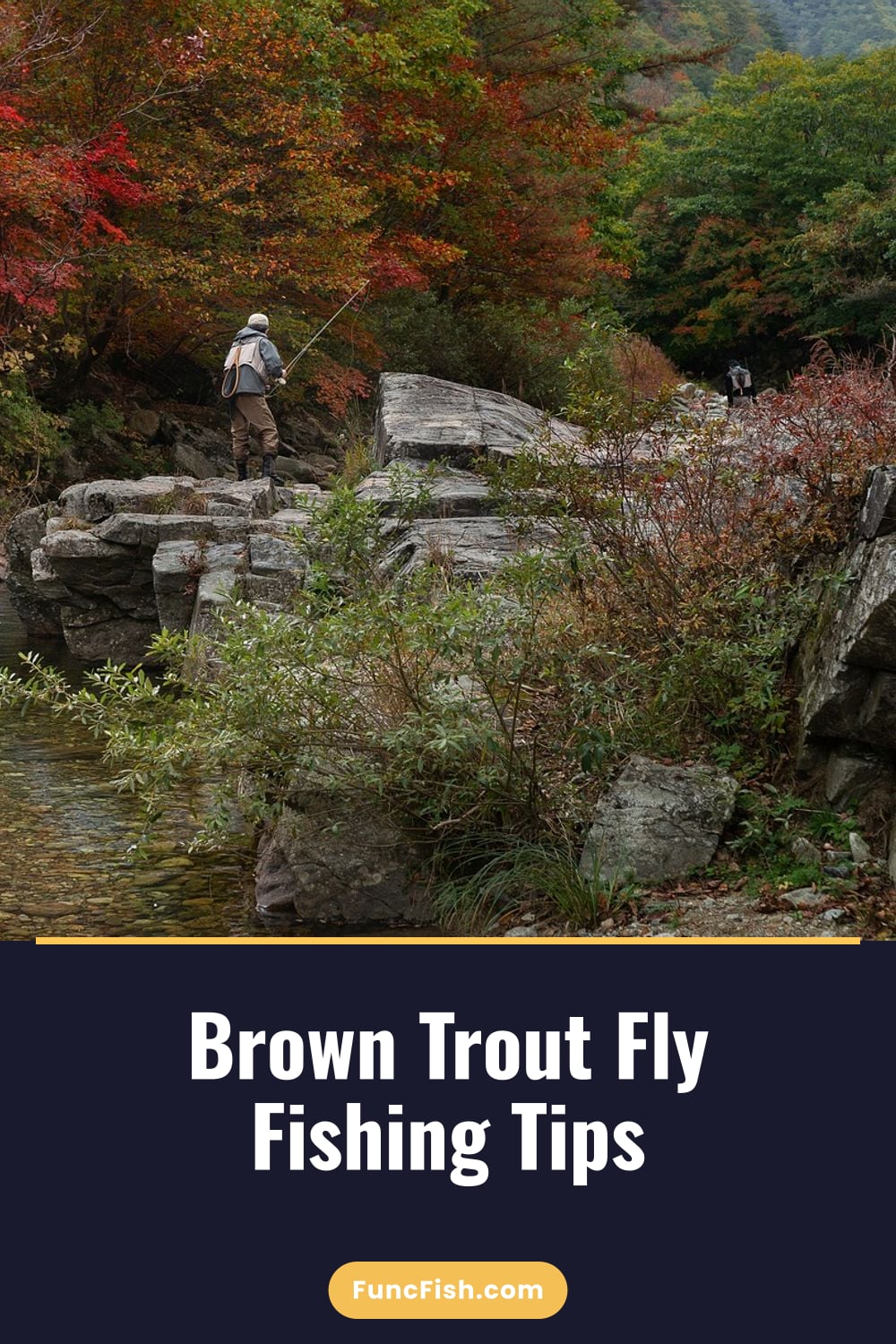
Brown trout are fish that can turn reasonable angler into anglers who is obsessed with finding areas of moving water to fish. Brown trout have a distinct wariness of humans and only eat specific types of food that are commonly found in areas where these fish live. Due to these specific traits of brown trout, anglers who master the techniques necessary to catch these fish with a fly rod will find it to be a significance achievement.
Whether you are fishing in the Rockies or the Northeast, brown trout demand the attention of the angler. Brown trout reward those who take the time to learn their habits and patterns with impressive runs with the fish on the fly rod, and the spotted side of brown trout is beautifuly. Although it may seem that the learning curve to fish for brown trout is steep, the effort that is required to master the basic techniques will pay dividends in the number of brown trout that is caught by each angler.
There is no single technique for catching brown trout, but there are a group of techniques that experienced anglers use each season when they fish for these fish. Each of these techniques will be covered in the following sections of this article. One of the first techniques that anglers should apply is to understand the preferences of brown trout for structure in areas that contain low level of light.
Effective Techniques for Catching Brown Trout
1. Seek Out Low Light Structure
Brown trout will typically be found near banks that have undercuts, root wads, or deep pool areas in which they feel they can quickly exit to eat without exposing themselves to potential predator for long periods of time. For this reason, the majority of fishing efforts should be cast within one foot of this structure, especially during the hours in which the sunlight is most intense. The largest brown trout are often located in these same areas, so the fly will come into contact with the leaves growing from the banks prior to the fly reaching the water’s surface.
2. Match the Hatch
This practice should never be a mistake when fishing for brown trout. Understanding how to match the hatch is another essential skill that an angler should have. Brown trout do exhibit an almost obsessive focus upon specific insect.
However, they are also known to be opportunistic in their feeding habit. An angler needs to understand which life stage of the identified insect is the focus of the trout. For instance, if mayflies are abundant in the area, trout will often be focused on nymphs and emergers instead of mayflies that have surfaced to the water.
3. Select Appropriate Leaders and Tippets
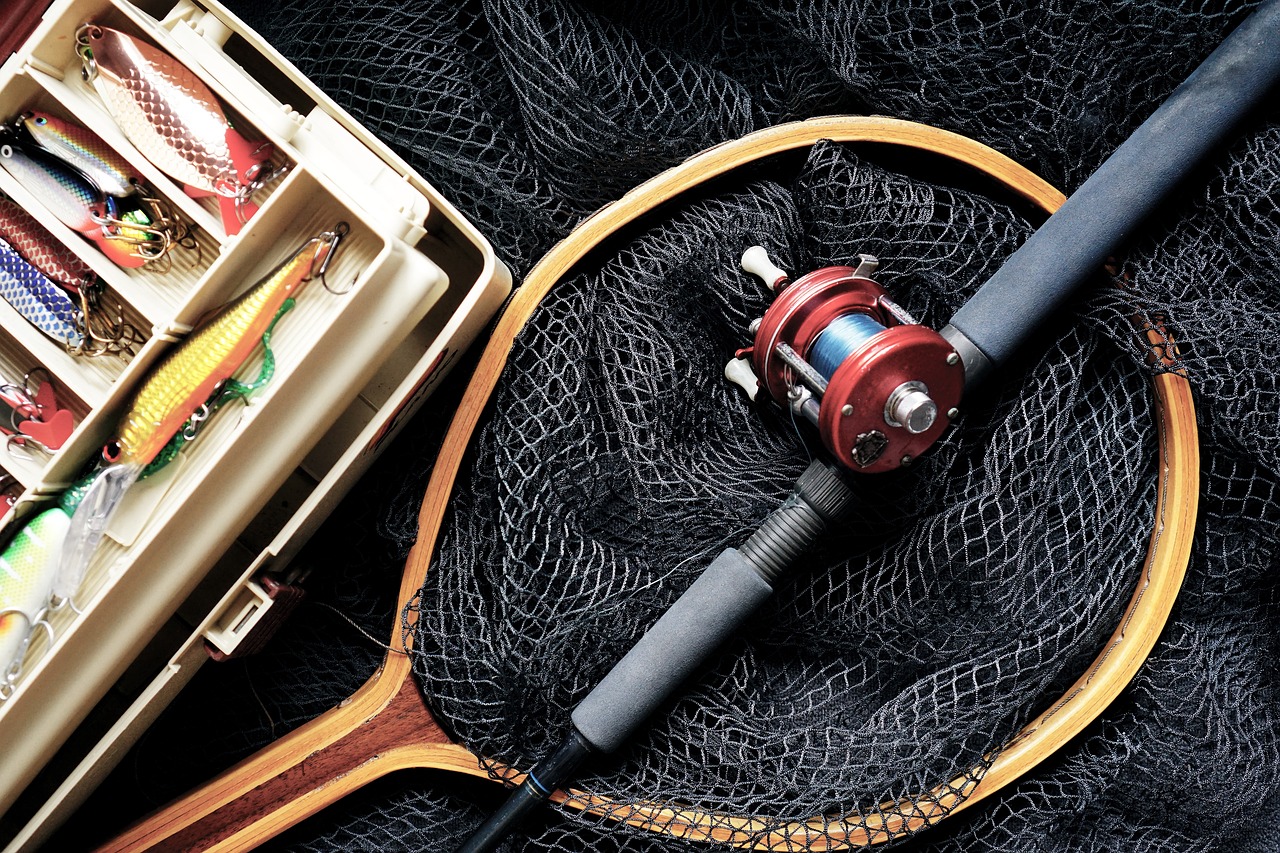
By understanding where the fish are focused, anglers can better determine the type of bait that they will use. The leader and the tippet that are used in fishing for brown trout can significantly impact each angler’s day on the water. Most inexperienced anglers often use leaders that are too thick and too short to provide the proper sight lines to the fish.
An appropriate leader for brown trout is one that is twelve feet in length and features a taper to 5X or 6X. The extra length of the leader will allow the fly to reach the fish without the shadow or drag of the fishing line from the leader ruining the presentation of the bait to the trout. Additionally, 7X tippet is necessary when fishing for brown trout with size 18 flies or smaller in spring creeks. The downside to using 7X tippet is that more fish will be lost in areas with strong current, forcing anglers to have spools of fishing line and to learn to tie knots quick during fishing efforts.
4. Identify Preferred Water Habitats
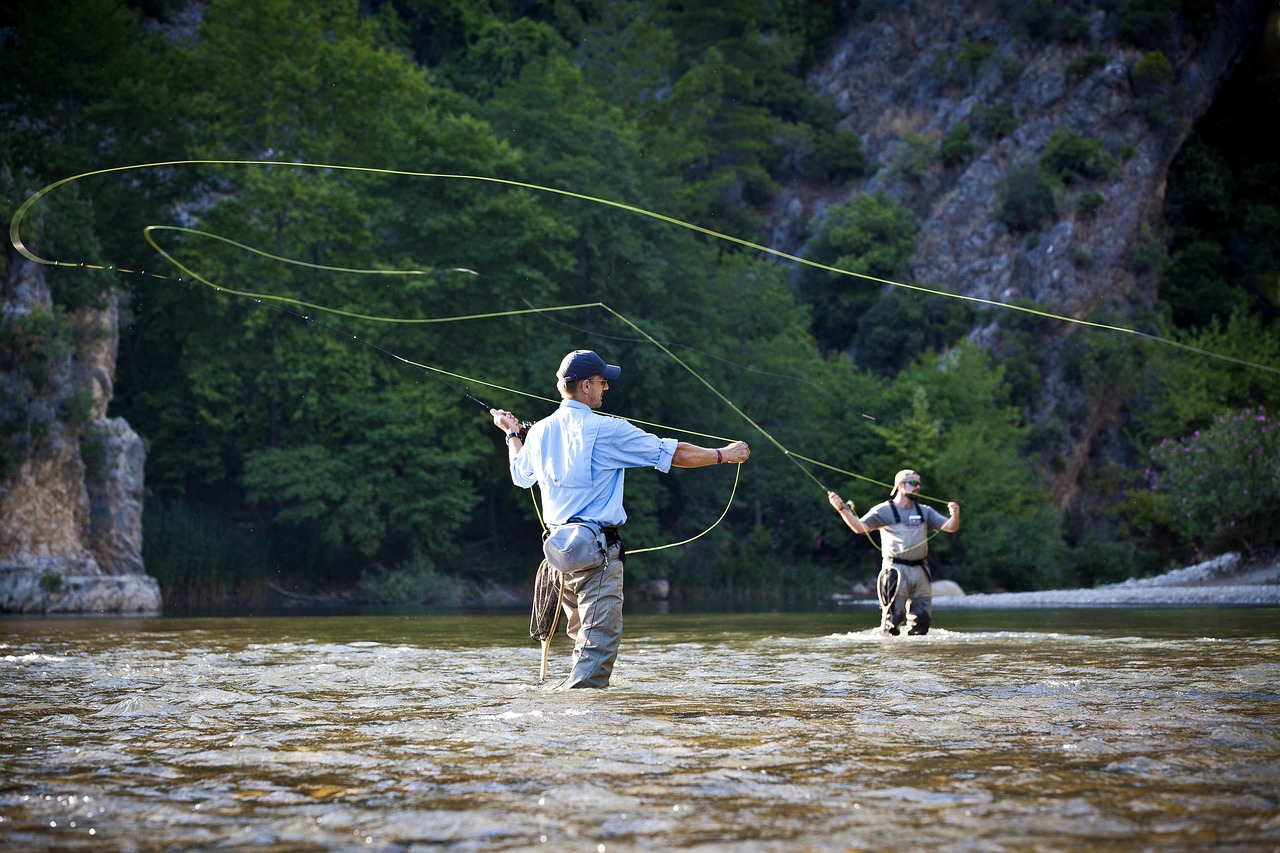
An angler’s recognition of the type of water that contains the most brown trout is almost subconscious after many seasons of fishing for these fish. However, a conscious review of the type of habitat that brown trout prefer can improve an angler’s chances of success. Brown trout tend to like lies in the water that contain both overhanging branches for cover, areas where food are abundant, and areas deep enough for the fish to feel comfortable.
Such locations may contain seams in the lies in the water, tailouts of pools, and shaded areas behind boulders. Areas that are perfect during the day may be devoid of fish during the hours following dusk, as the angles of the sunlight change throughout the day. The fish will move to different location within the water that allow them to remain in these preferred features.
5. Master Fly Presentation
The way that an angler presents their flies is more important than the pattern of the fly. An average fly that is presented properly will catch more fish than a perfectly designed imitation that the angler drags across the water. Upstream fishing for mayfly imitations or nymphs that is fished beneath an indicator will be more successful than casting flies across the water into the trout’s path.
Anglers should practice fishing upstream and across the water to perfect these techniques. A belly in the fishing line indicates drag, which will alert the fish that there is an intruder into their feeding ground.
6. Fish During Optimal Times and Temperatures
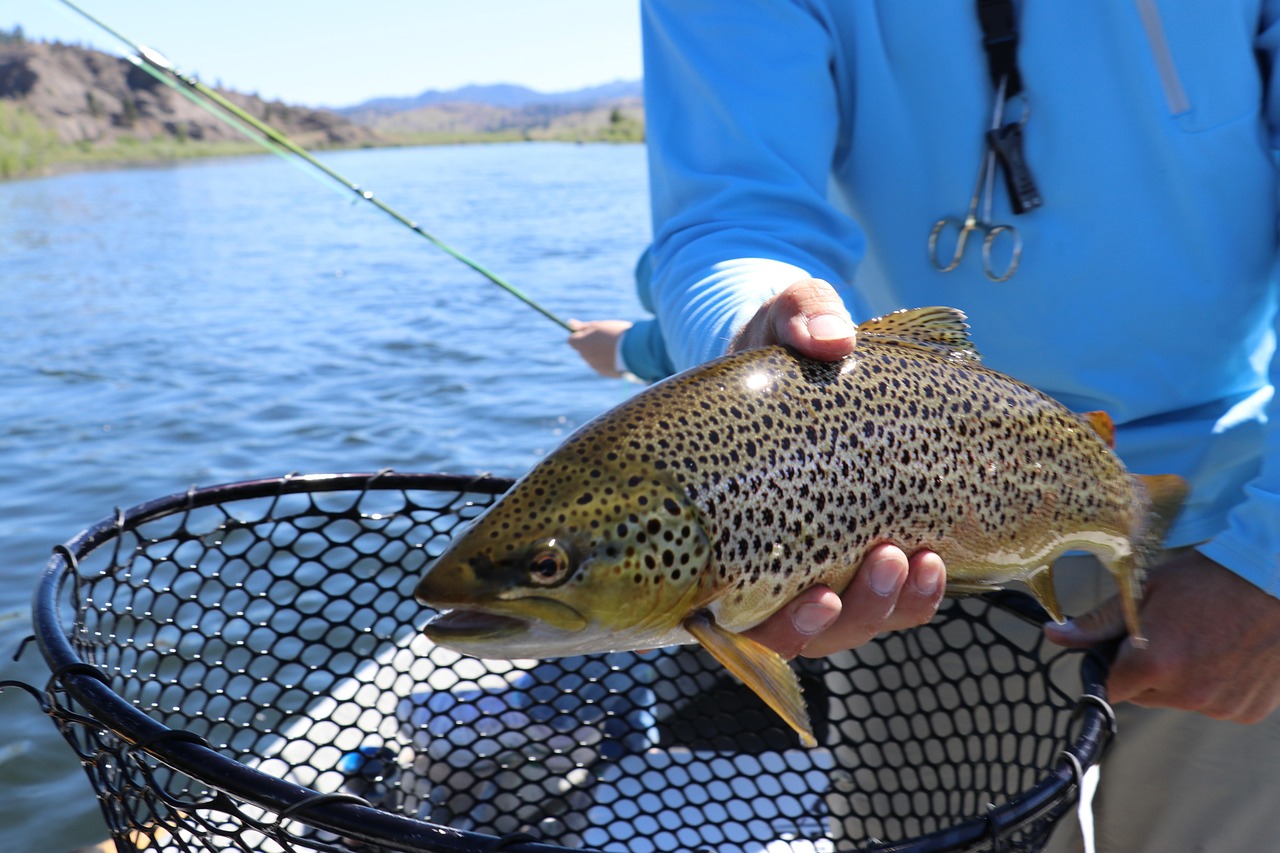
The best times of year to fish for brown trout are when the water temperature is between 50 and 65 degree. Additionally, early mornings and late evenings tend to draw the most activity from brown trout. In the summer months, brown trout will likely be found in deeper area or areas with spring influences to the water. In the spring months, anglers should be watching for the first hatches of blue-winged olive.
7. Maintain Stealth and Low Profile
A requirement for anglers fishing for brown trout is stealth. Brown trout have lateral lines that sense the vibration caused by individuals with heavy footsteps along the banks. When approaching areas where fish are taken, anglers should take the perspective of a twenty-inch brown trout viewing the angler from the bank. Anglers should fish from a low profile in bright colors and approach the water with the same grace as an individual coming up from behind a skittish horse. The largest brown trout are typically caught by those who take the extra ten minutes to fish from behind the fish rather than directly into the fishing spot from below the bank.
8. Focus on Essential Fly Patterns
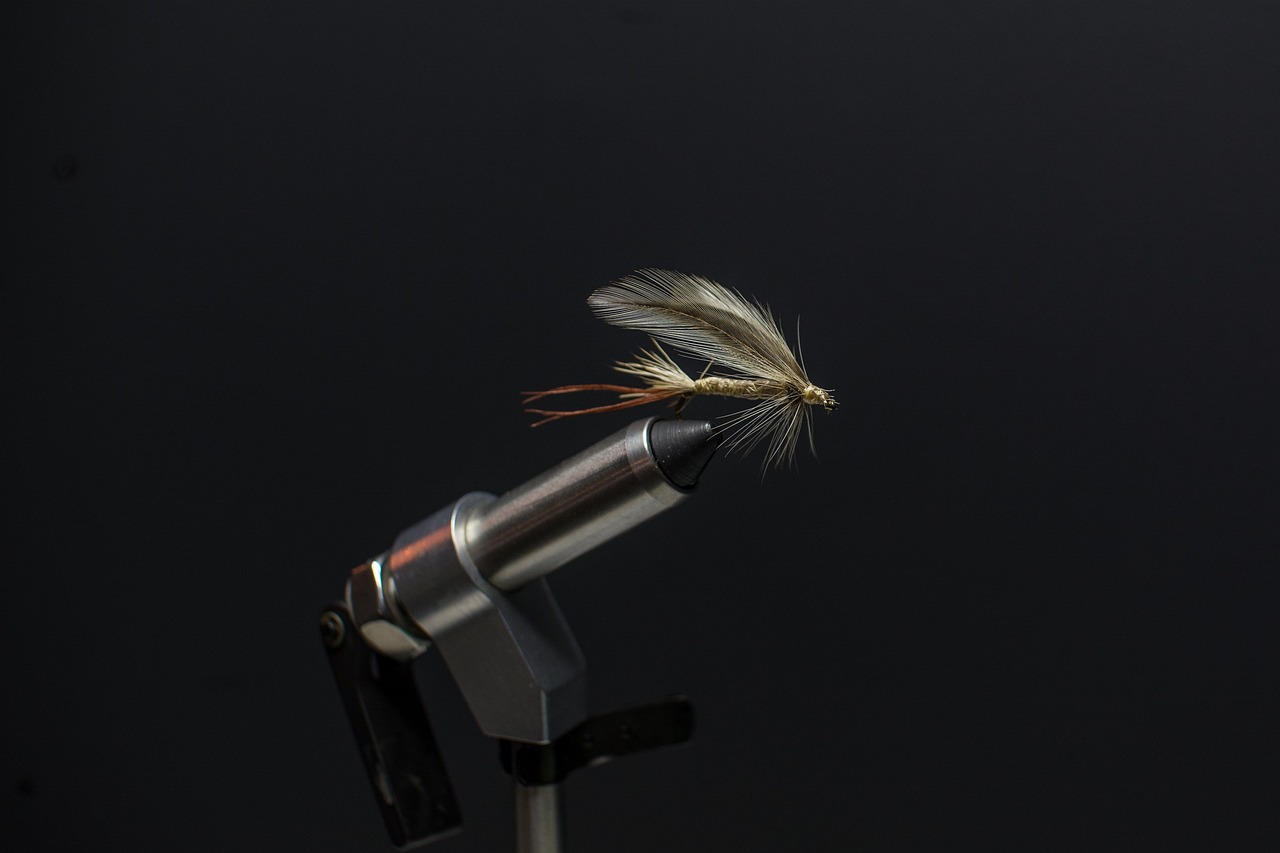
An angler should focus their efforts on four different type of flies rather than having knowledge of dozens of varieties of flies. A good Adams, an Elk Hair Caddis, a Pheasant Tail nymph, and a Hare’s Ear will allow anglers to fish most situations in which the fish may be located. Additionally, larger brown trout may be best targeted with streamers, such as a woolly bugger or an articulated sculpin. Additionally, the retrieved speed of the fly should match the water and the mood of the fish. Water temperatures that are lower in the water will require the angler to retrieve their flies at a slower pace. Finally, anglers should keep a journal or utilize mental notations of the types of flies that were successful in specific areas of the river with specific types of water. Brown trout have a habit of targeting specific spot within their respective rivers. The type of fly that was successful in catching brown trout last October in one spot will typically be successful again this October in the same area if the water conditions are similar to those seen last year. These notations over the years will develop into expertise in fly fishing that cannot be replicated from the advice of an individual at the local tackle shop. Although the fish and the rivers may change over time, the trout will always display these behavior for anglers who pay close attention to their habits. Despite how much anglers know about brown trout, there is still some information that remains a secret. The fact that brown trout have secrets is part of the charm of these fish. Each year that anglers spend fishing for brown trout provides them with more knowledge of the habits of the trout, but also introduces them to more secret of the species. Anglers will always find it challenging to compete with the knowledge of the fish, but it is this challenge that draws anglers of all ages back to the water’s edge and the adventure of fishing for brown trout.