
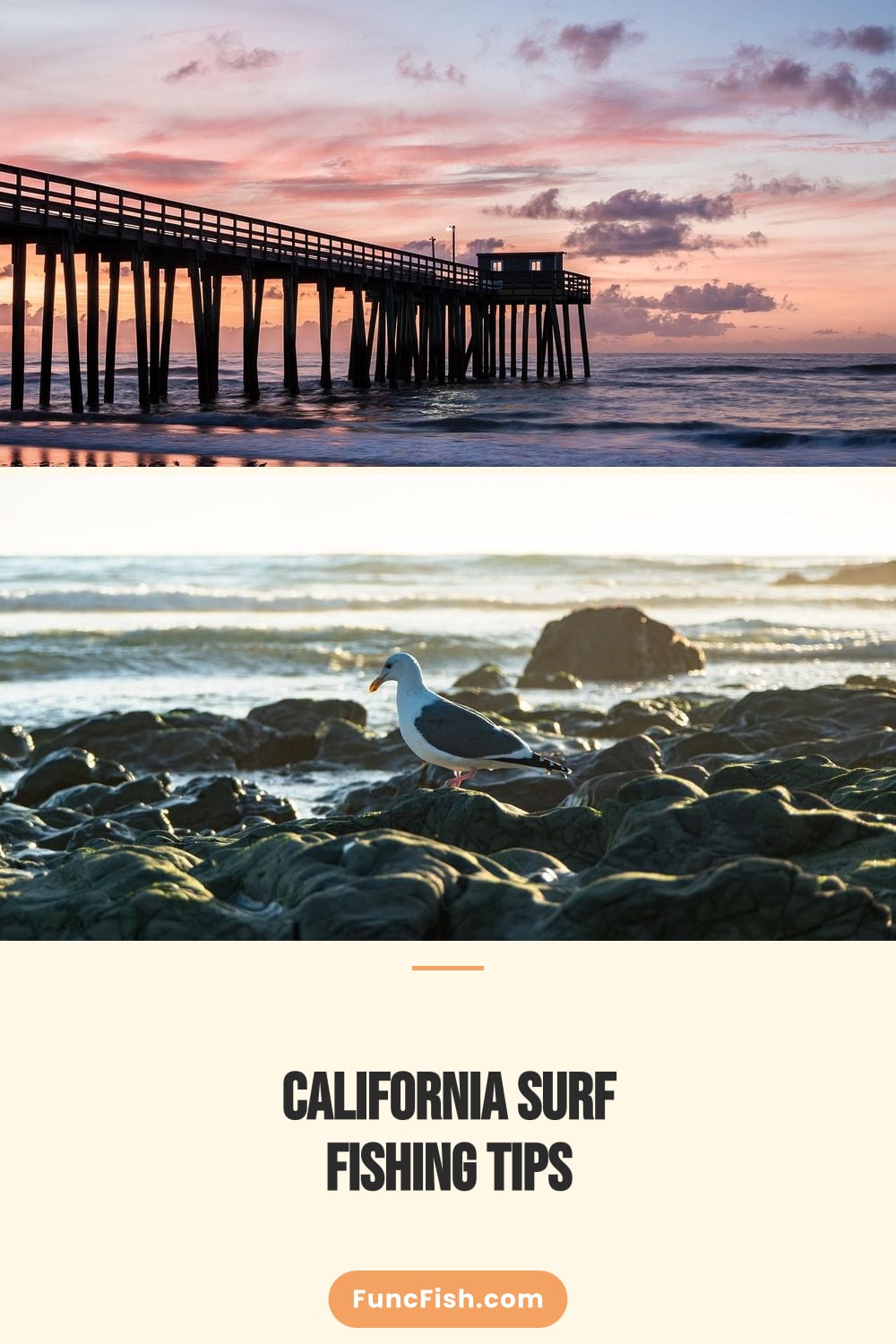
Free access to quality water along the shore makes California surf fishing such a great activity. No boat required, just throw that bait out there in the Pacific. It’s easy and you don’t have to break the bank on equipment.
All you need is a rod, a reel, and some patience in the wind. The key is to read the water, it shifts hourly. Follow the fish as they follow the tide.
Adjust accordingly. The mistake of many newbies? Expecting the ocean to be like a lake.
Looking for something stationary. But the surf are dynamic. No more fishing static hole.
Now it’s targeting shifting channels and moving sand bars. Guessing doesn’t apply here; the current shifts with each tide. These water-reading and gear-selection tips will get you catching consistenly.
They’ll keep that hook in your hand longer then others’, while keeping you dry too. Here’s what works when you’re standing on California current. Study the tide chart.
Seven Essential Tips for Successful California Surf Fishing
1. Read the Tide Chart
The first thing you want to do is read the tide chart. Most guys just check high/low time, but that’s not all of it. You really want to know how much water will be flowing during that period.
The incoming tide is going to push baitfish onto sandbar where they get sucked up with predators such as surfperch and halibut following closely behind. If the tide is slack, then you won’t get any bites. There’s no current pulling food around.
Look for lines on your graph that has steep rises, not flats. These show where the current is flowing, and active fish like moving water. For a good surf casting setup, purchase a spinning reel capable of handling heavy line and invest in a long rod.
2. Select Proper Surf Rod and Reel
Don’t make the mistake of purchasing a seven-foot bass rod like many newbies do; they doesn’t work for surf fishing. Instead, use a nine- or ten-foot, two-piece surf rod to throw distance without wearing out your shoulder. Combine it with a size 50 or 60 spinning reel spooled with 30-pound braided mainline paired with a 25-pound fluorocarbon leader.
That will give you enough weight to get the bait beyond the whitewash. It also provides abrasion resistance when battling on rocky bottoms and kelp bed. A long rod also ensures that you’re out of the splash zone, keeping you dry and focused.
It is not exactly flat sand. Instead, look for channels and rips that lead away from shore. Deep water channels running parallel to shoreline create dark streaks or patches.
3. Locate Channels and Rip Currents
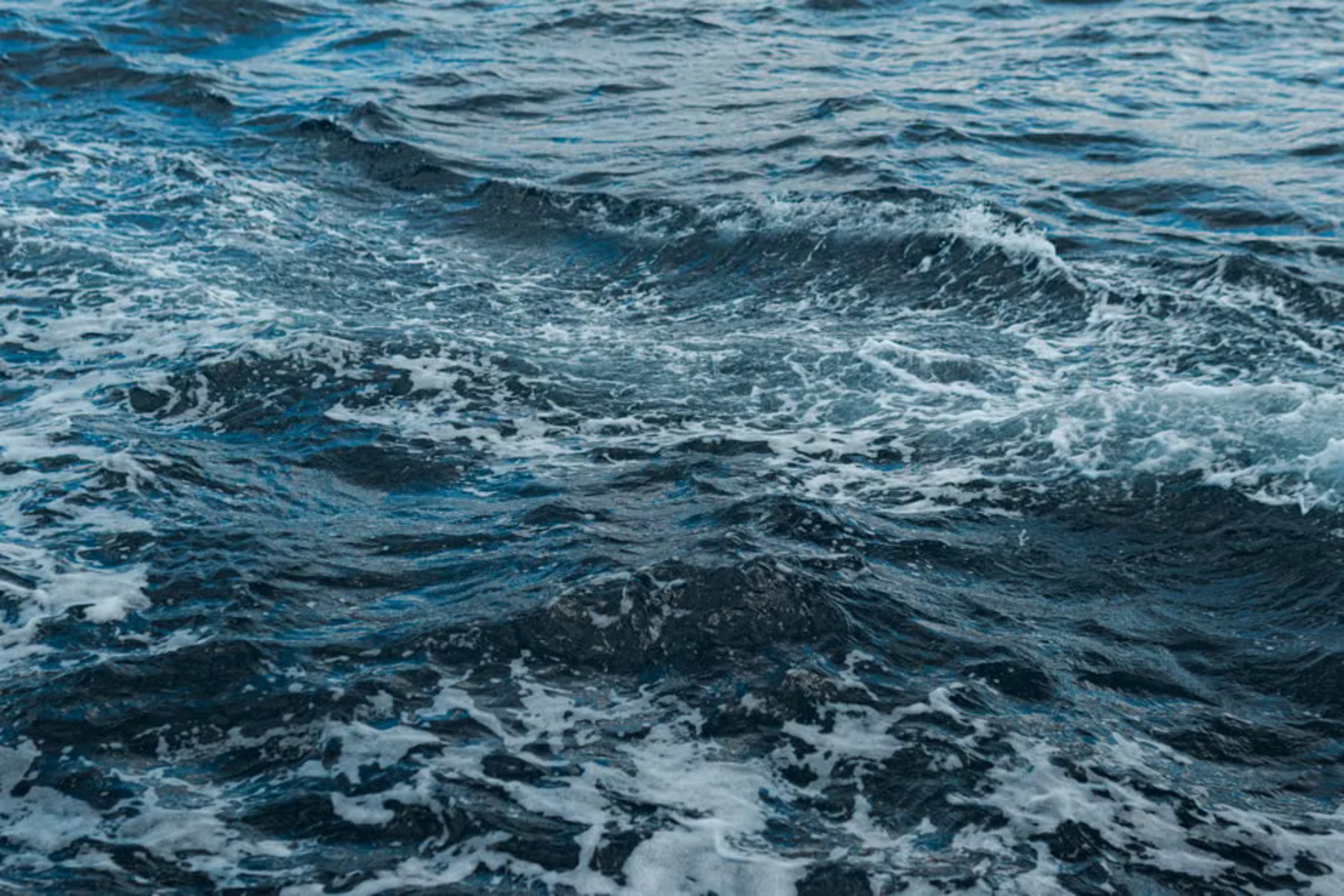
Fish will congregate here to escape getting blown onshore. When you notice a rip current, don’t throw your bait straight into the most violent area. Instead, aim just off the edge of the current.
Your bait needs to be positioned at intersection of slow and fast water. In other words, that is right where the predators likes to hide. They can easily ambush unsuspecting prey.
This is prime real estate. Locate ’em before anyone else does. Use fresh local bait whenever available.
4. Use Fresh Local Bait
Use items that mimic what halibut, rockfish, and yellowtail bass eats naturaly, such as fresh mussels, sand shrimp, or squid strips. Frozen baits also work well, especially in heavy current. Presentation is critical.
You want your bait to ride with the swell and not fight against it. A dangling, stiff weight is a dead giveaway to any predator in the sea. Watch the ground Structure creates ambush points, and transitions are where those opportunities hide.
The look and feel of sand beneath your feet is a giveaway. Coarse, light-colored sand typically means harder bottom. Darker wet sand generally signals deeper water or kelp beds.
5. Identify Bottom Structure by Sand Color
Soft mud lets halibut tuck in and cover up. Stripers like the harder rocky stuff. Wherever there’s a change from one type of sand to another, make a few casts along the edge.
If you’re like me, don’t fish windy days when you have to stand in rising swells. It’s uncomfortable, it makes casting tough and the wind can blow those fish all over the place. Fish on a calm day with an outgoing tide early in the morning or towards end of the day.
6. Fish Calm Days with Outgoing Tide
During those periods, the light will reflect well off the water and you’ll be able to see the waves and fins better so you can accurately adjust your cast. In this situation, patience is more productive than being aggressive. Know the regulations before you leave the house.
Fishing laws are different from region to region and each year in California. Some areas has size restrictions, others have bag limits, others still protect certain fish (leopard shark, garfish, etc.). If you catch an illegal fish you will be fined heavily and ignorance of the law is no excuse.
Carry a hard copy of the current marine sport fishing regulations in your pocket. It takes seconds to verify your catch is legal, but failing to do so can result in heavy fines and wasted effort. Even if you intend to fish for just two hours, bring sufficient drinking water and food for at least four hours.
The sun’s reflection off the water and sand can make you become very dehydrated very fast. In colder months, hypothermia becomes a possibility due to the rapid loss of heat from wet clothes. Waterproof boots are better than cheap sandals or bare feet.
Dress in layers and be prepared for unexpected sharp rocks or shells underfoot. Your feet will appreciate it. When comfortable, your mind is on fishing, not survival, allowing you time to concentrate on the tackle.
Respect fellow anglers because surf spots get packed in a hurry on weekends and holidays. The twenty-foot rule applies to personal space on each side so that there are no conflicts about who’s casting where. Don’t encroach on another angler’s turf if they’re already settled into an area.
Locals will welcome you back to sweet spots with good sportsmanship. Angering the community lowers your chances of fishing well next time. In the long term, you will learn the moon.
7. Track Lunar Cycle and Tides
The lunar cycle drives tidal strength just as much as the sun does. Currents are strongest, meaning better fishing during spring tides, which is associated with both new and full moons. Neap tides is associated with quarter moons and can lead to poorer, weaker days on the water.
Make a note on your calendar to make the most of your time on the water around these times of stronger current flow. You might not be able to predict the weather or the fish, but you can control when you get there. Now go back out on the water with your notebook in hand.
Did the spots have fish? Which tide stage yielded the bite? What bait was working?
Once you’re inside again, memory becomes fleeting. A few notes will form your own personal database from which to improve your game. Soon enough you’ll begin to notice trends you couldn’t see beforehand: Certain conditions lead to certain catches.
That knowledge doesn’t have a price tag. It’s worth far more than any luxurius lures. The ocean doesn’t give away its secrets lightly, but it pays off for the observant angler.
Adapt fast, stand long, and look closely. Often, the best catch is the one you earned because you paid close attention, rather than got lucky.