
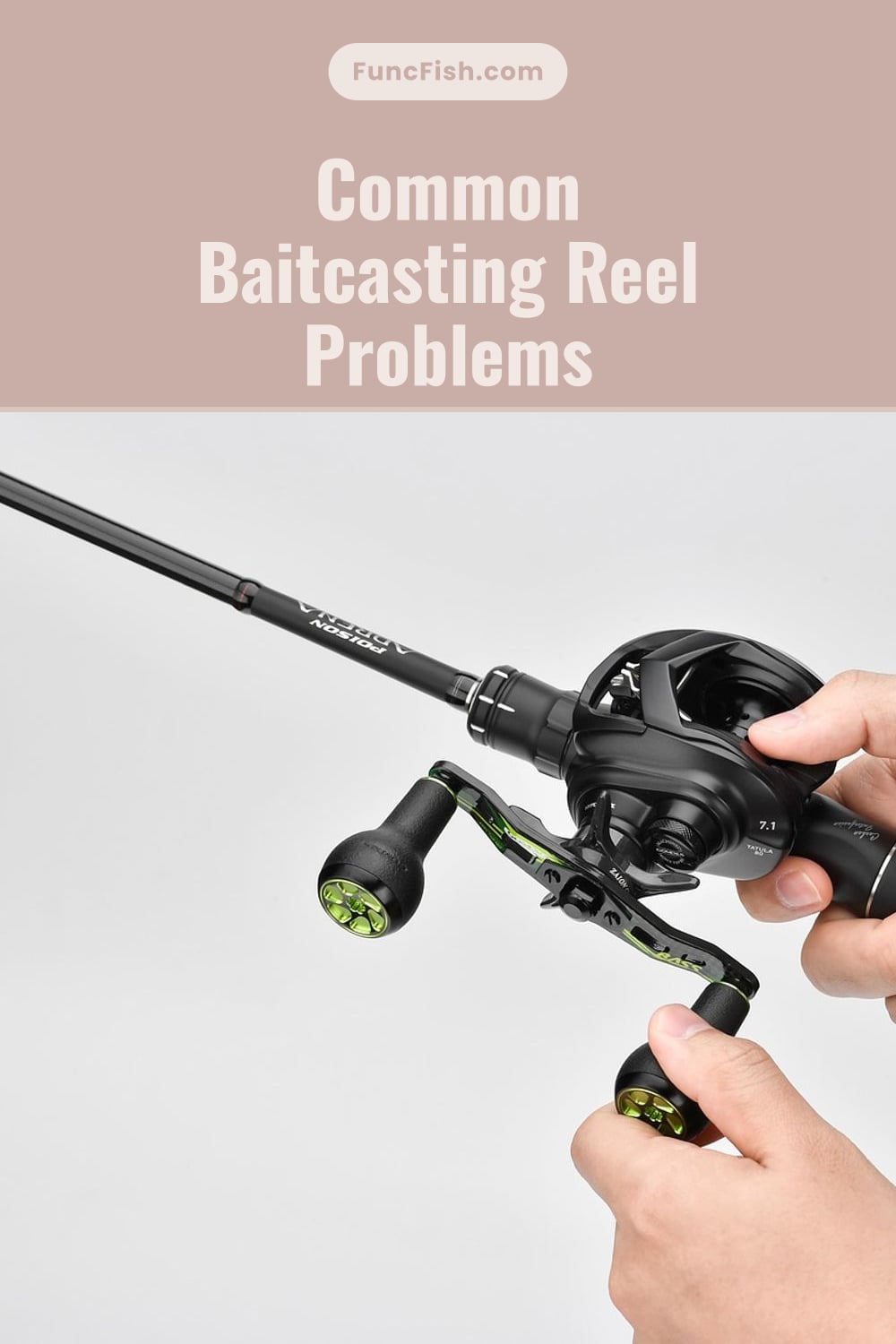
A baitcasting reel bring satisfaction when you make a great cast. Line smoothly come off the spool, the lure drop into water cleanly and the drag engages. You replaced spinning reel with more power and accuracy.
But with this mechanical perfection comes the need for patient practice and coordination which many novices undervalue. Suddenly handle is dragging. Or line twists itself up into a mess before exiting rod tip.
The good news: This is more related to misuse than malfunction. Once you know potential problems, your mind move away from blaming machine to perfecting the technique. In general, casting flaws with a baitcaster derive primarily from drag mechanics, brake systems and spool tension.
Tackle these problem spots systematically, and more time will be spent with line in water. Not twisted around on the spool. A common complaint I hear is the dreaded backspin tangle.
Common Baitcasting Reel Problems And How To Fix Them
1. Backspin Tangles
What happens here is that lure slows in flight while the heavy spool keep on spinning fast. All of this extra line gets wrapped up on itself and onto lure until it’s knotted. The tangle is hard to unravel and the reason is almost always insufficient magnetic braking or centrifugal friction.
2. Magnetic Brake Adjustment
Too many guy have their brakes turned down far because they desire longer casts. That’s not good. In most freshwater situations, you don’t need long cast; you need accurate ones.
Turn your magnetic brakes all the way up and then work your way down as you grow comfortable with it. Ideally, you want your spool to stop nearly dead upon leaving your thumb. The second frequent mistake I see people make is having the drag tension on their star drag turned too high for what they’re fishing.
3. Star Drag Tension
Your star drag is what determines how hard you need to turn handle before the drag kicks in and allows line to slip off the spool. This mean that if you have it turned down hard, you could of pulling a hook out of fish’s mouth or snapping a light leader when a fish make a sharp strike. How do you know if you have your tension right?
It’s pretty easy. Simply hold rod tip pointed upward and let the reel dangle freely. Using your free hand, gently pull back on the line.
You want the spool to spin enough to allow line to come off but not jerk violently. As long as you’re pulling fairly firm, but not even causing handle to budge then you have it too tight. Loosen the star drag slightly until there’s just a little bit of give in it so the fish has time to get away from you without breaking connection instantly.
4. Line Memory Issues
Kinking and looping in your cast is a sign of line memory. Fluorocarbon and braid hold the coiled shape they assume when sitting on spool for an extended period of time. That mean it doesn’t come off smoothly, causing problems with casting accuracy.
The line will come off the spool in loop. These loop can cause tangling issues with lure and uneven tension on fish throughout the fight. The solution?
Learning to load your line correctly. Don’t just move the line directly from spool to spool. Use a line conditioning tool instead.
Or, tie your line to an existing line and pull it back into the reel by gently cranking it while putting light tension on it. That will stretch the lines memory out. If you are using braid, a few minutes soaking the spool in warm water before you wind it down can also be helpful in relaxing the fibers.
5. Drag System Maintenance
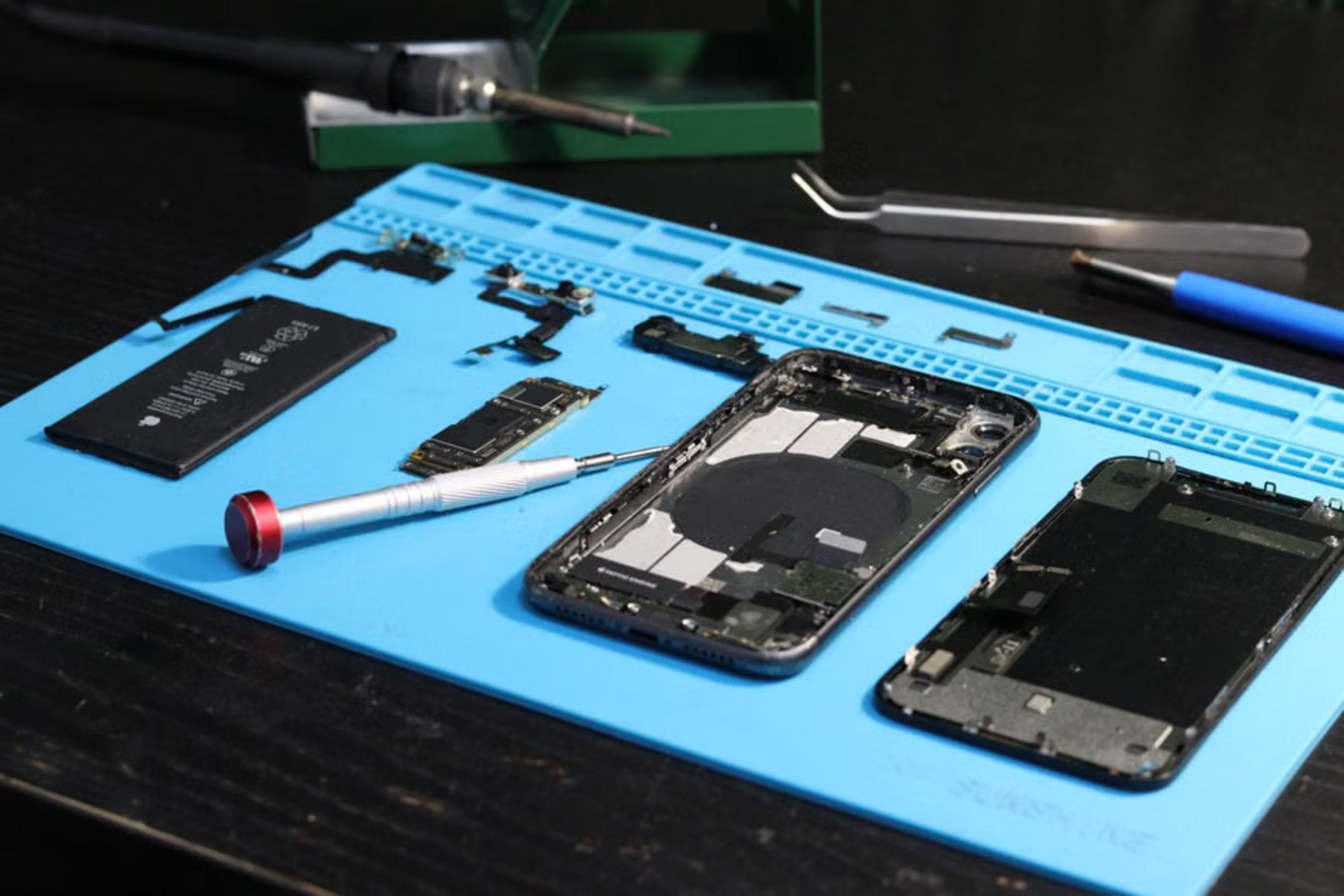
Failing to maintain your reels can cause drag issues. Your drag system consist of a series of stacked pads (felt or carbon fiber) which need to be clean and lubricated. Over time they will collect dirt, sand, old grease and other junk which causes your drag to “jump” or stick instead of slipping smoothly.
This is dangerous when hooked into big fish that makes an unexpected run. If you fish in dirty water, you must disassemble the drag stack at least once a year. Clean the pads with fresh rodent kill solvent or mineral spirits, then apply a thin layer of drag lubricant specifically designed for this purpose.
Never use regular grease. Regular maintenance guarantees your drag will react the same way when fish decides to run for cover. Handle wobble can also throw off your rhythm during long retrieves.
6. Handle Wobble Fixes
The design of the gears inside the reel will cause some play in the handle. That is natural. But loose screws and worn out bearing result in too much shaking.
Make sure you check handle screw and that it is snug against the wrench flats. If it doesn’t stop wobbling when tightened then you might have a worn out main shaft bushing on your hands. These are all issues that take a change of thinking to solve.
It’s not only about casting line. There is also an element of friction and energy management involve. Your reel isn’t just a place to store tackle, it’s a part of your technique.
Clean up the mechanics, respect the drag and master those brakes. Then, the tangles go away and precision comes back. A smooth cast is no longer an exception; it’s the moddern norm.