
An anchor that does not properly function when needed can ruin an otherwise perfect day on the water. You may drop an anchor as a means of leaving the boat in a specific spot while you are fishing or while you are swimming or while you are looking at the view from the boat. However, the water currents may cause the movement of the boat to cause the boat to drift halfway across the cove after only a few minutes of anchoring.
This scenario is both disappointing and potentialy dangerous for those on the boat. A reliable anchor is a necessity for either calm water or for waters that contain many shipping lanes. Boats often reveal their flaws during bad moments.
The problems caused by the anchor are not typically experienced during calm weather and waters. Instead, these problems typically show up during periods of increased wind, increased tides, or decreased visibility. If you are aware of the most common problems with anchors, you can avoid these problems or recognize them before they become very expensive to fix.
The following list explains the issues that experienced boater can experience. These types of issues are the ones that have ruined many afternoons on the water for others. By paying attention to the details of this list, boaters can enjoy the water more and spend less time motoring back to the spot where the anchor is lost.
Common Problems That Can Ruin Your Anchoring
1. Fouled Anchors
Fouled anchors are the most common problem that is experienced with anchors. Fouled anchors are typically created when the anchor becomes stuck to an object with which it is not able to disengage from. These objects can be rocks, dock pilings, or even underwater cable.
If the flukes of the anchor are forced into these objects at an angle, the rode to the anchor will become tight, and the boat will not be able to perform enough force to disengage the anchor from the spot upon which it has set. This situation is typically recognized by feeling the tightness of the rode and recognizing that the bow of the boat has dipped and the boat is not moving from its location. Many boat owner do not consider the potential for this problem until it occurs.
The anchor is performing its primary job of holding the boat in one spot, but too well. The anchor is in the wrong spot. To avoid this problem, boaters should have an understanding of the bottom of the waters in which they plan to anchor their boats.
The best way to gain such knowledge is through experience and through knowledge of the waters in which the boat will be moored. If those waters are known to contain foul bottoms, the installation of a trip line can help to avoid fouling of the anchor. A trip line can be attached to the crown of the anchor with a buoy attached to the line.
While this adds to the number of pieces of equipment on the boat, this will save the owner of the boat from losing the anchor or spending the money to purchase a new one. While adding more equipment can increase the risk of creating additional problems on the boat, the peace of mind that is experienced by installing a trip line is typically worth the additional gear. The second most common problem with boats and anchors is referred to as scope problems.
2. Scope Problems
Scope is the measurement of the length of the rode to which the anchor is attached to the depth of the water. If the length of the rode that is attached to the boat is too short for the depth of the water, the anchor will not be able to fully lay flat on the ocean floor. If the anchor does not fully lay on the ocean floor, the shank of the anchor may lift from the ocean floor and the anchor will begin to drift from its intended spot.
Experts recommend that the ratio of the length of rode to the depth of the water is set to at least a seven to one ratio under normal conditions. In areas of rough and stormy weather, experts recommend even more rode to provide for the increased likelihood of the anchor drifting. A ratio of seven to one may suggest a great deal of rode to those who are used to understanding ratios, but the rationale behind the lengthy rode will become clear if the boater watches the GPS for their boat to drift backwards from the location at which the anchor was dropped.
Many boaters may not accurately understand how much rode they need to ensure that their anchor will have enough length to lie flat on the ocean floor. In addition to the distance from the boat to the anchor, the height of the bow of the boat must also be factored in to determine the total length of rode required. For instance, a thirty-foot boat in fifteen feet of water may require more than one hundred feet of chain and rope to anchor properly.
While it may seem unlikely that a boat captain would desire to use so much rode to anchor their boat, the short length of rode is the cause of most drifting boats. The third of the major problems with boats and their anchors is the lack of maintenance that is sometimes performed on the rode components of the anchor system. The rusting of one or more links in the rode or the fraying of lines made up of only three strands of rope is a problem that typically goes unnoticed until the chain or rope fails.
3. Lack of Maintenance on Rode Components
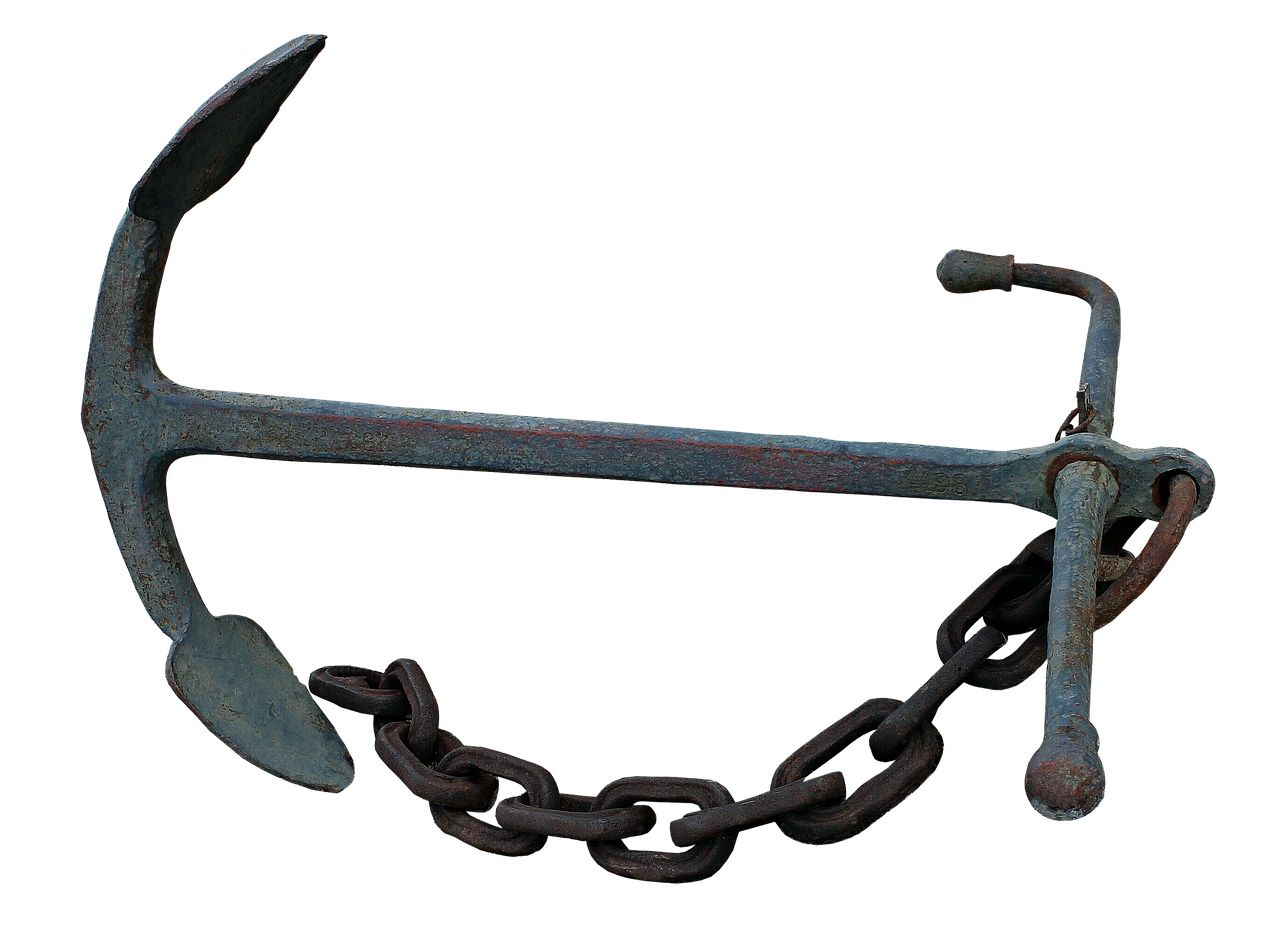
The corrosive elements of the salt water can weaken the metal of the chain or the fibers of the rope in ways that are not visible to the owner of the boat. While it may be tempting to skip the visual inspection of the rode prior to departing from the marina, the consequences of skipping this inspection may include the loss of not just the anchor and rode, but potentially the boat itself. The following scenario is one example of the dangers of failing to maintain the rode that attaches to the anchor.
The cruise boat that was traveling with a primary anchor lost that primary anchor when a squall rolled over the boat; the link in which the primary anchor was attached to the rode was rusted to the point where it was unable to withstand the force of the wind. Consequently, the boat owner now has a spare rode and performs inspections of the spare rode with the same care with which they inspected the primary rode. While the actions of the boat owner may seem excessive to others, the boat owner has learned from this problem and sleeps better at night as a result.
Likewise, other boaters will sleep better if such problems can be avoided. Using the wrong type of anchor for the type of ocean floor upon which the anchor is to be placed is a problem that is experienced by many boat owners. For instance, Danforth anchors are designed to work well on bottoms of oceans that contain soft mud; the anchor may slide on sand or rocks.
4. Using the Wrong Anchor Type
Similarly, plow and spade anchors are likely to work well on bottoms of oceans that contain grass or sand; such anchors may not be effective in being able to reset if the direction of the wind changes. Bruce anchors are among the most forgiving anchors; they will work on many types of bottoms but typically require the presence of sediment of sufficient thickness over a rock to effectively set. Most smart boat owners understand that they should have at least two different types of anchors on their boat.
The placement of these two anchor types is typically considered according to the weather forecast that is available to those boaters. While it is true that having two types of anchors will add to the weight of the boat, and while having two types of anchors will require that those who own the boat and operate the boat make more decisions while the boat is being anchored, the advantages of having two different types of anchors will likely outweigh the disadvantages. In situations in which the ability of the anchor to remain in one spot is likely to be poor, many boaters will set two anchors at the same time.
Instead of setting one anchor that may fail in the face of poor holding power, two anchors will provide more security for the boat when it is at rest. This added security comes at the cost of requiring more time to set two anchors and to gain experience in the skill of setting two at once. Windlasses are devices that are often electric-powered.
5. Windlass Failures
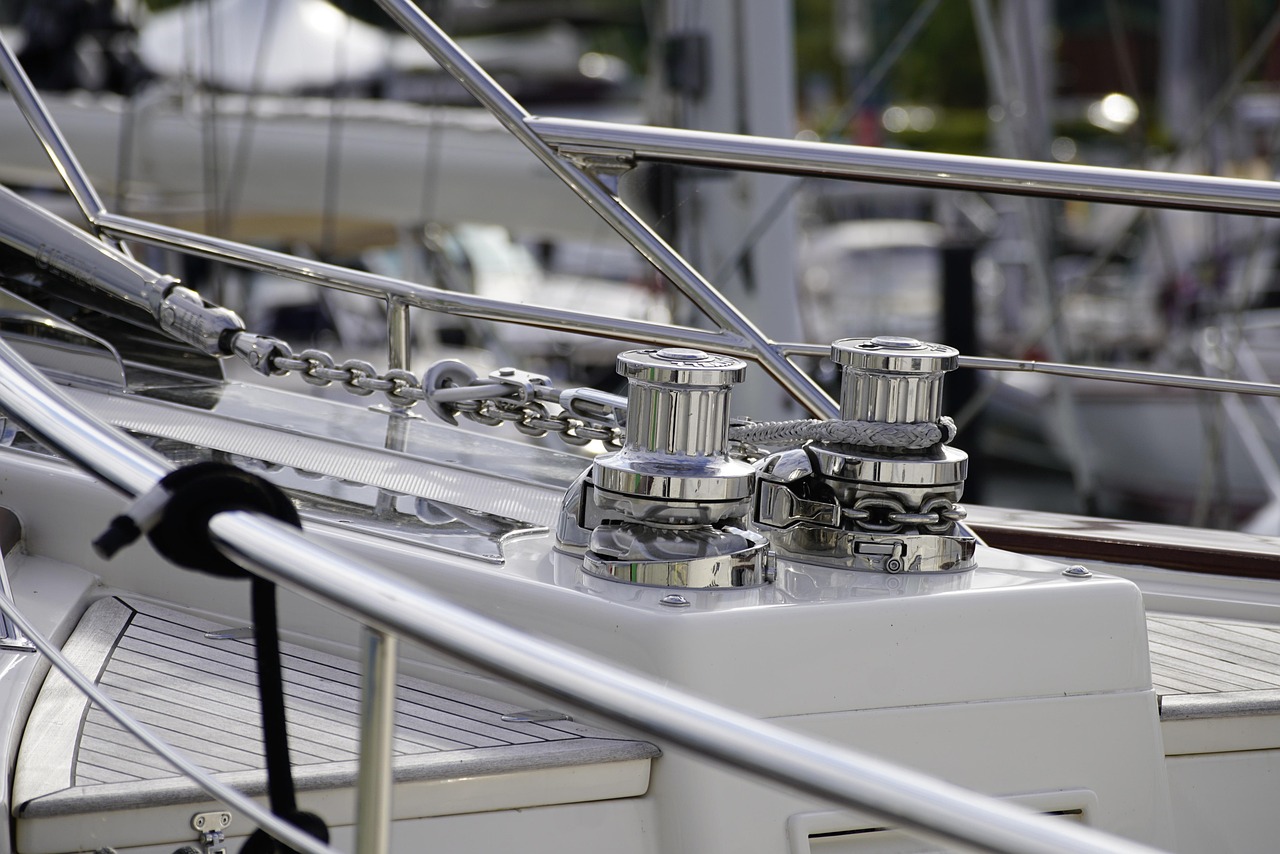
These electric windlasses make it easy for boat owners to move the heavy chain of the anchor. However, if the boat is experiencing a failure of the electric windlass, such as a sticking solenoid, an overheating motor, or a tripping electrical breaker, the boat owner will need to haul the anchor and chain by hand. While hauling forty pounds of chain and a sixty pound anchor by hand is not considered a pleasant chore, it is far better to learn how to perform such hauling than to find oneself in a situation where such hauling is required.
It is recommended that the seasoned captains of boats include a few maneuvers of raising the anchor by hand each season. While raising an anchor by hand is not a pleasant task, it is better to learn such a maneuver prior to being faced with having to perform such raising of the anchor. The use of nylon snubbers and bridle systems to attach to the chain is an item that is often overlooked by cruisers until they encounter choppy waters.
6. Absorbing Shock with Snubbers and Bridles
In the absence of a system that can absorb some of the shock of rough seas, the rode and the anchor may experience excessive wear and the anchor may drift. Using a nylon snubber can make for a more comfortable sleeping period for those on board the boat. A nylon snubber will absorb some of the shock of choppy water and some of the shock of sudden changes in the force of the wind.
Many cruisers may attach the rode of the anchor to the cleat on the boat. These cruisers may find themselves very surprised by the number of times that their sleep is interrupted by the movement of the boat. The use of the snubber will provide protection of the anchor as well as the boat; thus, a snubber should be included in every boat’s checklist.
Finally, the most prominent reason for failures of boat anchors is due to the fact that the person operating the boat has made an error in operating the anchor while mooring the boat. Some examples of such errors include the rushing of the dropping of the anchor, dropping the anchor while the boat is moving forward, not checking to make sure that the anchored boat will not collide with other boats while moored, or not ensuring that there is enough crew on the boat to properly manage the anchor while moored. While the act of mooring a boat may seem simple, it isnt simple when faced with darkness, strong currents, or the presence of an audience of cruise passengers, for instance.
7. Operator Errors During Mooring
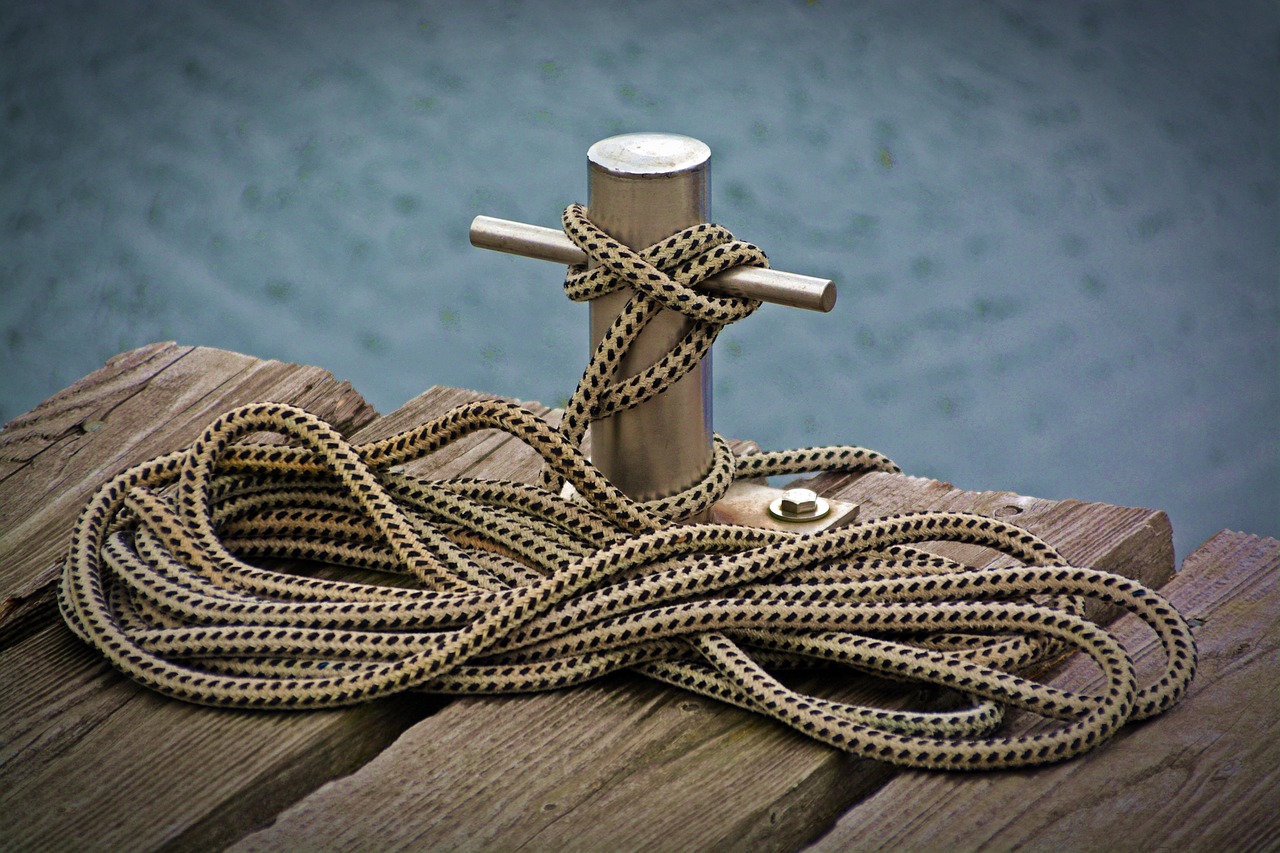
The best boat captains will treat mooring a boat as a short checklist maneuver. Each captain will go over each step of the mooring procedure, each captain will ensure that each crew member understands their role in mooring the boat, and each captain will allow time to set, test, and reset the anchor as necessary. Captains that take these steps and have prepared for the situation will find themselves able to avoid the problems of other boats that are moored in the same location, especially after the midnight hour when the current often reverses and other boats begin to drift from there moored locations.
While there will likely never be a method for preventing each and every problem with boat anchors, it is helpful for boat owners to understand the reasons for which the anchors can fail; understanding these reasons will transform any luck-based problems with boat anchors to an avoidable risk. Thus, each boat owner will have a better understanding of the various problems with boat anchors and how to avoid those problems altogether. The quiet confidence that each boat captain develops in their ability to handle the anchor system on their boat is the reason that some boats remain serenely moored while others battle against drifting boats.
Thus, quiet confidence is the reason that the water is a more welcoming place for those who have gained expertise in the care of their boats.