
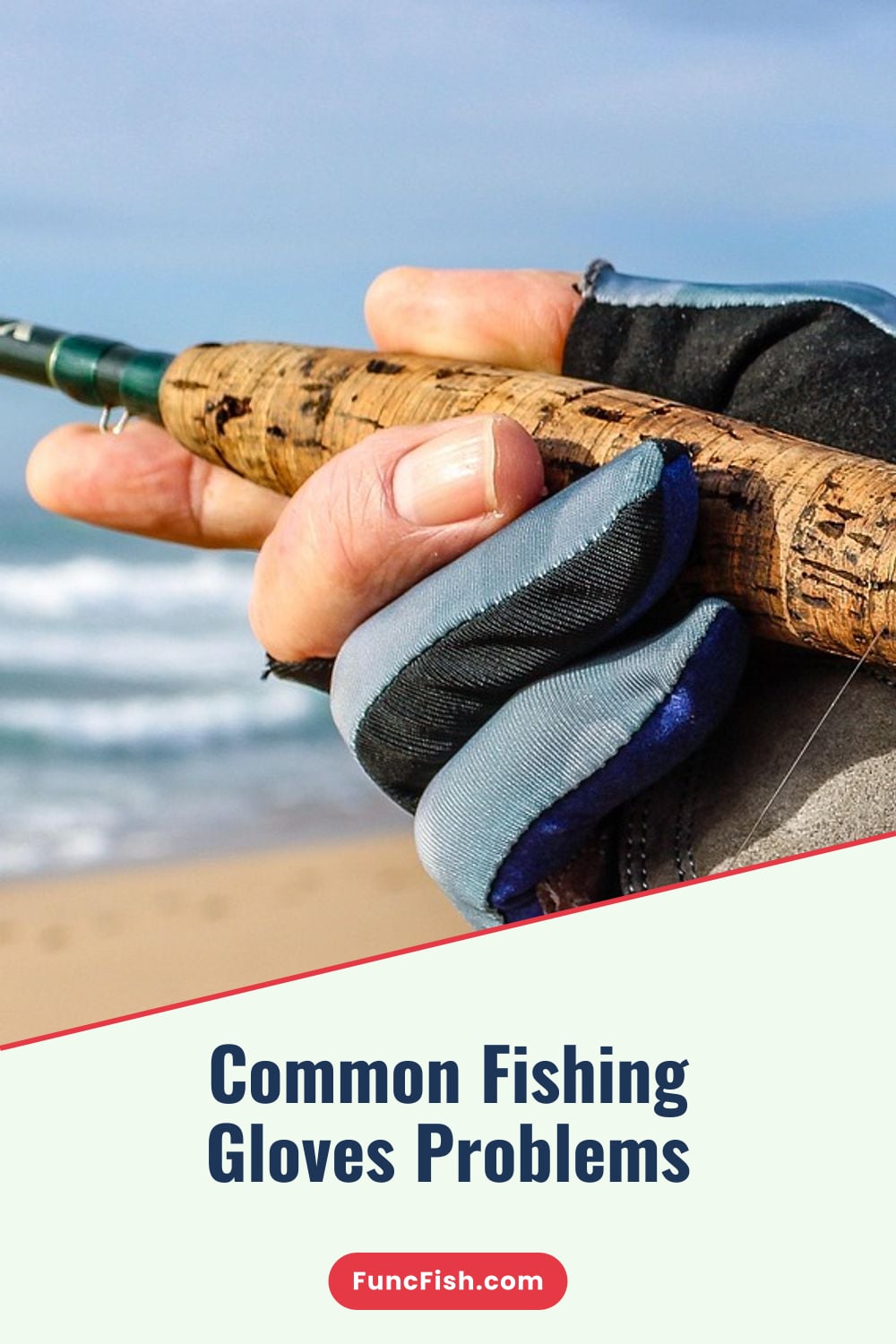
Fishing gloves may seem like a great idea for anglers who suffers from cold hands or who want to avoid the slimy feel of fish. However, fishing gloves can become a great source of frustration for anglers. An angler who has spent a full day on the water with gloves on will understand how quickly these gloves can turn from a helpful product into a frustrating one.
Many people experience problems with their gloves getting wet, losing their dexterity, and even emitting an unpleasant smell. All of these issues will ruin the focus anglers have on there fish and make their enjoyable mornings on the water a chore. The good news for anglers is that the troubles that most people have with their gloves have a cause, and there are solutions to each of these troubles.
By recognizing the causes of these troubles, anglers can avoid these problems from developing into frustrating problems that spoil their fishing trip. In the text below, the text will discuss each of the problems that anglers have with their fishing gloves, as well as the causes of each problem and the solutions to each problem. By the time you are done reading this article, your next pair of fishing gloves will likely be in your tackle bag instead of the bottom of your truck.
Common Problems Anglers Face With Fishing Gloves
1. Poor Grip on Fish
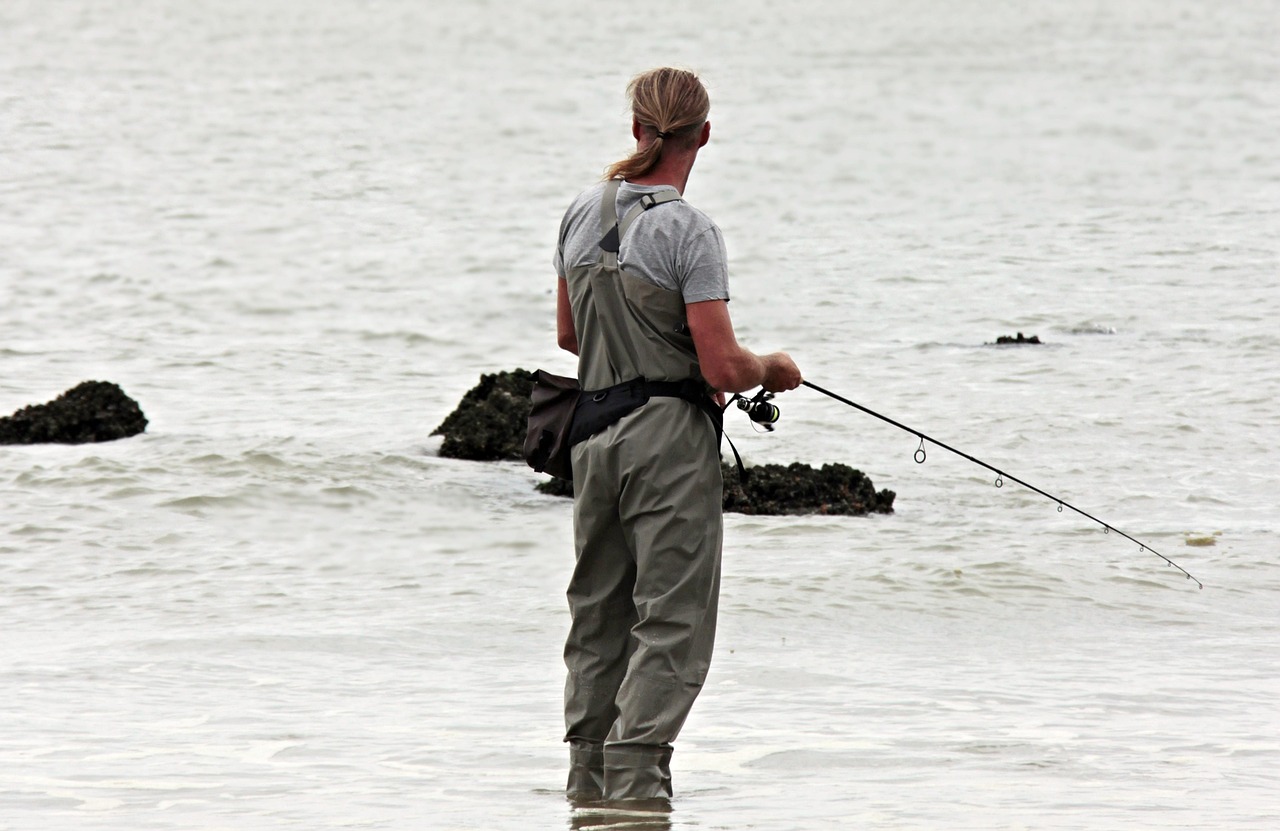
Poor grip on fish is the most common issue that anglers have with their fishing gloves. This problem arises because the material of the glove becomes slick after it gets wet. When fish struggle to be caught, there is no way for anglers to secure a strong grip on the fish because of the slick material of their gloves.
The rubberized or silicone dots that many glove manufacturers advertise wear down after a few fishing trips and fail to provide enough grip on fish that have a slime coat such as trout or catfish. Because the gloves fail to exhibit a good grip on the fish, anglers are forced to rely on luck to secure their catch. The loss of tactile feedback from the fish that are being caught is a problem that many anglers ignore but cause a variety of other issues.
If an angler is not able to securely hold a fish, they cannot perform tasks such as setting the hook, tying knots, or dropping their catch. For those who take the time to find gloves that provide adequate grip for the specific kind of fish they are pursuing, there are solutions for these problems. For anglers who target rough fish such as pike, textured neoprene gloves work well.
For anglers who pursue small fish, thin latex gloves work better than bulkier alternatives. Anglers should test the grip of fishing gloves while they are dry and while they are wet before making there purchase.
2. Cold Hands and Insulation Issues
Cold hands inside fishing gloves is another problem for anglers, especially winter anglers.
Anglers who fish during the winter months suffer from the ache in their hands after a period of using metal lures and fishing lines. Many gloves advertise that they contain insulation, but the insulation in many of these gloves is a material that gets compressed and loses its insulating properties when it gets wet. Neoprene gloves that are three to five millimeter thick provide the best insulation for anglers who fish in the cold weather.
Because of the closed-cell foam in these gloves, insulation continues to work even when the gloves are wet. Anglers can wear a thin liner glove in addition to neoprene gloves on the coldest days of the year. However, because these gloves are bulksy, anglers should learn to tie knots in their gloves at home before fishing time.
3. Waterproofing and Membrane Failures
The waterproofing on fishing gloves usually fails after only one fishing season. Many glove manufacturers treat the fabrics with waterproofing coatings. However, the coatings will crack with the flexing of the gloves, with the UV rays in the sun, and with the fish oils that get in contact with the glove.
After a period of time, every drop of water will reach the angler’s skin through the glove. Not only will the gloves become clammy to the touch, they will become heavy and difficult to dry after a fishing trip. For these issues, anglers should look for gloves with genuine Gore-Tex or breathable membrane materials instead of the polyurethane sprays that are common in inexpensive gloves.
These membranes cost more money up front, but they will last for multiple fishing seasons with proper care. Rinse the gloves with fresh water after each fishing trip to remove the salt and slime from the fish. If anglers dont clean their gloves regularly, the salt and slime will begin to degrade the fabric.
By storing the gloves inside out in a dry place when not in use, anglers will save money and effort replacing gloves and will extend the life of their product.
4. Lack of Dexterity
Anglers who complain of the lack of dexterity with their gloves typically fail to consider what kind of glove will best work for the type of fishing they perform. Tasks like tying a perfect uni knot, threading a jig eye, or placing the hook into a delicate nibble are all made difficult with the thick padding on many fishing gloves.
Many anglers may seek out the warmest pair of gloves on the fishing shop rack without considering the effect such gloves will have on there ability to master basic fishing tasks. One solution to the problem of lacking dexterity is the production of fingerless gloves or gloves with fold-back tips. These gloves offer the same protection on the back of the hand and the palms as the gloves with full coverage, but they also free up the fingers for precision work.
Some glove models even include a magnetic patch on the wrist that allows anglers to move the flap out of the way. This system works well until winter arrives when the temperatures drop below freezing, forcing anglers to trade off the convenience of these gloves for full finger gloves that can be worn between their fishing casts.
5. Unpleasant Odors
Odor is another issue that arises with the use of these gloves. Due to the types of fish that anglers kill and the types of bait that they use, the gloves inevitably develop an odor. This odor is almost impossible to eliminate if anglers leave their gloves in a closed tackle box for a week. The solution to this problem is simple: rinse the gloves with freshwater after every fishing outing.
Anglers should especially rinse their gloves after fishing in saltwater with a mild soap that does not damage the waterproofing of the glove. Some anglers even carry an enzyme-based glove odor eliminator in their gear bag. When the anglers rinse the gloves with freshwater and add the enzyme spray, this solution will remove the odor.
Anglers should replace their gloves when the odor becomes permanent.
6. Seam and Stitching Failure
Another common issue with fishing gloves is seam failure. Many anglers are surprised when one of the seams of their gloves suddenly fails when they are fighting a particularly large fish.
When this failure happens, the seam often ruptures at the thumb area. The fish and the weather can quickly become an issue for the angler when half of their hand is exposed to the water and weather elements. Good fishing gloves often feature reinforced stitching in these high-stress areas.
These reinforced seams separate the good gloves from the disappointing gloves. Anglers should pay close attention to the “crotch” area between the thumb and index finger where the greatest amount of stress is placed on the glove when fishing. Commercial fishing gloves often include these reinforced seams because the fishermen who use them are required to have reliable gear.
Recreational fishing gloves rarely feature these types of reinforcements unless they come with a higher price tag.
7. Loose Cuffs and Water Entry
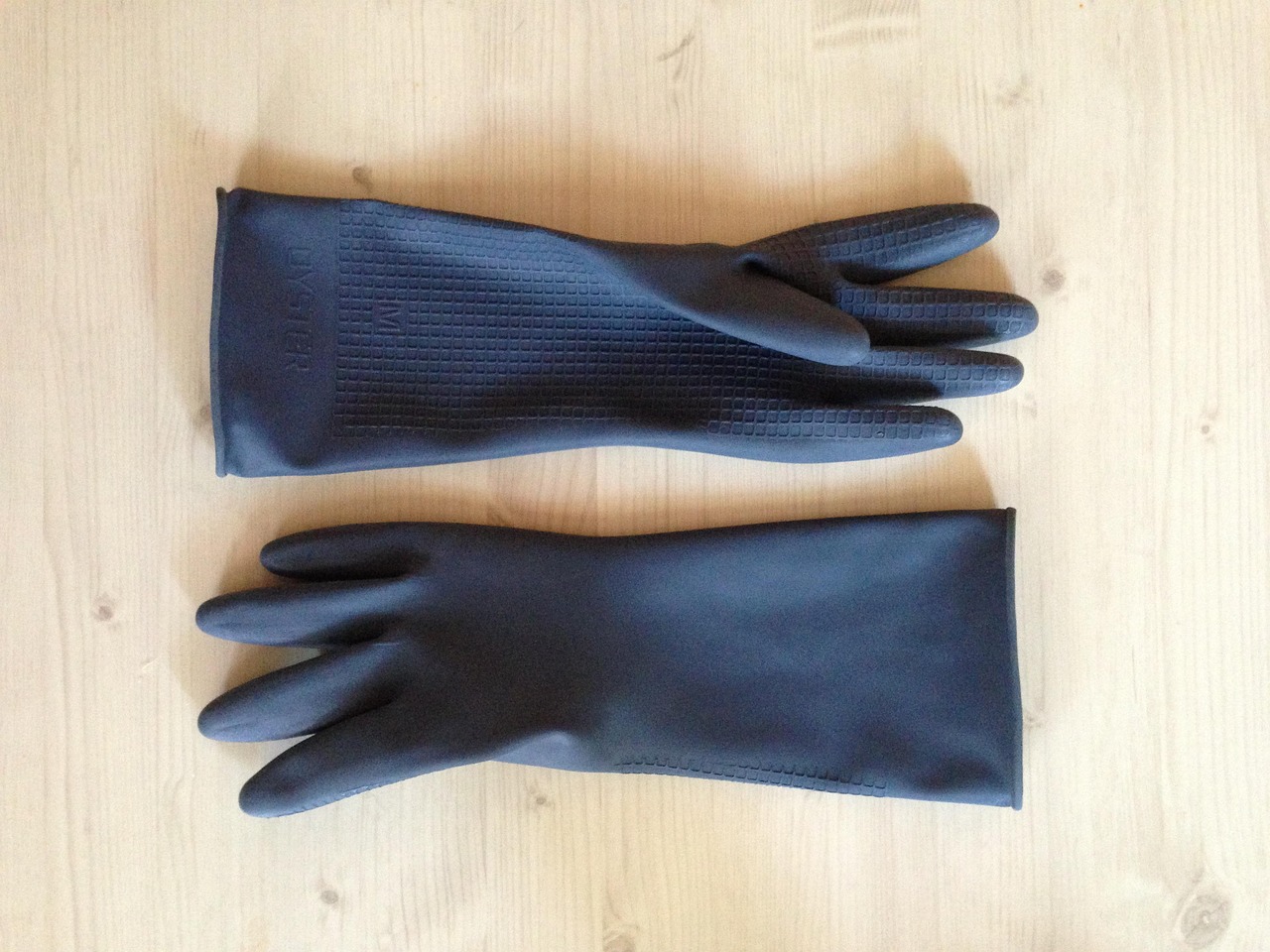
If the cuffs of a fishing glove are too loose or allow the water to enter the glove, then the cuff undermines the other features of the glove. Water will enter the glove when anglers cast their lines.
Once the water enters the glove, it is impossible to remove the water from the glove. The water will sit inside the glove and begin to wet the fingers of the angler. An adjustable glove cuff that uses Velcro or gauntlets that tuck under the angler’s jacket sleeves will avoid these problems.
Additionally, the best fishing gloves feature an inner gasket that seals the glove to the angler’s skin. The gasket allows for the glove to be sealed without limiting the angler’s circulation. Anglers should take a few minutes to properly adjust the cuffs of their gloves before heading into the water.
What may seem like an adequate glove on dry land can quickly become a disastrous fishing experience for the angler who fails to adjust the cuffs properly.
8. Allergic Reactions to Materials
Cheap fishing gloves can contain the chemicals that lead to allergic reactions in some anglers. While the common knowledge among anglers is that they are prone to latex allergies, the cheap synthetic materials used for fishing gloves can contain dyes and chemical accelerators that cause allergic reactions in these individuals.
The synthetic materials that are least likely to cause allergies are nitrile and polyurethane. Anglers who develop allergic reactions to their fishing gloves should switch to a pair that is labeled as hypoallergenic. Rinsing their hands after removing the fishing gloves will help to wash away the chemicals that cause the itching.
Some anglers alternate between two different pairs of gloves. By rotating their gloves, they provide their skin with a day to recover from the exposure to the fish and water. Although it may seem like overkill, changing gloves is a helpful strategy for those with sensitive skin.
9. Improper Glove Weight for Seasons
Wearing the wrong weight of gloves for the current fishing season will lead to regret. Bulky gloves can become uncomfortable when wearing them in the middle of summer due to sweaty fingers and the development of painful blisters. Paper-thin gloves will provide no protection for the hands when the weather drops twenty degrees in a week.
Smart anglers who understand their different fishing conditions will own two pairs of gloves. The lightweight gloves with UV protection are used for warm weather conditions when anglers need to have a good sensation of their fishing environment. Heavy gloves are stored in the truck until the weather report or the calendar tells them that it is time to use them.
Taking a few minutes to change the gloves is a small hassle that will save anglers from discomfort for the remainder of the day. By taking a few minutes to choose the proper gloves for the conditions, the species of fish, and their sensitivities to the glove materials, anglers can eliminate most of these issues. A perfect fishing glove does not exist, but the appropriate pair of gloves for the angler’s specific day does exist.
When a day of fishing is comfortable for the angler, their focus can be on the sport instead of the fight between their weather-resistant gear and the elements. This small advantage between good fishing gloves and bad fishing gloves could be the difference between anglers with stories to share and those who find reasons to avoid the waters.