
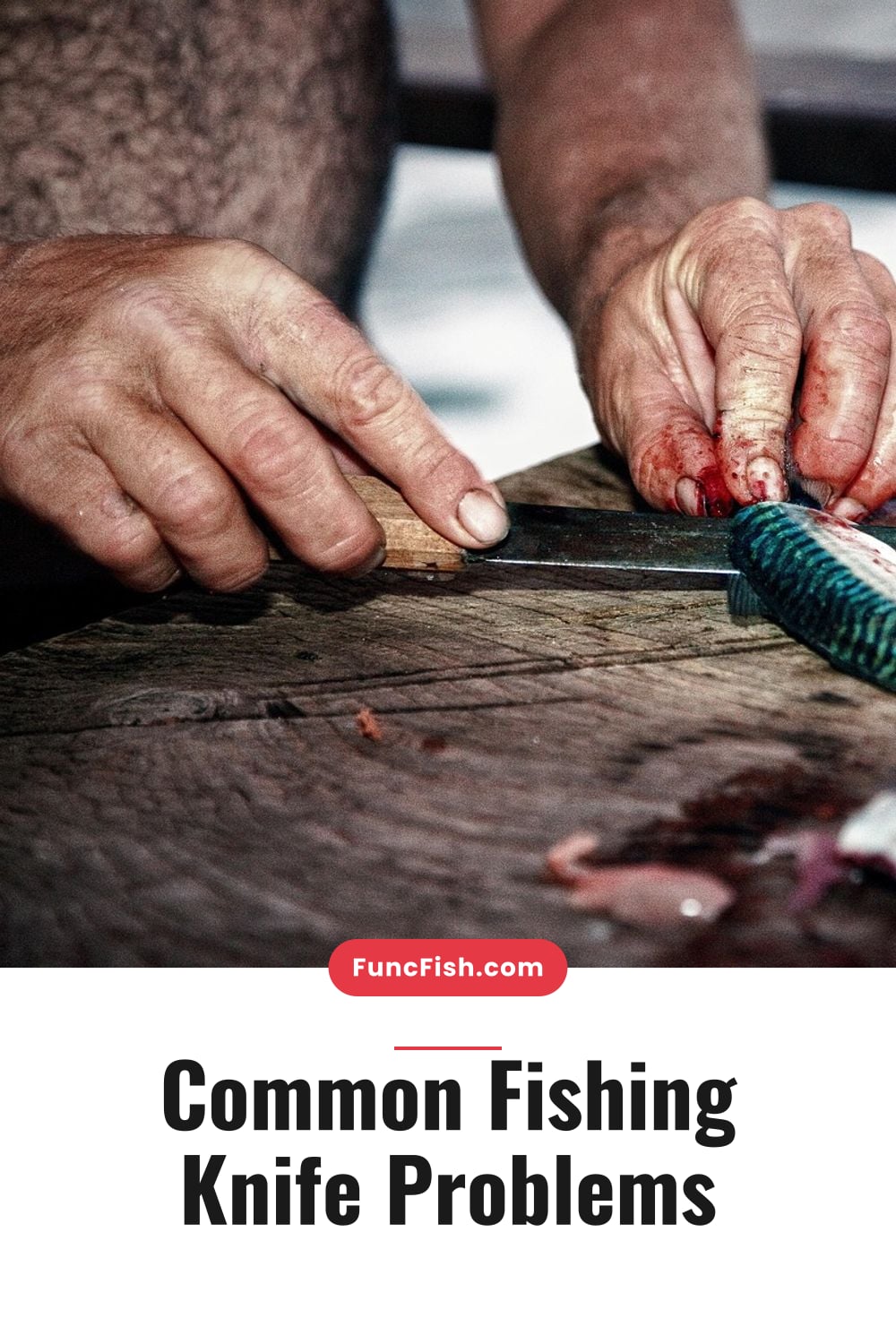
Fishing knives is a central tool to every successful day that a person spends on the water. These fishing knives are used to fillet a persons catch, to cut bait, to trim the fishing line, and, in some instances, to free a hook from a thrashing fish. Yet, as frustrating as some other fishing gear might be, fishing knives tend to cause more frustration for an angler.
If the blade is dull, what may have taken five minutes to clean up a catch can take thirty minutes of frustration. If the handle is slippery when a person’s hands are wet with the fishs blood, the blade may end up in the angler’s palm. Anglers often treat fishing knives as an afterthought until they absolutely need them.
This is when the issues with fishing knives tend to reveal themselves. However, each complaint regarding fishing knives has a cause and a fix. If a person can understand what causes the problems that are associated with fishing knives, that person can make better purchasing decisions and better decisions about how to take care of there purchased knives.
Common Problems With Fishing Knives
1. Blades That Won’t Stay Sharp
By properly maintaining their knives, anglers can ensure that they are ready whenever the fish is biting. One of the most common problems with fishing knives is the blade that will not remain sharp. Despite a person sharpening the knife the night before a fishing trip, the blade may feel like a butter knife when filleting the flesh of a fresh trout.
This problem is usually caused by the wrong type of steel being used for the knife. Many knives made as fishing knives use a soft stainless steel that resists rust. However, this soft stainless steel lose its edge after performing just a single fillet.
2. High Carbon Steel
For those who need a blade to maintain its edge, high-carbon steel is the best choice. However, this type of steel requires regular oiling to avoid rusting, especially if the fish being caught are in saltwater. The fix for the dull blade starts with purchasing a fishing knife with the proper steel for the angler’s environment.
For those that fish in the ocean, the steel should contain at least 16% chromium and contain a high amount of molybdenum. For those that only fish in freshwater, a blade that contains a harder carbon steel will hold its edge more better. If used properly between fish, a ceramic rod can help maintain the sharpness of the blade.
Using a ceramic rod will also prevent the blade from working against the angler when filleting fish. Another problem with fishing knives is when the angler’s hands become wet with the blood of there catch. For those who have used inexpensive knives, the handle of the knife may be plastic or wood.
These types of handles can become slippery when wet and blood-covered. If the angler grips the knife too tightly due to slippery conditions, the blade may begin to wobble and the angler loses accuracy in the knife work. These inexpensive knives use smooth plastic handles and wooden handles that dont offer much grip.
For the angler who desires a fishing knife with a handle that does not slip from there grip when there hands are wet, there are some options available. Injection-molded rubber handles with deep grooves for the angler’s fingers is one such option. Another is using a knife whose handle features scales made out of micarta.
Some of the best saltwater knives use a softer rubber overmold for the handle that has ridges along the handle. With these types of handles, the angler can focus on the fish being filleted instead of the knife slipping from there grip. The flexibility of the blade is another common problem with fishing knives.
3. Blade Flexibility Issues
For those who attempt to fillet a larger fish, the blade may flex while in use. If the blade begins to flex, the knife may tear the flesh of the fish that is being filleted. This flexibility of the blade is typically the result of the knife being made for smaller fish species.
For instance, a knife that is designed for filleting a four-inch trout will flex more then a knife with the same flexibility that is sold for filleting a salmon. The way to avoid the flexibility of the blade is to ensure that the blade has the proper length and thickness. For those who mainly catch freshwater fish, a blade that is six to eight inches in length with a spine that is at least two millimeters in thickness will do the job.
Anglers who fish offshore for larger fish, however, should look for a blade that is nine or ten inches in length with a full-tang that extends the length of the handle. Such a blade will not flex while filleting a fish. With these blades, the angler can complete the filleting in one motion rather than sawing at the fillet to complete the task.
The knife will be heavier, but the benefits of not having to saw at the fish are worth the extra ounces that the angler must carry. Although many knife manufacturers construct the knives with care, corrosion can still affect even the most careful of anglers. After using the knife to fillet fish, the angler may rinse the knife off with fresh water and place it into there tackle box.
However, after a period of time, say a week, the knife may begin to show orange rust at the edge of the blade. Once the blade has rusted, it can not be sharpened to the same feel that it has when the angler first purchased the knife. The salt in the air and the fish that are caught can all contribute to the early corrosion of the blade.
The way to avoid corrosion of the blade is to perform a few simple steps after every fishing trip. First, the angler must rinse off the blade with fresh water. Second, the angler must dry the blade with a towel.
Third, a thin layer of oil should be wiped onto the blade. The oil that should be used is food-grade mineral oil. Other knife oils that contain additives to protect the blade from corrosion will last longer between applications.
For knives that are to remain on a boat, they should be made of 440C steel or a higher grade of stainless steel. Such knives should be stored in a ventilated sheath rather than one that is sealed in plastic. Another problem with fishing knives is the design of the sheath in which the blade is stored.
4. Improper Sheath Design
The sheath may be too loose to allow the blade to fall out of the knife while the angler is hiking to the fishing spot. The sheath may be too tight to allow the angler to quickly draw the blade from the sheath while the angler has to struggle with two hands to extract the knife from its resting spot. The sheath may also trap moisture against the blade, leading to the corrosion that was discussed previously.
Well-designed sheaths prevent these three different problems. A rigid plastic or kydex sheath with a locking mechanism will hold the knife securely in the sheath and will allow water to drain from the sheath. Leather sheaths are an option for freshwater fish. The advantage to leather is that it breathes. However, the angler must take care of it so that mildew does not grow on the leather. Both of these materials are better than a nylon sheath that does neither.
Finally, one of the last issues with fishing knives is the weight and balance of the blade. Some knives become too heavy for those who use them for a while to fillet fish. Others become too light and have too much weight on the blade to perform delicate tasks for the angler.
5. Weight and Balance Problems
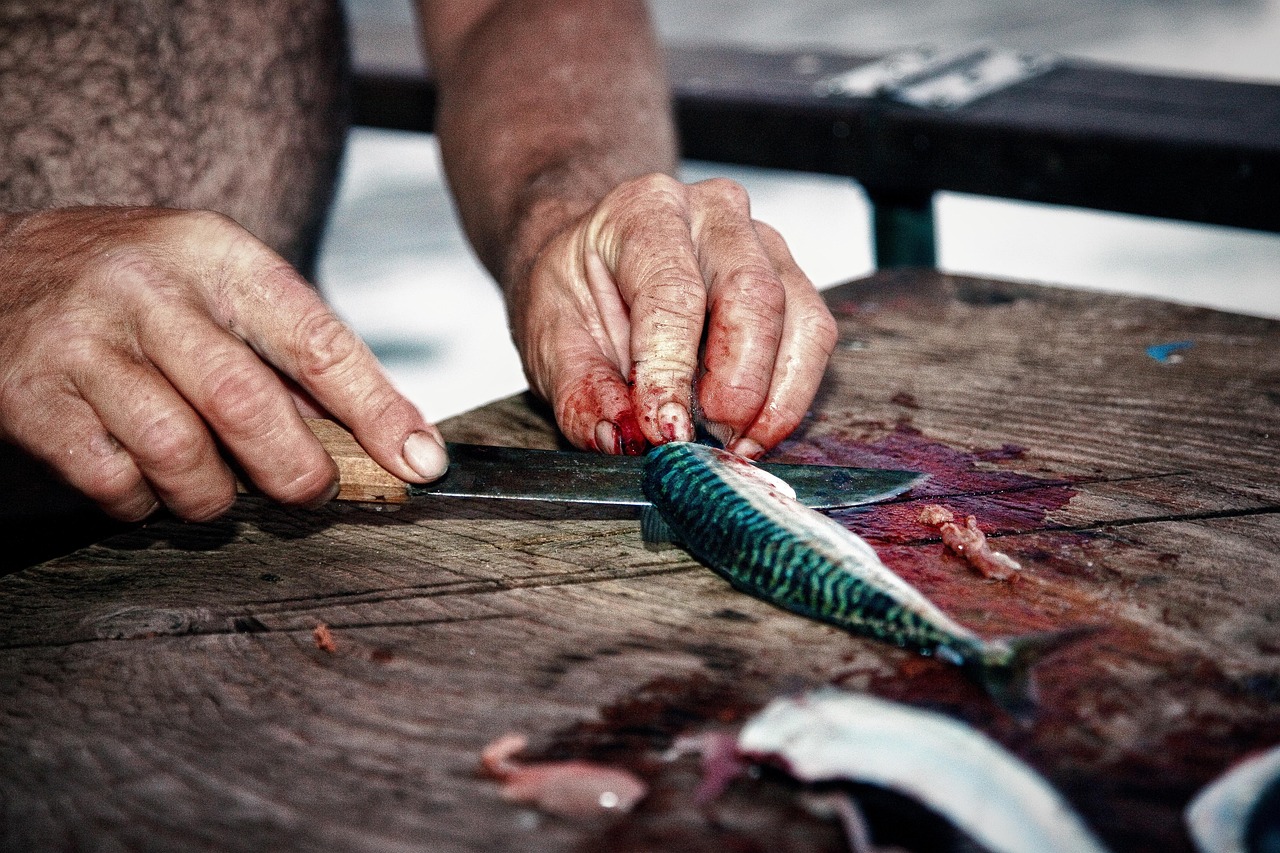
Both types of knives will eventually cause the angler’s hand to become tired and possibly make mistakes with the fish being filleted. With some knives, the balance is off for those who are not used to the weight of the knife. The sweet spot for balance is just behind the guard.
Knives with composite handles are generally lighter in weight and have less strain on the angler’s wrist while performing the filleting task. For instance, a seven-inch fillet knife that weighs less than four ounces will handle fish from the relatively light bluegill to the heavier pike species. Such a knife will be nimble when the angler has filled there cooler with fish.
Anglers should test the balance of a knife while they are shopping for the knife. The angler should hold the knife in the same way that they will use the knife to fillet fish. The angler’s wrist will feel better when they have filleted the fourth or fifth fish of the day.
By understanding how to properly select and maintain the fishing knife, the once-battle-ground between the angler and their fishing gear can become a pure source of enjoyment when they are on the water. As long as anglers understand these common problems with fishing knives, they can avoid purchasing knives that may cause them frustrations while on the water. Anglers can ensure that there knives dont cause any problems and that the knives begin to perform certain tasks for them while on the water.
The next time an angler is filleting there fish in minutes rather than hours of frustration, they will know the reason behind the excellent performance of the knife.