
Fishing seems easy. You throw out string with hook on one end and then wait for something to take a tug on that string. So why do we continue to manage to trip ourselves up and send our tackle sailing into neighbor’s yard?
Why is it that we always gets tangled in our line or trip over our own two feet? And there’s a particular type of silence that settles over the water when you make a misstep. Not only is it silent but it’s judgemental.
That fish that was staring unblinkingly at you swims away, and the weight of your own dumbness sits heavy on your chest. Most times the gear isn’t the problem. We have boxes upon boxes of reels that is as smooth as silk.
We also has rods at tackle stores that are pricier then your first car. Most of the time, we make our own mistakes. Fishing is a conversation with nature rather than just a mechanical exercise.
You can talk all you want but if you don’t learn to listen, the water won’t hear anything. Knowing these common mistakes is the first step towards having your cooler full and not heading home empty handed.
Six Common Mistakes Anglers Make Regularly
1. Ignoring Changing Water Temperatures

The single costliest error that newcomers commit is ignoring changing water temperatures.
Because fish are cold blooded animals, this directly relates to their metabolism. What’s going on around them determine how fast or slow it run. In late spring, as the water begins to warm, fish will move into shallow water again to feed heavily due to an active digestive system.
However, come fall when that temperature begin to plummet, they’ll slide back out to deep, more stable water to conserve energy. Tossing a topwater plug in four feet of water in the middle of a cold snap isn’t fishing, it’s begging to be rejected. Before you even tie your shoes, look at current water temperature reports for your area.
Where’s the thermocline? That will immediately tell you where those baitfish is holding, and so, where the predators lay in wait.
2. Using Excessive Line Weight
A second silent catch killer is using excessive line weight for the situation.
This could be an angler who has left an old monofilament spool on his reel to simply save some time. It could also be someone who just bought a bunch of super-heavy braid thinking bigger is better. A thick line slows down your lure’s natural fall rate by pulling it away from the current and moving through it awkward, which makes the water feel wrong.
Most importantly, thick line are very visible in the water and can spook wary species like seasoned bass and even trout that has seen hundreds of hooks come by. So if you’re fishing around pressured fish or in clear water, downsizing to a four pound test fluorocarbon leader can be the difference between getting bit and getting no bites at all. Inland species, most especially, care much more about invisibility rather then brute strength.
3. Mismatching Lure Color and Clarity
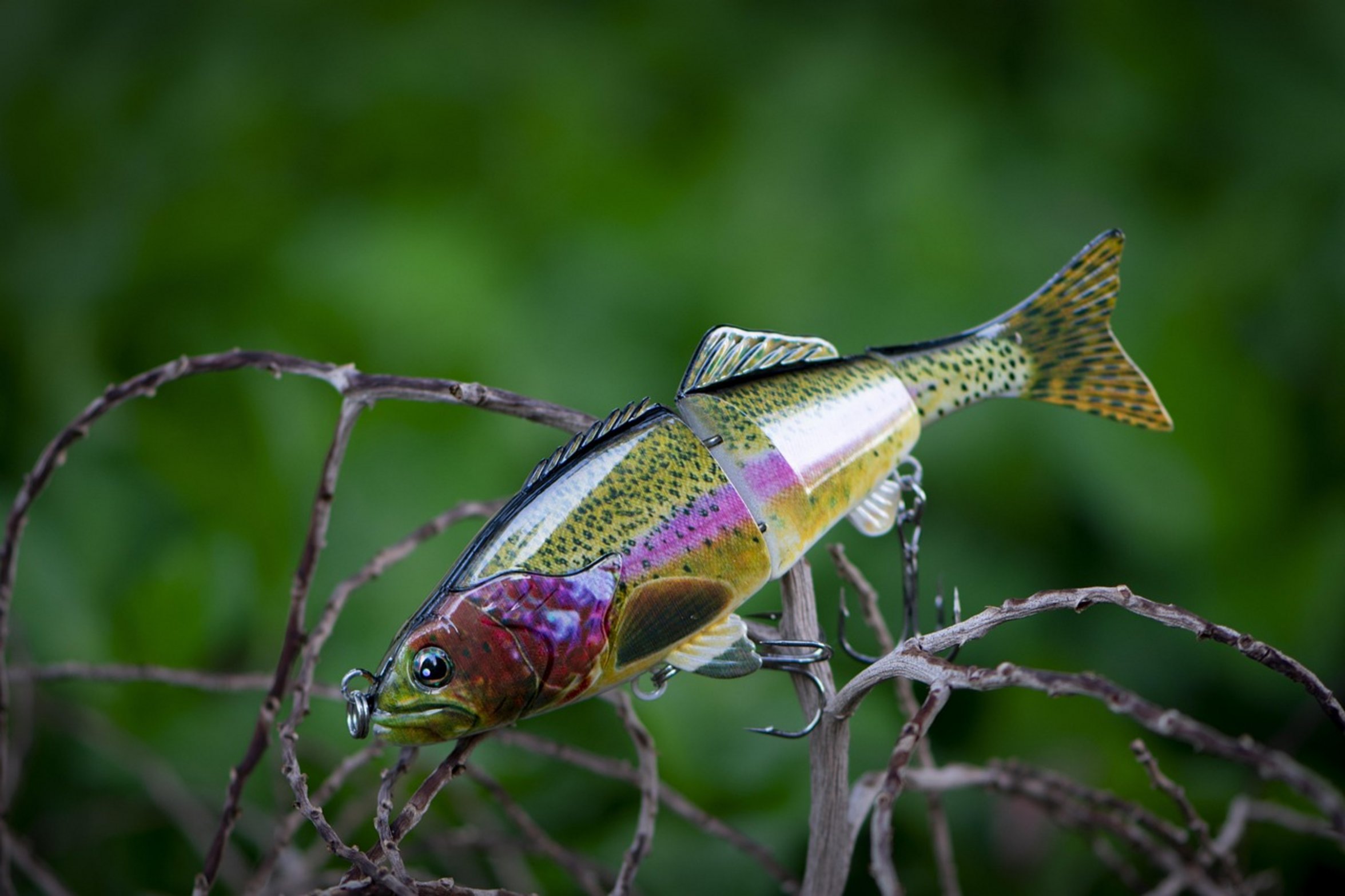
We say “match the hatch” in fly fishing but realy it goes for anyone with a rod. Throwing a chartreuse frog lure around dark, muddy water when the main food is a silver shad is asking the fish to guess at what you’re trying to do. The fish feed on silhouette and contrast.
Bright reds and whites like chartreuse are good high visibility colors to help them get an instinctual reaction bite in dirty or low light conditions. But then those same flashy colors might be a bad idea in the middle of a sunny day on a crystal clear lake. Natural looking colors like shad, bluegill, or maybe even brown crawfish patterns will gets the most bites as they look like something that got out of cover and made a mistake.
Before you think about your own preference for crazy neon colors, try to observe what’s in there in the first place.
4. Ignoring Structure for Clean Casts
The misconception for new anglers is they think if they cast away from the structure they’ll have a clean shot at the action and won’t hang their hooks up in the rocks and logs below. That’s actualy backward thinking.
Fish use structure as a hunting ground but also as a place of protection. It shade them, feeds them, and provides oxygen. If you’re throwing out beyond ten feet of cover, like a downed tree, the edge of a weedline, or a drop-off, you’re really just fishing open water.
That isn’t good. Now yes, you might lose a lure to a snag now and again, but catching the fish that inhabits this cover makes the loss of one piece of plastic worth it. Learn to make accurate casts around the structure instead of aimless ones into nothingness.
5. Making Too Much Noise on the Water

The quicker you move down the shoreline, the more you disturb the environment you’re trying to exploit. Bass has great lateral lines that pick up vibrations along the water column. Splashing around in the boat or walking heavily on a gravel bank puts out shock waves through the water that scream “danger” long before your lure reaches them.
It shuts down the fish’s feeders pattern and scares bass and panfish off the bite for hours. Move at a slow, steady pace. Use your binoculars to find cover and study what is there with precise casts.
Do this without alarming the occupants. Patience isn’t only a virtue, it’s a tactical necessity for angling success.
6. Neglecting Knot Inspection Before Casting
Knot inspection will not only save you money, but also some dignity.
There is nothing worse than fighting a fish all the way to the boat, only to reel in an empty hook because of a poor knot. Before making each cast, inspect each knot. Is it worn out?
Does it look loose? Retie it. Checking for a few seconds keeps you from the heartbreak of losing a trophy fish on a technicality you should of easily avoided.